

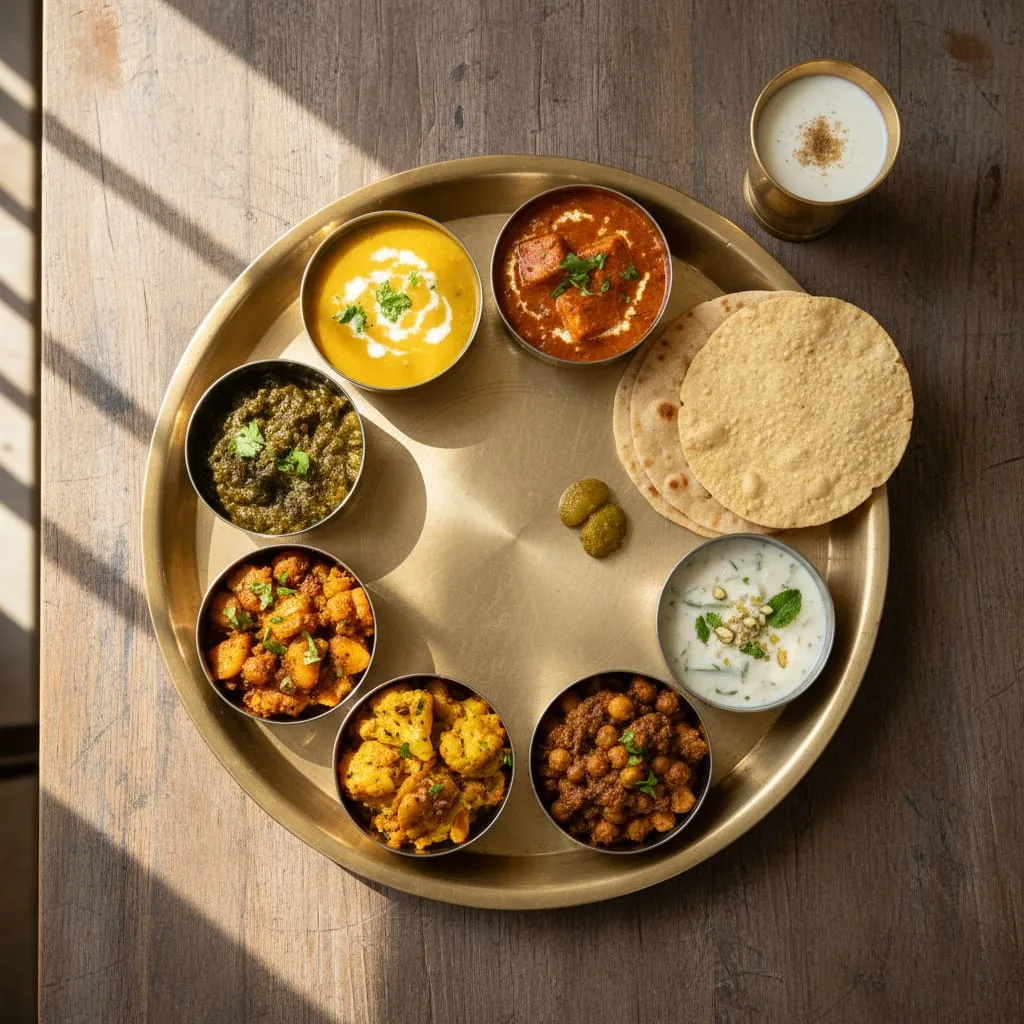
Countries Ranked by Vegetarian & Jain Food Friendliness: The Indian Traveler's Honest Scorecard
I have been a vegetarian my entire life. Not by choice initially—just born into a Gujarati family where the concept of "non-veg" was as foreign as snow in Ahmedabad. And I have traveled to 23 countries carrying this dietary identity like a passport stamp that nobody abroad quite understands. This is my brutally honest ranking of vegetarian friendly countries for Indian travelers—the ones where I thrived, the ones where I survived, and the ones where I basically starved while watching everyone else eat.
My Jain friend Priya once checked in a full suitcase of theplas, khakhra, and MTR ready-to-eat packets for a 10-day Europe trip. We laughed at her then. By day 4 in Paris, I was begging her for a thepla while she smugly ate her homemade food in front of the Eiffel Tower. She was the smart one.
So here is the tier list of vegetarian friendly countries for Indian travelers. S-tier means you can walk into almost any restaurant and find real vegetarian food. F-tier means pack your own food or prepare to lose weight. Let us get into it.
S-Tier: Pure Veg Paradise for Indian Vegetarian Travelers
These countries understand vegetarianism at a fundamental level. Not "I will pick out the meat" level—actual pure veg, clearly labeled, zero cross-contamination. Among vegetarian friendly countries for Indian travelers, these are the absolute best.
India (The Baseline)
Obviously. We have entire states that are majority vegetarian. You can walk into any restaurant in Gujarat, Rajasthan, or large parts of South India and everything is veg by default. Jain food? Just ask. "Jain thali bana do" and they know exactly what to do—no onion, no garlic, no root vegetables. This is our baseline. Every other country is measured against this.
For country-specific survival tips including local phrases, apps, and airline meal codes, check out our detailed vegetarian guide abroad for Indian travelers.
Singapore
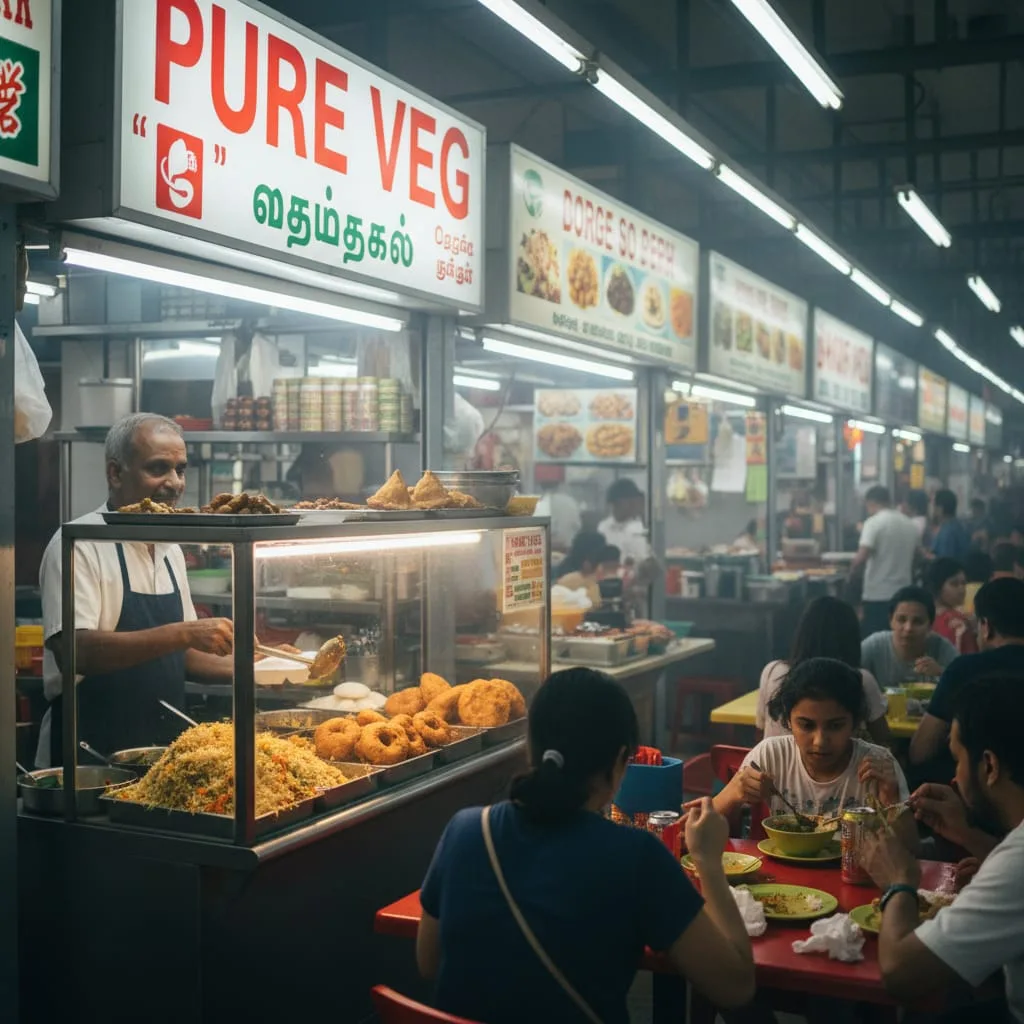
Singapore is genuinely spectacular for Indian vegetarians. Little India has more pure veg restaurants than most Indian cities. Komala Vilas, Ananda Bhavan, Saravana Bhavan—you could eat every meal here and never repeat a dish. The hawker centers have dedicated vegetarian stalls with yellow "vegetarian" signs. Even Chinese food here comes in veg versions because of the large Buddhist population.
For Jain travelers, Singapore has actual Jain restaurants. Gokul Vegetarian at Paya Lebar serves proper Jain food. Our complete guide to Indian food in Singapore and Malaysia covers the best spots in detail. The HappyCow app works brilliantly here—you will find 200+ veg restaurants listed.
Malaysia
Malaysia surprised me. Yes, it is a Muslim-majority country, but the ethnic Indian and Chinese populations have created a vegetarian infrastructure that rivals India. Penang especially—George Town has pure veg Indian restaurants on every corner. The banana leaf rice shops always have veg options. Chinese Buddhist restaurants serve mock meat that is so good you forget it is not real.
My detailed vegetarian food Malaysia guide covers everything from Kuala Lumpur to Langkawi. The key phrase to learn: "saya vegetarian, tidak makan daging" (I am vegetarian, I do not eat meat). But honestly, in most places, just pointing at the veg dishes works fine. Malaysia ranks high among vegetarian friendly countries for Indian travelers because the food culture already accommodates diverse diets.
A-Tier: Excellent Vegetarian Destinations With Some Knowledge Required
These countries are great for vegetarian travelers, but you need to know what to ask for and where to go. Not as foolproof as S-tier, but you will eat well.
Thailand
Thailand has a secret weapon: the annual Vegetarian Festival. During this period, you will see yellow flags everywhere marking veg food. But even outside the festival, Thai vegetarianism is solid if you know the phrase "jay" (เจ). This means Buddhist vegetarian—no meat, no eggs, often no garlic or onion either. Very close to Jain food.
The catch? Regular Thai food uses fish sauce and oyster sauce in almost everything. A "vegetable stir fry" at a random street stall probably has fish sauce. At proper restaurants, saying "mai sai nam pla, mai sai sauce hoi" (no fish sauce, no oyster sauce) works. Or just look for the yellow "jay" signs. This makes Thailand one of the better vegetarian friendly countries for Indian travelers in Southeast Asia.
Taiwan
Taiwan might be the most underrated destination for vegetarian Indians. Buddhist vegetarianism is massive here. They have vegetarian buffets charging by weight where you can eat an entire meal for 150 TWD (around ₹450). The 7-Elevens have onigiri labeled as vegetarian. Temple food is everywhere and delicious.
Best discovery: Loving Hut chain restaurants. Fully vegan, multiple locations in Taipei, and surprisingly good food. The mock meat game in Taiwan is possibly the best in the world—they have been doing it for centuries.
Bali, Indonesia
Bali is a vegetarian haven within a non-vegetarian country. Ubud especially has gone full wellness-Instagram-influencer, which means raw vegan cafes on every corner. Clear Spring, Sage, Seeds of Life—you will find quinoa bowls and smoothies for days. Our Jain food guide for Bali covers the specific spots that understand no onion no garlic.
Outside the tourist areas though, Bali gets tricky. Traditional Balinese food is meat-heavy. Stick to Ubud, Seminyak, and Canggu for the best options.
Israel
Israel shocked me. The vegan movement here is huge—Tel Aviv has been called the vegan capital of the world. Falafel is everywhere and naturally vegetarian. Hummus shops are on every corner. Shakshuka for breakfast is egg-based but vegetarian. Plenty of actual vegan restaurants too.
For Indian vegetarians specifically, the lack of beef is never an issue since Israel already does not serve it widely. The only watch-out is that "vegetarian" often still means eggs are included.
B-Tier: Manageable But Takes Effort
You will eat fine in these countries, but it requires research, planning, and sometimes settling for limited options. Not stress-free, but not impossible either.
Georgia
Georgia is a pleasant surprise for vegetarian Indians. Khachapuri (cheese bread), lobiani (bean-filled bread), badrijani (walnut-stuffed eggplant), and pkhali (spinach-walnut spread) are all naturally vegetarian. The cuisine is cheese-heavy, which works for lacto-vegetarians. Georgian wines are excellent and everywhere. However, the mainstream cuisine is meat-heavy, and outside tourist areas, explaining vegetarianism can be challenging. See our complete georgia country travel guide for indians for detailed food tips.
Dubai and UAE
Dubai has excellent Indian food—it is basically an extension of India at this point. Every mall food court has veg options. The Dubai Creek area has pure veg Gujarati and South Indian restaurants. Govinda's in Bur Dubai is a classic.
The B-tier ranking is because outside the Indian food bubble, finding vegetarian food gets harder. Arabic food is meat-centric. The mezze (hummus, falafel, tabbouleh) saves you, but actual Arabic main courses are tricky. UPI now works in Dubai which makes paying at small Indian restaurants even easier.
Japan
Japan is improving fast, but it is still not easy. The fundamental problem: dashi (fish stock) is in everything. Miso soup? Dashi. Soba noodles? Often dashi in the broth. That vegetable tempura? Probably fried in oil that also fried shrimp.
However—and this is important—Buddhist temple cuisine (shojin ryori) is completely vegetarian and has been for centuries. It is expensive and requires booking, but places like Shigetsu in Kyoto serve multi-course veg meals. Conveyor belt sushi places now have clearly marked vegetarian rolls. 7-Elevens have vegetarian onigiri if you read labels.
The phrase to learn: "watashi wa bejitarian desu, niku to sakana wa tabemasen" (I am vegetarian, I do not eat meat or fish). Still, always ask about dashi.
South Korea
Korean food is tough for vegetarians. Kimchi often has fish sauce or shrimp paste. Vegetable side dishes (banchan) frequently hide anchovy powder. Even that innocent-looking tofu soup? Probably pork or seafood base.
But Seoul's international districts have options. Itaewon has vegan restaurants. Temple food restaurants serve genuine Buddhist vegetarian food—Balwoo Gongyang in Insadong is Michelin-starred and completely veg. The phrase "chaesik" means vegetarian, but always clarify—many Koreans think chicken and fish are not "real" meat.
C-Tier: Survival Mode (Proceed With Caution)
You will not starve, but you will eat a lot of the same things. Flexibility required. Maybe carry some emergency food. These are not among the vegetarian friendly countries for Indian travelers but survival is possible.
Vietnam
Vietnam has Buddhist vegetarian restaurants serving "com chay" (vegetarian rice meals), especially around pagodas. The mock meat here is decent. Pho can be made vegetarian—just ask for "pho chay."
The problem: fish sauce is Vietnam's oxygen. It is in everything. Even dishes that look vegetarian have fish sauce added. The phrase "toi an chay" (I eat vegetarian) helps, but many smaller places do not understand. Stick to dedicated Buddhist restaurants or places used to foreign tourists.
Sri Lanka
Sri Lanka should be better than it is. The Buddhist majority makes you expect vegetarian options, but the reality is fish and meat are everywhere. Even "vegetable" curries sometimes have Maldive fish (dried tuna).
That said, South Indian food is available, especially in Colombo and the north. Hotels understand vegetarian requests. The traditional rice and curry format means you can choose only vegetable curries if you ask clearly.
Maldives
Here is the Maldives paradox: the luxury resorts are excellent for vegetarians. They cater to every diet, have dedicated veg menus, and chefs will make you anything. But visiting local islands? Good luck. Maldivian cuisine is 95% fish. Your options are basically rice, curry with Maldive fish (even the "veg" one), and whatever vegetables they imported.

D-Tier: Genuinely Difficult (Bring Your Own Food)
These countries do not understand vegetarianism in the Indian sense. You will be explaining constantly, eating limited options, and supplementing with food from India.
Turkey
Turkish cuisine is meat-paradise. Kebabs, doner, kofte—it is all meat all the time. Vegetarian options exist but are limited: mezze plates, stuffed grape leaves (check if they have meat), cheese-filled borek, pide (Turkish pizza) with cheese.
The concept of "no meat" often does not include chicken. "Et yemiyorum" means I do not eat meat, but add "tavuk ve balik da yemiyorum" (I do not eat chicken and fish either). Even then, check for hidden meat stock.
Greece
Greek cuisine is better than Turkey but still challenging. Moussaka has meat. Souvlaki is meat. But—spanakopita (spinach pie), Greek salad, grilled halloumi, fried feta, and various vegetable dishes exist. The Orthodox Christian fasting tradition means some restaurants understand "nistisimo" (fasting food) which is essentially vegan.
The catch: butter and cheese are in everything that is not "fasting food." Cross-contamination is common. But you will survive.
Italy
Italy is a surprise D-tier. Yes, they have amazing pasta. Yes, pizza exists. But true vegetarianism is not well understood. "Vegetariano" often means "no visible meat"—hidden anchovy paste, meat stock in sauces, and pancetta in "vegetable" dishes are common.
What works: margherita pizza (always safe), pasta with tomato sauce (marinara), caprese salad, bruschetta. What does not: assuming "vegetable soup" has no meat stock, trusting that pesto is vegetarian (sometimes has anchovy), or ordering risotto without asking about the broth.
F-Tier: Pack Your Theplas (You Will Need Them)
These countries either do not understand vegetarianism at all, or the cuisine is so meat-centric that finding veg food is genuinely hard. If this is your first international trip, maybe do not start here. F-tier destinations are the opposite of vegetarian friendly countries for Indian travelers.
France
France broke me. I speak some French. I tried everything. The concept of vegetarianism is treated with genuine confusion and sometimes hostility. "You do not eat meat? What about duck? Fish? Chicken?" No, none of it. "But... why?"
Even "vegetable" soup usually has chicken or beef stock. Butter is in everything—croissants, vegetables, sauces. Many French people genuinely believe that a meal without meat is not a real meal. Your options: ethnic food (Indian, Lebanese, Vietnamese restaurants in Paris), self-catering, or the very few vegetarian restaurants that exist.
My actual diet in France: bread, cheese (lots of it), salads (after confirming no bacon bits), fries, and the occasional pizza. I lost 2 kg in a week while my non-veg friends gained weight.
Spain
Spanish food culture is tapas culture, and most tapas involve jamon (ham) or some form of meat. Tortilla Espanola (potato omelette) saves you. Patatas bravas (fried potatoes) are safe. Beyond that? Pan con tomate (bread with tomato) and salads.
Barcelona is better than smaller cities due to international influence. But the fundamental cuisine is meat-heavy. "Soy vegetariano" will get you nods of understanding followed by recommendations for the fish dish.
Argentina
Argentina is the land of beef. Asado (barbecue) is a religion here. Being vegetarian in Argentina is almost a political statement. The saving graces: empanadas de verdura (vegetable empanadas—but confirm no meat), pizza, milanesa de berenjena (breaded eggplant), and the fact that Italian influence means pasta exists.
But going to a traditional parilla (steakhouse) as a vegetarian? You will eat salad while everyone else has their life-changing steak experience.
Mongolia
I am including Mongolia because I have been asked about it, and the answer is: do not go as a vegetarian unless you are prepared to eat nothing but dairy products and carry all your own food. Traditional Mongolian cuisine is meat and dairy. Vegetables are not a significant part of the diet. In Ulaanbaatar, international restaurants exist. Outside the capital? It is survival mode.
Pro Tips for Vegetarian Friendly Countries for Indian Travelers
The Emergency Food Kit
Always carry these, regardless of destination:
- Theplas (they last a week, taste great, and have saved countless Indian travelers)
- MTR or Haldiram's ready-to-eat packets (just need hot water or microwave)
- Khakhra or mathri for snacking
- Pickle in small containers (the flavor of home when hotel food is bland)
- Maggi or instant noodles (vegetarian, familiar, available in most hostel kitchens)
Apps That Actually Help
- HappyCow: The gold standard. Has vegetarian/vegan restaurants worldwide with reviews
- Google Maps: Search "vegetarian" or "Indian restaurant" anywhere
- TripAdvisor: Filter by "vegetarian friendly" in restaurant searches
Phrases to Learn
In most countries, having these written on your phone helps:
- "I am vegetarian. I do not eat any meat, fish, chicken, or eggs."
- "Does this contain meat stock or fish sauce?"
- "No onion and no garlic please" (for Jain travelers)
Hotel Breakfast Strategy
Most international hotel breakfasts have: bread, cheese, eggs (if you eat them), fruit, cereal, milk, and hopefully some vegetables. This will be your most reliable meal in difficult countries. Eat well at breakfast.
The Honest Truth About Vegetarian Travel
Being a vegetarian Indian traveler is not impossible anywhere. But it does require preparation. The countries in S and A tier—Singapore, Malaysia, Thailand, Taiwan, Bali—these are where I tell first-time international travelers to start. You will eat amazing food, never feel deprived, and actually enjoy the culinary aspect of travel.
For D and F tier countries, go with realistic expectations. You are not going to France for the food experience. You are going for the art, the history, the culture. Pack your theplas, find the Indian restaurants, and accept that meals will be functional rather than exciting.
And honestly? Some of my best travel memories involve the struggle. Eating MTR dal makhani in my Paris Airbnb while the Eiffel Tower sparkled outside. Finding a tiny Jain restaurant in Tokyo after walking for two hours. That random Buddhist temple lunch in Taipei that cost ₹300 and had 15 different dishes.
The vegetarian life abroad is not always easy. But it is always an adventure. Just remember to pack extra theplas—and bookmark this guide to vegetarian friendly countries for Indian travelers before your next trip.
Planning your trip to a vegetarian-friendly destination? Check out our curated tour packages where we handle all the dietary requirements so you can focus on enjoying your holiday.
Planning your meals abroad? Our detailed guide on indian food abroad countries ranks 12 destinations by how easy it is to find desi food.
Heading to Japan during cherry blossom season? Our japan cherry blossom guide includes a dedicated vegetarian survival section with specific hanami foods and konbini options.