
Loading
Dubai has transformed itself from a quiet fishing village into one of the world's most spectacular cities in barely fifty years, and today it stands as the number one international destination for Indian travellers. Our Dubai tour packages bring you the best of this extraordinary emirate — from the world's tallest building to endless desert dunes, from gold-laden souks to underwater restaurants, and from tax-free shopping to adrenaline-pumping adventures — all designed with the Indian traveller's preferences, budget, and expectations in mind.
More Indians visit Dubai than any other international city, and the reasons go far beyond proximity. Dubai is just a 3-4 hour flight from every major Indian city, with dozens of daily direct flights keeping fares competitive year-round. The city is home to over 3 million Indian residents, which means Hindi is spoken in practically every mall, restaurant, and taxi. Indian food — from proper South Indian thalis to North Indian tandoori — is available on nearly every street. The dirham-to-rupee conversion is predictable and shopping is duty-free, making Dubai a paradise for Indian families who love to combine sightseeing with serious retail therapy.
Visa processing for Indians is fast and straightforward. The UAE tourist visa takes 3-5 working days through our streamlined process, and the 30-day visa covers most holiday durations perfectly. There is no interview, no biometrics appointment, and no embassy visit required — everything is handled online.
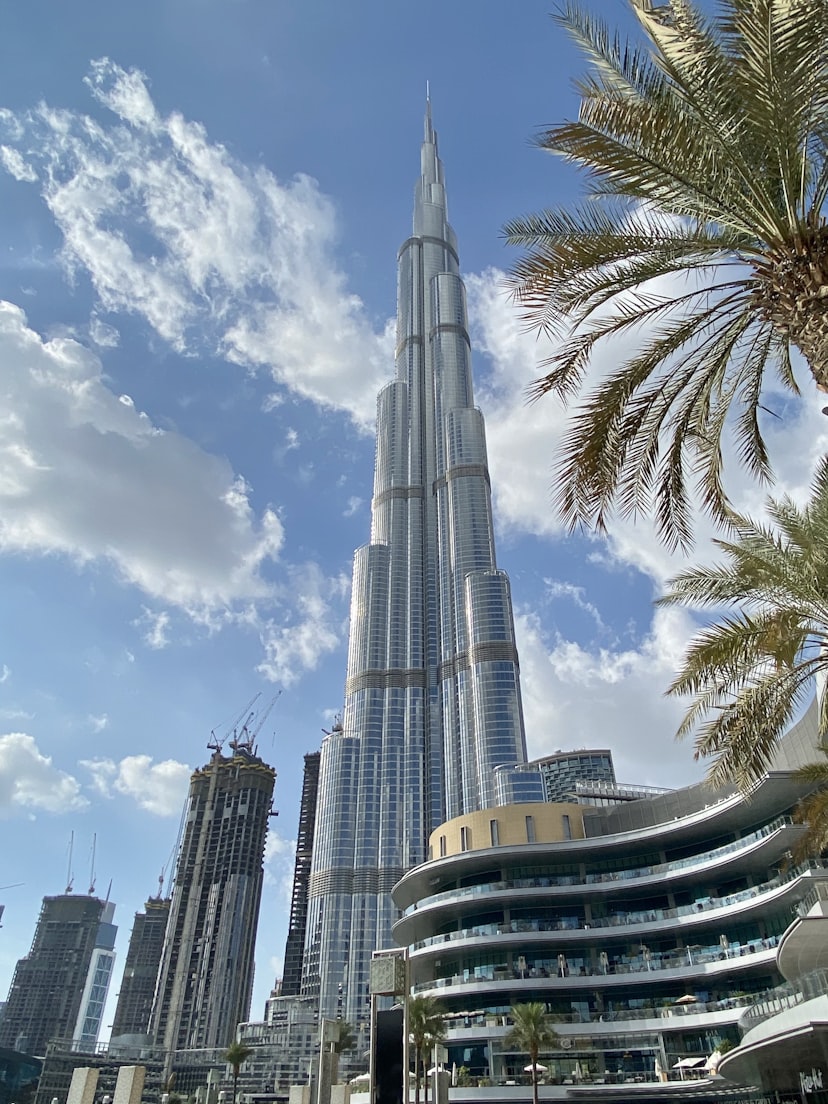
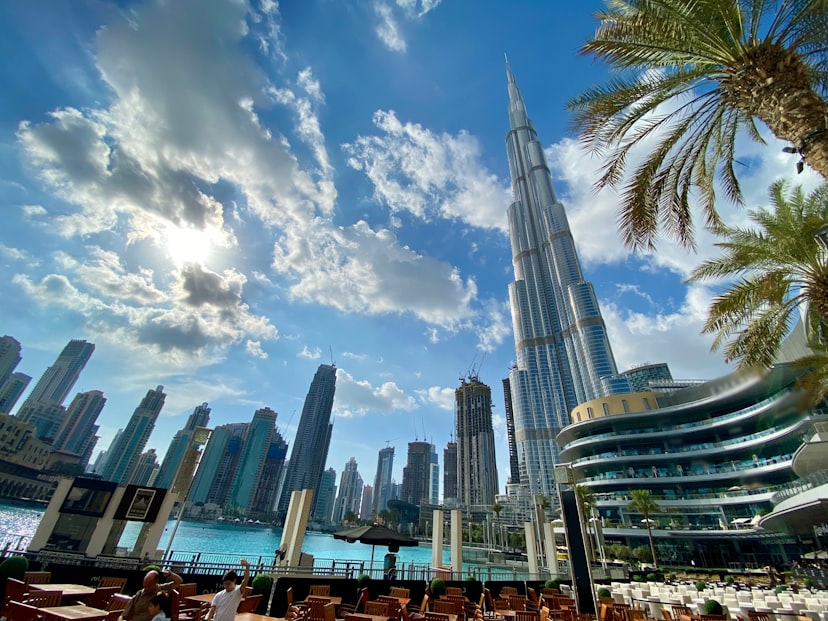
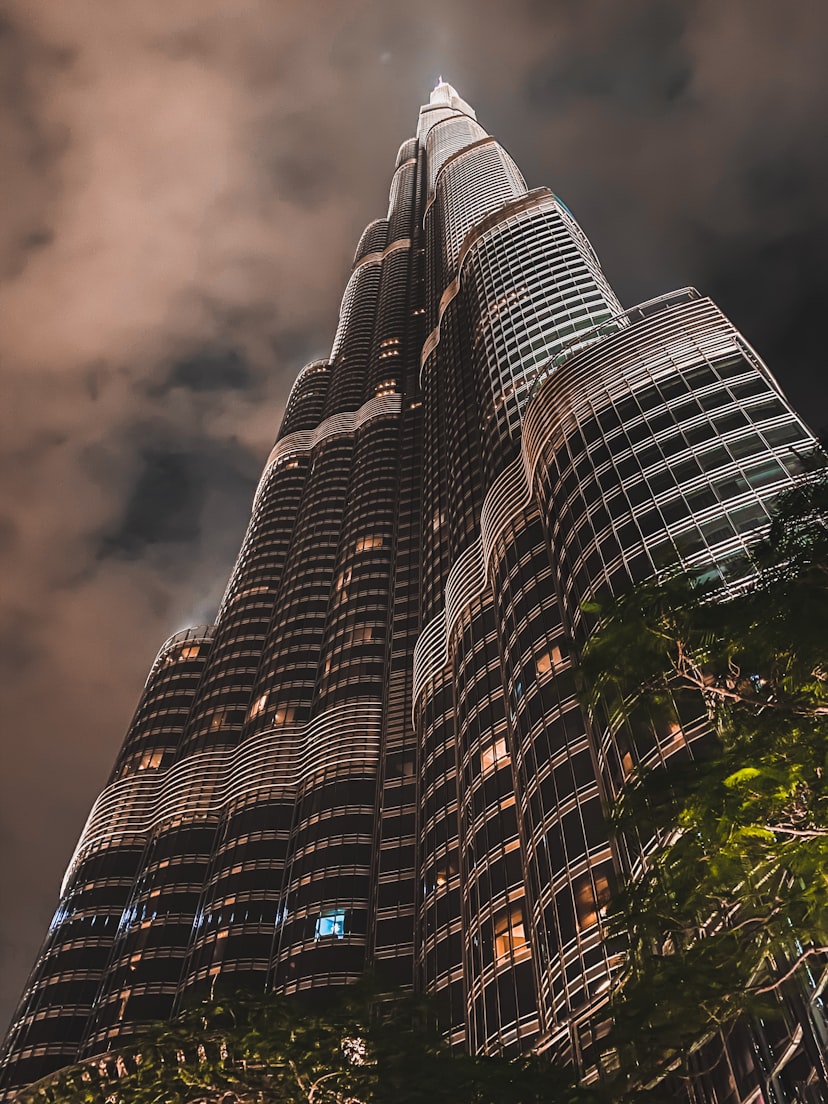
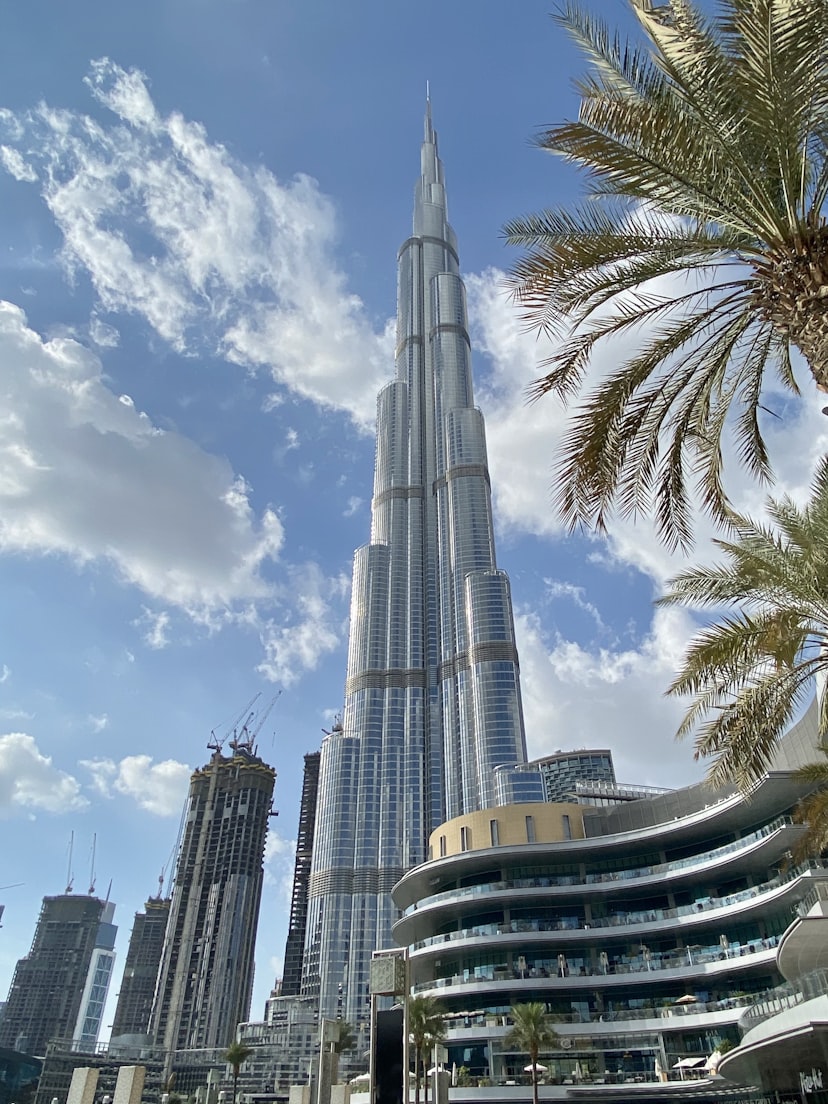
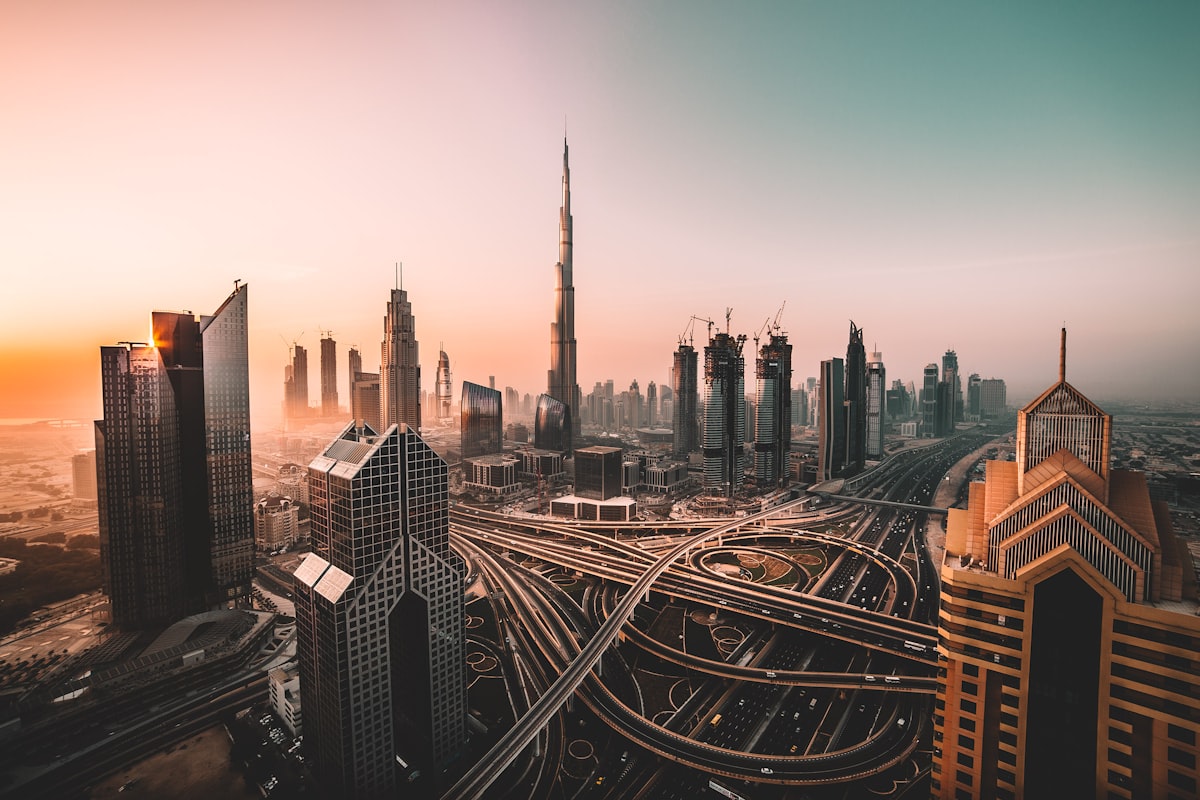
The Burj Khalifa needs no introduction — standing at 828 metres, this needle of glass and steel dominates every photograph of Dubai. But visiting the observation deck on the 124th and 148th floors is an experience photographs cannot capture. On a clear day, you can see across the Arabian Gulf to Iran. Time your visit for sunset when the desert turns gold and the city lights begin their nightly performance.
At the base of the Burj sits the Dubai Mall, and calling it a shopping centre is like calling the Taj Mahal a building. Spread across 1,200 stores, it houses an Olympic-sized ice rink, a three-storey aquarium with 33,000 marine animals, a dinosaur skeleton, an indoor waterfall, and hundreds of dining options from Japanese ramen to Rajasthani thali. The Dubai Fountain outside performs choreographed water shows every thirty minutes after dark — it is free, mesmerising, and the single most-watched attraction in the city.
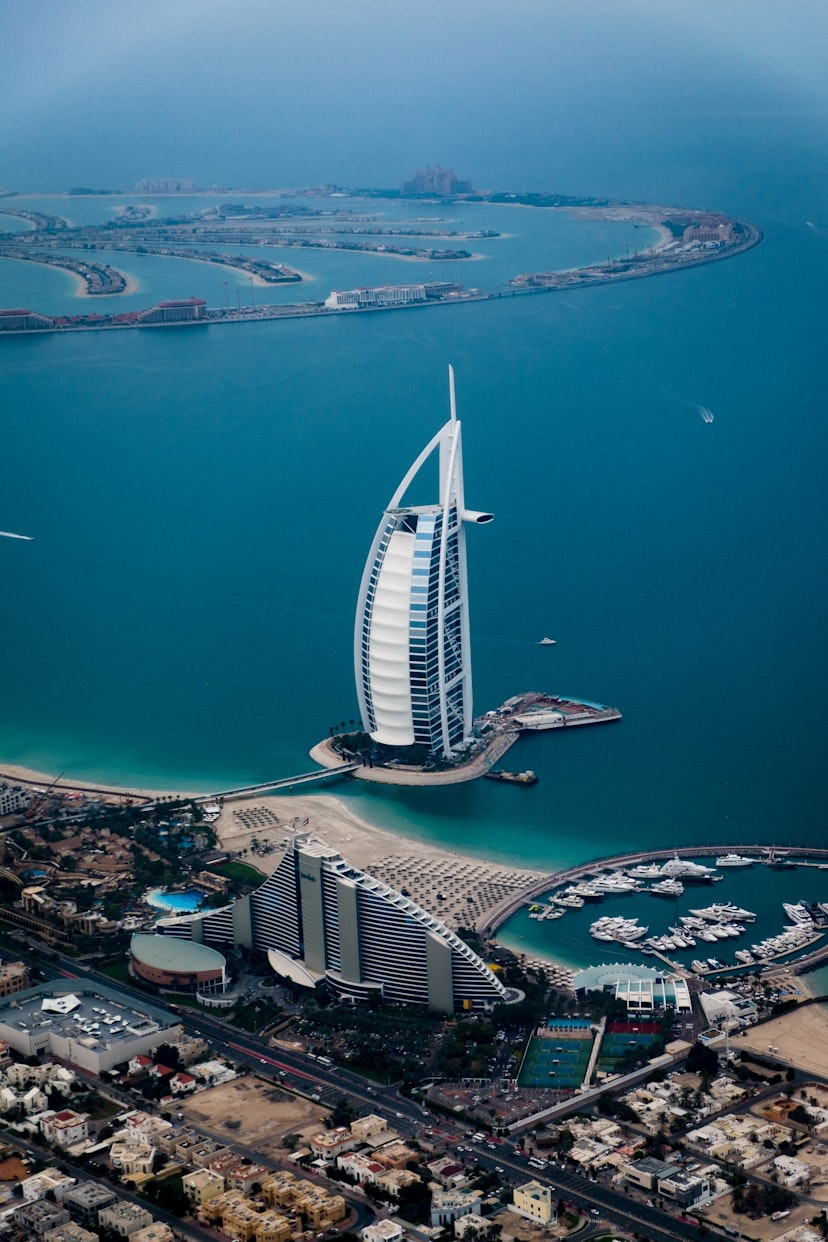
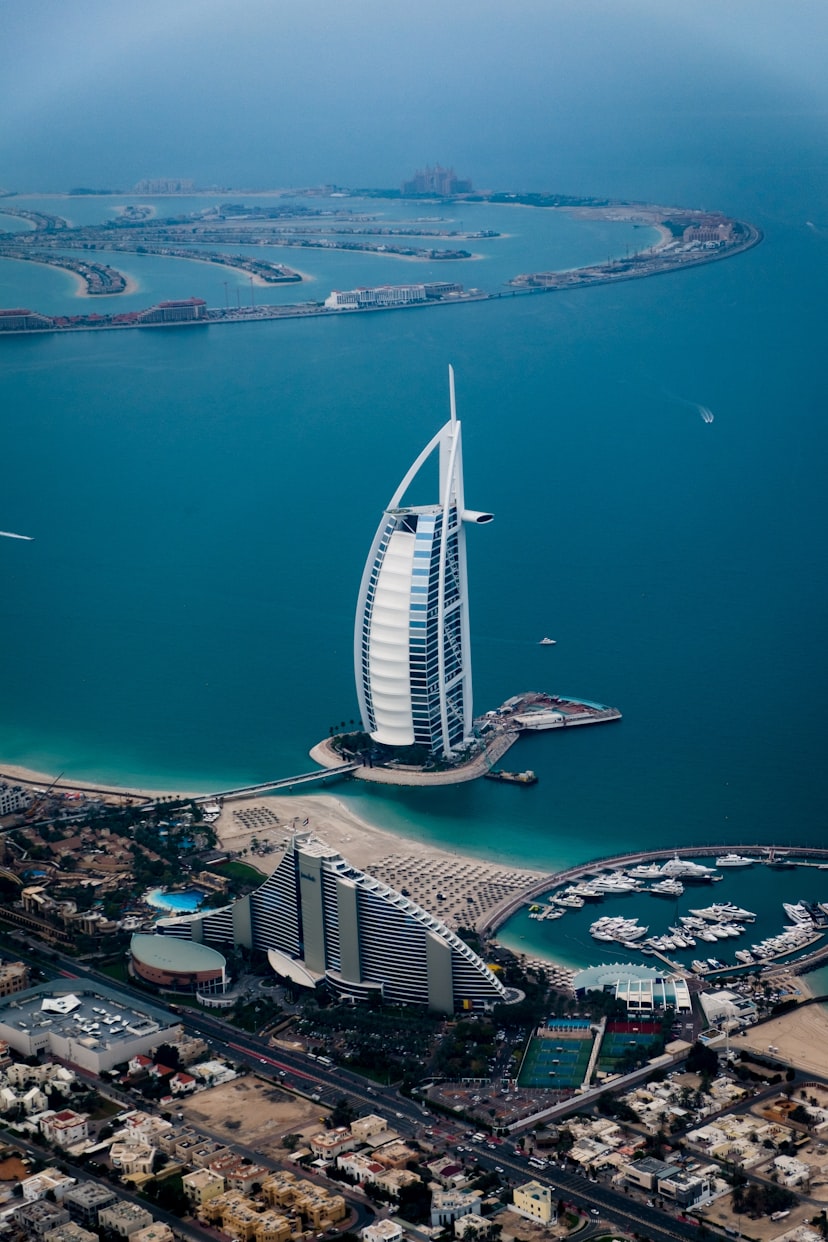
The Palm Jumeirah — that famous palm-shaped artificial island visible from space — is home to Atlantis The Palm, beach clubs, luxury residences, and a monorail that gives you aerial views of this engineering marvel. A speedboat tour around the Palm and the World Islands is one of our most popular excursion add-ons.
No Dubai trip is complete without a Desert Safari. Our packages include the afternoon safari experience: pickup from your hotel, a thrilling 4x4 dune bashing session across the red sand dunes of the Arabian Desert, sandboarding down steep slopes, camel rides at sunset, and finally, a traditional Bedouin-style camp under the stars with a barbecue dinner, henna painting, shisha, belly dancing, and tanoura performances.
For a more exclusive experience, our premium packages offer private morning desert drives, hot air balloon rides over the dunes at sunrise, and overnight glamping in luxury desert camps where the Milky Way is your ceiling. The desert is just forty-five minutes from downtown Dubai, yet it feels like a different planet.
While the modern city dazzles with glass and chrome, Old Dubai has a warmth and character that many visitors find even more memorable. The Gold Souk in Deira is the largest gold market in the world — narrow lanes lined with hundreds of shops displaying everything from delicate chains to statement necklaces at prices significantly below Indian retail. The adjacent Spice Souk fills the air with saffron, cardamom, and frankincense, and the Perfume Souk sells Arabic oud oils that make extraordinary gifts.
Taking an abra (traditional wooden boat) across Dubai Creek costs just one dirham and remains the most atmospheric way to travel between Deira and Bur Dubai. The Al Fahidi Historical Neighbourhood — with its wind-tower houses, art galleries, and the Dubai Museum — tells the story of a city that went from pearl diving to petroleum to global spectacle in three generations.
Dubai is a shopper's paradise with zero sales tax, and the annual Dubai Shopping Festival (January-February) offers discounts of up to 75% across every mall and souk. Beyond Dubai Mall, the Mall of the Emirates has an indoor ski slope (yes, real snow in the desert), and Global Village recreates shopping and entertainment pavilions from 80 countries under one enormous outdoor arena from October to April.
The food scene ranges from INR 200 street shawarmas in Deira to seven-course dinners at restaurants helmed by Gordon Ramsay, Nobu, and Hakkasan. Indian restaurants in Karama and Bur Dubai serve food so authentic that Dubai residents from other communities eat there regularly. Friday brunch — an all-you-can-eat social institution — is one of the best ways to experience Dubai's dining culture at a fixed price.
For entertainment, IMG Worlds of Adventure is the world's largest indoor theme park, Dubai Parks and Resorts is home to theme parks including MOTIONGATE and LEGOLAND Dubai, and La Perle by Dragone is a permanent Cirque-style aquatic show that rivals anything in Las Vegas. The upcoming Dubai Creek Tower and expanding Museum of the Future continue to push boundaries.
Our Dubai tour packages from India start at INR 35,000 per person and scale up to ultra-luxury experiences. Every package includes airport transfers, hotel accommodation, desert safari, city tours, and visa assistance.
Browse our available packages below to find the perfect Dubai holiday. Whether you are chasing skyline views or desert sunsets, bargain gold or Michelin stars, family fun or romantic escapes — Dubai delivers on every front, every time.

What each package costs in total, twin sharing, before flights and the visa fee.
| Package | Duration | Per person | Couple | Family of 4 |
|---|---|---|---|---|
| Dubai Highlights - 4 Nights 5 Days Budget Package from India | 4 Nights / 5 Days | ₹49,999 | ₹99,998 | ₹185,996 |
| Dubai Family Fun - 5 Nights 6 Days Theme Park & Beach Package | 5 Nights / 6 Days | ₹71,999 | ₹143,998 | ₹263,996 |
| Dubai Honeymoon Escape - 5 Nights 6 Days Romantic Package | 5 Nights / 6 Days | ₹79,999 | ₹159,998 | — |
| Dubai & Abu Dhabi Explorer - 6 Nights 7 Days Complete UAE Experience | 6 Nights / 7 Days | ₹87,999 | ₹175,998 | ₹335,996 |
| Luxury Dubai Experience - 5 Nights 6 Days Premium All-Inclusive | 5 Nights / 6 Days | ₹129,999 | ₹259,998 | ₹479,996 |
Skip the planning — reserve entry tickets and passes before you fly
City-specific flights, fares and itineraries from your home airport
Tell us roughly when and how many — our travel expert sends you a custom quote, usually within a few hours.
The golden window. Temperatures sit between 20–28°C, perfect for beach days, desert safaris, and outdoor dining. This is peak season — Dubai Shopping Festival runs in January, and the social calendar is packed with concerts, races, and food festivals.
Shoulder season with warm days around 28–33°C and thinner crowds. Hotel rates start dropping from late March. Still comfortable enough for outdoor sightseeing, and the water temperature is ideal for swimming and watersports.
Temperatures soar above 45°C and humidity is brutal. But hotels slash rates by 40–60%, malls and indoor attractions run special offers, and the city is noticeably quieter. If you can handle the heat between your air-conditioned hotel and air-conditioned mall, there are serious bargains to be had.
Dubai International Airport (DXB) is one of the busiest airports in the world, connected to over 260 destinations. Emirates operates its hub here, alongside flydubai and dozens of international carriers. Terminal 3 is exclusively for Emirates. The Red Line metro runs from the airport to downtown in 20 minutes. Al Maktoum International (DWC) in Dubai South handles some budget carriers.
Well-maintained highways connect Dubai to Abu Dhabi (90 minutes), Sharjah (30 minutes), Oman's Musandam Peninsula (2.5 hours), and the rest of the UAE. Cross-border buses run to Muscat, and long-distance coaches connect to Saudi Arabia. Car rental is straightforward with international licences accepted for up to 6 months.
Dubai Harbour and Port Rashid serve as cruise terminals for lines like MSC, Costa, and AIDA during the winter season. Dubai is a popular repositioning cruise stop between Europe and Asia. The Dubai Water Canal and creek also offer abra (water taxi) crossings within the city.
The world's tallest building at 828 metres. The observation deck on the 124th and 125th floors offers views that stretch to the horizon. Book the sunset slot for the best experience — watching the city light up from 450 metres is worth every dirham of the ticket price.
A rite of passage in Dubai. Most tours include dune bashing in a Land Cruiser, sandboarding, camel rides, a BBQ dinner under the stars, and belly dancing. The Al Marmoom Desert Conservation Reserve offers a more eco-conscious alternative with wildlife spotting and overnight camping.
The world's largest mall by total area — 1,200+ stores, an Olympic-sized ice rink, a 10-million-litre aquarium with walk-through tunnel, and a dinosaur skeleton in the lobby. Even if you're not shopping, the Dubai Fountain show outside erupts every 30 minutes after dark and is completely free.
Cross the creek on a one-dirham abra ride, wander the wind-tower houses of Al Fahidi Historical Neighbourhood, and lose yourself in the Gold Souk and Spice Souk in Deira. This is the Dubai that existed before the skyscrapers — trading dhows, narrow lanes, and the smell of cardamom and oud.
Walk, cycle, or take the monorail along the trunk of the world's largest man-made island. Atlantis The Palm anchors the crescent with its Aquaventure waterpark — the Tower of Neptune slide drops 9 storeys through a shark lagoon. The newer Atlantis The Royal has become Dubai's most photographed hotel.
The Walk at JBR is a 1.7-kilometre beachfront promenade lined with restaurants, cafés, and street performers. Ain Dubai (the world's largest observation wheel at 250 metres) sits on Bluewaters Island just offshore — the 38-minute rotation gives unobstructed views of the Marina skyline.
A 150-metre golden picture frame connecting old and new Dubai. The glass-floored Sky Deck at the top frames the Burj Khalifa on one side and the historic creek district on the other. The museum downstairs charts Dubai's transformation from fishing village to global city in under 50 years.
Dubai's arts district in the Al Quoz industrial area. Converted warehouses house contemporary galleries, independent cinemas, artisanal coffee roasters, and concept stores. Thursday evenings bring exhibition openings, and the vibe is the polar opposite of mall culture — creative, low-key, and genuinely interesting.
Dubai runs on shawarma the way London runs on tea. Spit-roasted chicken or lamb shaved into flatbread with garlic sauce, pickles, and tahini. Al Mallah in Satwa and Aroos Damascus in Deira have been perfecting theirs for decades. A proper shawarma costs AED 8–15 and rivals anything from a AED 500 dinner.
A traditional Emirati dish of wheat and slow-cooked meat, beaten into a smooth, porridge-like consistency and seasoned with ghee and salt. It's comfort food at its most elemental — served during Ramadan and at weddings. Arabian Tea House in Al Fahidi is one of the best places to try authentic Emirati cuisine.
A Lebanese flatbread baked to order and topped with za'atar and olive oil, cheese, or minced lamb. It's the go-to breakfast across Dubai — cheap, fast, and deeply satisfying. Operation Falafel and any small Lebanese bakery near Trade Centre will sort you out for under AED 12.
The Emirati answer to biryani — spiced rice cooked with chicken, lamb, or fish, flavoured with loomi (dried lime), cardamom, and saffron. It's the national dish you won't find in tourist restaurants but will find at Al Fanar in Festival City or Logma in City Walk.
Not a gimmick — camel meat is a genuine part of Gulf cuisine. It's leaner than beef with a slightly gamey flavour. Local Kitchen at Bluewaters Island and Switch Foods both serve camel burgers that even skeptics enjoy. When in Dubai, right?
A Middle Eastern dessert of shredded phyllo pastry layered with sweet cheese, soaked in sugar syrup, and topped with crushed pistachios. The warm, stretchy, crunchy combination is addictive. Firas Sweets in the Gold Souk area has been the go-to for kunafa since the 1990s.
Not a dish, but a Dubai institution. Every Friday, hotels put on all-you-can-eat-and-drink spreads that last 3–4 hours. Bubbalicious at the Westin, Saffron at Atlantis, and Reform Social & Grill are crowd favourites. Prices range from AED 250–600 depending on the venue and drinks package.
Head to the Waterfront Market in Deira, pick your fish fresh from the stalls — hammour, king prawns, lobster — and take it to one of the adjacent restaurants to have it cooked to your specification. Grilled, fried, or curry-style, the whole experience costs a fraction of a restaurant seafood dinner.
The undisputed heavyweight — over 1,200 stores, from Chanel and Louis Vuitton to Zara and H&M. The mall also houses an aquarium, ice rink, VR park, and cinema complex. The three-day Super Sale events (January, May, October) bring discounts of up to 90% at participating stores.
Home to Ski Dubai (yes, an indoor ski slope in the desert), plus 630 stores, Harvey Nichols, Carrefour, and a VOX cinema. Less overwhelming than Dubai Mall and easier to navigate. The fashion outlets on Level 2 are particularly strong.
Hundreds of shops lining narrow lanes, their windows glittering with gold jewellery, diamonds, and precious stones. Dubai has some of the lowest gold prices in the world — the gold itself is priced by international rates, and you negotiate only the making charge. Carry cash for the best deals.
Adjacent to the Gold Souk in Deira, these covered markets overflow with saffron, cardamom, frankincense, dried rose petals, and traditional Arabian perfume oils (attar). Prices are a fraction of supermarket rates. A bag of high-grade saffron that costs AED 200 in a mall goes for AED 50 here.
Open from October to April, this seasonal outdoor market brings together pavilions from 90+ countries selling handicrafts, textiles, food, and souvenirs. It's part theme park, part world fair, part night market — AED 25 entry gets you access to the entire grounds. Go on a weeknight to avoid the weekend crush.
Year-round discounts of 30–90% on brands like Nike, Adidas, Coach, Michael Kors, and Tommy Hilfiger. Located near Al Ain Road, it's about 25 minutes from downtown. Less glamorous than the flagship malls, but the savings are real and the crowds are thinner.
The Dubai Metro is clean, cheap, and covers most tourist areas. A red Nol card costs AED 6 and can be topped up at any station. The Gold Class cabin at the front of each train is worth the small surcharge for the panoramic views through the driver's window.
Dubai is liberal by Gulf standards, but it's still a Muslim country. Dress modestly in malls and public spaces (cover shoulders and knees). Public displays of affection beyond hand-holding can attract fines. During Ramadan, eating, drinking, and smoking in public during daylight hours is prohibited.
You can drink in hotel bars, restaurants, and licensed clubs, but not on the street or in public parks. Supermarkets don't sell alcohol — you need a liquor licence or a trip to MMI or African + Eastern stores. Being visibly drunk in public is a criminal offence.
Dubai's desalinated tap water meets international safety standards. Most people prefer bottled water for taste. A 1.5L bottle costs AED 1–2 at any grocery store. Stay seriously hydrated in summer — heat exhaustion creeps up fast.
The RTA Dubai app covers metro schedules, bus routes, and marine transit. Careem (now owned by Uber) is the dominant ride-hailing app — it's often cheaper than Uber in Dubai and more widely accepted by drivers. Both accept card payment.
Bargaining is expected at the Gold Souk, Spice Souk, and Textile Souk in Deira and Bur Dubai. Start at 40–50% of the asking price and negotiate from there. Mall prices are fixed. Gold prices are regulated, but the making charge is negotiable.
From June to September, outdoor activity between 11am and 4pm is genuinely dangerous. Schedule desert excursions, beach visits, and Old Dubai walks for early morning or after sunset. Malls, indoor ski slopes, and aquariums were invented for Dubai summers.
A 10% service charge is often added to restaurant bills, but waitstaff still appreciate an extra AED 10–20 for good service. Tip taxi drivers by rounding up, and AED 5–10 per bag for hotel porters. It's not mandatory, but it's the done thing.
Dubai's population has grown from 59,000 in 1960 to over 3.5 million today — roughly 85% of residents are expatriates.
The Burj Khalifa is so tall (828 metres) that residents on upper floors see the sunset a full two minutes after people at ground level.
Dubai has no income tax, no property tax, and no capital gains tax — one of the key reasons it attracts businesses and talent from around the world.
The Palm Jumeirah added 78 kilometres of coastline to Dubai when it was built, using 94 million cubic metres of sand.
Dubai Metro is fully driverless and spans about 90 kilometres across its Red and Green lines, with the Blue Line under construction.
The Dubai Miracle Garden contains over 150 million flowers across 72,000 square metres — it's the world's largest natural flower garden.
Only about 15% of Dubai's population are Emirati nationals. The rest come from over 200 different countries.
Dubai Police operate a fleet of supercars including Lamborghinis, Ferraris, Bugattis, and Aston Martins for highway patrol.
The Dubai Frame was originally designed by an architect who entered a competition in 2008 — but the project was built without his involvement, leading to a long-running intellectual property dispute.
Indoor skiing at Mall of the Emirates maintains a temperature of -1°C year-round, even when it's 50°C outside.
Dubai's Jebel Ali Port is the largest man-made harbour in the world and the busiest port between Rotterdam and Singapore.
The address "1 Sheikh Mohammed bin Rashid Boulevard" belongs to the Burj Khalifa — it was formerly known as Burj Dubai until the Abu Dhabi bailout during the 2009 financial crisis.
The UAE offers visa-free or visa-on-arrival entry to citizens of over 70 countries. Passport holders from GCC states, EU nations, the US, UK, Canada, Australia, and most developed nations receive a 30 or 90-day visa stamp on arrival at no cost.
Indian citizens must apply for a UAE tourist visa before travel. The most common option is a 30-day single-entry visa, which can be applied for online through approved travel agencies, airlines (Emirates and flydubai offer visa services), or the ICA Smart Services portal. Processing takes 3–5 working days. The government fee for a 30-day tourist visa is AED 200 plus 5% VAT (60-day: AED 300); agencies add their own service charge. Transit visas of 48 hours (free) or 96 hours (AED 50) are also available for layovers, applied for through a UAE-based airline.
Tourist visas can be extended once for an additional 30 days through GDRFA (General Directorate of Residency and Foreigners Affairs). The extension costs around AED 600. Alternatively, many travellers do an "Oman border run" — driving to the Oman border and re-entering the UAE for a fresh visa stamp.
Budget hotels and hostels in Deira and Bur Dubai start at AED 100–200. Mid-range hotels in the Marina and Business Bay average AED 300–600. Iconic stays at Burj Al Arab, Atlantis, and Address Downtown start around AED 1,500–3,000.
Shawarma and street food costs AED 10–20. Casual restaurants average AED 40–80. Mid-range dining at the Marina or Downtown runs AED 100–200. Friday brunch at a five-star hotel costs AED 250–600 including drinks.
Metro fares are AED 3–8 per trip. Taxis start at AED 12 (AED 5 flag fall + distance). A Careem/Uber ride from downtown to the Marina costs AED 20–35. Car rental starts at AED 80/day but parking in tourist areas can be tricky.
Dubai Fountain, JBR Beach, and souk walks are free. Burj Khalifa observation deck costs AED 149–399. Dubai Frame is AED 50. Atlantis Aquaventure runs AED 349. Desert safaris start at AED 150 per person.
Tourist SIM cards from du or Etisalat are available at the airport and malls. A 7-day plan with 5–10GB data costs AED 50–100. Note: VoIP services (WhatsApp calls, FaceTime) are blocked in the UAE — you'll need a local calling plan.
Budget hotel, street food and food courts, metro travel, and free attractions. Dubai is more expensive than Southeast Asia, but smart choices — especially during summer deals — keep costs manageable.
A solid 4-star hotel, mix of casual and upscale dining, taxis for longer trips, and 1–2 paid attractions per day. This covers the classic Dubai experience without five-star excess.
Browse our curated packages and find your perfect trip.