
Loading
The Philippines is Southeast Asia's best-kept secret for Indian travellers — a tropical archipelago of 7,641 islands offering pristine white sand beaches, turquoise lagoons, world-class diving, and some of the warmest hospitality on the planet. Our Philippines tour packages are crafted for Indian families, couples, and adventure seekers looking for an island paradise that rivals the Maldives at a fraction of the cost.
The Philippines is rapidly becoming a favourite among Indian tourists, and the reasons are compelling. English is spoken fluently by nearly everyone — it is one of the two official languages — so communication is never a barrier. Indian passport holders enjoy visa-free entry for 14 days, eliminating the paperwork that other Southeast Asian destinations require. The food is flavourful and familiar enough for Indian palates, with rice-based meals, grilled meats, and tropical fruits available everywhere.
What truly sets the Philippines apart is the sheer variety of experiences packed into its islands. In a single week, you can snorkel with whale sharks in Cebu, kayak through hidden lagoons in Palawan, party on the white sands of Boracay, explore centuries-old Spanish colonial churches in Manila, and wake up in a bamboo hut perched over crystal-clear water — all without breaking the bank. The Philippines offers the kind of island fantasy that influencers stage but rarely find in real life.
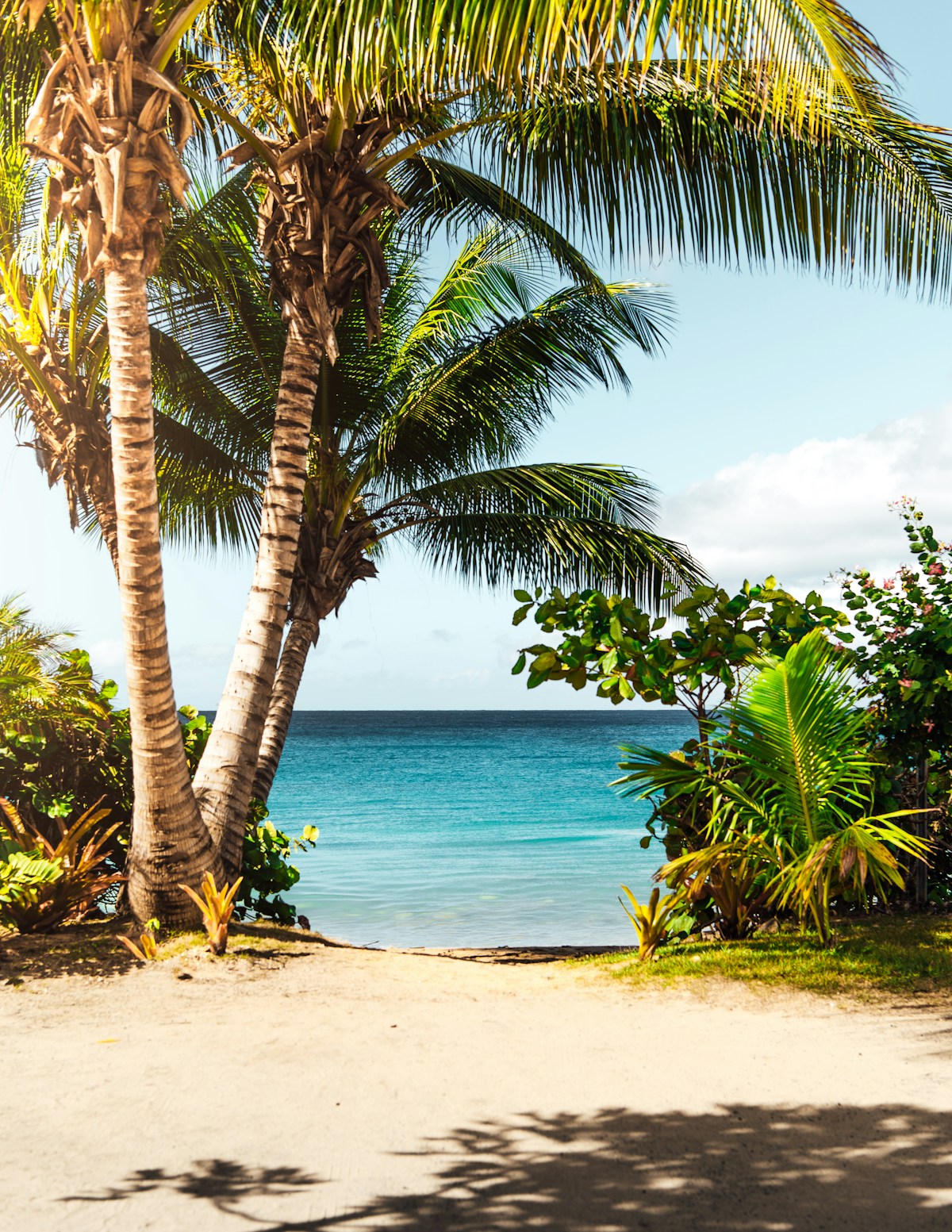
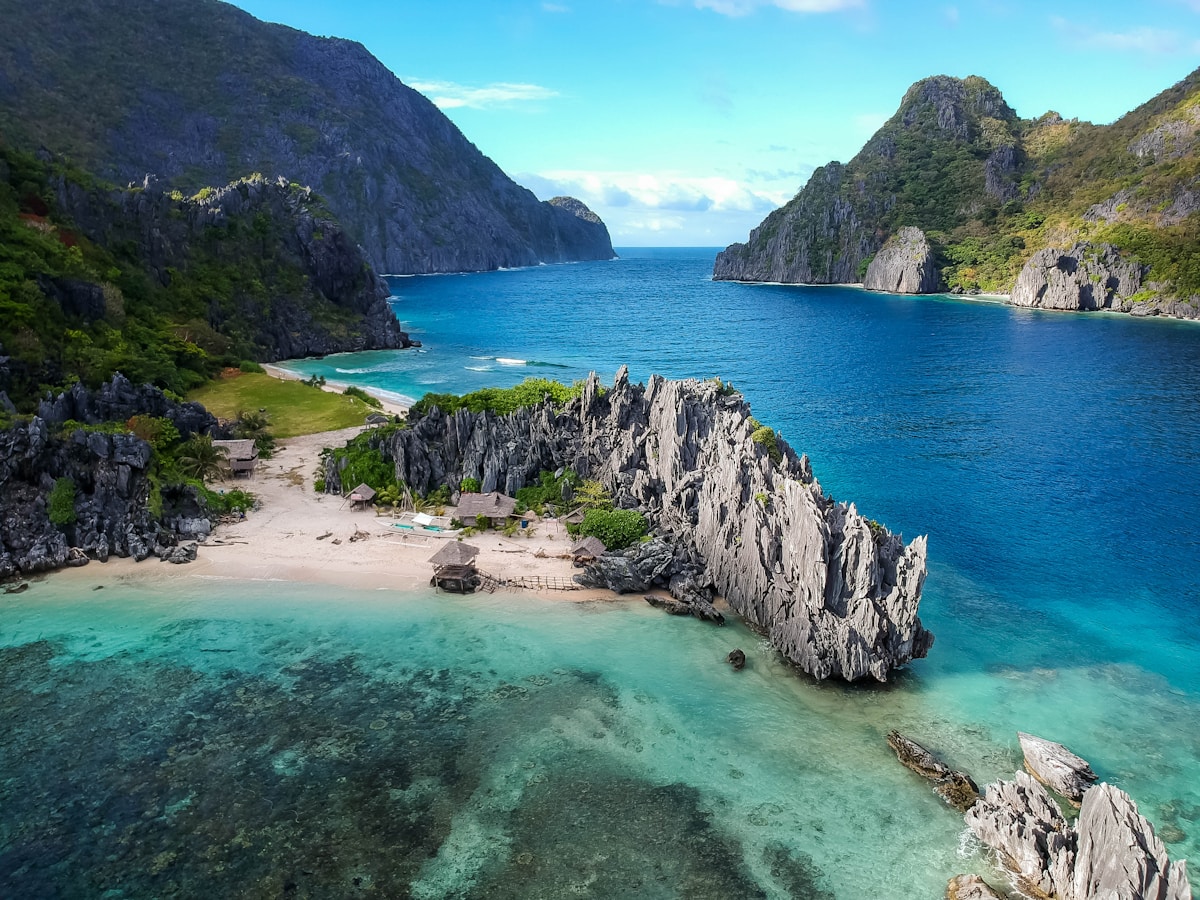
Every Philippines tour package we offer covers the essential island experiences that define this country. Palawan has been voted the world's best island multiple times by Travel + Leisure and Condé Nast Traveler, and one visit to El Nido will show you why. Towering limestone cliffs rise from waters so clear you can see the coral ten metres below. The island-hopping tours through the Big and Small Lagoons, Secret Beach, and Shimizu Island are the kind of experiences that redefine what you thought a beach holiday could be.
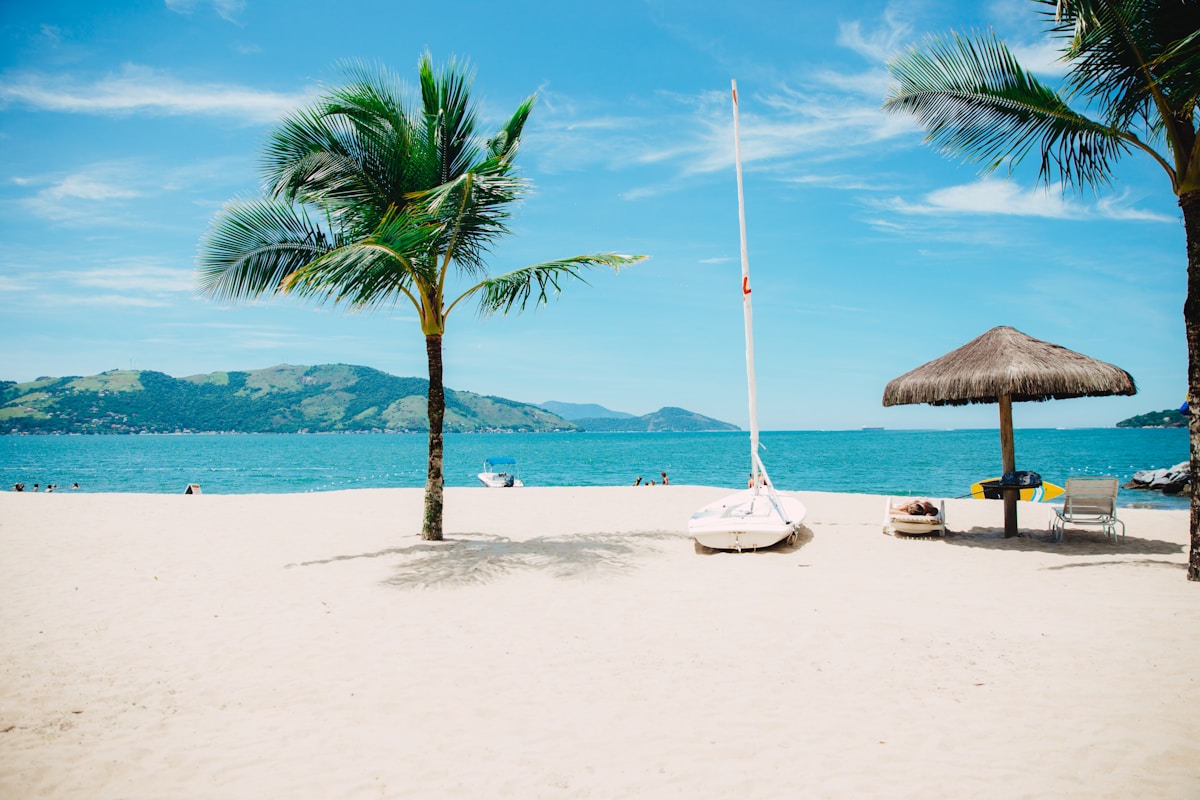
Boracay is the Philippines' most famous beach destination. Its 4-kilometre White Beach regularly features in global top-ten lists — the sand is powdery fine, the sunsets are legendary, and the beachfront buzzes with restaurants, bars, and water sports from parasailing to helmet diving. After a major rehabilitation in 2018, Boracay is cleaner and more stunning than ever. Our honeymoon packages include sunset sailing on a traditional paraw boat and private beachfront dining.
Cebu is the adventure capital of the Philippines. The Kawasan Falls canyoneering experience — jumping off cliffs, swimming through canyons, and rappelling down waterfalls — is consistently rated one of the best adventure activities in Southeast Asia. Off the coast of Oslob, you can swim alongside whale sharks, the gentle giants of the ocean. And the historic Cebu City offers a glimpse into 400 years of Spanish colonial heritage, from Magellan's Cross to the Basilica del Santo Niño.
Filipino cuisine is hearty, flavourful, and built around rice — something every Indian traveller will appreciate. The national obsession with sweet, sour, and savoury combinations produces dishes that are surprisingly easy for Indian palates to enjoy. Adobo, the unofficial national dish — chicken or pork braised in vinegar, soy sauce, garlic, and bay leaves — is comfort food at its finest.
Lechon (whole roasted pig) is a celebration staple that rivals any tandoori preparation for smoky, crispy-skinned perfection. Sinigang, a sour tamarind soup loaded with vegetables and pork or shrimp, shares the tangy soul of Indian rasam. Street food is abundant and affordable — try isaw (grilled chicken intestines), balut (for the adventurous), or the sweet and creamy halo-halo shaved ice dessert that is essential in the tropical heat.
For Indian vegetarians, the Philippines is manageable though not as easy as Singapore or Malaysia. Rice, tropical fruits, and vegetable dishes are available everywhere. In Manila and Cebu, Indian restaurants serve familiar food. Our packages can accommodate vegetarian and Jain dietary requirements with advance notice.
Air India flies nonstop from Delhi to Manila five times a week (about 6 hours); from other Indian cities, the most popular connections are through Singapore, Kuala Lumpur, Bangkok, and Hong Kong, with total journey times of 8 to 12 hours depending on the layover. Return flights from major Indian cities typically cost between INR 18,000 and INR 35,000 depending on the season and airline.
The Philippines offers visa-free entry for Indian passport holders for up to 14 days (non-extendable) — just show up with a valid passport (minimum 6 months validity), a return ticket, and proof of accommodation. This is a significant advantage over destinations like Indonesia where Indians need a visa or visa-on-arrival. The best time to visit is during the dry season from November to May, with December to February being the sweet spot for comfortable temperatures and minimal rain.
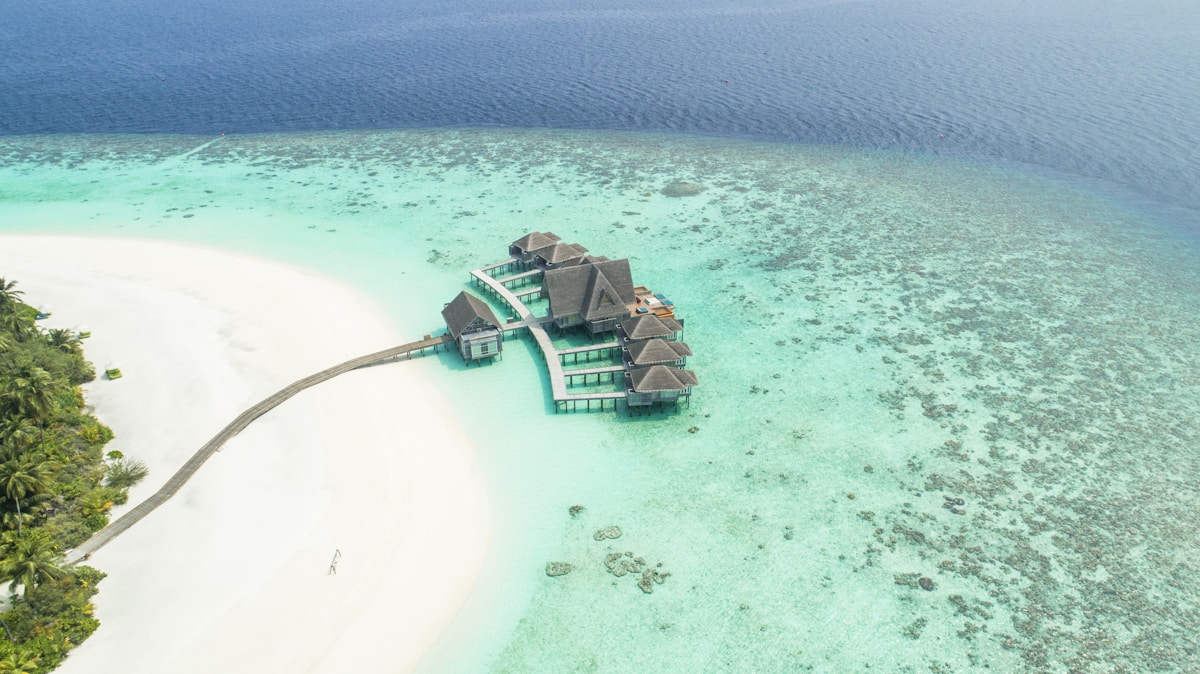
The Philippine Peso (PHP) is worth more than the Indian Rupee — roughly 1 PHP = INR 1.53 — but local prices are low, so the Philippines stays very affordable for Indian travellers. A full meal at a local restaurant costs INR 150-300, a cold San Miguel beer is about INR 80-120, and even beachfront accommodation on Boracay can be found for INR 2,000-3,000 per night during off-peak months.
We offer Philippines tour packages starting from INR 35,000 per person for budget travellers, going up to luxury island-hopping experiences with overwater villas, private boats, and diving certifications. Browse our packages to find one that fits your style:
The Philippines rewards those who venture beyond the famous beaches. Bohol is home to the surreal Chocolate Hills — over 1,200 perfectly conical hills that turn brown in the dry season — and the tiny Philippine tarsier, one of the world's smallest primates with enormous saucer-like eyes. Siargao, the surfing capital of the Philippines, offers Cloud 9, one of the most photographed waves in Asia, along with hidden rock pools, mangrove forests, and a laid-back island vibe.
Coron in northern Palawan is a diver's paradise with crystal-clear freshwater lakes, Japanese WWII shipwrecks lying in shallow water, and the stunning Kayangan Lake, often called the cleanest lake in the Philippines. Batad in the Cordillera mountains features 2,000-year-old rice terraces carved into the mountainside by indigenous Ifugao people — a UNESCO World Heritage Site that rivals anything in Bali.
For official travel advisories and entry requirements, check the Philippine Bureau of Immigration website. The Philippine Department of Tourism publishes island guides, festival calendars, and sustainable tourism initiatives.
Whether you are chasing pristine beaches, underwater adventures, mountain trails, or cultural immersion — the Philippines delivers experiences that punch far above their price tag. Browse our packages below, and let us handle the logistics while you focus on discovering paradise.
What each package costs in total, twin sharing. Some of these packages include return airfare from India and some do not — check the inclusions on each package.
| Package | Duration | Per person | Couple | Family of 4 |
|---|---|---|---|---|
| Cebu & Bohol Adventure - 5 Nights 6 Days Philippines Thrills & Nature | 5 Nights / 6 Days | ₹65,999 | ₹131,998 | ₹245,996 |
| Romantic Boracay Honeymoon — 5 Nights Philippines Beach Escape | 5 Nights / 6 Days | ₹79,999 | ₹159,998 | ₹294,996 |
| Philippines Family Explorer - 7 Nights 8 Days Manila, Cebu & Boracay | 7 Nights / 8 Days | ₹89,999 | ₹179,998 | ₹339,996 |
| El Nido Palawan Paradise - 5 Nights 6 Days Premium Philippines Island Escape | 5 Nights / 6 Days | ₹99,999 | ₹199,998 | ₹379,996 |
Tell us roughly when and how many — our travel expert sends you a custom quote, usually within a few hours.
The best time to visit with comfortable temperatures of 25–30°C and minimal rainfall. Christmas and New Year bring festive vibes to Manila and Boracay. Ideal for island hopping, diving, and outdoor exploration across all major destinations.
Hot and sunny with temperatures reaching 32–36°C. Perfect for beach holidays in Boracay and Palawan. Holy Week (March/April) is peak domestic travel season — book early. The Ati-Atihan and Sinulog festivals light up Kalibo and Cebu in January.
The southwest monsoon brings rain and occasional typhoons, especially to Luzon and the Visayas. However, Palawan and Mindanao remain relatively dry. Prices drop significantly, crowds thin out, and the landscapes are lush and green. Budget travellers will find the best deals during this period.
Ninoy Aquino International Airport (NAIA) in Manila and Mactan-Cebu International Airport are the main international gateways. From India, fly nonstop Delhi–Manila on Air India, or connect through Singapore (Singapore Airlines/Scoot), Kuala Lumpur (AirAsia), Bangkok (Thai AirAsia), or Hong Kong (Cebu Pacific). Budget carriers Cebu Pacific and Philippine Airlines connect major domestic islands with flights from PHP 1,000 one-way.
Inter-island ferries are a popular and affordable way to travel between Philippine islands. 2GO Travel operates routes between Manila, Cebu, Boracay (Caticlan), Palawan (Puerto Princesa), and Mindanao. FastCraft ferries connect Cebu to Bohol in just 2 hours. Island-hopping boats (bangkas) are the standard for short transfers.
Within each island, buses, vans, and jeepneys form the backbone of land transport. Air-conditioned buses connect Manila to Baguio (5 hours), Batangas Port (2 hours), and other Luzon destinations. In Cebu, V-Hire vans run between the city and Moalboal, Oslob, and other coastal towns. Grab ride-hailing works in Manila and Cebu.
With 7,641 islands spread across 1,850 kilometres, flying between island groups is often the fastest option. Cebu Pacific, Philippine Airlines, and AirSWIFT connect Manila and Cebu to Boracay (Caticlan), El Nido, Coron (Busuanga), Siargao, and Bohol (Tagbilaran). Book domestic flights early — prices rise sharply closer to travel dates.
Explore the stunning limestone archipelago of Bacuit Bay on guided boat tours. Tour A covers the Big and Small Lagoons and Secret Lagoon. Tour C takes you to Hidden Beach and Helicopter Island. Crystal-clear water, dramatic karst cliffs, and snorkelling over vibrant coral reefs make this a bucket-list experience.
Sink your toes into four kilometres of powdery white sand lapped by calm turquoise waters. Spend mornings swimming, afternoons parasailing or helmet diving, and evenings watching legendary sunsets with a mango shake in hand. The beachfront bars and restaurants keep the energy going well past midnight.
The ultimate Philippine adventure — trek through the canyons of Badian in southern Cebu, jumping off cliffs into deep blue pools, swimming through narrow gorges, and rappelling down cascading waterfalls. The 3-to-4 hour guided experience ends at the iconic three-tiered turquoise Kawasan Falls.
Wade into the shallow waters off Oslob, Cebu, and swim alongside the largest fish on earth. These gentle whale sharks (locally called butanding) congregate here daily, offering an awe-inspiring close-up encounter. Arrive early — tours start at 6am and the best light is before 9am.
Visit Bohol's twin wonders — the surreal Chocolate Hills (1,268 grass-covered limestone mounds that turn brown in summer) and the Philippine Tarsier Sanctuary where you can observe one of the world's smallest primates in their natural forest habitat. Combine with the Loboc River cruise for a full day.
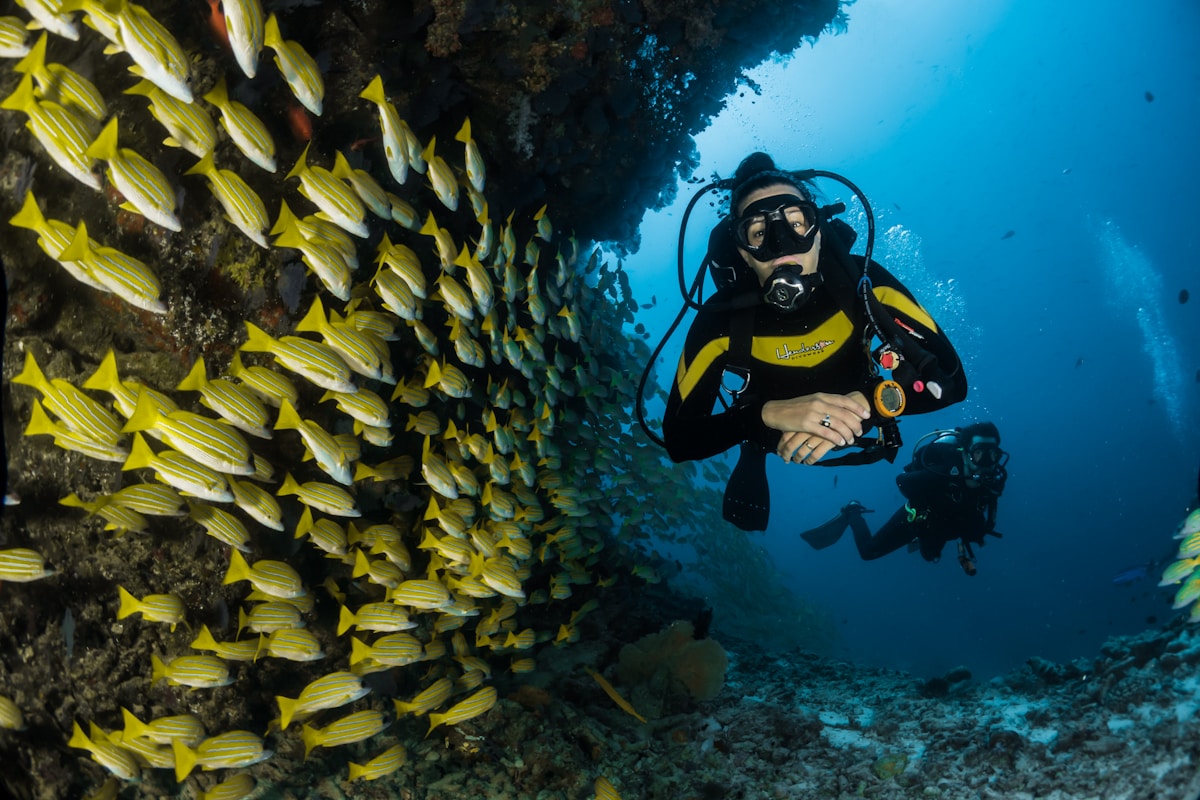
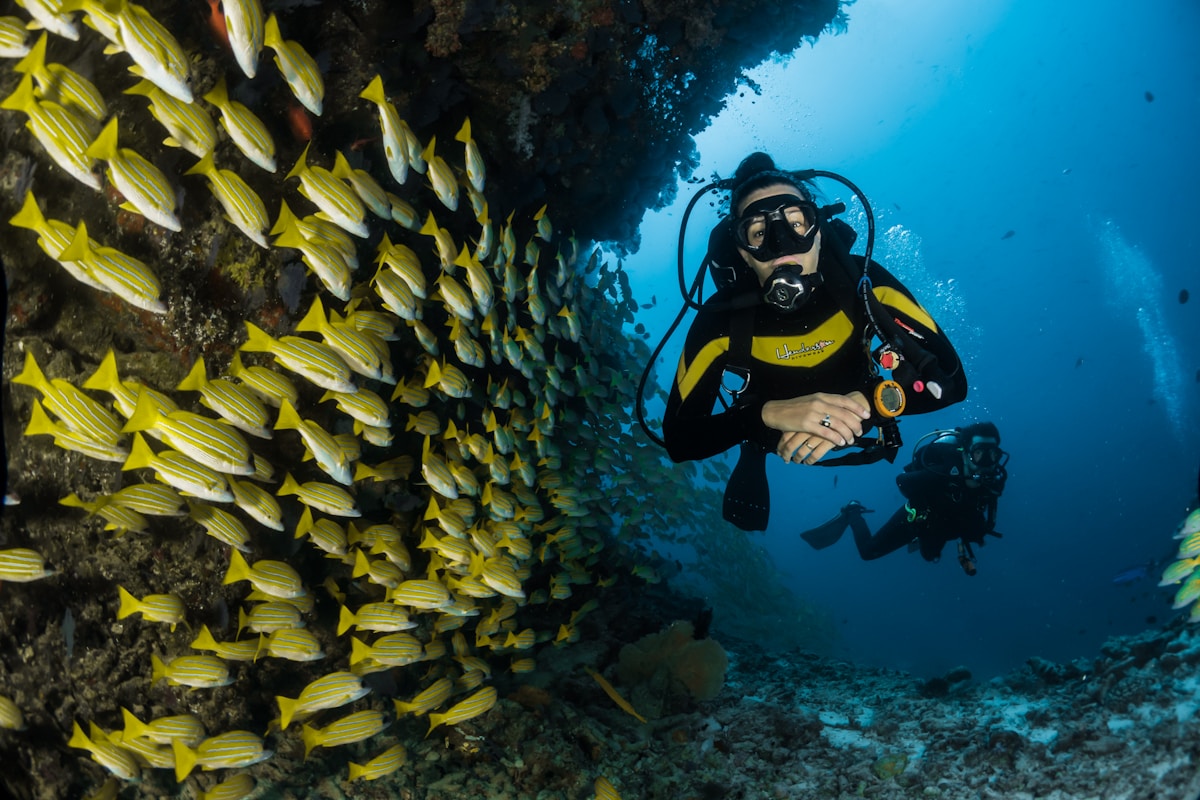
Dive into history at Coron Bay, where a dozen Japanese WWII supply ships lie in shallow, warm waters. The Skeleton Wreck and Irako are accessible even for beginners, while the Akitsushima offers advanced divers a stunning underwater cathedral. Between dives, swim in the emerald waters of Kayangan Lake.
Step back 400 years in Manila's walled city, built by the Spanish in the 16th century. Explore Fort Santiago where national hero José Rizal was imprisoned, visit the ornate San Agustin Church (UNESCO World Heritage), and ride a bamboo bicycle through cobblestoned streets lined with colonial-era architecture.
Catch waves at Cloud 9, the Philippines' most famous surf break, or take beginner lessons on gentler beach breaks nearby. Between surf sessions, explore the Magpupungko rock pools at low tide, paddle through the Del Carmen mangrove forest, and hop between the tiny islands of Naked, Daku, and Guyam.
The unofficial national dish — chicken or pork braised in vinegar, soy sauce, crushed garlic, bay leaves, and black peppercorns until the meat is fall-off-the-bone tender and the sauce is thick and glossy. Every Filipino family has their own recipe, and every version is worth trying.
A whole pig roasted slowly over charcoal until the skin is impossibly crispy and the meat is juicy and fragrant with lemongrass and herbs. Cebu lechon is considered the best in the country — the late Anthony Bourdain called it "the best pig ever." Available at Zubuchon and CnT in Cebu City.
A sour soup made with tamarind, tomatoes, and your choice of pork belly, shrimp, or fish, loaded with vegetables like kangkong (water spinach), radish, and green beans. The tangy, warming broth will remind Indian travellers of rasam, and it pairs perfectly with steamed rice.
A rich peanut-based stew with oxtail, tripe, and vegetables including eggplant, string beans, and banana blossom. Served with bagoong (fermented shrimp paste) on the side. The nutty, savoury depth of this dish makes it a favourite among Indian visitors who enjoy complex flavour profiles.
The ultimate Filipino dessert — shaved ice layered with sweetened beans, jellies, coconut strips, purple yam (ube) ice cream, leche flan, and evaporated milk. Mix it all together (halo-halo means "mix-mix") for a refreshing, colourful treat that is essential on a hot Philippine afternoon.
Chopped pig face and ears sizzled on a hot plate with onions, chillies, calamansi lime, and a raw egg cracked on top. Originating from Pampanga, this crispy-creamy-tangy dish is the ultimate Filipino bar food and pairs brilliantly with an ice-cold San Miguel Pale Pilsen.
Filipino spring rolls — lumpiang shanghai (fried, meat-filled) and lumpiang sariwa (fresh, vegetable-filled with peanut sauce). Found at every gathering, street corner, and restaurant in the country. The fresh version is surprisingly similar to Vietnamese spring rolls and is perfect for vegetarian travellers.
Not a dish but a dining experience — a communal feast where grilled seafood, meats, rice, and vegetables are spread on banana leaves across a long table, and everyone eats with their hands. Originally a military tradition, boodle fights are now offered at beachside restaurants across the islands.
One of the largest malls in Asia, located on Manila Bay. Over 600 stores, an IMAX theatre, an Olympic-sized ice rink, and a bayside boardwalk with sunset views. International and local brands at prices significantly lower than Singapore or Dubai. The annual three-day sale in June offers discounts up to 70%.
Manila's sprawling wholesale market is where locals buy everything at rock-bottom prices. Clothing, fabrics, accessories, and souvenirs cost a fraction of mall prices. Haggling is essential and expected. Go early morning, leave valuables at the hotel, and bring a large bag — you will buy more than planned.
Famous for its tiangge (market stalls) selling everything from pearl jewellery and leather goods to electronics and clothing. This is the place for locally made pearls — South Sea and freshwater pearls at prices dramatically lower than international markets. Bargain hard for the best deals.
The commercial heart of Boracay's White Beach area. A mix of souvenir shops, beachwear stores, restaurants, and bars spread along winding open-air paths. Pick up hand-painted island art, woven bags, coconut shell crafts, and custom-made beach sandals. Prices are tourist-marked but reasonable by international standards.
Cebu City's oldest and largest public market is a sensory overload of dried mangoes, local delicacies, tropical fruits, and handcrafted guitars (Cebu is famous for its handmade acoustic guitars). Stock up on dried mangoes — Philippine dried mangoes are considered the best in the world.
Found inside SM malls, Kultura curates the best Filipino-made products — handwoven textiles, capiz shell home décor, wooden crafts, local food products, and fashion. It is the easiest one-stop shop for quality souvenirs at fixed prices, no haggling required.
Filipino time runs on a relaxed schedule. Boats may depart late, transfers may take longer than quoted, and things generally move at island pace. Build buffer time into your itinerary — an hour either side of any transfer — and embrace the slower rhythm rather than fighting it.
While Manila and Cebu City have ATMs everywhere, smaller islands and beach towns often have limited banking. Withdraw enough pesos before heading to Boracay, El Nido, Siargao, or Coron. Many island establishments are cash-only, and ATM lines during peak season can be frustratingly long.
Grab works for ride-hailing in Manila and Cebu and saves you from haggling with taxi drivers. GCash is the Philippines' dominant mobile wallet — once loaded, you can pay at convenience stores, restaurants, and even some island tour operators. Load it at any 7-Eleven or GCash partner.
The Philippines has strict environmental regulations at many marine sanctuaries. Regular sunscreen containing oxybenzone and octinoxate damages coral reefs. Bring reef-safe sunscreen from India — it is harder to find and expensive locally. Many island-hopping operators now check before allowing snorkelling.
Cebu Pacific and Philippine Airlines run frequent promotions (piso sales) where domestic flights cost as little as PHP 1. Even at regular prices, booking 2 to 3 months ahead gets you fares under PHP 2,000 one-way. Last-minute island flights can cost 5 to 10 times more.
Globe or Smart SIM cards cost PHP 40 and data packages are cheap — PHP 99 for 2GB valid for 7 days. Buy at the airport or any sari-sari store. Coverage is excellent in tourist areas but spotty in remote islands. Download offline maps before heading to less developed destinations.
Do not touch, stand on, or take coral. Maintain a safe distance from whale sharks (no touching, no flash photography). Many marine sanctuaries charge small environmental fees (PHP 50 to 200) that fund conservation. The Philippines takes marine protection seriously — fines for violations are steep.
The tropical sun is intense, especially on open boats during island hopping. Drink at least 3 litres of water daily, wear a hat and UV-protective rash guard, and apply sunscreen every 2 hours. Heat exhaustion is common among tourists who underestimate the Philippine sun.
The Philippines is the only country in Asia where Christianity is the dominant religion — over 80% of the population is Roman Catholic, a legacy of 333 years of Spanish colonisation.
With 7,641 islands, the Philippines has the fifth-longest coastline in the world — longer than the United States.
The Philippine Eagle, the national bird, is the largest eagle in the world by wing surface area and is critically endangered with fewer than 800 remaining.
Filipinos send more text messages per day than any other country — earning the Philippines the title "texting capital of the world."
The Banaue Rice Terraces in Ifugao are over 2,000 years old and were carved into the mountains by the indigenous Ifugao people using only hand tools. If laid end to end, they would circle half the globe.
The Philippines was the first country in Southeast Asia to gain independence, declared on June 12, 1898.
Jeepneys — colourfully decorated extended jeeps — are the most popular form of public transport and are considered the king of the Philippine road.
The Puerto Princesa Underground River in Palawan is one of the New 7 Wonders of Nature and features an 8.2-kilometre navigable underground river through a limestone cave.
The Philippines has the highest rate of social media usage in the world, with Filipinos spending an average of 4+ hours daily on platforms like Facebook and TikTok.
Taal Volcano, one of the world's smallest active volcanoes, sits on an island within a lake within an island within a lake — a rare geological inception.
The Philippine tarsier, found in Bohol, is one of the smallest primates in the world — small enough to fit in the palm of your hand.
Filipinos celebrate the longest Christmas season in the world — festivities begin in September (the start of the "ber" months) and run through the first week of January.
The Philippines offers visa-free entry to passport holders from over 150 countries. Indian citizens can enter visa-free for up to 14 days (non-extendable) — one of the easiest entry policies in Southeast Asia for Indian travellers. No prior application, no agent, no fees — just arrive with the right documents and your passport gets stamped.
Indian citizens get 14-day visa-free access to the Philippines (since 8 June 2025). This stay cannot be extended or converted to another visa, so plan your trip to fit within 14 days. Indians holding a valid visa or residence permit from the USA, Japan, Australia, Canada, a Schengen state, Singapore or the UK can stay visa-free for 30 days instead, which is also non-extendable.
Most nationalities enjoy visa-free access to the Philippines. However, nationals from certain countries — including Afghanistan, Bangladesh, Iran, Iraq, Pakistan, Syria, and select African nations — must apply for a visa before travelling. Applications are submitted through the Philippine embassy or consulate in the home country.
Hostels and guesthouses on Boracay and El Nido start at PHP 500–1,000. Mid-range beachfront resorts average PHP 2,500–5,000. Luxury resorts like El Nido Lagen Island or Shangri-La Boracay run PHP 10,000–25,000+. Off-peak rates (June–October) can be 40–60% cheaper.
Local carinderias (canteens) serve full meals for PHP 100–200. Mid-range restaurants average PHP 300–600 per person. Beachfront dining on Boracay or El Nido runs PHP 500–1,500. Street food snacks cost PHP 20–50 each. A cold San Miguel beer is PHP 50–80 everywhere.
Jeepneys cost PHP 13 base fare. Tricycles run PHP 50–150 per trip. Inter-island ferries range from PHP 200–800. Domestic flights cost PHP 1,000–4,000 if booked early. Island-hopping boat tours (full day) run PHP 1,200–1,800 per person including lunch. Grab rides in Manila average PHP 100–300.
Beach access is free almost everywhere. Island-hopping tours cost PHP 1,200–1,800. Kawasan canyoneering runs PHP 2,000–2,500 including transfers. Whale shark encounters cost PHP 1,000. Scuba diving starts at PHP 2,500 per dive. Many waterfalls and viewpoints charge just PHP 20–50 entrance.
A Globe or Smart SIM card costs PHP 40. Data packages range from PHP 50 (1GB/3 days) to PHP 299 (8GB/30 days). Free Wi-Fi is available at most hotels, cafés, and malls. Purchase at the airport or any sari-sari store or 7-Eleven across the country.
Staying in hostels or fan rooms, eating at local carinderias, using public transport, and visiting free beaches. The Philippines is one of Southeast Asia's most affordable destinations — comparable to Vietnam and cheaper than Thailand for most activities.
Comfortable air-conditioned resort rooms, a mix of local and restaurant dining, island-hopping tours, paid activities, and occasional domestic flights. This covers most travellers who want comfort and the full island-hopping experience.



Browse our curated packages and find your perfect trip.