

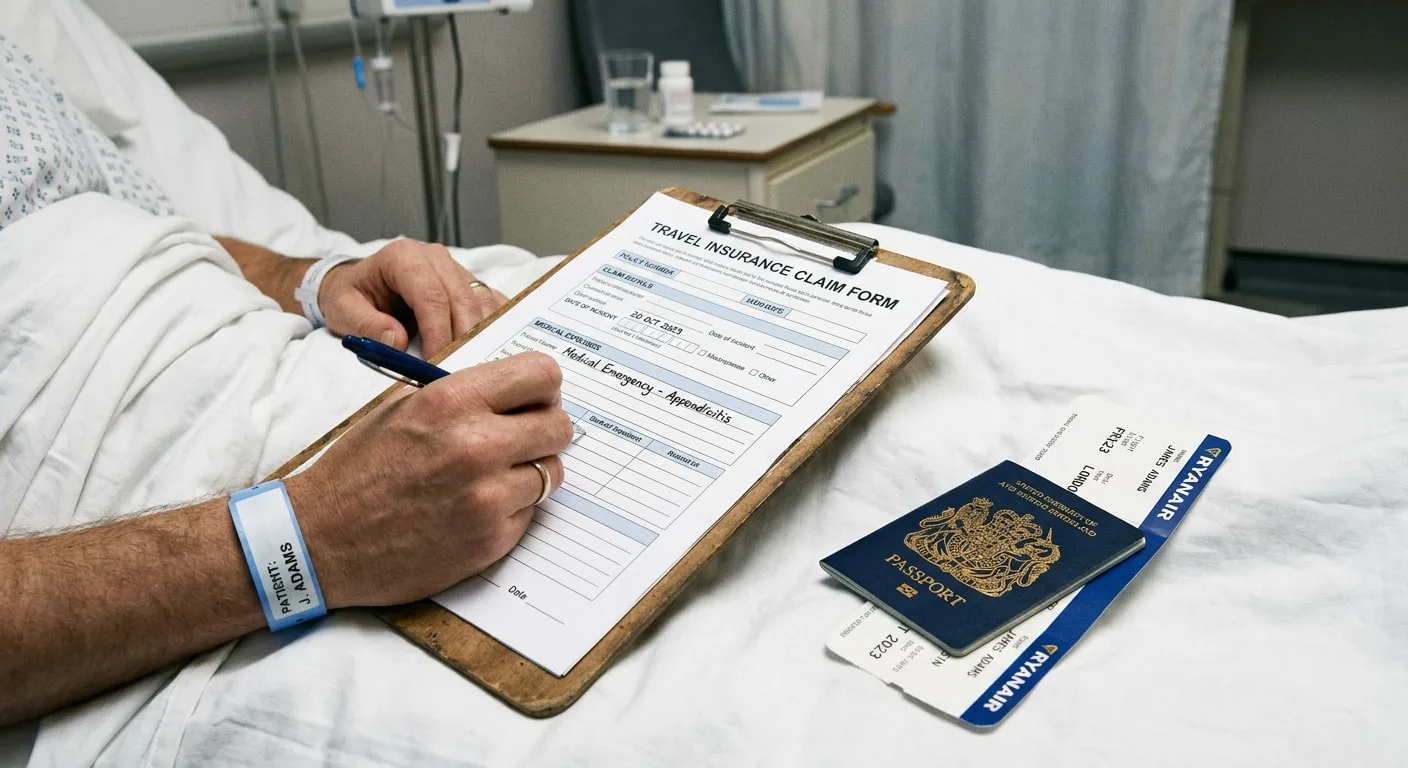
Travel Insurance Claim Guide for Indians: What's Actually Covered and How to Get Paid
In this guide (10)
- What Travel Insurance Claim India Policies Actually Cover
- What's NOT Covered: The Exclusions That Will Burn You
- How to File a Travel Insurance Claim India: Step-by-Step
- Comparing Indian Travel Insurance Providers Honestly
- Schengen Visa Insurance: Meeting the €30,000 Requirement
- Credit Card Travel Insurance: The Fine Print
- When Claims Get Rejected: Fighting Back
- Choosing the Right Policy: Practical Advice
- Real Claim Examples from Indian Travelers
- Final Thoughts: Insurance Is a Skill
I bought travel insurance for every international trip for eight years before I actually needed to claim. When my checked bag disappeared somewhere between Dubai and Bangkok, I discovered the brutal truth: understanding travel insurance claim India processes is a completely different skill from just buying a policy. This guide will teach you what I wish someone had told me before that frustrating three-month battle with my insurer.
Most Indians treat travel insurance like a necessary evil for visa applications. We buy the cheapest policy, never read the fine print, and pray we never need it. Then disaster strikes — a medical emergency in Singapore, stolen electronics in Barcelona, or a cancelled flight in London — and suddenly that ₹500 policy matters more than anything. This guide covers everything: what's genuinely covered, what's quietly excluded, how to file claims that actually get approved, and what to do when insurers try to weasel out.
What Travel Insurance Claim India Policies Actually Cover
Let me break down what standard travel insurance policies actually cover, because the marketing brochures and the reality are often different things.
Medical Emergencies and Hospitalization
This is the core of any travel insurance policy and typically covers emergency hospitalization, doctor consultations, prescription medications, emergency surgery, ambulance charges, and medical evacuation. Most policies for Indians offer coverage between $50,000 to $500,000 (roughly ₹40 lakhs to ₹4 crores). For our medical emergency guide for Indians abroad, we recommend minimum $100,000 coverage for any developed country where a single surgery can cost ₹15-20 lakhs.
The catch? "Emergency" is defined narrowly. A condition that could wait until you return to India won't qualify. Chronic condition management rarely qualifies. And most critically, the treatment must be "medically necessary" as determined by the insurer's medical team, not your overseas doctor.
Flight Delays and Missed Connections
Most policies cover expenses incurred due to flight delays exceeding a threshold — usually 6 to 12 hours. This includes meals, hotel accommodation, essential clothing if baggage is delayed, and local transport. Coverage typically caps at ₹3,000-10,000 per 12-hour delay.
Here's what people don't realize: you need an official delay certificate from the airline, and the delay must be due to reasons outside your control. If you missed your connection because you were shopping in duty-free, that's on you.
Baggage Loss and Delay
Lost baggage claims come in two types: complete loss (airline can't find your bag) and delay (bag arrives late). Complete loss pays out after the airline declares the baggage officially lost — usually 21 days. Delay coverage kicks in after 12-24 hours, letting you buy essential items like clothing and toiletries.
Typical limits: ₹15,000-50,000 for loss, ₹5,000-15,000 for delay. Individual item caps apply — usually ₹3,000-5,000 per item. That ₹50,000 camera? You'll get maybe ₹5,000 unless you bought additional electronics coverage.
Trip Cancellation and Interruption
This covers non-refundable expenses if you must cancel your trip due to covered reasons: serious illness of traveler or immediate family, death in family, natural disasters at destination, or job loss. Trip interruption covers unused portions if you must return mid-trip.
Read the policy carefully. "I changed my mind" or "work got busy" never counts. Even valid reasons require substantial documentation — medical certificates, death certificates, employer letters.
Personal Liability
If you accidentally injure someone or damage property abroad, personal liability coverage handles legal costs and compensation. Limits typically range from $50,000 to $200,000. This covers scenarios like accidentally breaking expensive equipment at a museum or causing a car accident while driving a rental.
Personal Accident
This pays a lump sum in case of accidental death or permanent disability during your trip. Unlike medical coverage, this is a fixed payout (typically ₹5-25 lakhs) regardless of actual expenses.
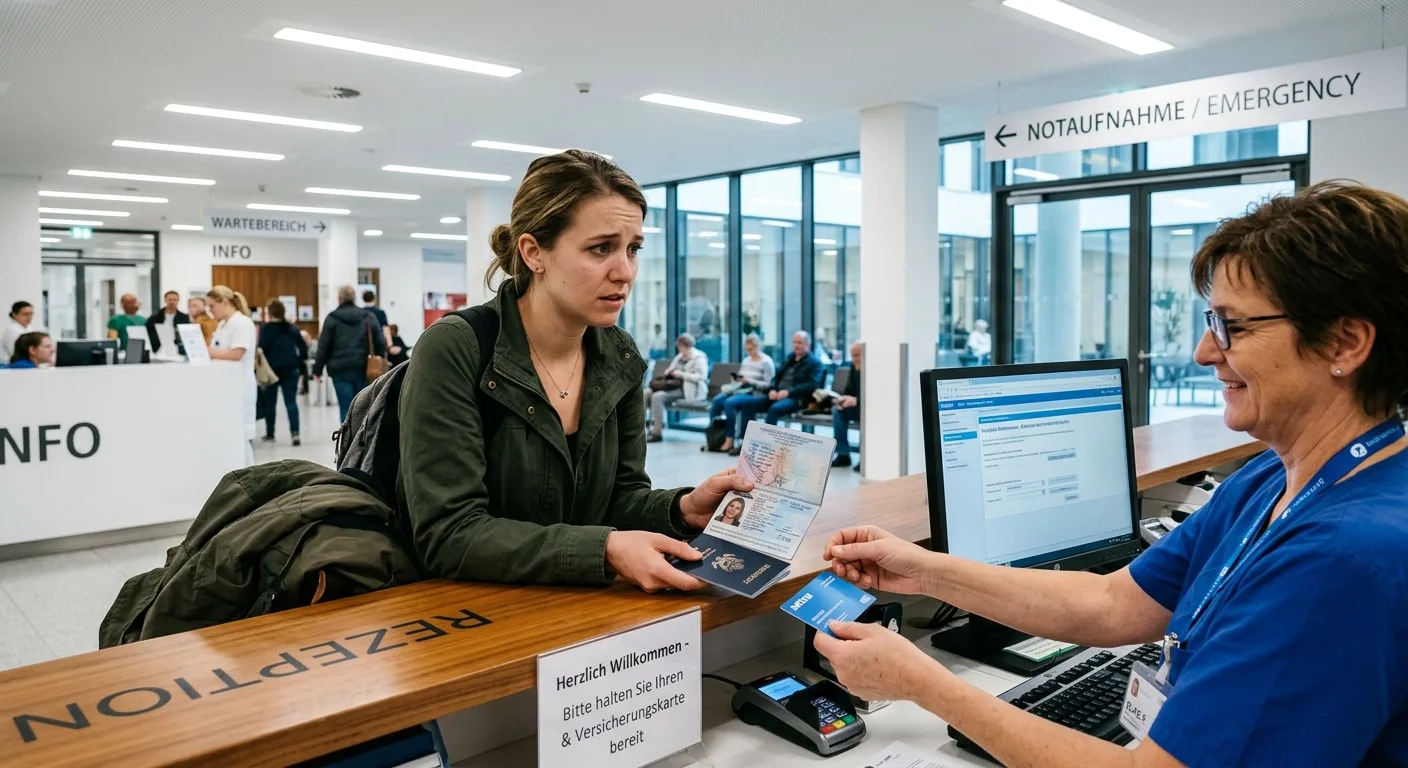
What's NOT Covered: The Exclusions That Will Burn You
This section matters more than the coverage section. I've seen countless Indians discover these exclusions the hard way when filing a travel insurance claim India insurers are eager to reject.
Pre-Existing Conditions
If you have diabetes, hypertension, heart conditions, or any chronic illness, standard policies won't cover related emergencies abroad. A diabetic having a hypoglycemic episode? Excluded. Hypertension patient having a cardiac event? Excluded. Some insurers offer pre-existing condition add-ons for stable conditions (no changes in 2 years) at 25-50% additional premium.
Adventure Sports and Extreme Activities
Standard policies exclude: scuba diving beyond 10-30 meters, skydiving, bungee jumping, paragliding, white water rafting above Class III, skiing, mountaineering above certain altitudes, motorcycle riding without proper license. For our adventure travel destinations guide, we always recommend checking specific exclusions and buying adventure add-ons.
Alcohol and Drug Related Incidents
Injuries or illnesses where alcohol or drugs contributed? Completely excluded. This isn't just about being drunk — even "a few drinks" before an accident can void your claim if the insurer determines impairment. There's no breathalyzer threshold; it's at the insurer's discretion.
Mental Health and Suicide
Depression, anxiety, panic attacks, psychiatric emergencies — almost universally excluded. Even if your mental health crisis requires hospitalization abroad, most policies won't cover it. Some newer policies are adding limited mental health coverage, but they're still rare.
Pandemic and Epidemic Exclusions
Post-COVID, virtually all policies have pandemic/epidemic exclusions or separate COVID-specific terms. Check whether your policy covers COVID hospitalization, quarantine costs, or trip cancellation due to border closures. Many don't. The wording matters: "declared pandemic" vs "epidemic outbreak" have different implications.
War, Terrorism, and Civil Unrest
Traveling to conflict zones or countries with travel advisories? Standard coverage likely won't apply. Even unexpected civil unrest during your trip may not be covered if it escalates to a certain point. High-risk destination coverage requires specialized policies.
Participation in Manual Labor
Working abroad — even briefly — can void your tourist travel insurance. This includes volunteer work involving manual labor. "Voluntourism" often falls into this exclusion. If you're doing an overseas internship or working remotely, check whether your policy covers work-related activities.
How to File a Travel Insurance Claim India: Step-by-Step
This is where the guide gets practical. Follow these steps exactly, and your chances of approval increase dramatically.
Step 1: Notify the Insurer Immediately (Within 24-48 Hours)
Don't wait until you return to India. Call the 24/7 assistance helpline the moment something goes wrong. This does three things: creates a timestamp of the incident, activates cashless facilities if applicable, and gets guidance on required documentation. Keep the reference number — you'll need it for everything.
Most policies require notification within 48-72 hours for medical emergencies and 24 hours for theft or accidents. Miss this window, and your claim can be rejected outright.
Step 2: Document Everything Obsessively
For medical claims: hospital admission papers, doctor's diagnosis, all prescriptions, test reports, discharge summary, itemized bills, payment receipts. Photograph everything before submitting.
For theft: FIR from local police (absolutely critical), photos of the scene if possible, list of stolen items with approximate values, receipts or proofs of ownership if available.
For baggage loss: Property Irregularity Report (PIR) from airline, delay certificate, receipts for emergency purchases, original baggage tags.
For flight delays: official delay certificate from airline (not just a screenshot), boarding passes, receipts for food and hotel during delay, any communication from the airline.
Step 3: Choose Cashless vs Reimbursement Wisely
Cashless claims mean the insurer pays the hospital directly — no out-of-pocket expense for you. This only works at network hospitals and requires pre-authorization. The process: call the helpline, they coordinate with the hospital, you get approval before treatment.
Reimbursement means you pay first, claim later. Faster for emergencies (no waiting for approval), but you need funds upfront. For countries where hospitals demand payment before treatment, this may be your only option.
My advice: always try cashless first for anything over ₹50,000. The reimbursement process involves more documentation and longer waits.
Step 4: Submit the Claim Within Deadline
Most policies require claim submission within 30-60 days of return to India. Missing this deadline = automatic rejection. Submit through the insurer's online portal when possible — you get a tracking number and digital proof of submission.
Include: completed claim form, all original documents (keep photocopies), passport pages showing travel dates, policy copy, cancelled cheque for reimbursement.
Step 5: Follow Up Relentlessly
Insurance companies are not proactive. If you don't hear back within 15 days, call. Ask for status in writing. Document every interaction — date, time, representative name, what was discussed. If they request additional documents, submit within 7 days.
Comparing Indian Travel Insurance Providers Honestly
I've dealt with claims across multiple insurers. Here's my honest assessment based on claim experience, not marketing materials. According to the Insurance Regulatory and Development Authority of India (IRDAI), all these insurers are licensed and regulated, but their claim processes vary significantly.
ICICI Lombard
Largest network of tie-up hospitals globally. Online claim process is relatively smooth. Medical claims typically settle within 45-60 days. They're strict on documentation — missing even minor documents triggers rejection letters. Good for: frequent travelers who maintain meticulous records.
Tata AIG
Strong 24/7 assistance with good response times. Their cashless process in Asia and Europe is efficient. Claim settlement averages 30-45 days. They're reasonable about documentation — they'll ask for missing items rather than outright rejecting. Good for: first-time claimants, Asia-focused travelers.
HDFC Ergo
Competitive pricing with decent coverage. Online processes are improving. Settlement times vary widely (30-90 days). Their claims team communication could be better — expect to follow up multiple times. Good for: budget-conscious travelers going to lower-risk destinations.
Bajaj Allianz
Strong hospitalization coverage, especially for senior citizens. Good network in Middle East and Southeast Asia. They're thorough in documentation requirements but fair in assessments. Settlement typically 45-60 days. Good for: family trips, travel to UAE/Singapore/Thailand.
Niva Bupa (formerly Max Bupa)
Health insurance expertise shows in medical claim handling. Smooth cashless experience at network hospitals. Less extensive travel-specific coverage (baggage, delays) compared to others. Good for: travelers whose primary concern is medical emergencies.
Schengen Visa Insurance: Meeting the €30,000 Requirement
For European visa applications, you need travel insurance meeting specific requirements: minimum €30,000 coverage (approximately ₹27 lakhs), valid for entire Schengen zone, covers medical repatriation, and dates covering your entire trip plus buffer days.
Important: many standard policies don't meet Schengen requirements. Check specifically for "Schengen visa compliant" certification. Embassies have rejected applications over minor policy wording issues. When checking for hidden charges on international travel, don't forget that inadequate insurance can cost you your entire visa application fee.
Credit Card Travel Insurance: The Fine Print
Premium credit cards (Infinia, Regalia, Diners Club Black) include travel insurance. But don't assume it's equivalent to standalone policies.
Limitations typically include: coverage only when travel booked using that card, lower limits (often $50,000-100,000), no trip cancellation coverage, no adventure sports, no pre-trip coverage, complicated claim processes through third-party administrators.
Credit card insurance works as secondary coverage — buy standalone insurance and use card coverage for anything that exceeds your primary policy limits.
When Claims Get Rejected: Fighting Back
Any travel insurance claim India insurers reject isn't necessarily the end. Here's your escalation path.
Step 1: Request Written Reasons
Insurers must provide specific reasons for rejection. "Policy exclusion" isn't enough — demand exact clause citations. Sometimes rejections are based on missing documents that you can still provide.
Step 2: Internal Appeal
Submit a formal appeal within 30 days addressing each rejection reason point by point. Include additional documentation if available. Send via registered post with acknowledgement.
Step 3: Insurance Ombudsman
If internal appeal fails, approach the Insurance Ombudsman — a free government service. File a complaint within 1 year of rejection. The Ombudsman can order insurers to pay valid claims up to ₹30 lakhs. Process takes 2-3 months, but success rates for legitimate claims are good.
Step 4: Consumer Court
For claims above ₹30 lakhs or if Ombudsman doesn't resolve, approach Consumer Disputes Redressal Forum. This involves legal fees but can result in compensation plus damages for harassment.
Choosing the Right Policy: Practical Advice
Stop buying the cheapest policy. Consider these factors instead.
Medical Coverage Amount
Minimum $100,000 for developed countries (USA, Europe, Australia, Singapore). USA specifically: go for $250,000-500,000 — a single hospitalization can exceed ₹50 lakhs. For budget travel insurance options, ensure medical coverage isn't compromised for cheaper premiums.
Annual Multi-Trip vs Single Trip
If you travel 3+ times per year, annual policies offer better value. Typical annual premium: ₹5,000-15,000 for Asia, ₹15,000-30,000 for worldwide. Single trip policies add up quickly.
Family Floater vs Individual
Family floaters cover all members under one sum insured — fine for short trips where simultaneous claims are unlikely. For longer trips or adventure travel, individual policies ensure each person has full coverage.
Add-Ons Worth Buying
Adventure sports add-on: ₹500-1,500 extra, essential if you're doing anything beyond basic sightseeing. Pre-existing condition add-on: 25-50% of base premium, necessary if you have chronic conditions. Home burglary coverage: while you're abroad, covers theft from your Indian residence. Golf equipment coverage: yes, this exists for golfers.
Real Claim Examples from Indian Travelers
These anonymized cases illustrate what works and what doesn't in a travel insurance claim India process.
Successful medical claim: Mumbai resident hospitalized in Thailand with dengue. ₹4.5 lakh hospital bill. Notified insurer within 2 hours, got cashless approval. Settled within 3 weeks of return. Key factor: immediate notification and network hospital.
Rejected baggage claim: Delhi traveler's laptop stolen in Barcelona. Claim rejected because FIR wasn't filed within 24 hours (filed on day 3). The policy specifically required "immediate" police reporting. ₹80,000 claim denied over a technicality.
Successful flight delay claim: Bangalore couple stuck in Dubai for 18 hours due to weather. Submitted airline delay certificate, hotel receipt, meal bills. Received ₹12,000 reimbursement within 45 days. Key factor: official documentation from airline.
Rejected adventure claim: Pune resident injured while paragliding in Bir Billing. ₹2.5 lakh treatment in Delhi. Claim rejected — standard policy excluded paragliding. No adventure add-on purchased. Complete loss.
Final Thoughts: Insurance Is a Skill
Travel insurance isn't a product you buy and forget. It's a contract that requires you to understand your obligations, document incidents properly, notify promptly, and follow up persistently. The difference between a smooth ₹5 lakh claim settlement and a rejected claim worth the same amount is often just documentation and timing.
Read your policy before you travel. Save the emergency helpline number in your phone. Take photos of everything valuable you pack. Understand exactly what you're covered for and what you're not. When something goes wrong abroad, the insurance company isn't your enemy — but they're not automatically your friend either. They're a business following their policy terms. Know those terms better than they do, and you'll never lose a legitimate claim. High-altitude trekking coverage is especially critical — read our Nepal trekking guide for why helicopter evacuation insurance is non-negotiable.