
Oman from India: The Dubai Alternative That Costs Half and Feels Twice as Real
In this guide (13)
- Your Oman Travel Guide from India: Why Choose Oman Over Dubai
- Muscat: Three Days of Discovering Real Arabia
- Day Trips That Make Oman Worth It
- Oman Visa Process for Indian Passport Holders
- Practical Realities: What This Oman Travel Guide from India Tells You
- Budget Breakdown: Your Oman Travel Guide from India Cost Sheet
- Best Time to Visit Oman from India
- Safety: Why Indians Feel at Home
- What Nobody Tells You: The Downsides
- Packing Essentials for Oman
- Oman Travel Guide from India: Package vs Independent?
- Beyond the First Trip: Salalah and Musandam
- Final Thoughts: Is Oman Worth It for Indian Travelers?
Everyone around me was booking Dubai trips. Shopping festivals, Burj Khalifa selfies, the whole package. I picked Oman because the flight was Rs 4,000 cheaper and I figured — same region, same vibe, right? That accidental decision turned into the best travel choice I have ever made. Oman travel guide from india content barely exists online, which is absurd considering over 700,000 Indians live there. So here is everything I learned, spent, and experienced.
Oman is what Dubai was before the mega-malls took over. Real Arabia. Real culture. Actual mountains and deserts instead of air-conditioned indoor ski slopes. Yes, it costs money — this is not Southeast Asia — but compared to Dubai's eye-watering prices, your wallet breathes easier here.
Your Oman Travel Guide from India: Why Choose Oman Over Dubai
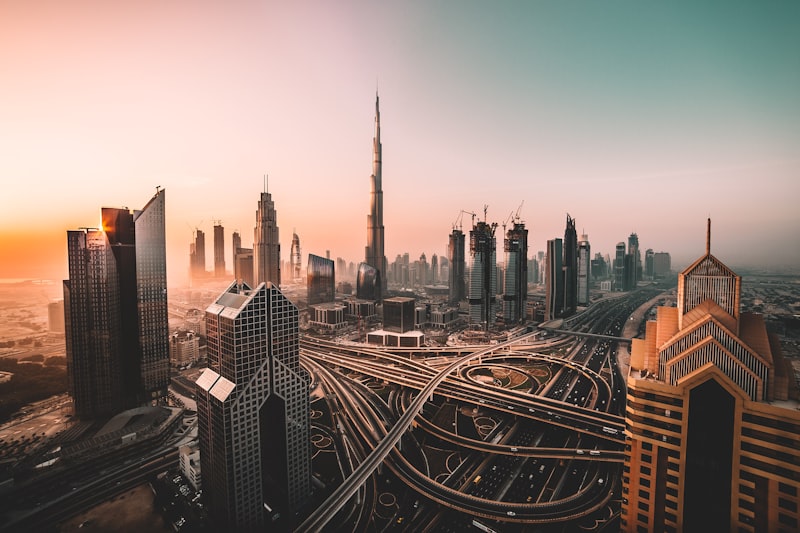
Let me be direct. If you want clubbing, massive shopping malls, and Instagram spots that everyone recognizes, go to Dubai. If you want to actually understand what Arabia feels like, Oman wins hands down.
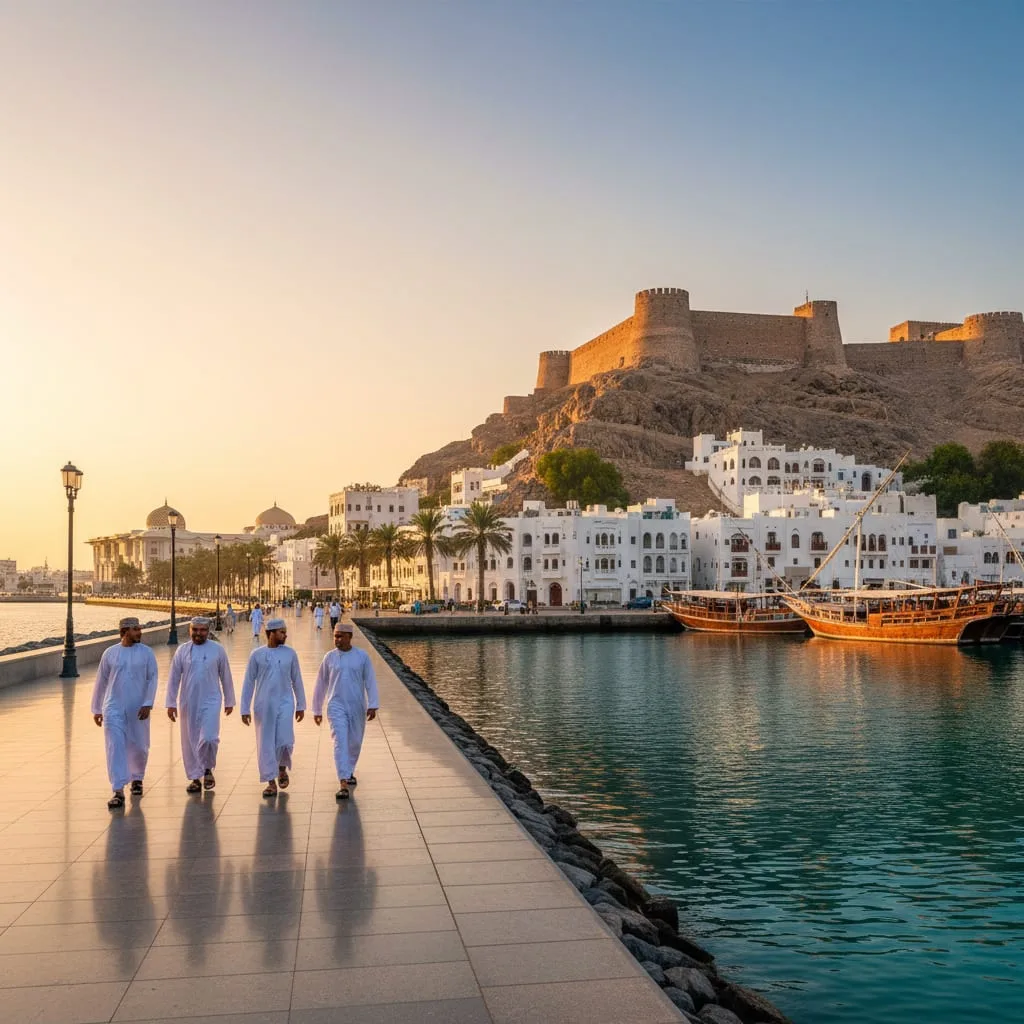
The differences are stark. Muscat does not have a single skyscraper dominating its skyline. There is a law — no building can exceed the height of the Sultan's palace. The result? A city that feels human-scaled. White-washed buildings climb rocky hillsides. Traditional dhow boats bob in the harbor. The Grand Mosque welcomes visitors with genuine warmth, not turnstile efficiency.
Cost comparison that matters for Indian travelers:
- Flights: Mumbai to Muscat runs Rs 12,000-16,000 return. Mumbai to Dubai costs Rs 16,000-22,000. That Rs 4,000-6,000 savings adds up for families.
- Hotels: Decent 4-star in Muscat averages Rs 5,000-7,000 per night. Similar category in Dubai runs Rs 8,000-12,000.
- Food: A solid meal costs Rs 400-700 in Oman. Dubai charges Rs 600-1,200 for equivalent quality.
- Experiences: Desert safari in Wahiba Sands costs Rs 6,000-8,000 including overnight camping. Dubai desert safari starts at Rs 3,500 but feels touristy and rushed.
But here is the catch nobody mentions: Oman is NOT cheap by Asian standards. It just looks affordable next to Dubai. Budget travelers used to Rs 1,500 daily expenses in Thailand will find Oman challenging. Plan for Rs 8,000-12,000 per day for mid-range comfort including accommodation, food, and transport.

Muscat: Three Days of Discovering Real Arabia
Muscat surprised me. I expected a smaller Dubai and found something completely different — a city that moves at its own pace, respects tradition, and somehow feels both ancient and comfortable.
Sultan Qaboos Grand Mosque
Free entry. Just show up between 8 AM and 11 AM, any day except Friday. This is not a tourist attraction pretending to be religious — it is a functioning mosque that welcomes curious visitors. The interior stopped me cold. A 21-ton Swarovski crystal chandelier hangs from a ceiling covered in intricate geometric patterns. The prayer carpet, handwoven in Iran, took 600 women four years to complete.
Rules that matter: remove shoes, women must cover hair and wear long sleeves and full-length skirts or pants, men need long pants. Free abayas available if you forget. Go early — by 10:30 AM, tour groups descend and the peaceful atmosphere evaporates.
Mutrah Souq and Corniche
Skip the Royal Opera House unless you genuinely love classical music (performances run around Rs 3,500-8,000 for decent seats). Instead, spend that evening wandering Mutrah Souq. This is what souqs looked like before someone decided to sanitize them for tourists.
The Corniche walkway stretches for 3 kilometers along the harbor. Best experienced at sunset when Omani families come out, kids running around, old men fishing off the rocks. Walk from Mutrah Fish Market (skip the morning auction unless you enjoy powerful fish smells) to the souq entrance. Takes about 40 minutes.
In Mutrah Souq, bargain hard. Starting prices assume you are a cruise ship passenger with zero negotiation skills. I got a frankincense burner down from 15 OMR to 6 OMR (roughly Rs 1,300 to Rs 520). Frankincense itself is cheap — 200 grams of good quality runs 3-4 OMR (Rs 650-870). Much better than airport duty-free.
The Indian Connection in Muscat
Walking through Ruwi felt like teleporting to Mumbai. Seriously. Hindi film songs playing from shops. Kerala restaurants serving actual thali meals. Lulu Hypermarket where I found MTR ready-to-eat packets and Parle-G biscuits. The homesickness cure is real.
Oman hosts around 700,000 Indians — the largest expat community in the country. This is not recent either. Indian traders have worked Omani ports for centuries. The Sultan's former personal bodyguard unit was entirely Baloch and Sindhi. In practical terms, this means Hindi works almost everywhere. Your Zomato-trained palate will not suffer.
Best Indian restaurants in Muscat (tested personally):
- Mumtaz Mahal — Mughlai and North Indian, biryani legitimately excellent, Rs 500-800 per person
- Copper Chimney — reliable chain option if you want predictable quality
- Saravana Bhavan — yes, the same Chennai chain, same masala dosa taste
Day Trips That Make Oman Worth It
Any oman travel guide from india must emphasize this: Muscat alone does not justify the trip. The magic happens when you leave the city. Rent a car (Rs 2,000-3,000 per day) or hire a driver (Rs 6,000-8,000 for full day including fuel). Oman drives on the right side, roads are excellent, and Google Maps works perfectly.
Nizwa and Jebel Akhdar — The Mountain Escape
Two hours from Muscat, Nizwa was Oman's capital before Muscat took over. The fort costs 5 OMR (Rs 1,090) and offers decent views. More interesting: the Friday cattle market where Omani men in traditional dishdashas auction goats and cows. Gets going around 7 AM, wraps up by 10 AM.
From Nizwa, Jebel Akhdar (Green Mountain) climbs to 2,000 meters. Temperature drops 10-15 degrees Celsius. In October-March, this feels refreshing rather than cold. The Alila Jabal Akhdar hotel perches on a cliff edge — even if you do not stay there, visit for coffee on their terrace. Views that justify the 35 OMR coffee price.
Essential note: Jebel Akhdar requires a 4x4 vehicle. Police checkpoint at the base turns away regular cars. If you rented a sedan, hire a local 4x4 taxi from Birkat Al Mouz village (negotiate around 25-30 OMR for the round trip).

Wadi Shab — The Swim That Changes Everything
If you do one thing outside Muscat, make it Wadi Shab. Two hours east of the capital, this wadi (valley) cuts through limestone cliffs with pools of impossibly turquoise water connecting one to the next.
The experience: park at the roadside lot, take a 1 OMR (Rs 220) boat across the first lagoon, then hike 45 minutes through palm groves and along cliff edges. The trail is not difficult but involves scrambling over rocks. Wear water shoes or sports sandals — flip-flops will fail you.
Eventually, you hit water you cannot walk around. You swim. Through a narrow cave opening into a hidden pool with a waterfall. The whole thing feels like a video game level, except real. On busy Fridays, the cave pool fills with Omani families having picnics. Weekday mornings stay quieter.
Bring: waterproof bag for phone and wallet, 2 liters of water minimum, sun protection, and some snacks. There is nothing to buy at the wadi itself. Start early — by 7 AM if possible — to avoid afternoon heat and crowds.
Wahiba Sands — Desert Camping Done Right
The Wahiba (also called Sharqiya Sands) is not the largest desert, but it delivers the full experience without Sahara-level logistics. Three hours from Muscat, the transition from coastal plain to rolling dunes happens suddenly.
Overnight camping is the move here. Around Rs 6,000-10,000 per person gets you:
- 4x4 pickup from the main road (your rental car cannot handle the sand)
- Desert camp with basic but comfortable tents
- Dune bashing — hold on, the drivers are insane
- Sunset from the tallest dune the driver can find
- Traditional dinner under stars
- Camel ride if you want (usually 15-20 minutes)
- Breakfast and drop back to your car
Book through your Muscat hotel or with Desert Nights Camp (mid-range) or 1000 Nights Camp (upscale). The budget camps save money but often lack proper toilets. Worth spending a bit more for flush toilets and hot showers in the desert.

Oman Visa Process for Indian Passport Holders
Good news: the e-visa system actually works. Bad news: it costs more than you expect.
E-Visa (recommended): Apply at the official Oman e-visa portal. Choose between 10-day single entry (26 OMR / Rs 5,650) or 30-day single entry (52 OMR / Rs 11,300). Processing takes 1-4 business days. You need a passport valid for 6+ months, return flight booking, and hotel reservation (booking.com confirmation works).
Visa on Arrival: Available at Muscat airport for 20 OMR (Rs 4,350) for 10 days or 40 OMR (Rs 8,700) for 30 days. The queue can take 30-60 minutes during peak arrivals. E-visa saves the airport hassle.
Random tip that saved me confusion: Oman uses OMR (Omani Rial), not AED (UAE Dirham). 1 OMR equals approximately Rs 217 (rates fluctuate — check before you go). ATMs dispense OMR throughout Muscat. Carry some cash for souqs and smaller shops, but cards work at most hotels and restaurants.
Practical Realities: What This Oman Travel Guide from India Tells You
Oman operates differently from India in ways that catch visitors off guard. Knowing these saves frustration.
The Prayer Time Factor
Everything closes for prayer, five times daily. Restaurants, shops, even some petrol stations. Each closing lasts 15-30 minutes. Friday midday prayer (around 11:30 AM to 1 PM) essentially shuts down the country. Plan lunch before 11 AM or after 1:30 PM on Fridays.
The weekend here is Friday-Saturday, not Saturday-Sunday. Many attractions close Friday morning and reopen in the afternoon. Banks and government offices take the entire Friday off.
Alcohol Situation
Available, but expensive and limited. Licensed hotel restaurants serve beer (Rs 500-800 per pint), wine (Rs 1,500+ per bottle), and spirits. You cannot buy from shops without a resident permit. No street bars or pubs — drinking happens in hotel establishments only.
If you need alcohol, factor this into your hotel choice. Budget hotels rarely have licenses. Mid-range and above usually do.
What to Wear
Oman is conservative but not extreme. Men: shorts above the knee are fine in tourist areas but locals wear long pants. Women: shoulders and knees covered outside of hotels and beaches. Nobody expects full abaya, but short skirts and sleeveless tops draw stares.
At beaches (like Qurum Beach in Muscat), swimwear is acceptable. Elsewhere, dress modestly. The respect goes both ways — Omanis will treat respectful visitors with genuine warmth.
Getting Around Muscat
Public transport barely exists. Your options:
- Rental car: Rs 2,000-3,000 daily for compact, petrol is cheap (around Rs 40/liter)
- Taxi apps: Marhaba and Otaxi work like Uber, roughly Rs 200-400 for city rides
- Hotel drivers: Many hotels arrange day trips, often better value than agencies
Skip the idea of walking everywhere. Muscat sprawls across 50+ kilometers of coastline. Distances are deceptive.
Budget Breakdown: Your Oman Travel Guide from India Cost Sheet
Here is my actual spending for 6 nights, mid-range comfort, solo traveler:
- Flights (Mumbai-Muscat return): Rs 14,500
- Visa (30-day e-visa): Rs 11,300
- Hotels (6 nights, 4-star average): Rs 36,000 (Rs 6,000/night)
- Rental car (4 days): Rs 10,000
- Petrol: Rs 2,000
- Desert overnight: Rs 8,500
- Food and drinks: Rs 18,000 (Rs 3,000/day average)
- Attractions and tips: Rs 4,000
- TOTAL: Rs 104,300
Couples can reduce per-person costs significantly by sharing hotel and car expenses. Families of four might manage Rs 65,000-75,000 per person for the same itinerary. If you compare this with Dubai trip costs from India, you will find Oman runs about 25-35% cheaper for equivalent experiences.
Budget travelers can cut costs by staying in Airbnbs (Rs 2,500-3,500/night), eating at Indian restaurants, and skipping the desert overnight. Minimum viable Oman trip: Rs 60,000-70,000 for five nights including flights.
Best Time to Visit Oman from India
For this oman travel guide from india, the answer is clear: October through March. Hands down. Temperatures hover between 22-30 degrees Celsius in Muscat, perfect for outdoor activities. November and February offer the sweet spot — warm but not hot, minimal rain, ideal for desert camping and wadi swimming.
April and May get uncomfortably warm (35-40 degrees C). June through September? Forget it. Muscat hits 45-48 degrees C with brutal humidity. Some beach hotels offer massive discounts during summer, but you will spend every moment in air conditioning.
Ramadan requires planning. Dates shift yearly (in 2026, likely February-March). During Ramadan, restaurants close during daylight hours, though hotels serve guests. The atmosphere feels different — quieter, more introspective. If you visit during Ramadan, respect the fast even if you do not observe it. Eat and drink discreetly.
Safety: Why Indians Feel at Home
Oman ranks among the safest countries in the world. Crime is rare. Scams targeting tourists are almost nonexistent. The Sultan maintained stability for 50 years, and his successor has continued the approach.
For Indian travelers specifically: you will encounter no hostility. The Indian community is respected, well-established, and integrated into Omani society. Unlike some Gulf countries where migrant worker treatment makes news, Oman maintains better labor standards. You will meet Indians running businesses, working in hotels, and living comfortable expat lives.
Solo female travelers report feeling safer in Oman than in many Indian cities. Modest dress helps, but the culture respects personal space. I watched women walking alone at night in Mutrah without the constant vigilance required in Delhi or Mumbai.
What Nobody Tells You: The Downsides
Let me be honest about limitations:
Limited nightlife. If you want parties, Oman is the wrong choice. Hotel bars close early. Clubs do not exist. The country sleeps by 11 PM.
Attractions are spread out. You cannot walk between major sights. Every day requires driving or taxis. Without a car, you are stuck paying premium prices for tours.
Not budget-friendly. Even basic hotels cost Rs 3,000-4,000 per night. Hostels barely exist. Backpacker infrastructure is minimal. Check out our vegetarian-friendly countries guide if dietary options matter to you — Oman scores well here thanks to the Indian community.
Weekends feel dead. Friday mornings, nothing opens. Saturday resembles a slow Sunday. If you only have a weekend, plan around this.
Language outside tourist zones. Arabic dominates once you leave Muscat, Nizwa, and major attractions. Google Translate helps, but communication gets harder in villages.
Packing Essentials for Oman
Beyond obvious stuff, bring:
- Water shoes for wadi hikes (mandatory, not optional)
- Lightweight modest clothing that breathes
- Sunscreen SPF 50+ — the sun is intense
- Reusable water bottle — refill at hotels to reduce plastic
- Power adapter (Type G, same as UK/India)
- International driving permit if renting a car (Indian licenses accepted but IDP helps)
- Waterproof phone pouch for wadi swimming
Check our international travel checklist for Indians before you pack — covers documentation and essentials we often forget.
Oman Travel Guide from India: Package vs Independent?
Oman works well for independent travel. Roads are excellent, signs are in English and Arabic, and the country is safe. If you can handle a self-drive trip to Ladakh or Rajasthan, Oman will feel easy.
That said, packages make sense if:
- You do not want to drive (reasonable — desert roads can be intimidating)
- You have limited time and want maximum efficiency
- You travel with elderly family members who need comfort
- You prefer someone else handling logistics
TripCabinet plans Oman trips that combine self-guided Muscat exploration with arranged desert experiences and wadi trips. We handle the tricky parts — 4x4 access to Jebel Akhdar, overnight desert camp bookings, domestic flight to Salalah if you want southern Oman — while you keep the flexibility to explore at your pace.
Couples considering Oman for honeymoons should compare it against other options. Our Dubai vs Maldives honeymoon comparison helps with the decision, and Oman offers a compelling middle ground — more adventurous than resorts, more romantic than pure city trips.
Beyond the First Trip: Salalah and Musandam
First-timers focus on Muscat and surroundings. But Oman has more.
Salalah in the south transforms during the Khareef season (June-September). While Muscat bakes, Salalah gets monsoon mists. Green hills, waterfalls, coconut plantations — feels like Kerala transported to Arabia. Flights from Muscat take 90 minutes, cost around Rs 4,000-6,000 one way.
Musandam in the north requires flying through UAE (detached from Oman by UAE territory). Called the Norway of Arabia for its fjord-like khors. Dhow cruises, dolphin watching, snorkeling in clear waters. Add 2-3 days if you want to include it.
Also worth knowing: UPI now works in Oman at select merchants. Not everywhere, but growing. Helps avoid currency conversion fees at participating shops.
Want to continue exploring the Arabian Peninsula? Saudi Arabia now offers e-visas for Indians with ancient AlUla ruins and modern Riyadh waiting to be explored.
Final Thoughts: Is Oman Worth It for Indian Travelers?
Want authentic Arabian culture without artificial everything? Yes, Oman delivers. Seeking shopping malls and theme parks instead? Go to Dubai. Beach resorts and overwater villas, the Maldives wins.
Oman occupies a specific niche: adventurous enough for active travelers, comfortable enough for families, culturally rich for anyone tired of generic tourism. The fact that 700,000 Indians already live there makes the transition smooth. You will find your food, your language, your familiar brands — wrapped in Arabian hospitality and dramatic landscapes.
I went expecting a discount Dubai and found something completely different. A country proud of its identity, uninterested in chasing superlatives, content to be quietly spectacular. The fortresses, the wadis, the deserts, the mountains — Oman does not shout. It simply exists, beautiful and real, waiting for travelers smart enough to notice.
Your move.