

Kenya Safari from India: Cost, Visa & Itinerary Guide 2026
In this guide (14)
- Kenya Safari from India Cost: The Real Numbers
- Masai Mara Entry Fees and Safari Costs in Indian Rupees
- Masai Mara vs Amboseli vs Tsavo: Which Park to Choose
- Kenya Visa for Indians: Step-by-Step Process
- Best Time to Visit Kenya from India
- What Safari Packages Actually Include
- Safari Cost Tiers Explained
- 7-Day Kenya Safari Itinerary from India
- Packing for Kenya Safari: An Indian Traveler's List
- Indian and Vegetarian Food on a Kenya Safari
- Safari Photography Tips
- Common Mistakes Indian Travelers Make
- Final Thoughts: Is a Kenya Safari Worth the Cost?
- Frequently Asked Questions
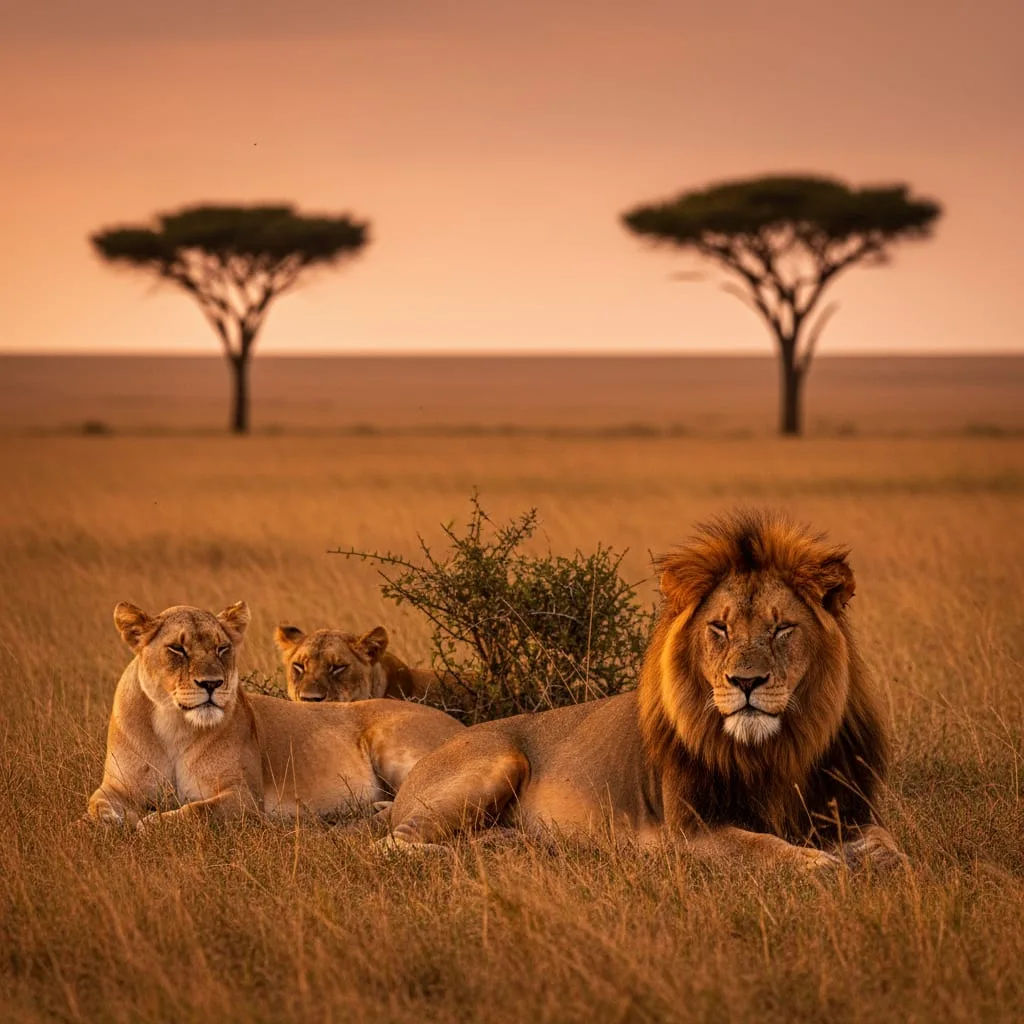
A male lion a few metres from an open safari vehicle, three lionesses resting in the golden grass behind him, completely unbothered by the cameras: that is the moment most people picture when they think of the Masai Mara. Getting there from India takes planning, because a Kenya safari is one of the bigger trips an Indian traveller will budget for.
A comfortable mid-range week in Kenya costs most Indian travellers around ₹2.5-3.5 lakh per person, and the common ways to overspend are predictable: packages that leave out park fees, booking the most expensive weeks without realising it, and packing for heat when Masai Mara mornings are cold. This guide covers those costs and traps.
If you're an Indian traveler trying to figure out whether an African wildlife adventure fits your budget, you're in the right place. I'll break down actual numbers, not the vague "prices vary" nonsense you find everywhere else.
Kenya Safari from India Cost: The Real Numbers
Let me be direct about what a Kenya safari from India costs, because that's probably why you're here. A week-long safari runs between ₹1.8 lakhs (budget) to ₹5+ lakhs (luxury) per person. Most Indian travelers end up in the ₹2.5-3.5 lakh range for a comfortable mid-range experience.
Here's how that breaks down:
Flights from India: ₹55,000 - ₹85,000
Mumbai has nonstop flights to Nairobi: Kenya Airways and IndiGo both fly the route, which takes about 6 hours 15 minutes. From Delhi, Bengaluru, Chennai and other cities you connect, either onto those Mumbai flights or through Dubai (Emirates), Doha (Qatar Airways) or Addis Ababa (Ethiopian Airlines). Emirates via Dubai is a popular one-stop option, and Ethiopian through Addis Ababa often has the cheapest fares but longer connections. Check Kenya Airways for current Mumbai-Nairobi schedules.

Kenya eTA: about ₹3,300 (US$34.09 including processing fees)
Kenya replaced its e-visa with an Electronic Travel Authorisation (eTA) in January 2024. It is single entry and valid for 90 days. Apply at etakenya.go.ke at least a week before travel; the form asks for a hotel or safari lodge booking and a return flight, and approval usually takes 2-3 working days. The cost estimates in this guide include this fee.
Safari Package (accommodation + game drives + meals): ₹1.2 - ₹3 lakhs
This is where costs vary the most. Budget camping safaris with shared tents run around $150-200/day. Mid-range lodges with private rooms, hot showers, and better food cost $300-400/day. Luxury tented camps — the ones with four-poster beds and butlers — start at $500/day and go much higher.
Park Entry Fees: about ₹46,000 - ₹94,000
Masai Mara National Reserve, managed by Narok County, charges non-resident adults US$100 per day from January to June and US$200 per day from July to December (children aged 9-17 pay US$50). Amboseli, run by Kenya Wildlife Service, charges US$90 per day. Three to four days in the Mara plus two in Amboseli therefore costs US$480-980 per adult (about ₹46,000-94,000). These fees are often included in safari packages but double-check, and note that the private conservancies bordering the reserve charge their own fees on top.
Extras: ₹20,000 - ₹50,000
Hot air balloon over the Mara ($450), tips for guides and camp staff (budget $15-20/day), souvenirs, travel insurance, miscellaneous. Speaking of insurance, don't skip it — our travel insurance guide covers policies that actually work for safari destinations.
Masai Mara Entry Fees and Safari Costs in Indian Rupees
Park fees are charged in US dollars and are the cost most often left out of cheap package quotes. At about ₹95.9 to the dollar (September 2026), here is what the main parks cost per day, for one person and for a couple.
| Park fee (non-resident adult, per day) | Per person | For a couple |
|---|---|---|
| Masai Mara, January-June (US$100) | ₹9,590 | ₹19,180 |
| Masai Mara, July-December (US$200) | ₹19,180 | ₹38,360 |
| Amboseli or Lake Nakuru (US$90) | ₹8,630 | ₹17,260 |
| Nairobi National Park or Tsavo (US$80) | ₹7,670 | ₹15,340 |
| Kenya eTA (about US$34, one-off) | ₹3,300 | ₹6,600 |
Masai Mara children aged 9-17 pay US$50 (about ₹4,800) a day. The reserve is run by Narok County, while Amboseli, Lake Nakuru, Tsavo and Nairobi National Park are Kenya Wildlife Service parks with their own tariff.
Park fees for the classic route
Three days in the Masai Mara plus two in Amboseli costs US$480 per adult between January and June (about ₹46,000, or ₹92,000 for two) and US$780 from July to December (about ₹74,800, or ₹1.5 lakh for two). That difference is why a migration-season trip costs noticeably more even before lodges raise their rates.
Kenya trip cost for a couple
Most costs simply double for two: return flights (about ₹1.1-1.7 lakh for the pair), two eTAs and two sets of park fees. Lodges and camps quote per person sharing, so a couple pays twice the per-person rate while a solo traveller usually pays a single supplement on top. At the mid-range rates above, a 7-day safari for two comes to roughly ₹5-7 lakh. Before paying, check whether the quote includes park fees for every day in the reserve, and whether the vehicle is private or shared.
Masai Mara vs Amboseli vs Tsavo: Which Park to Choose
Kenya has over 50 national parks and reserves. Most first-timers stick to two or three. Here's how the main ones compare.
Masai Mara National Reserve — This is the big one. The BBC documentaries, the Great Migration, the highest concentration of big cats in Africa. It's touristy, yes. During peak season, you'll share lion sightings with 15 other jeeps. But the wildlife density is unmatched, and a few days of game drives give a good chance at most of the Big Five (lion, leopard, elephant, buffalo, rhino). If you only splurge on one park, make it this one. Three nights minimum.
Amboseli National Park — Famous for elephants with Mount Kilimanjaro in the background. That postcard shot? It's real, but only on clear mornings. Afternoon clouds usually hide the mountain. Amboseli elephants are remarkably relaxed around vehicles. Herds often cross the track directly in front of vehicles. Two nights is enough.
Tsavo East and West — Massive parks, fewer tourists, more raw African wilderness. Red elephants (they dust themselves with red soil) are the signature here. Tsavo is excellent if you want solitude and have extra time. But for a first safari, the wildlife spotting is harder — animals have more space to hide. Skip it if you only have a week.
Lake Nakuru — Flamingos. Millions of them, turning the lake pink. Except climate change has messed with the water levels, and sometimes the flamingos aren't there. Worth a day trip if you're driving between Nairobi and Masai Mara, but don't build your trip around it.
My recommendation for first-timers: Masai Mara (3-4 nights) + Amboseli (2 nights) + a night in Nairobi on either end. This combination offers the best value for a first safari.
Kenya Visa for Indians: Step-by-Step Process
The Kenya visa for Indians process is simple. Here is how it works:
Step 1: Go to etakenya.go.ke, the official eTA site (ignore third-party "agents" that charge extra).
Step 2: Create an account with your email. The interface is clunky but functional.
Step 3: Fill the application. You'll need passport details, travel dates, accommodation address (your first safari lodge works), and return flight booking.
Step 4: Upload documents — passport bio page scan, passport photo, and flight itinerary.
Step 5: Pay the fee online by card: US$30 plus bank and processing charges, about US$34 in total.
Step 6: Wait 2-3 business days. Approval often arrives within 48 hours. Download the PDF and keep copies — digital and printed.
The single-entry eTA allows 90 days in Kenya. If you're planning to hop to Tanzania for Serengeti (many travelers do), you'll need a separate Tanzania visa or look into the East Africa Tourist Visa ($100) that covers Kenya, Uganda, and Rwanda.
Best Time to Visit Kenya from India
This depends on what you want to see.
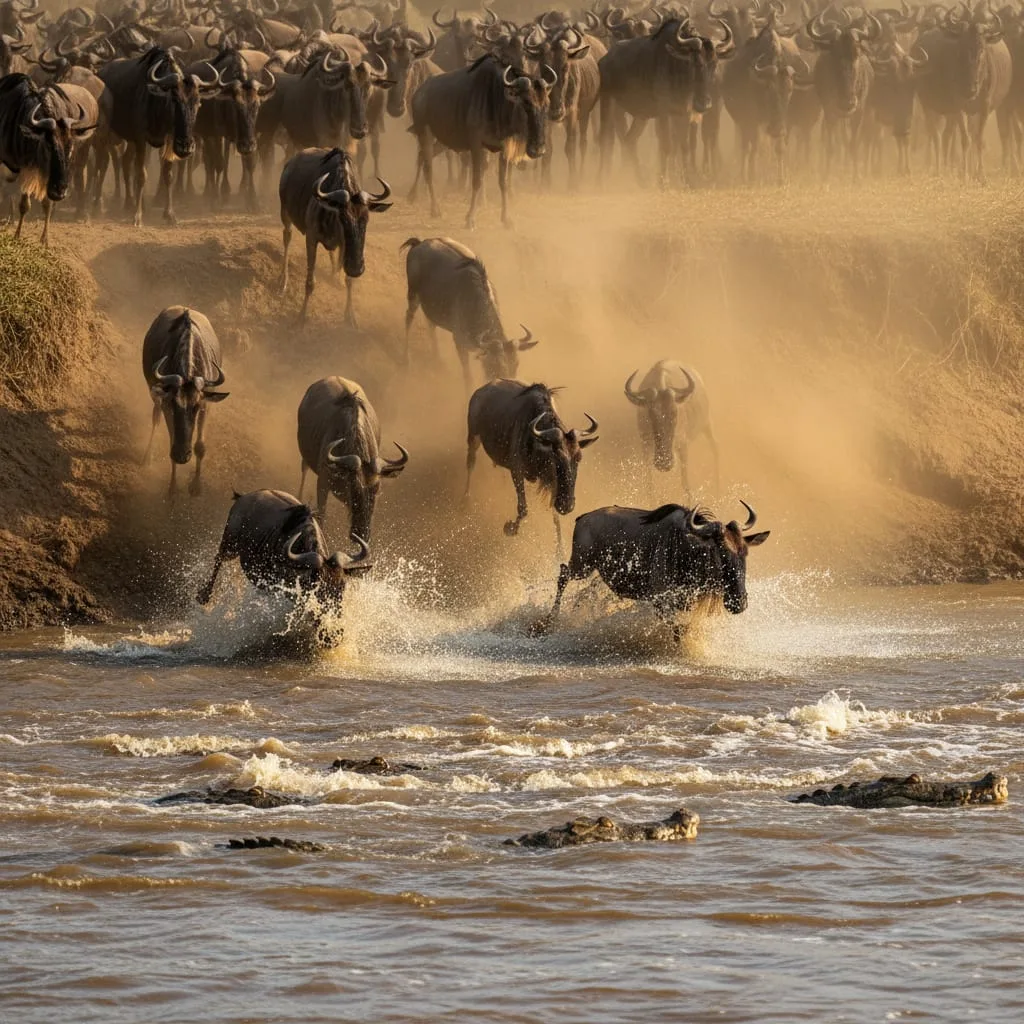
July - October: The Great Migration is in Masai Mara. This is THE event — over a million wildebeest and zebra crossing the Mara River, dodging crocodiles and lions. River crossings are dramatic but unpredictable. You might wait three days and see nothing, or witness two crossings in one morning. August-September has the highest chances. This is also peak season, so expect lodge rates to be 20-30% higher, and the Masai Mara reserve fee doubles to US$200 per adult per day from 1 July.
January - February: Dry season, excellent wildlife viewing. Animals congregate around water sources, making them easier to spot. Weather is warm and pleasant. Fewer tourists than migration season. Great for photography.
June: Migration herds are entering Kenya from Tanzania. Good wildlife, lower prices than July-October.
Avoid April - May: Heavy rains. Some camps close. Roads become difficult. You'll spend half your game drives stuck in mud.
November: Short rains. Hit or miss weather, but lower prices and decent wildlife viewing if you get lucky.
For Indian travelers, the October school holiday (Dussehra/Diwali break) aligns nicely with the tail end of migration season. Book early — prices spike during this period.
What Safari Packages Actually Include
Safari pricing is confusing because "all-inclusive" means different things to different operators. Here's what to check before comparing prices:
Usually included: Accommodation, three meals per day, two game drives daily (morning and afternoon), drinking water, airport transfers.
Sometimes included: Park entry fees, conservancy fees, domestic flights, laundry service, house wines and local beers.
Rarely included: International flights, visa fees, premium alcohol, hot air balloon rides, tips, travel insurance, personal expenses.
Ask specifically about park fees. A "cheap" package that doesn't include Masai Mara's US$100-200/day entry fee isn't actually cheap. Also clarify whether game drives are private or shared. Private means just your group with a dedicated guide and vehicle. Shared means you'll join other guests — fine for budget trips, but you have less control over the pace.
Safari Cost Tiers Explained
Budget ($150-200/day): Basic camping or budget lodges. Shared dormitory-style tents, communal bathrooms, simple meals. Game drives in open-sided minivans with 6-8 passengers. Guides are competent but rushed. Fine if you're young, flexible, and prioritizing cost. I'd recommend this only if you're genuinely on a tight budget — the 4 AM wake-up calls are brutal without a comfortable bed.
Mid-range ($300-400/day): Private en-suite tents or lodge rooms. Hot showers, proper beds, good food with some variety. Game drives in 4x4 Land Cruisers with pop-up roofs, usually 4-6 passengers. Guides are knowledgeable and can spend time on sightings. This is the sweet spot for most Indian travelers.
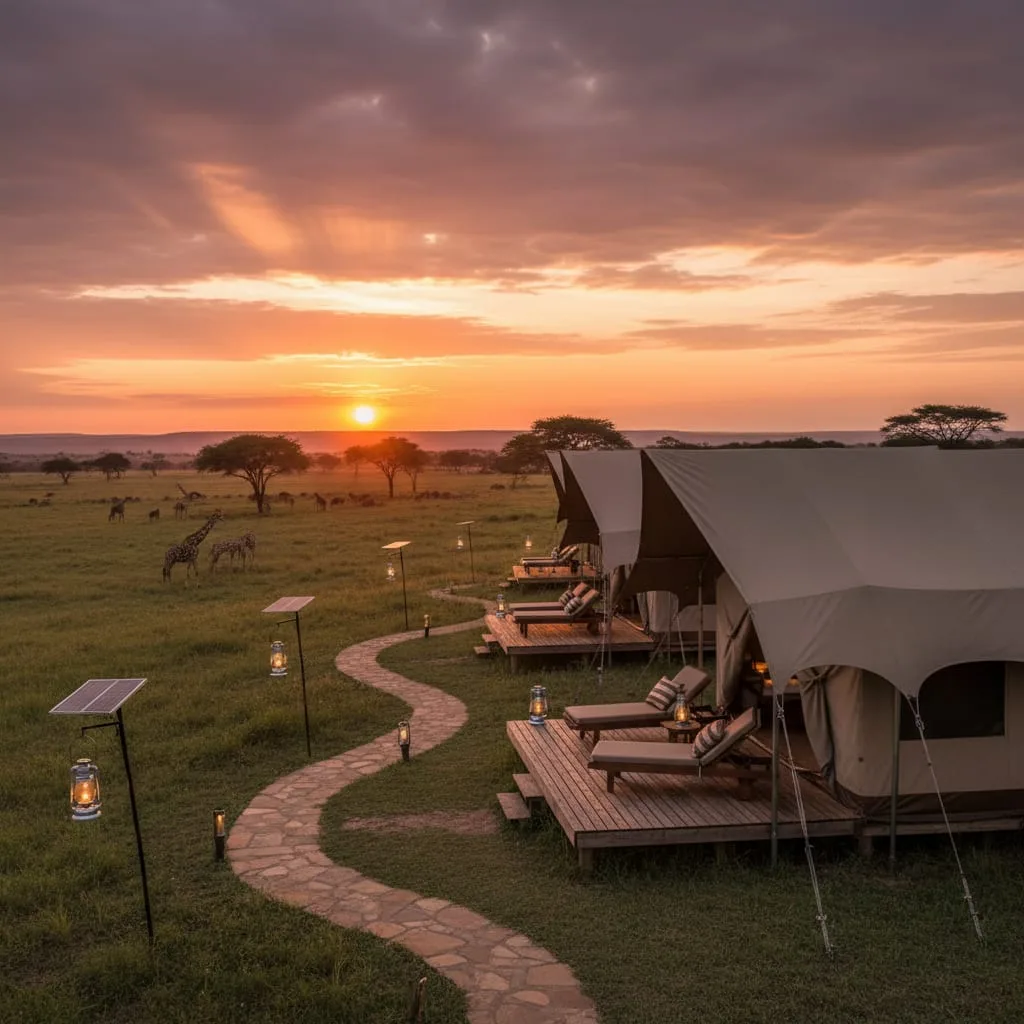
Luxury ($500-800/day): Spacious tented suites with hardwood floors, private decks, sometimes plunge pools. Gourmet meals, premium drinks, personalized service. Private vehicle and dedicated guide for your group. Walking safaris, night drives, and bush dinners included. Worth it for honeymoons or once-in-a-lifetime celebrations.
Ultra-luxury ($1000+/day): Exclusive camps with 6-10 tents total. Fly-camping, helicopter transfers, celebrity-chef cuisine. Unless you have limitless budget, unnecessary — you see the same lions.
7-Day Kenya Safari Itinerary from India
A practical first-timer route:
Day 1: Arrive Nairobi
Land at Jomo Kenyatta International Airport. Immigration is slow — budget 90 minutes. Your driver will be waiting (arrange through your safari operator). Check into a hotel near the airport or in Karen/Langata if you want better surroundings. If you arrive early, visit the Giraffe Centre or Karen Blixen Museum. Don't overplan — you'll be jetlagged.
Day 2: Fly to Masai Mara
Morning flight to Mara (45 minutes, small aircraft, spectacular views). Check into your camp. Afternoon game drive. First day is overwhelming — you'll want to photograph every zebra. That's fine. Evening sundowners watching the sunset over the savanna.
Day 3-4: Full days in Masai Mara
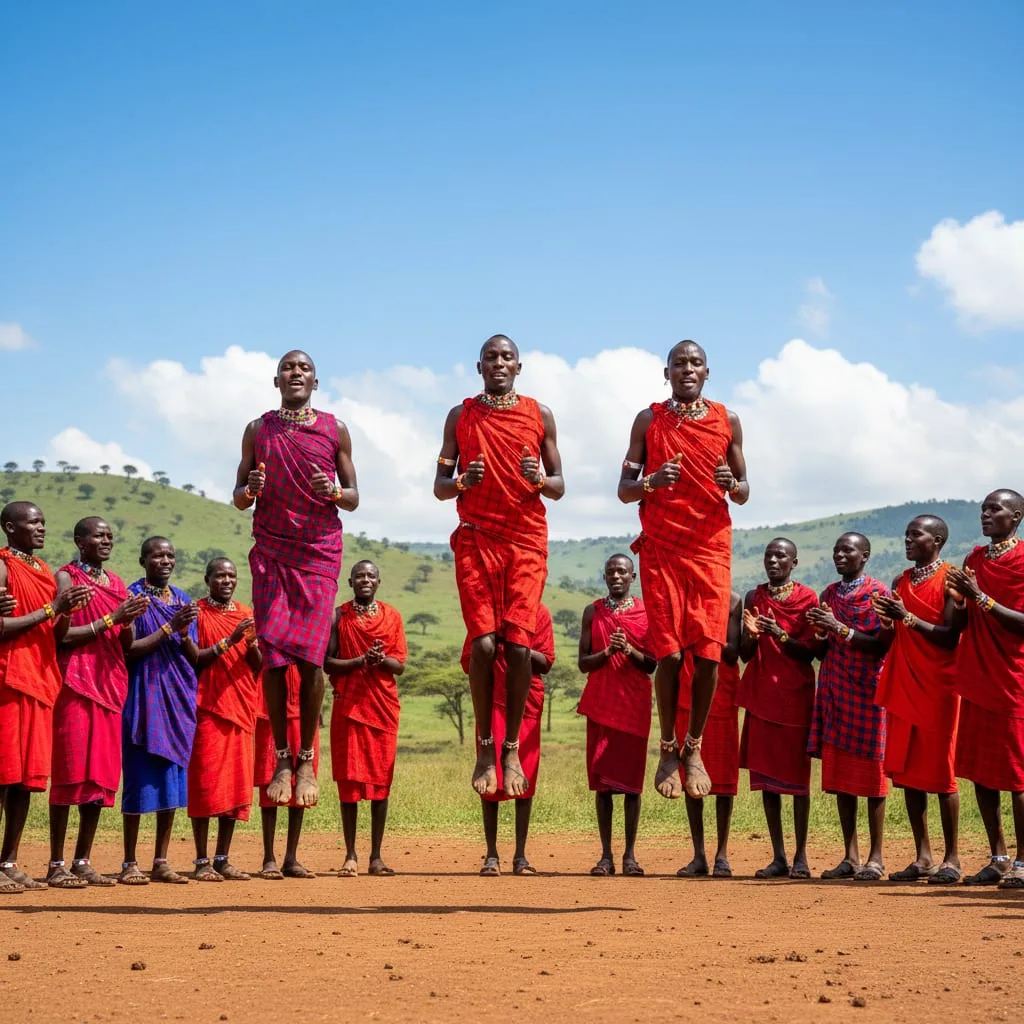
Early morning drives (5:30 AM start — predators are active). Return for brunch, rest during midday heat. Afternoon drives until sunset. Day 3 or 4, book the hot air balloon if budget allows — floating over the Mara at sunrise is genuinely magical. Optional Masai village visit for cultural experience.
Day 5: Masai Mara to Amboseli
Morning game drive, then fly or drive to Amboseli (driving takes 6-7 hours via Nairobi; flying is expensive but saves a day). Afternoon check-in and short game drive. First glimpse of Kilimanjaro if skies are clear.
Day 6: Full day Amboseli
Dawn drive for Kilimanjaro photos (mountain is clearest before 9 AM). Elephant herds everywhere. Observation Hill for panoramic views. Afternoon drive focusing on different areas of the park.
Day 7: Amboseli to Nairobi, Fly Home
Morning game drive if time permits. Drive to Nairobi (4 hours). Optional Nairobi city tour or visit Sheldrick Elephant Orphanage (feeding time 11 AM). Evening flight home.
Packing for Kenya Safari: An Indian Traveler's List
Most packing mistakes come from expecting heat everywhere.
Clothing: Neutral colors only — khaki, olive, brown, beige. Bright colors spook animals. Pack layers — Masai Mara mornings are genuinely cold (10-15°C). A hoodie is not enough at 6 AM; bring a proper jacket. Long sleeves and pants for evening (mosquitoes). A warm hat — you'll be in open vehicles before sunrise.
Footwear: Closed-toe shoes or hiking boots. Sandals are fine at camp but useless on walking safaris or dusty game drives.
Gear: Binoculars (essential — don't rely on your camera zoom). Camera with at least 200mm lens if you're serious about wildlife photography. Power bank — camps have limited charging times. Headlamp for navigating to your tent at night.
Health: Malaria prophylaxis (consult your doctor about which tablets suit you). Sunscreen, insect repellent with DEET, basic first-aid kit. Any prescription medications you need — pharmacies in remote areas are nonexistent.
Documents: Passport with at least 6 months validity, printed eTA approval, yellow fever vaccination certificate, travel insurance documents. India lists Kenya as a yellow fever endemic country, so travellers arriving back in India without a valid certificate can be quarantined for up to six days. The vaccine is only valid from 10 days after the dose, so get it at a centre authorised by the Directorate General of Health Services well before you fly.
Also bring USD cash for tips and small purchases. Ensure your cards work internationally and notify your bank about travel. Our forex guide for Indian travelers covers the best ways to handle money abroad.
Indian and Vegetarian Food on a Kenya Safari
Vegetarian travellers eat well on a Kenya safari, provided the camp knows in advance. Indian food is easy to find in Nairobi and Mombasa, which have long-established Indian-origin communities, and harder in the parks, where camps cook international buffets and set menus.
Nairobi and Mombasa
Parklands and Westlands are the heart of Nairobi's Indian community and have several pure vegetarian restaurants. Chowpaty, which started at Diamond Plaza in Parklands and also has branches at Westpark Towers in Westlands and the Highridge Centre, is fully vegetarian and serves North and South Indian food. Maharaja, opposite MP Shah Hospital on Shivachi Road in Parklands, is another pure vegetarian option for Indian street food and South Indian dishes. Ask about Jain preparation when ordering. For a full North Indian menu that includes meat dishes, Haandi at The Mall on Waiyaki Way in Westlands (open since 1991) is a long-running option. On the coast, Mombasa's Indian-origin community means vegetarian Indian food is easy to find in the city.
In the safari camps
Camps in the Masai Mara, Amboseli and Tsavo generally offer a vegetarian option at every meal, and many cater for vegan, halal and other requirements if told before arrival. Zebra Valley Mara Camp, for example, states that it accommodates vegan, vegetarian, halal and gluten-free requests when they are shared prior to arrival. A few Mara camps are popular with Indian families and put Indian dishes on the menu; ask the operator which camps on your route do this. Put dietary needs in writing at booking and reconfirm before travel.
Jain and no onion-garlic diets
Jain meals are possible but need the most notice. Camp kitchens rely on potatoes, carrots, onion and garlic for vegetarian dishes, so a general vegetarian request is not enough. Send a written list of excluded ingredients, ask whether meals can be prepared separately, and carry a backup supply. On full-day game drives camps usually send a packed lunch; ask for that to be vegetarian or Jain as well.
What to pack
Kenya requires import permits for meat, dairy and poultry products, and agricultural goods must be declared on arrival for inspection by plant health officers. Leave ghee, paneer, fresh fruit and homemade sweets at home. Sealed, commercially packed vegetarian food, such as ready-to-eat meals, instant poha or upma, khakhra and masala sachets, travels best. Keep it within the 15-20 kg bush-plane limit and declare it if asked.
Tanzania and Zanzibar
If the trip continues into the Serengeti, the same approach works: Tanzanian camps cater for vegetarian diets with notice, and Arusha, the usual starting point for northern-circuit safaris, has Indian restaurants, including pure vegetarian ones. Stone Town in Zanzibar has an Indian-origin community and a handful of Indian restaurants.
Booking a Kenya safari package with Indian food
For Kenya or Kenya-Tanzania vacation packages with Indian food, ask the operator to confirm in writing which meals are Indian (every meal, or only dinners in Nairobi), which camps on the route serve Indian or Jain dishes, whether a travelling Indian cook is included on larger group tours, whether vegetarian and Jain meals are cooked separately, and what goes into the packed lunches on game-drive and transfer days.
Safari Photography Tips
Bring more memory cards than you think; several thousand photos in a week is normal. Bring a lens cloth — dust is relentless. Shoot in burst mode for action (river crossings, hunts). Early morning light is golden, literally. Don't just zoom in tight — wide shots showing animals in their habitat often look better than cropped portraits.
And please, put the camera down sometimes. It is easy to spend a whole sighting behind the viewfinder and come home with 200 photos of your first lion but little memory of the moment itself.
Common Mistakes Indian Travelers Make
Underpacking warm clothes: Kenya is near the equator, but high altitude means cold mornings. That "it's Africa, it's hot" assumption will leave you freezing.
Overpacking luggage: Small bush planes have strict weight limits (usually 15-20 kg including carry-on). Pack soft-sided bags, not hard suitcases.
Booking the cheapest package: Common complaints about bottom-price operators include broken-down vehicles, guides who can't identify birds, tents with actual holes. Pay a bit more for reputable operators.
Expecting instant wildlife: Sometimes you drive for hours and see nothing but zebras. That's normal. Patience is essential.
Skipping travel insurance: Medical evacuation from a remote safari camp can cost $50,000+. Insurance that covers this is mandatory, not optional.
Final Thoughts: Is a Kenya Safari Worth the Cost?
At ₹2.5-3.5 lakh per person for a mid-range week, a Kenya safari from India costs about as much as two or three Southeast Asia trips, so it is fair to ask whether it is worth it.
What the money buys is hard to find anywhere else: sunrise drives with cheetahs and lions on the move, hippos grunting in the river below camp at night, and a landscape that makes you feel genuinely small. That is why people save for years to do this.
Some trips are nice; a first safari is often transformative. It isn't cheap, but you get something money can't usually buy: perspective on how astonishing this planet is where it hasn't been paved over.
Start planning. The lions are waiting.
Planning your African safari adventure? Compare the costs and experiences with our South Africa trip guide for another incredible Big Five destination.
Frequently Asked Questions
How much does a Kenya safari cost from India?
A mid-range 7-day Kenya safari from India costs about ₹2.5-3.5 lakh per person, including return flights (₹55,000-85,000), the eTA (about ₹3,300), lodges, game drives and park fees. Budget camping safaris start around ₹1.8 lakh, while luxury safaris can exceed ₹5 lakh. Masai Mara's reserve fee alone is US$100 per adult per day from January to June and US$200 from July to December.
Do Indians need a visa for Kenya?
Yes, Indians need an eTA (Electronic Travel Authorization) for Kenya. Apply online at etakenya.go.ke at least 72 hours before travel. It costs US$30 plus processing fees (about US$34 in total, roughly ₹3,300), is valid for 90 days, and processing is usually within 48 hours. Single entry only.
What is the best time for a Kenya safari?
July to October for the Great Migration in Masai Mara — millions of wildebeest crossing the Mara River is a once-in-a-lifetime sight. January-February is also excellent with fewer crowds and lower prices. Avoid April-May rainy season when roads become impassable.
Is Kenya safe for Indian tourists?
Tourist areas (Masai Mara, Amboseli, Nairobi national parks, Diani Beach) are safe with professional guides and park rangers. Nairobi city requires standard urban caution — avoid Eastleigh and River Road areas at night. Safari lodges and camps have 24/7 security.
Which Kenya safari is best for first-timers?
The classic first-timer combo: 3 days Masai Mara (Big Five, migration) + 2 days Amboseli (elephants with Kilimanjaro backdrop) + 1 day Lake Nakuru (flamingos). This 6-day route covers Kenya's highlights and is offered by most tour operators at every budget level.
Can I get Indian vegetarian or Jain food on a Kenya safari?
Yes, with advance notice. Nairobi has pure vegetarian Indian restaurants in Parklands and Westlands, and most Masai Mara and Amboseli camps offer a vegetarian option at every meal and adjust menus when told before arrival. Jain meals need a written list of excluded ingredients, including onion, garlic and root vegetables, sent at booking. On packages sold with Indian food, confirm which meals are Indian and what goes into the packed lunches on game-drive days.
If you want an even more dramatic migration experience, consider Tanzania's Serengeti, where the Great Migration continues from Kenya with river crossings and predator action that rivals anything in the Masai Mara.
For a completely different safari experience, Namibia offers self-drive safaris through desert landscapes, where you can navigate Etosha National Park independently and photograph the otherworldly dunes of Sossusvlei — all while driving on the left, just like in India.
Planning this trip?
Tell us roughly when and how many — our travel expert sends you a custom quote, usually within a few hours.