

Namibia Self-Drive Safari from India: Etosha, Sossusvlei & Skeleton Coast Complete Guide
In this guide (7)
- Why Namibia is Perfect for Indian Self-Drive Adventurers
- Understanding Namibia Trip from India Cost: The Real Numbers
- The Perfect 14-Day Namibia Self-Drive Itinerary
- Essential Practical Information
- Why Self-Drive Beats Guided Safaris for Namibia
- Combining with Other African Destinations
- Final Thoughts: Is Namibia Worth the Trip?
I still remember the exact moment. Standing at Okaukuejo waterhole at dusk, watching seventeen elephants wade in while a black rhino lurked in the shadows. My rental 4x4 parked twenty meters away. No guide telling me when to leave. No tour bus schedule to follow. Just me, the animals, and the vast Namibian silence. That's the magic of a Namibia trip from India cost that actually makes sense — a self-drive safari where you control every moment of your African adventure.
Namibia is Africa's best-kept secret for Indian travelers, and 2026 might be the year everything changes. With the e-visa for Indians launched in 2024, direct-ish flight connections improving, and infrastructure that makes self-driving genuinely accessible, this desert country is emerging as the continent's hottest destination. Here's everything you need to know about your Namibia trip from India cost breakdown — real costs, practical routes, and the kind of insider details that only come from actually driving those gravel roads.
Why Namibia is Perfect for Indian Self-Drive Adventurers
Before we dive into logistics, let me address the elephant in the room (pun intended). Why would an Indian traveler choose to rent a car and drive through African wilderness instead of booking a comfortable guided safari?
Three reasons. First, Namibia drives on the left — exactly like India. No mental gymnastics required. Second, the country is spectacularly safe, with virtually no carjacking concerns and some of Africa's best-maintained roads. Third, and this is the clincher, self-driving cuts your safari costs by 40-60% compared to guided tours while giving you complete freedom.
The landscape helps too. Unlike dense East African bush where you need a guide to spot animals, Namibia's open desert terrain means wildlife is visible from kilometers away. At Etosha's waterholes, animals come to you. Park, wait, watch. Even a first-time safari-goer can spot elephants, lions, zebras, and rhinos without professional assistance.
Understanding Namibia Trip from India Cost: The Real Numbers
Let's break down exactly what a 14-day Namibia self drive safari costs for an Indian traveler. I'm using 2026 prices based on current rates and reasonable projections.
Flight Costs: ₹40,000-65,000 Return
No direct flights exist between India and Windhoek (Namibia's capital), but you have three solid routing options. Ethiopian Airlines via Addis Ababa typically offers the best value at ₹40,000-50,000 return. Qatar Airways via Doha runs ₹50,000-60,000 but offers superior comfort. South African Airways and Airlink via Johannesburg cost ₹45,000-65,000 depending on season.
Book three months ahead for the best fares. Dry season (June-August) commands premium prices. Shoulder months — May, September, October — offer both good wildlife viewing and lower airfares. Flying into Windhoek's Hosea Kutako International Airport puts you perfectly positioned to collect your rental vehicle and begin the adventure.
4x4 Vehicle Rental: ₹56,000-98,000 for 14 Days
This is your biggest variable expense, and getting it right matters. Namibia demands a 4x4 — not because you'll be doing hardcore off-roading, but because gravel roads are the norm and ground clearance saves your undercarriage (and sanity).
Popular rental options include Namibia2Go, African Car Hire, Asco Car Hire, and Britz. A Toyota Hilux double-cab with rooftop tent runs ₹5,000-7,000/day. A Land Cruiser or Land Rover with full camping kit costs ₹6,000-8,000/day. Budget options like a Suzuki Jimny or Toyota Fortuner without camping gear go for ₹4,000-5,500/day.
I strongly recommend the rooftop tent setup. You'll save massively on accommodation, experience camping under Namibian stars, and have complete flexibility. Most rental packages include comprehensive camping equipment — tent, sleeping bags, cooking gear, fridge, water tanks. Just add food.
Critical tip: Get full insurance with zero excess. Windshield damage from gravel roads is common. The extra ₹8,000-10,000 for complete coverage beats a ₹40,000 windshield replacement bill.
Accommodation: ₹0-35,000 Total
Here's where self-driving shines. With a rooftop tent, you can camp at NWR (Namibia Wildlife Resorts) campsites inside national parks for ₹1,200-2,000/night. That's two people, with access to clean ablution facilities, braai pits, and often stunning locations right next to waterholes.
Mix camping with occasional lodge nights for comfort resets. Budget lodges run ₹3,000-5,000/night. Mid-range safari lodges cost ₹6,000-12,000/night. Even splurging on two or three nice lodges while camping the rest keeps total accommodation under ₹35,000 for two weeks — a major factor in keeping your Namibia trip from India cost manageable.
Park Fees and Permits: ₹12,000-15,000
Etosha National Park charges ₹800/person/day plus ₹80/vehicle. For three days, budget ₹5,500 for two people. Sossusvlei/Namib-Naukluft Park runs ₹800/person/day. Skeleton Coast has varying fees depending on which section you visit. Factor ₹12,000-15,000 total for park entries across your trip.
Fuel: ₹25,000-35,000
Namibia's distances are vast — you'll cover 2,500-3,500 kilometers on a typical circuit. Fuel costs approximately ₹140/liter (diesel), and a 4x4 averages 10-12 km/liter on mixed terrain. Budget ₹25,000-35,000 for fuel depending on your exact route and driving style. This is one expense that remains constant regardless of your Namibia trip from India cost bracket.
Food and Supplies: ₹15,000-25,000
Self-catering is the Namibian way. Stock up at Shoprite or Pick n Pay in Windhoek — fresh meat for braai (BBQ), vegetables, pasta, bread, and snacks. You'll spend ₹10,000-15,000 on groceries for two weeks. Add ₹5,000-10,000 for occasional restaurant meals in towns like Swakopmund.
Miscellaneous: ₹8,000-12,000
E-visa fee (₹6,600), International Driving Permit (₹1,500), travel insurance (₹2,000-4,000), and sundries. Don't skip travel insurance — medical evacuation from remote areas isn't cheap.
Total Namibia Trip from India Cost Summary
Budget self-drive (camping throughout): ₹1.5-1.8 lakhs per person
Mid-range (camping + occasional lodges): ₹2-2.5 lakhs per person
Comfortable (mix of lodges and luxury camps): ₹2.5-3.5 lakhs per person
Compare that to guided safari packages from India that start at ₹3.5 lakhs and quickly hit ₹5-6 lakhs for similar durations. Self-driving isn't just adventurous — it's economically brilliant.
The Perfect 14-Day Namibia Self-Drive Itinerary
This route covers Namibia's greatest hits while maintaining a sensible pace. When planning your Namibia trip from India cost and time budget, remember that rushing through this landscape defeats the purpose — the journey is the destination.
Days 1-2: Windhoek to Etosha (via Okahandja)
Collect your 4x4 at Windhoek airport, drive to Shoprite for groceries, then head north on the B1. The 450km drive to Etosha takes 4-5 hours on excellent tar road. Stop at Okahandja's woodcarving market for souvenirs.
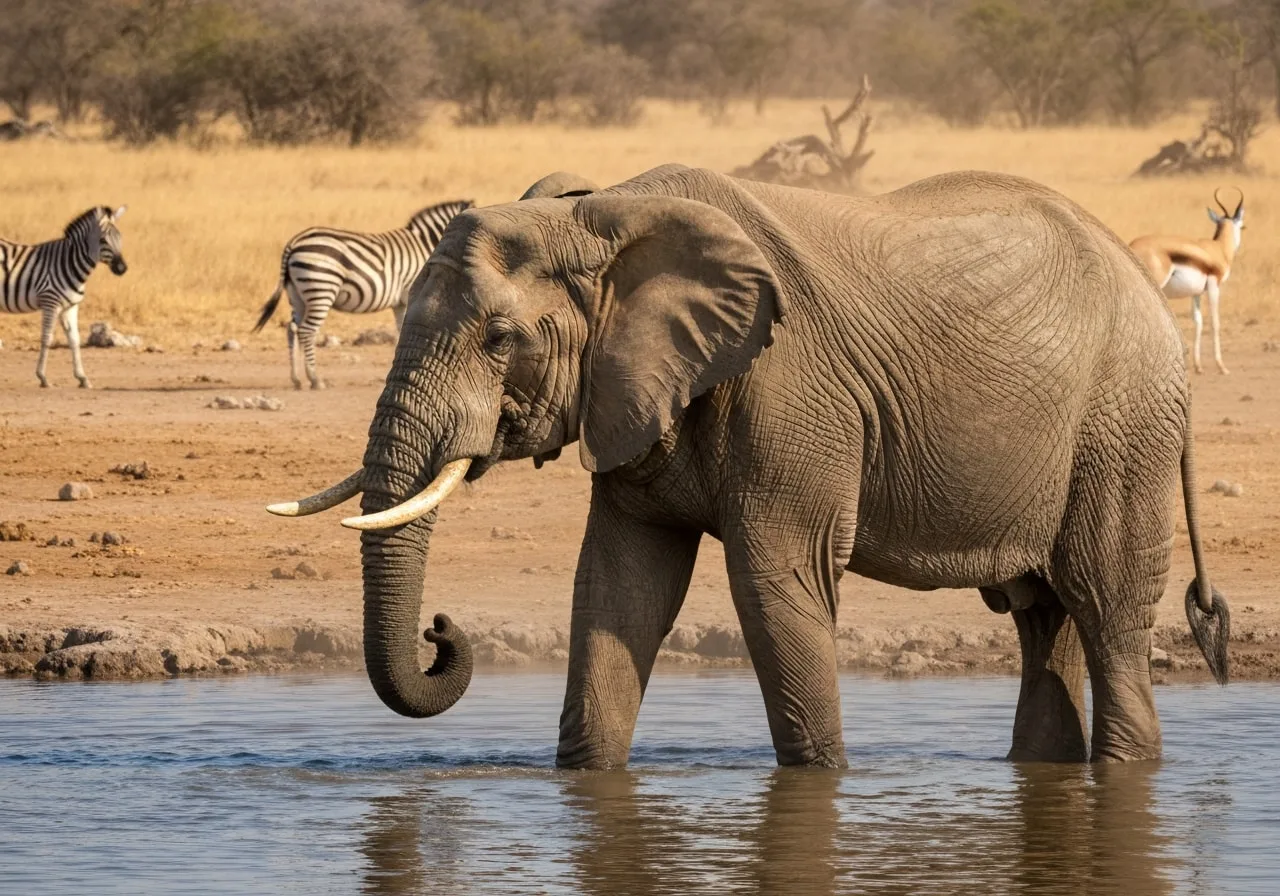
Enter Etosha via Anderson Gate and check into Okaukuejo Camp. This famous rest camp has a floodlit waterhole where elephants, rhinos, and lions drink through the night. Set up your rooftop tent, braai some boerewors (sausages), and watch the waterhole show until midnight.
Days 3-4: Etosha National Park Game Drives
Two full days inside Etosha National Park India travelers rave about. The park's vast salt pan is surrounded by waterholes that guarantee sightings. Start early — 6 AM gate opening — and loop through Okaukuejo, Halali, and Namutoni waterholes.
Species you'll likely spot: elephants (abundant), springbok (everywhere), zebra, wildebeest, giraffe, oryx, kudu, and lions. Black rhinos appear at waterholes from dusk. Leopards and cheetahs are possible but require patience. Self-driving works brilliantly here — waterholes are signposted, roads are well-graded gravel, and animals are accustomed to vehicles.
Spend one night at Halali Camp (mid-park, another great waterhole) before exiting via Von Lindequist Gate.
Days 5-6: Damaraland — Desert Elephants & Ancient Rock Art
Drive south through Damaraland, one of Namibia's most dramatically beautiful regions. The landscape shifts from savanna to moon-like boulder fields and rust-red mountains.
Must-do: Twyfelfontein, a UNESCO World Heritage Site with 6,000-year-old San Bushmen rock engravings. The guided walk among ancient petroglyphs — giraffes, rhinos, human footprints — is genuinely humbling.
If time permits, join a half-day tour to find Damaraland's famous desert-adapted elephants. These aren't fenced park animals — they roam free across the concessions, adapted to survive on minimal water. Tracking them with local guides costs ₹3,000-4,000/person but delivers one of Africa's most unique wildlife encounters.
Camp at Mowani Mountain Camp or budget-friendly Aba-Huab Campsite.
Day 7: Skeleton Coast — Shipwrecks and Seal Colonies
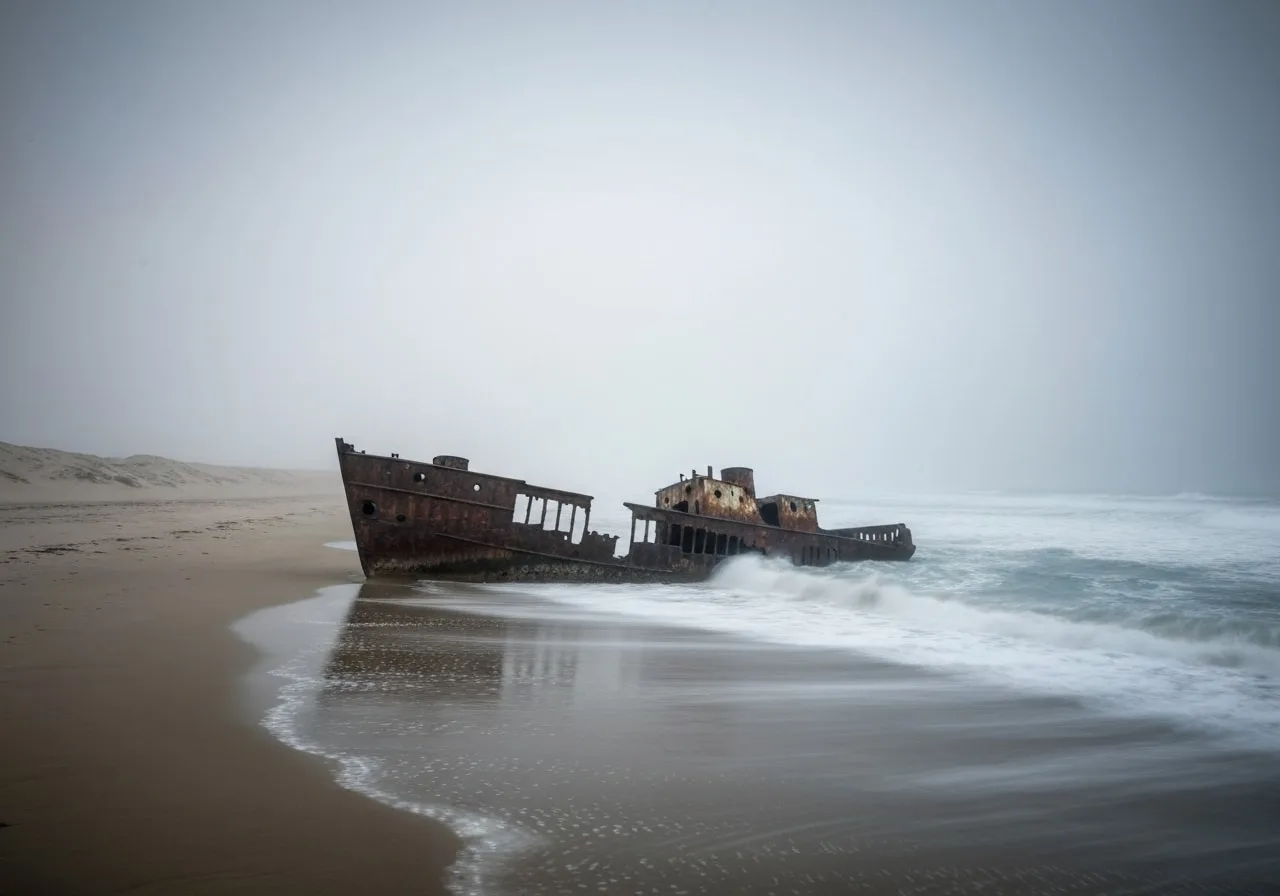
Head west toward the Atlantic. The Skeleton Coast earned its ominous name from centuries of shipwrecks along this fog-shrouded shore. Portuguese sailors called it "The Gates of Hell."
Stop at Cape Cross, home to 100,000+ Cape fur seals. The noise is deafening, the smell is... memorable, and the sight is absolutely extraordinary. Seals pile on rocks, play in surf, and nurse pups while you walk elevated boardwalks among them.
The southern Skeleton Coast is accessible by regular vehicle. For the remote northern sections, you'd need special permits and a serious expedition setup. The accessible portions still deliver the eerie shipwrecks, dune-meets-ocean drama, and that distinctly apocalyptic atmosphere.
Continue south to Swakopmund for the night.
Days 8-9: Swakopmund — Adventure Capital
Swakopmund feels like Bavaria teleported to Africa. German colonial architecture, excellent bakeries, and adventure activities everywhere you look.
Take a rest day from driving. Optional activities: sandboarding on dunes (₹2,500), quad biking in the desert (₹3,500), skydiving over the coast (₹15,000), kayaking with seals at Walvis Bay (₹3,000), or simply wandering the pleasant town eating apple strudel.
Swakopmund's restaurants are Namibia's best — try fresh oysters at The Tug, German cuisine at Jetty 1905, or seafood at Kücki's Pub. After days of self-catered braais, a proper dinner feels earned.
Days 10-11: Sossusvlei and Deadvlei — The Iconic Dunes
Drive south via the C14 and C19 to Sesriem Gate, entry point for Sossusvlei from India bucket lists. Stay at NWR Sesriem Campsite or splurge on Sossusvlei Lodge for easier predawn access.
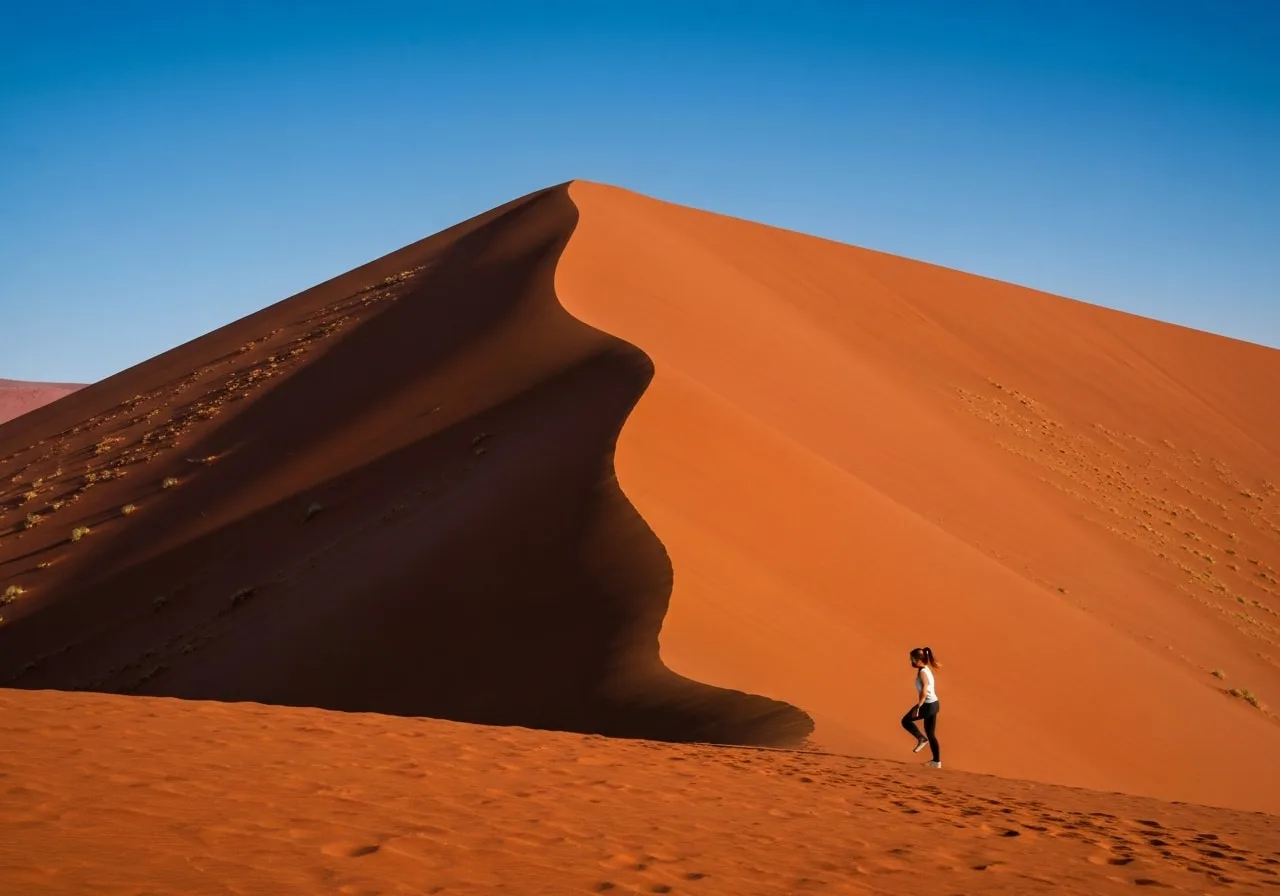
Wake before dawn — gates open at sunrise, and you want to catch Dune 45 and Deadvlei in that golden hour light. Dune 45, named for its distance in kilometers from Sesriem, rises 170 meters and is the classic Namibia photograph. Climbing takes 20-30 minutes in soft sand. Worth every gasping breath for the sunrise view across endless orange dunes.
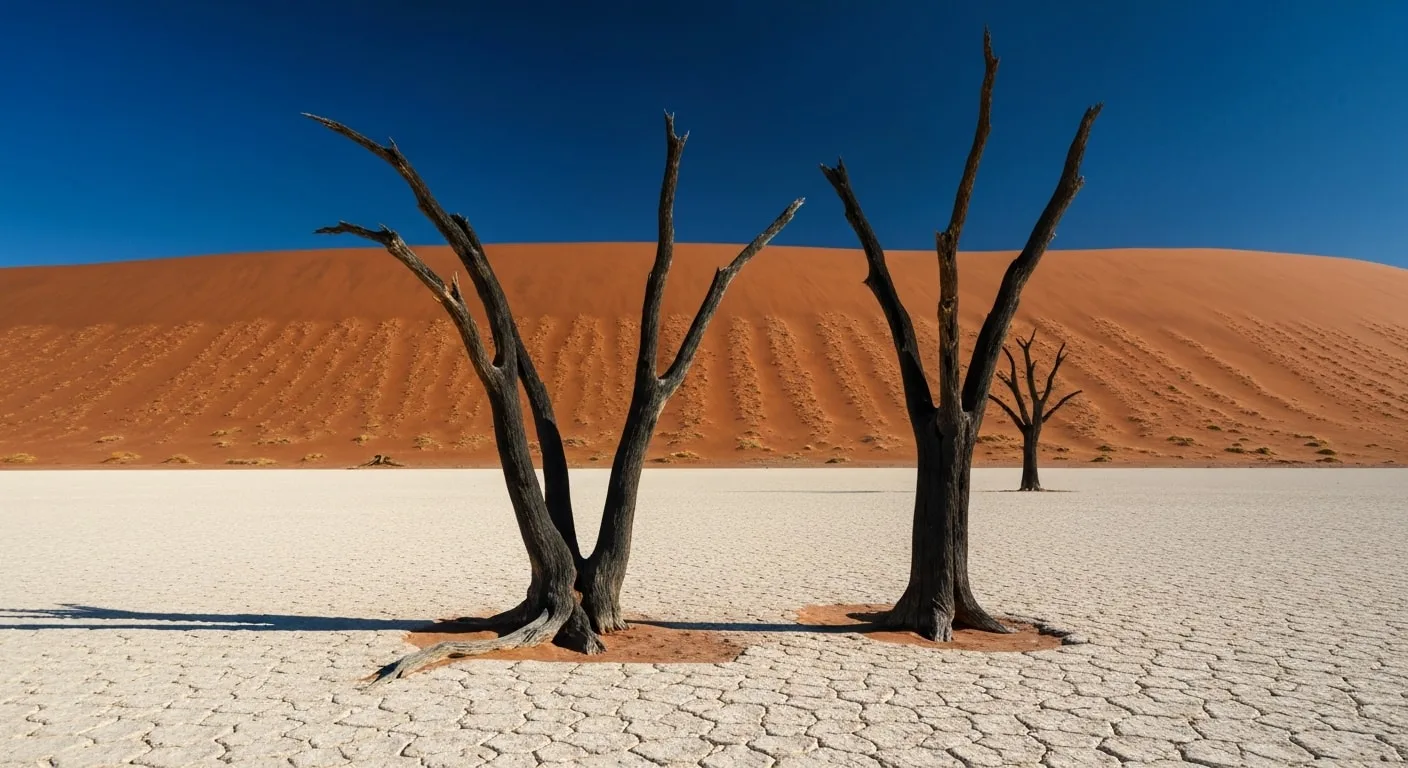
Deadvlei is otherworldly. A white clay pan surrounded by some of Earth's highest dunes, dotted with 900-year-old dead camelthorn trees. The trees can't decompose — too dry — so they stand frozen in time, black skeletons against orange and blue. Every photo looks surreal because the place is genuinely surreal.
The road from Sesriem to Sossusvlei parking is 65km. A 4x4 is mandatory for the final 5km to Deadvlei's shuttle point — 2WD vehicles must park earlier and walk or catch the shuttle (₹300/person). This is where your 4x4 rental pays for itself.
Days 12-13: Return to Windhoek via Solitaire
The drive back to Windhoek takes 5-6 hours via Solitaire, an iconic roadside stop famous for its apple pie (genuinely excellent) and photogenic abandoned cars. Fill up on fuel here — the next station is distant.
Spend your final night in Windhoek. The capital is pleasant but not a destination — use it for last-minute shopping at the Namibia Craft Centre or a final dinner at Joe's Beerhouse (a Windhoek institution).
Day 14: Vehicle Return and Departure
Return your 4x4, conduct the final inspection (this is when you'll be grateful for that full insurance), and fly home via your hub city. Allow time for the vehicle return process — plan to reach the rental depot 3-4 hours before your flight.
Essential Practical Information
Visa Requirements for Indians
Namibia introduced e-visas for Indian passport holders in 2024. Apply online via the official Namibia e-visa portal at least two weeks before departure. You'll need a passport scan, recent photo, confirmed accommodation bookings, flight itinerary, and proof of funds. The tourist e-visa costs approximately $80 (₹6,600), is valid for 90 days, and permits stays up to 30 days.
Processing typically takes 5-10 business days. Print your approved e-visa — you'll need it at immigration.
International Driving Permit
An IDP is mandatory for driving in Namibia. Apply at your local RTO in India with your existing license, passport photos, and ₹1,000-2,000 fee. The IDP is valid for one year and recognized in most African countries.
Best Time to Visit
For the best value on your Namibia trip from India cost, May to October (Namibian winter/dry season) is ideal. Temperatures are pleasant — 15-25°C during the day, dropping to near-freezing at night. Animals concentrate around water sources, making Etosha game viewing spectacular. June to August offers peak wildlife but also peak tourist numbers and prices.
Shoulder seasons — late April, early May, September, October — balance good weather, excellent wildlife, fewer crowds, and lower costs. The wet season (November-March) brings rain, flooding, and dispersed animals. Not ideal for first-timers.
Health and Safety
Namibia is malaria-free in the south but carries some risk in northern areas including Etosha. Consult your doctor about prophylaxis. No mandatory vaccinations exist, but hepatitis A, typhoid, and routine immunizations are recommended.
The country is remarkably safe. Crime exists in Windhoek like any capital, but tourist areas see minimal issues. Lock your vehicle, don't leave valuables visible, and you'll be fine. The wildlife is the "danger" — never exit your vehicle near predators, and respect animal space at waterholes.
Driving Tips
Left-hand driving (same as India) makes the transition easy. Key differences: speed limits are strictly enforced (120 km/h on tar, 80 km/h on gravel), wildlife crosses roads unpredictably, and gravel roads demand concentration.
Never drive at night. Animals are active after dark, and hitting a kudu at 80 km/h ruins your safari and the kudu's day permanently. Plan your days to reach accommodation before sunset.
Distances are vast. Namibia is three times the size of the UK with fewer than 3 million people. Fuel stations exist in towns but can be 200-300km apart. Top up whenever you see a pump. Carry 20 liters of spare fuel for remote sections.
Connectivity and Communication
Buy a local SIM card at Windhoek airport — MTC has the best coverage. 4G works in towns, 3G on main routes, and nothing in remote areas. Download offline maps (Maps.me or Google Maps offline) before leaving Windhoek. Cell signal is unreliable in national parks and along the Skeleton Coast.
Why Self-Drive Beats Guided Safaris for Namibia
Guided safaris have their place — Kenya and Tanzania's dense bush genuinely benefit from expert trackers. But Namibia is built for independence. The open terrain, excellent infrastructure, and self-service campsite culture reward travelers who want to go at their own pace.
Staying late at a waterhole because a pride of lions just arrived? Do it. Waking at 4 AM to photograph Deadvlei before crowds? Your call. Spending an extra day somewhere unexpectedly beautiful? No tour schedule stopping you.
Plus, the adventure travel destinations from India landscape is changing. Indian travelers increasingly want experiences, not packages. Namibia delivers that in spades.
If this is your first self-drive road trip abroad, Namibia is arguably the perfect starting point. English is widely spoken, signs are clear, and the tourism infrastructure supports independent travelers without coddling them.
Combining with Other African Destinations
Since you're routing through Johannesburg, consider adding a few days in South Africa. The South Africa trip from India cost guide covers options from Cape Town wine country to Kruger National Park.
Alternatively, Ethiopian Airlines' routing through Addis Ababa offers stopover possibilities. And if this safari awakens a wildlife obsession (it probably will), the Kenya safari from India cost guide covers East Africa's classic parks for future planning.
Final Thoughts: Is Namibia Worth the Trip?
I've driven safaris in Kenya, Tanzania, South Africa, and Botswana. Namibia remains my favorite. Not for the most animals or the biggest cats — those belong to the Mara and Serengeti. But for the complete experience? The sense of adventure, the dramatic landscapes, the freedom of self-reliance, the value for money?
Nothing beats waking up in your rooftop tent, brewing coffee as the Namibian sun rises over red dunes, knowing the only schedule is the one you've set. That's what draws people back. That's what makes the flight worth it.
At TripCabinet, we've helped Indian travelers plan self-drive adventures across multiple continents. Namibia consistently ranks among the most rewarding. If you're ready to swap cruise ship predictability for genuine African adventure, this is your destination.
The elephants at Okaukuejo are waiting. And they don't care what time you show up. Your Namibia trip from India cost is an investment in adventure — one that pays dividends in memories.
How to Plan a Namibia Self-Drive Safari from India
Step-by-step guide to planning your Namibia self-drive adventure including visa, flights, 4x4 rental, and route planning.
Apply for Namibia e-visa
Submit your e-visa application at ninavisa.com at least 2 weeks before departure. You'll need passport scans, photos, and travel itinerary. Costs ~$80 (₹6,600).
Book flights via hub cities
Book flights to Windhoek via Johannesburg (SAA, Airlink), Addis Ababa (Ethiopian Airlines), or Doha (Qatar Airways). Expect ₹40,000-65,000 return depending on season.
Reserve your 4x4 vehicle
Book a 4x4 with rooftop tent or camping equipment from Namibia2Go, African Car Hire, or Asco Car Hire 2-3 months ahead. Budget ₹4,000-7,000/day. Get full insurance coverage.
Obtain International Driving Permit
Apply for an IDP from your local RTO in India. Costs ₹1,000-2,000 and is mandatory for driving in Namibia.
Plan your route and book camps
Map your 12-14 day route covering Etosha, Sossusvlei, Swakopmund, and optionally Skeleton Coast. Book NWR campsites and lodges 3-4 months ahead for dry season.
Pack safari and camping essentials
Bring warm layers (desert nights are cold), sun protection, binoculars, headlamp, and download offline maps. Stock up on groceries in Windhoek for self-catering.