

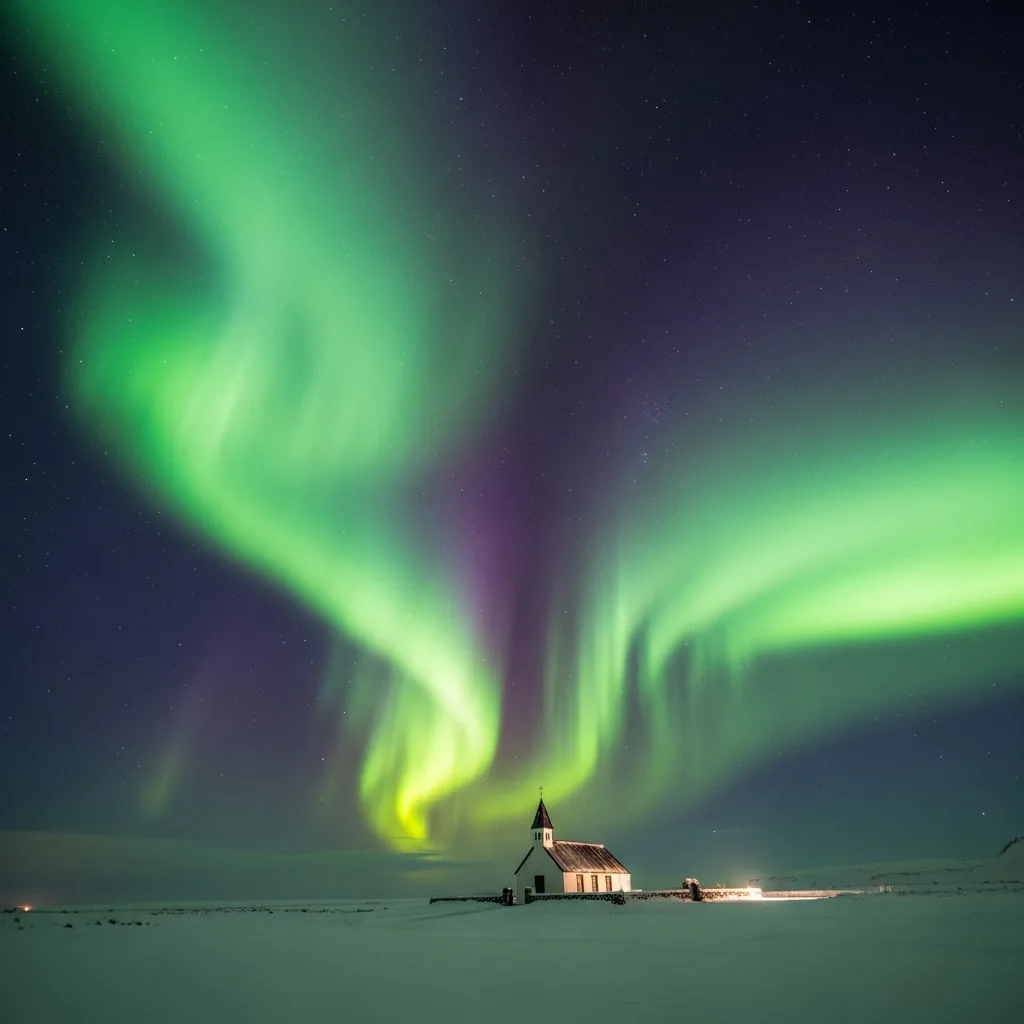
Iceland Trip from India: Northern Lights, Cost & 2026 Guide
In this guide (16)
- Why 2026 Is Still a Strong Year for Northern Lights in Iceland
- Getting to Iceland: Flights from India
- Schengen Visa for Iceland: What Indian Passport Holders Need
- The Golden Circle: Iceland's Classic Day Trip
- Blue Lagoon: Worth the Hype or Tourist Trap?
- South Coast: Black Sand Beaches and Glacier Walks
- Ring Road: The Ultimate Iceland Road Trip
- Whale Watching in Húsavík
- What Does an Iceland Trip from India Cost? Real Numbers
- Iceland Trip Cost from India for a Couple
- Food in Iceland: Yes, It Is That Expensive
- Practical Tips for Indian Travellers
- Best Months to Visit Iceland
- Sample 7-Day Iceland Itinerary
- Frequently Asked Questions
- Final Thoughts
Plenty of Indian travellers spend weeks deciding whether Iceland is too expensive. Then they stand on a frozen lava field at 2 AM, watching green and purple light move across the sky, and understand why people spend their savings on this volcanic island in the middle of the Atlantic. If you are researching iceland trip from india cost, this guide gives the real numbers, not the sanitised budget-friendly estimates found elsewhere. Iceland is expensive. Properly expensive. But 2026 is still a strong year to go, and here is why.
Here is the thing about Iceland that nobody tells you upfront: it will wreck your travel budget and your expectations simultaneously. You will pay ₹800 for a basic sandwich. You will also see glaciers calving into black lakes, geysers erupting every eight minutes, and — if the aurora gods smile on you — curtains of light that make every rupee worth it. Solar Cycle 25 reached its solar maximum period in 2024, according to NASA and NOAA, and activity stays elevated into 2026, so strong aurora displays remain more likely than in a quiet year. This is not marketing fluff. This is physics. And Indian travelers are finally catching on.
Why 2026 Is Still a Strong Year for Northern Lights in Iceland
NASA and NOAA announced in October 2024 that the Sun had reached the solar maximum period of Solar Cycle 25, with sunspot numbers at a 23-year high. What does that mean for you? Around solar maximum the Sun throws out more charged particles, and those particles create the aurora borealis when they hit Earth's magnetic field. Activity does not switch off after the peak, so 2026 remains a better aurora year than the quiet phase later in the cycle.

Plan several nights of aurora hunting, because cloud is the usual spoiler: on a five-night trip it is normal for some nights to be cloudy and others to show only a faint green shimmer. On a strong night the Kp index reaches 5 or more (Kp 5 is the threshold for a geomagnetic storm) and the whole sky can light up. A modern phone in night mode captures usable shots; a camera on a tripod with manual settings does far better.
The best months for Northern Lights are September through March. Peak darkness runs from November to February, but September and October offer a sweet spot — decent dark hours plus milder temperatures that do not freeze your camera batteries in twenty minutes. March gives you longer days for sightseeing plus aurora chances at night. Pick your trade-off.
Getting to Iceland: Flights from India
No direct flights exist from India to Iceland. Zero. You will always connect somewhere in Europe — typically London, Copenhagen, Amsterdam, or Frankfurt. Icelandair dominates the Reykjavik routes, but you can also fly via British Airways, SAS, or Lufthansa to get to Keflavik Airport.
Realistic return airfares from India:
- Budget season (Jan-Feb, Nov): ₹65,000-75,000 return per person
- Shoulder season (March, Oct): ₹75,000-85,000 return
- Peak summer (June-Aug): ₹85,000-95,000 return
- Christmas/New Year: ₹1,00,000+ return (book six months ahead)
Pro tip: track flights using Google Flights and set alerts. Midweek departures and connections via Copenhagen or other hubs are often cheaper than the obvious London routing, so compare several. Also, check out our guide on finding cheap international flights from India — the airline search strategies apply perfectly to Iceland routes.
One more thing. Keflavik Airport is 50 kilometres from Reykjavik. Airport bus costs around ₹2,500 one way. Taxis will murder your wallet at ₹15,000+. Book the Flybus or Gray Line shuttle in advance.
Schengen Visa for Iceland: What Indian Passport Holders Need
Iceland is part of the Schengen Area despite not being in the EU. You need a Schengen visa from the Embassy of Iceland in New Delhi, with applications handled by its official partner VFS Global. The process:
- Visa fee: €90 (approximately ₹9,900)
- VFS service charge: ₹2,500
- Processing time: 15 calendar days (apply at least 3 weeks early)
- At the border: the EU Entry/Exit System (EES), in operation since 12 October 2025, records your fingerprints and photo at your first Schengen entry, so allow extra time at passport control on the first trip
- Documents: Confirmed hotel bookings, flight itinerary, travel insurance (€30,000 minimum coverage), bank statements showing ₹1 lakh+ balance, employment letter
The embassy wants to see financial stability. Iceland is expensive, they know it, and they want proof you can afford it. Three months of bank statements with healthy balances work better than a sudden large deposit. They have seen that trick before. Our first-timer Europe guide covers Schengen visa strategies in detail — same process applies for Iceland.
The Golden Circle: Iceland's Classic Day Trip
Every Iceland itinerary starts here, and honestly, there is a reason. The Golden Circle packs three major attractions into a 300-kilometre loop that takes about eight hours with proper stops. You can join a bus tour (₹8,000-12,000 per person) or rent a car and do it yourself.
Thingvellir National Park — where the North American and Eurasian tectonic plates literally pull apart. You can stand in the rift valley between two continents. The Althing, the world's oldest parliament, met here from 930 AD. Snorkel or dive the Silfra fissure for ₹15,000-20,000 if you want to swim between continents in glacier-clear water. Yes, you need a drysuit. No, you will not regret it.
Geysir Geothermal Area — the original geyser that gave all geysers their name. Geysir itself barely erupts anymore, but Strokkur goes off every 6-10 minutes with a 20-30 metre water column. Stand upwind. The smell of sulfur takes some getting used to, but watching superheated water explode from the earth never gets old.
Gullfoss — "Golden Falls" crashes down two tiers into a rugged canyon. Summer brings rainbows in the mist; winter freezes the spray into ice sculptures on the viewing platforms. This waterfall would be the headline attraction in most countries. In Iceland, it is "just another waterfall." That tells you something about this country.
Blue Lagoon: Worth the Hype or Tourist Trap?
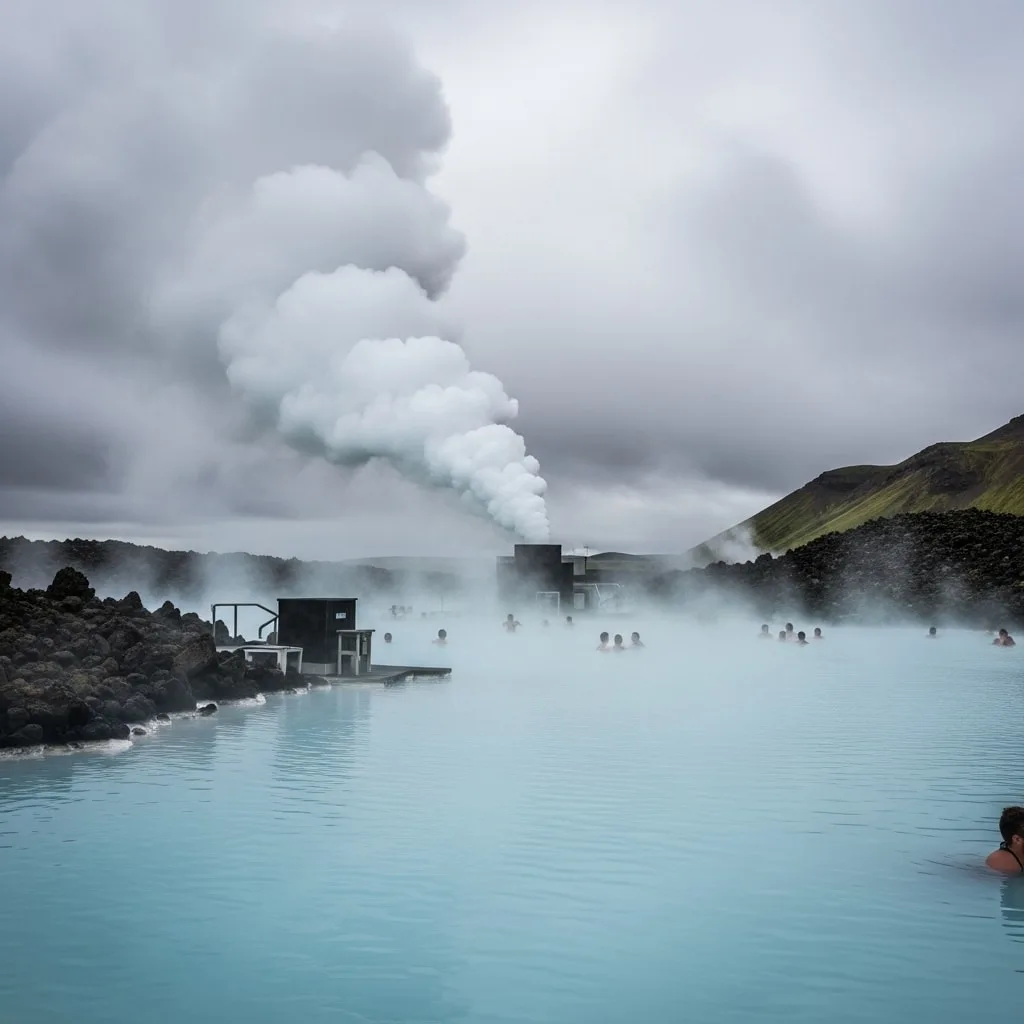
The Blue Lagoon sits on the way between Keflavik Airport and Reykjavik, making it a convenient first or last stop. The milky blue water comes from a geothermal power plant — essentially heated wastewater that turned out to be mineral-rich and good for skin. Corporate brilliance, really.
Is it touristy? Absolutely. Is it still worth doing once? For most first-timers, yes. The experience of floating in 38°C water while snow falls on your head and steam rises around you — it photographs beautifully and feels genuinely relaxing after a long flight. But manage your expectations.
Entry costs:
- Comfort package: ₹8,500 (entry, silica mask, towel)
- Premium package: ₹12,000 (adds robe, slippers, second mask, drink)
- Retreat Spa: ₹30,000+ (private lagoon, luxury treatments)
Book at least two weeks in advance during peak season. Walk-ins rarely work. And the silica from the water will destroy your hair — slather conditioner on before entering and do not put your head underwater.
Alternative: Sky Lagoon opened in 2021 near Reykjavik with ocean views and a proper seven-step ritual. Less crowded, more atmospheric, similar price. Secret Lagoon in Fludir offers a more natural experience at half the cost (₹4,000) but lacks the iconic blue colour.
South Coast: Black Sand Beaches and Glacier Walks
If the Golden Circle is Iceland's greatest hits, the South Coast is the deep cuts album. A day trip covers the basics, but spending two nights along this stretch lets you actually absorb it.
Seljalandsfoss — you can walk behind this 60-metre waterfall. Bring waterproof everything. Your phone will get wet. You will not care because the photos through the falling curtain are worth it.
Skogafoss — impossibly wide and powerful, with a staircase to the top for leg-burning panoramic views. Legend says a Viking settler hid a chest of treasure behind these falls; the climb to the top costs nothing.
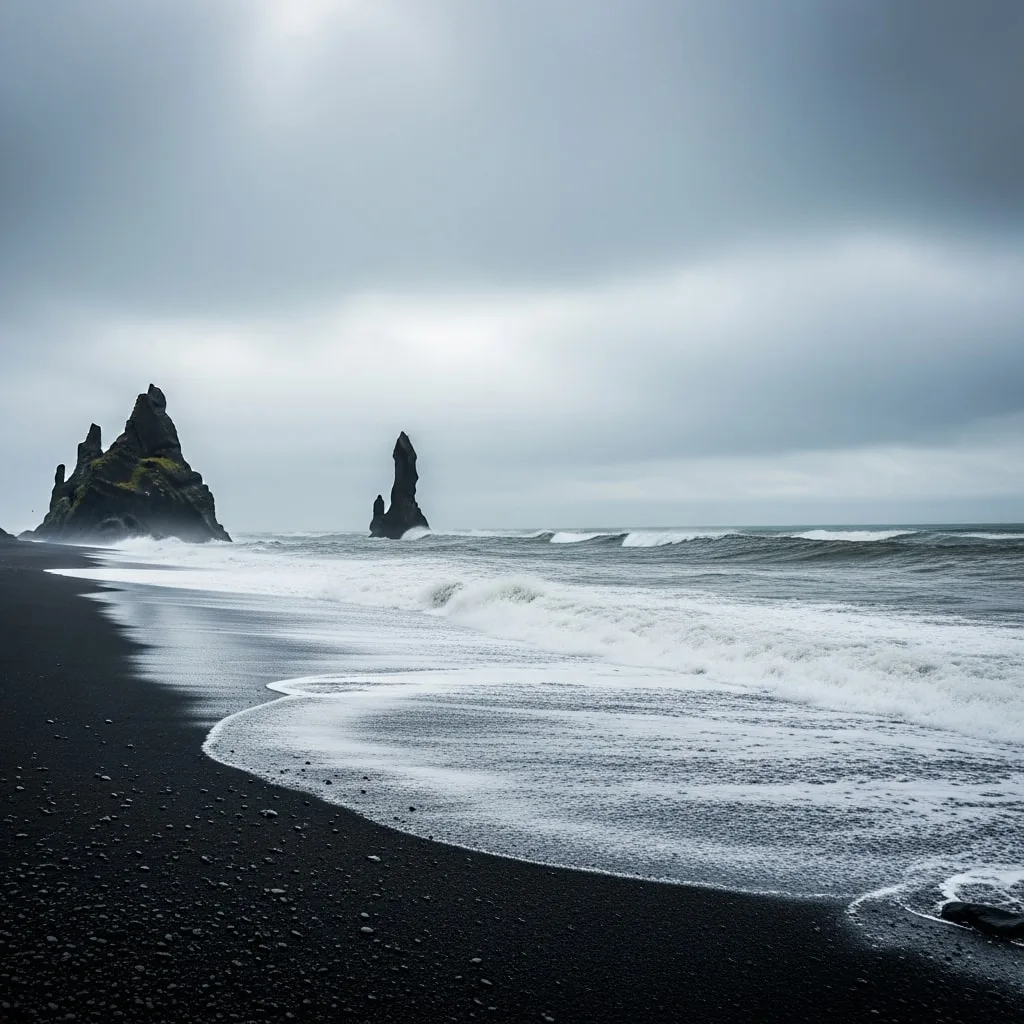
Reynisfjara Black Sand Beach — forget everything you know about beaches. This one is jet black, backed by hexagonal basalt columns, with Reynisdrangar sea stacks rising from the waves offshore. The Atlantic here is brutal. Sneaker waves have killed tourists — stay well back from the waterline, seriously. The beach is dramatic and dangerous in equal measure.
Glacier Hiking on Sólheimajökull — you need crampons and a guide, both provided by tour companies (₹10,000-15,000 for 3-4 hours). Walking on a glacier feels otherworldly — blue ice crevasses, volcanic ash layers marking eruption history, the constant creaking of ice shifting. For many visitors it is the highlight of the trip.
Ring Road: The Ultimate Iceland Road Trip
The Ring Road (Route 1) circles the entire island in about 1,300 kilometres. Minimum time needed: seven days if you rush, ten days recommended, two weeks ideal. You will need a rental car — and this is where the budget adds up fast.
Car rental costs:
- Small car (Yaris equivalent): ₹5,000-7,000/day
- SUV/4x4 (essential for highlands and winter): ₹8,000-15,000/day
- Camper van: ₹12,000-20,000/day (saves on accommodation)
Add gravel protection and full collision waiver — Iceland's roads chew up cars, and you do not want to pay for windshield damage at departure. Fuel runs about ₹200/litre (ouch), and there are no Uber, Ola, or equivalent services anywhere in the country. Outside Reykjavik, you drive or you do not go.
Highlights around the Ring Road that most day-trippers miss:
- Jökulsárlón Glacier Lagoon: icebergs calving into a lake, seals swimming between them, absolutely surreal
- Diamond Beach: ice chunks wash up on black sand, glittering like massive gems
- Stuðlagil Canyon: hidden basalt column canyon that Instagram discovered in 2020, still relatively uncrowded
- Húsavík: whale watching capital of Europe (more on this below)
- Mývatn: volcanic lakes, pseudo-craters, and geothermal caves you can actually explore
- Akureyri: Iceland's second city, surprisingly charming, with its own botanical garden
Whale Watching in Húsavík
Húsavík, on the north coast, offers the best whale watching odds in Europe. Humpbacks are common. Blue whales — the largest animals ever to exist on Earth — show up regularly between June and August.
Tours cost ₹12,000-15,000 for three hours. Carbon-fibre boats give a rougher but more intimate experience; larger ships are steadier but more crowded. Seasickness pills recommended — the North Atlantic does not care about your plans.
Reykjavik also offers whale watching (similar prices, slightly lower success rates), which works if you are short on time. But Húsavík is special. The town itself has fewer than 3,000 people, a whale museum worth visiting, and a proper fishing village atmosphere that Reykjavik lost decades ago.
What Does an Iceland Trip from India Cost? Real Numbers
Here is the breakdown. These figures assume a 7-night trip for one person:
Budget Traveller (hostels, cooking own meals, bus tours):
- Flights: ₹70,000
- Accommodation: ₹35,000 (hostel dorms at ₹5,000/night)
- Food: ₹20,000 (mostly supermarket + occasional restaurant)
- Activities: ₹25,000 (Golden Circle tour, one lagoon, Northern Lights tour)
- Transport: ₹15,000 (airport transfers, buses)
- Total: ₹1,65,000
Mid-Range Traveller (guesthouses, rental car, mix of eating out):
- Flights: ₹75,000
- Accommodation: ₹70,000 (guesthouses at ₹10,000/night)
- Food: ₹35,000
- Activities: ₹40,000 (glacier hike, whale watching, lagoons)
- Car rental + fuel: ₹50,000
- Total: ₹2,70,000
Comfort Traveller (nice hotels, full experiences):
- Flights: ₹85,000
- Accommodation: ₹1,20,000 (hotels at ₹17,000/night)
- Food: ₹50,000
- Activities: ₹60,000 (ice cave, helicopter tour, premium experiences)
- 4x4 rental + fuel: ₹70,000
- Total: ₹3,85,000
For couples, the total is roughly 1.5 times the solo figure at mid-range and comfort level (you split the room and the car) and close to double on a hostel budget; the full couple breakdown follows below. Mid-range for two comes to about ₹4.2 lakh before visas. It hurts, but Iceland delivers experiences proportional to the pain.
Currency exchange tip: ISK (Icelandic Króna) fluctuates wildly. Cards are accepted almost everywhere, and many visitors never need cash. Use a forex card with zero markup, check our forex comparison guide for the best options. Avoid changing money at the airport.
Iceland Trip Cost from India for a Couple
Couples are the most common way Indians travel to Iceland, and the maths changes because the room and the rental car are shared while flights, food, tours and visas are per person. Here is the same 7-night trip for two people, using the per-person figures above.
| For 2 people, 7 nights | Budget | Mid-Range | Comfort |
|---|---|---|---|
| Return flights (2 tickets) | ₹1,40,000 | ₹1,50,000 | ₹1,70,000 |
| Accommodation | ₹70,000 (2 dorm beds or a private guesthouse room) | ₹70,000 (one room) | ₹1,20,000 (one room) |
| Food | ₹40,000 | ₹70,000 | ₹1,00,000 |
| Activities and tours | ₹50,000 | ₹80,000 | ₹1,20,000 |
| Transport / car and fuel | ₹30,000 (buses) | ₹50,000 (shared car) | ₹70,000 (shared 4x4) |
| Total before visas | ₹3,30,000 | ₹4,20,000 | ₹5,80,000 |
| Schengen visas (€90 + VFS charge, x2) | about ₹24,800 | about ₹24,800 | about ₹24,800 |
Ways couples keep the total down:
- Rent a car instead of booking tours. Two bus-tour seats for the Golden Circle cost ₹16,000-24,000, the same as two to four days of a small rental car at ₹5,000-7,000 a day.
- Book a private guesthouse room, not two dorm beds. At about ₹10,000 a night, a double room costs the same as two ₹5,000 hostel beds and usually comes with a shared kitchen.
- Swap one restaurant meal a day for supermarket food. Meal prep at ₹600-800 per person against ₹2,500-4,500 for a restaurant main course saves a couple roughly ₹3,400-7,800 a day.
- Pick one paid lagoon. Secret Lagoon is about ₹8,000 for two, roughly half the cost of the Blue Lagoon.
- Travel in September-October or March. These months combine Northern Lights chances with shoulder-season airfares of ₹75,000-85,000 per ticket.
Food in Iceland: Yes, It Is That Expensive
Prepare yourself. Food costs in Iceland shock most Indian visitors, even those who have done their research.
Typical costs:
- Basic sandwich/wrap: ₹700-900
- Fish and chips: ₹1,500-2,000
- Restaurant main course: ₹2,500-4,500
- Coffee: ₹400-500
- Beer (500ml): ₹1,200-1,500
- Supermarket meal prep: ₹600-800
Survival strategies: Bonus and Krónan are the budget supermarkets — stock up for packed lunches. Most guesthouses have kitchens. The Icelandic hot dog (pylsur) is a national institution at only ₹400, and honestly delicious — lamb, pork, and beef blend with crispy onions and remoulade. Bæjarins Beztu in Reykjavik has served them since 1937.
Vegetarian options: Better than you would expect. Iceland is surprisingly accommodating — most restaurants have veggie options, and Indian tourists are common enough that "no meat, no fish" is understood. Skyr (Icelandic yogurt, thick like Greek style) is everywhere and vegetarian. Fresh vegetables are greenhouse-grown and expensive but available. You will not starve, but you will pay.
Alcohol note: Beer was illegal in Iceland until 1989 (seriously). Today, you can only buy alcohol from state-run Vínbúðin stores, not supermarkets. Prices are brutal. A bottle of wine that costs ₹700 in India costs ₹2,500+ here. If you drink, buy your duty-free allowance at Keflavik Airport on arrival.
Practical Tips for Indian Travellers
Weather preparation: Layer everything. Base layer (thermal), mid layer (fleece), outer layer (waterproof). Cotton kills — it absorbs moisture and makes you colder. Windproof is non-negotiable. Temperatures range from -10°C to +15°C depending on season, but wind chill makes it feel 10 degrees colder. Bring proper gloves, not the decorative kind we use in India.
Daylight: Summer means midnight sun (24-hour daylight) — bring an eye mask. Winter means four hours of daylight — bring vitamin D and patience. Both take some getting used to.
Power adapters: Iceland uses Type C and F (European) plugs. Your Indian Type D will not work. Buy an adapter at the airport or bring a universal one. For all the packing considerations, see our jet lag recovery guide — the multiple connections to Iceland make proper rest strategies essential.
Internet and SIM: WiFi is everywhere and excellent. If you need mobile data, buy a Siminn prepaid SIM at the airport (₹2,500 for 10GB). Your Indian SIM's international roaming will bankrupt you.
No Uber/Ola: This surprises Indian travellers. No ride-hailing exists in Iceland. In Reykjavik, taxis are regulated and expensive (₹1,500 minimum). Outside the capital, you drive yourself or take organised tours. No exceptions.
Tipping: Not expected. Service charge is included. Leaving extra is appreciated but not socially required.
Safety: Iceland is absurdly safe. Crime is essentially nonexistent. Your biggest risks are weather, road conditions, and underestimating nature. Respect warning signs. People have died at Reynisfjara beach, fallen into geothermal pools, and been swept away crossing rivers. The country is beautiful but does not forgive carelessness.
Best Months to Visit Iceland
September-October: The best choice for most first-timers. You get Northern Lights chances (darkness returns in September), reasonable weather, smaller crowds than summer, and lower prices. Autumn colours in the highlands are gorgeous.
November-February: Maximum darkness, maximum aurora potential, ice caves open, but also maximum cold and some roads close. January is cheapest but harshest. Not recommended for first-time Ring Road drivers.
March: Days lengthen, temperatures rise slightly, ice caves still accessible, aurora still possible. Growing in popularity.
June-August: Midnight sun, highlands accessible, warmest weather (still only 10-15°C), whales everywhere. But no Northern Lights and peak prices. Best for hiking and driving.
Check Vedur.is aurora forecast daily during your trip. It shows cloud cover and KP index predictions three days out. Apps like "My Aurora Forecast" help too but are less reliable than the official meteorological source.
Sample 7-Day Iceland Itinerary
Day 1: Arrive Keflavik, Blue Lagoon (book for afternoon), transfer to Reykjavik. Dinner at local restaurant, wander the harbour area.
Day 2: Reykjavik exploration — Hallgrimskirkja church, Harpa concert hall, National Museum if weather is bad. Evening Northern Lights tour (or self-drive if you have a car and clear skies).
Day 3: Golden Circle day trip — Thingvellir, Geysir, Gullfoss. Optional Silfra snorkelling. Overnight in Selfoss or continue to Vik.
Day 4: South Coast — Seljalandsfoss, Skogafoss, Reynisfjara beach. Glacier walk on Sólheimajökull. Overnight near Vik.
Day 5: Continue east to Jökulsárlón Glacier Lagoon and Diamond Beach. Boat tour among icebergs. Return to Vik or push to Höfn.
Day 6: Return drive to Reykjavik with stops. Alternatively, fly/drive north for whale watching in Húsavík if your budget and schedule allow.
Day 7: Reykjavik shopping (wool sweaters are expensive but last decades), last-minute sights. Depart from Keflavik.
This itinerary works best with a rental car. Bus tours can accomplish similar but with less flexibility and more time on organised schedules.
If you're still weighing your options between Iceland and other Scandinavian destinations, our detailed comparison of Iceland vs Norway vs Finland for Northern Lights breaks down success rates, costs, and which destination suits different travel styles.
Frequently Asked Questions
How much does an Iceland trip cost from India for 7 days?
A realistic 7-day Iceland trip from India costs from ₹1.65 lakh (budget hostel style with bus tours) to ₹3.85 lakh (comfortable hotels with full experiences). Mid-range travelers typically spend ₹2.5-3 lakh including flights at ₹65,000-85,000, accommodation at ₹7,000-15,000 per night, car rental at ₹6,000-12,000 per day, and food at ₹3,000-5,000 daily. Couples can split fixed costs and expect ₹4-5 lakh total for two people.
When is the best time to see Northern Lights in Iceland?
September through March offers Northern Lights visibility, with peak darkness November to February. Solar Cycle 25 reached its solar maximum period in 2024 (NASA and NOAA), and activity stays elevated into 2026, so strong displays are more likely than in a quiet year, including in shoulder months like September and March. Clear skies matter more than the month — check Vedur.is forecasts daily during your trip.
Do Indian citizens need a visa for Iceland?
Yes, Indian passport holders need a Schengen visa to visit Iceland. Apply through VFS Global, the Embassy of Iceland's official partner in India, at least three weeks before travel. The visa costs €90 (about ₹9,900) plus ₹2,500 service fee. You need confirmed hotel bookings, flight itinerary, travel insurance with €30,000 minimum coverage, three months of bank statements, and an employment letter. The Schengen visa allows you to visit other Schengen countries on the same trip.
Is Iceland safe for Indian tourists?
Iceland is one of the safest countries in the world with virtually no violent crime. Your main risks are natural — hypothermia if underdressed, sneaker waves at beaches like Reynisfjara, and driving hazards on icy roads. Cell coverage exists along major routes for emergencies. The country is very welcoming to Indian tourists, vegetarian food is available, and English is spoken everywhere. Respect warning signs at natural attractions — the landscape is beautiful but unforgiving of carelessness.
Can I do Iceland without a car?
Yes, but with limitations. The Golden Circle, South Coast, and Northern Lights tours operate from Reykjavik daily. You can see major attractions on organised bus tours. However, you lose flexibility, pay more per activity, and cannot reach remote locations like Stuðlagil Canyon or the Westfjords. Full Ring Road trips essentially require a car. Budget-conscious travellers sometimes join others via carpooling Facebook groups.
Final Thoughts
Iceland can spoil you for ordinary travel. The landscapes there operate on a different scale — volcanic, glacial, raw in ways that Europe and Asia simply are not. And seeing the Northern Lights during solar maximum? That memory sits in a category by itself, one of those experiences that divides life into "before" and "after."
Is it worth the cost? If you are the kind of person who reads 3,000-word articles about destinations, probably yes. Save aggressively, go during shoulder season, cook your own meals, and still prepare to spend more than any Southeast Asia trip you have ever taken. But you will come back with stories. Real ones. The kind where you stood on a glacier at sunset watching ice turn pink, or sat in a geothermal pool during a snowstorm, or watched the sky erupt in green fire at 2 AM on a frozen field in the middle of nowhere.
Book that trip while the Sun is still in its active phase; the next solar maximum is not expected until the mid-2030s. And check Visit Iceland's official site for seasonal road conditions and updated entry requirements before you go — this volcanic island likes to keep travellers on their toes.
Planning this trip?
Tell us roughly when and how many — our travel expert sends you a custom quote, usually within a few hours.