

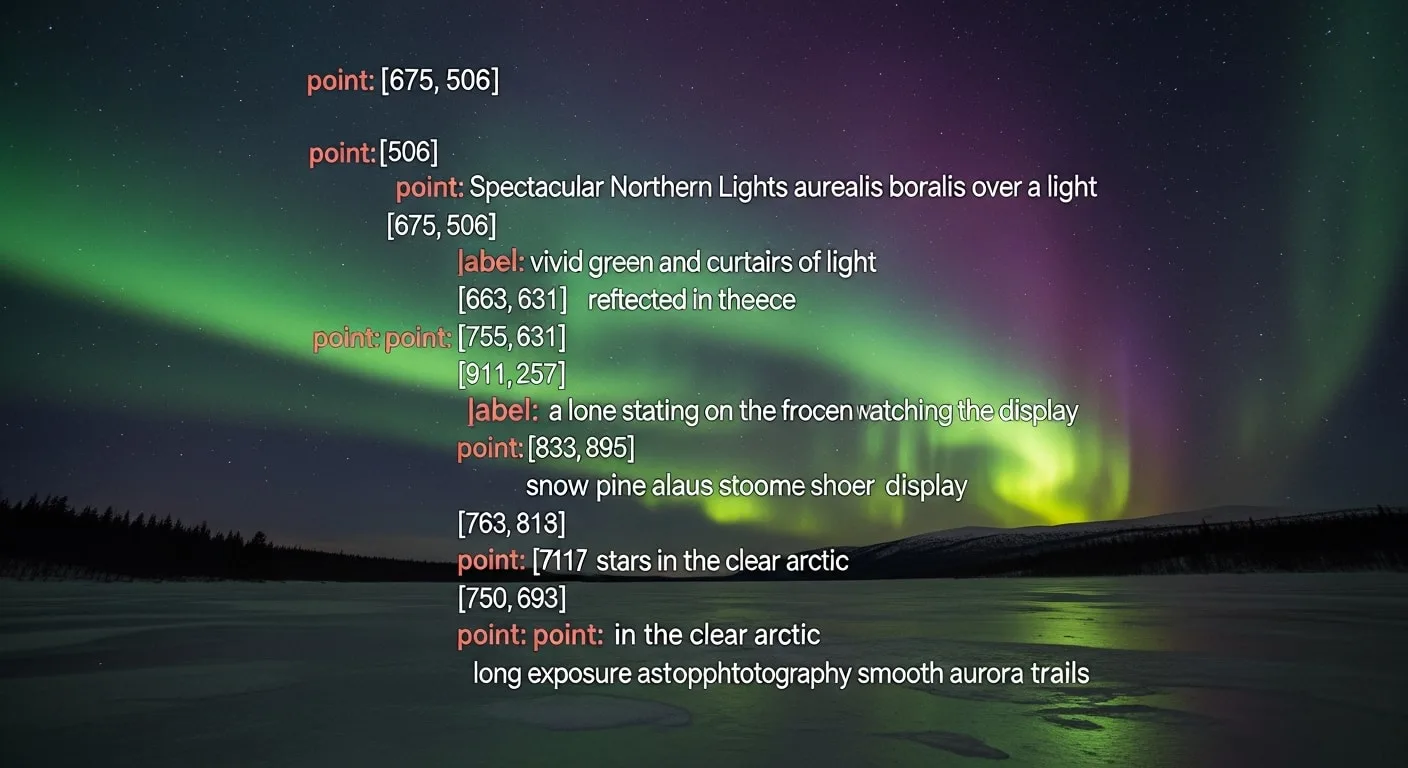
Northern Lights from India: Iceland vs Norway vs Finland — Which to Pick
In this guide (14)
- Why 2026 is the Year to Chase the Aurora
- Understanding How Northern Lights Work
- Iceland: Dramatic Landscapes, Premium Prices
- Norway: The Aurora Capital of the World
- Finland: Families, Glass Igloos, and Lapland Magic
- Northern Lights from India: Head-to-Head Comparison
- When to Go: The Month-by-Month Breakdown
- Flights from India: Routes and Costs
- What to Wear: Surviving -20°C as an Indian
- Aurora Forecast Apps and Tools
- Photography Tips for Aurora
- Which Destination Should You Choose?
- How TripCabinet Helps
- Frequently Asked Questions
I stood shivering in -22°C outside Tromso, watching ribbons of green light dance across the Arctic sky, and my only thought was: "Why did I wait thirty years to do this?" That trip changed how I think about bucket-list travel. If you're reading this from India and dreaming of chasing the aurora borealis, you're picking the right time. 2025-2026 marks a solar maximum — the peak of an 11-year solar cycle — meaning northern lights from India iceland norway finland trips have never been more rewarding.
But here's the question that keeps Indian travellers up at night: Iceland, Norway, or Finland? I've visited all three specifically for aurora hunting, and I'll tell you upfront — there's no universal "best." Each destination suits different priorities, budgets, and travel styles. This guide breaks down everything you need to choose: success rates, costs in INR, flight routes, what to do when the sky stays dark, and honest opinions on where your money goes furthest.
Why 2026 is the Year to Chase the Aurora
The sun operates on an 11-year activity cycle. Right now, we're approaching Solar Cycle 25's maximum, predicted to peak between late 2024 and 2026. More sunspots mean more coronal mass ejections, which means more frequent and intense aurora displays. Scientists at NOAA have already recorded KP 8 and KP 9 storms — events that made the northern lights visible as far south as London and northern Spain.
For Indians planning northern lights from India trips, this is significant. You're not just hoping to catch a glimpse; you're travelling during conditions where multi-hour displays of dancing lights become likely rather than lucky. Miss this window, and you're waiting until 2035-2037 for similar activity.

Understanding How Northern Lights Work
Before we compare destinations, a quick science primer helps. The aurora borealis happens when charged particles from the sun collide with gases in Earth's atmosphere. These collisions release energy as light — green from oxygen at lower altitudes, purple and red at higher ones. The aurora zone forms a rough ring around the magnetic north pole, passing through northern Scandinavia, Iceland, Canada, Alaska, and Siberia.
The KP Index Explained
You'll hear "KP index" constantly when aurora hunting. It measures geomagnetic activity on a 0-9 scale. Here's what matters for your trip:
- KP 0-1: Minimal activity. Aurora visible only in far northern locations with perfect conditions.
- KP 2-3: Standard activity. Visible in Tromso, Rovaniemi, northern Iceland. This is your baseline for success.
- KP 4-5: Good storms. Brighter displays, more movement, visible further south.
- KP 6+: Major storms. Spectacular displays, aurora visible in Scotland, southern Scandinavia.
During solar maximum, KP 4-6 events happen multiple times per month instead of a few times per year. That's your edge.
Iceland: Dramatic Landscapes, Premium Prices
Iceland positions itself as the aurora destination, and the marketing works. What they don't tell you is that Iceland sits at the southern edge of the aurora zone, meaning you need higher KP activity for guaranteed sightings than you would in northern Norway or Finland.
What Iceland Gets Right
The landscapes are ridiculous. Watching aurora over Jokulsarlon glacier lagoon, with icebergs reflecting green light, creates photographs you'll never replicate elsewhere. The Golden Circle — Thingvellir, Geysir, Gullfoss — gives you a world-class day trip when skies are cloudy. Reykjavik is compact, walkable, genuinely interesting. The Blue Lagoon exists, and yes, it's touristy, but floating in 38°C water while snow falls around you is objectively pleasant.
Iceland also offers the widest variety of daytime activities: glacier hiking, ice caving, whale watching, and some of the most surreal volcanic landscapes on Earth. If your aurora trip needs a backup plan, Iceland delivers.
What Iceland Gets Wrong
The cost. My god, the cost. A basic meal in Reykjavik runs ₹2,500-4,000. Hotels that would be ₹3,000/night in India cost ₹15,000-25,000. Car rental with mandatory insurance hits ₹8,000-12,000/day in winter. I've tracked aurora tours over three visits, and guided evening excursions run ₹8,000-12,000 per person for a 4-5 hour trip with no guarantee of sightings.
Weather is the other issue. Iceland's position in the North Atlantic means storms roll in constantly. I've had trips where clouds covered the entire island for five consecutive nights. Local guides joke that if you don't like the weather, wait five minutes — but that cuts both ways.
Iceland: Practical Numbers
- Aurora success rate: 50-65% (November-February, multi-night stay)
- Budget for 7 nights: ₹2.5-4 lakh per person (including flights, mid-range hotels, car rental, activities)
- Best base: Reykjavik for beginners; Vik or Hofn for serious aurora chasers
- Flight route from India: Delhi/Mumbai → London/Frankfurt → Reykjavik (12-16 hours, one stop)
Norway: The Aurora Capital of the World
Tromso, which bills itself as the aurora capital, and it earns the title. Sitting at 69°N — well within the aurora zone — Tromso offers something Iceland can't: you don't need high KP activity to see lights. On a KP 2 night with clear skies, you'll get aurora. During my four-night trip there, I saw displays on three nights, including one KP 5 storm that painted the entire sky green, pink, and purple for three hours.
Why Norway Works for Indians
Norway offers the best balance of accessibility, success rate, and experience diversity. Tromso has an international airport with connections from Oslo, which connects directly to Delhi (seasonal) or via a single stop in Amsterdam, London, or Frankfurt. The town is walkable, has genuine nightlife, good restaurants, and doesn't feel like it exists purely for tourism.
Beyond Tromso, the Lofoten Islands offer dramatic mountain-and-fjord scenery rivaling Iceland, at lower prices. Svalbard — the High Arctic archipelago — adds polar bears, permanent winter darkness, and near-guaranteed aurora, though it requires an additional flight from Tromso.
Norway also wins on combining with broader Scandinavian travel. You can extend to Bergen for fjord cruises, or loop through Sweden and Denmark without additional visa complexity.
Norway: The Drawbacks
Norway isn't cheap — it's just cheaper than Iceland. Meals run ₹1,500-3,000, hotels ₹8,000-18,000/night in Tromso during peak season. The fjord tours and wildlife excursions add up quickly. Lofoten requires a rental car or organized tour, and winter driving there demands genuine Arctic experience.
Tromso also gets extremely dark in December-January. We're talking zero hours of direct sunlight. Some people find this atmospheric; others find it depressing. If seasonal mood matters to you, target September-October or February-March instead, when you get both aurora darkness and some daylight.
Norway: Practical Numbers
- Aurora success rate: 70-80% (November-February, multi-night stay in Tromso)
- Budget for 7 nights: ₹2-3 lakh per person (flights, mid-range hotels, 2-3 activities)
- Best base: Tromso for convenience; Lofoten for photography; Svalbard for adventure
- Flight route from India: Delhi → Amsterdam/London → Tromso (10-14 hours, one stop)
Finland: Families, Glass Igloos, and Lapland Magic
Finland takes a different approach to aurora tourism. Rather than positioning itself purely around the lights, Finnish Lapland sells an entire winter experience: reindeer sleigh rides, husky sledding, Santa Claus Village, and those glass-roofed igloos that dominate Instagram. For families with children or travellers who want aurora as one element of a broader trip, Finland often wins.
The Finnish Advantage
Rovaniemi, the capital of Finnish Lapland, sits directly on the Arctic Circle with excellent aurora visibility. But the real draw is infrastructure designed around winter tourism. Saariselka and Inari, further north, offer glass igloo accommodations where you can watch aurora from a heated bed. Kakslauttanen, Arctic TreeHouse Hotel, and Levin Iglut charge premium prices (₹40,000-80,000/night), but the experience is unlike anything else.
Finland also excels at activity variety. Husky safaris, ice fishing, snowmobile excursions, reindeer farms — there's enough to fill a week even without aurora. If you're travelling with kids, Santa Claus Village in Rovaniemi creates genuine magic, and the low-pressure tourism style feels less commercial than you'd expect.
From a cost perspective, Finland splits the difference between Iceland and Norway. Accommodation and activities cost less than Iceland, though glass igloos push into luxury territory. Food runs ₹1,200-2,500 for meals, noticeably cheaper than Reykjavik or Tromso.
Finland: The Downsides
Finnish Lapland lacks the dramatic landscapes of Iceland and Norway. It's beautiful — endless snow-covered forests, frozen lakes, quiet wilderness — but the fjords and glaciers of the competition create more striking aurora backdrops. If photography is your primary goal, Finland ranks third.
The other issue: glass igloos require booking 6-12 months in advance during peak season. If you're planning a spontaneous trip, availability becomes a problem. Standard cabin accommodations remain available, but the signature Finland experience needs advance planning.
Finland: Practical Numbers
- Aurora success rate: 65-75% (November-February, multi-night stay in Lapland)
- Budget for 7 nights: ₹1.8-3 lakh per person (flights, cabin/hotel, 2-3 activities)
- Luxury budget (glass igloo): ₹4-6 lakh per person
- Best base: Rovaniemi for families; Saariselka/Inari for serious aurora viewing
- Flight route from India: Delhi/Mumbai → Helsinki → Rovaniemi (11-14 hours, one stop in Helsinki)
Northern Lights from India: Head-to-Head Comparison
Let me put this in a format that makes the decision clearer. Consider this your northern lights from india iceland norway finland decision matrix:
| Factor | Iceland | Norway | Finland |
|---|---|---|---|
| Aurora Success Rate | 50-65% | 70-80% | 65-75% |
| Budget (7 nights) | ₹2.5-4 lakh | ₹2-3 lakh | ₹1.8-3 lakh |
| Landscape Drama | Exceptional | Very High | Moderate |
| Family Friendly | Moderate | Moderate | Excellent |
| Unique Stays | Bubble hotels | Northern Lights lodges | Glass igloos |
| Visa Process | Schengen (Iceland) | Schengen (Norway) | Schengen (Finland) |
| Flight Time from India | 12-16 hours | 10-14 hours | 11-14 hours |
| Food for Indians | Limited vegetarian | Better options | Best options |
When to Go: The Month-by-Month Breakdown
All three destinations share the same aurora season: September through March. But each month has trade-offs.
September-October
Shoulder season. Aurora activity kicks in as nights grow longer. Temperatures hover around 0-5°C — cold but manageable for Indians not accustomed to extreme winter. Lower prices, fewer crowds. Drawback: nights aren't fully dark yet, reducing viewing hours.
November-January
Peak season. Maximum darkness means maximum viewing opportunity. Temperatures drop to -10°C to -30°C depending on location and year. This is when glass igloos and northern lights lodges book out entirely. Prices peak. The polar night in northern Norway means 24-hour darkness in December — atmospheric but intense.
February-March
My personal favourite. Daylight returns for spectacular blue-hour photography. Temperatures begin moderating. Aurora remains active. Some snow activities (like dog sledding) become more pleasant. March in particular offers a sweet spot of good aurora visibility with tolerable weather.
Flights from India: Routes and Costs
No direct flights connect India to Arctic aurora zones. Every route requires at least one stop, usually in a European hub. Finding affordable international flights from India requires flexibility and advance booking.
Best Routings
- To Iceland: Finnair via Helsinki, Icelandair via London/Copenhagen, Lufthansa via Frankfurt. Book 3-4 months ahead for ₹55,000-80,000 return.
- To Norway (Tromso): SAS via Oslo, KLM via Amsterdam, Norwegian via Oslo. Tromso flights often price at ₹45,000-70,000 return.
- To Finland (Rovaniemi): Finnair offers the cleanest routing — Delhi/Mumbai → Helsinki → Rovaniemi on a single ticket. Often the cheapest option at ₹40,000-65,000 return.
Pro tip: Finnish airports have excellent Indian food options in Helsinki. If you're dreading European airport food during layovers, Finnair's routing wins.
What to Wear: Surviving -20°C as an Indian
This is where many first-time aurora travellers underestimate. Standing outside for 2-4 hours in Arctic winter requires serious layering. Here's what works:
Base Layer
Merino wool or synthetic thermal underwear, both top and bottom. Uniqlo Heattech works for mild cold; for -20°C, invest in proper merino. Budget ₹3,000-5,000 for good thermals.
Mid Layer
Fleece jacket or down mid-layer. This provides insulation. Decathlon has affordable options at ₹2,000-4,000. For extreme cold, double up — fleece plus thin down jacket.
Outer Layer
Windproof, waterproof jacket rated for -25°C or below. Don't cheap out here. Budget ₹8,000-15,000 for a proper Arctic-rated jacket. Renting at destination is an option — Tromso and Rovaniemi have rental shops, though sizing for Indian frames can be hit-or-miss.
Extremities
This is where cold hits hardest. Insulated boots (rated -30°C minimum), wool socks, insulated gloves or mittens, balaclava or neck gaiter, and a proper winter hat covering ears. Photography in gloves is difficult — bring thin liner gloves you can wear under insulated ones, removing the outer layer briefly for camera work.
Aurora Forecast Apps and Tools
Don't rely on tour guides alone. Learning to read aurora forecasts yourself means you can chase lights independently and make informed decisions.
- My Aurora Forecast (app): Clean interface, push notifications for KP spikes, free version works fine.
- Aurora (app): More detailed forecasts, cloud cover overlays, slightly steeper learning curve.
- NOAA Space Weather Prediction Center: The source data. Check the 3-day forecast for trip planning.
- Icelandic Met Office: Specifically for Iceland, includes cloud cover predictions essential for aurora viewing.
- Yr.no: Norwegian meteorological service, excellent for Scandinavia cloud forecasts.
The formula: KP 2+ (activity) + clear skies (no clouds) + dark location (away from city lights) = aurora.
Photography Tips for Aurora
Your phone won't do aurora justice, though iPhone 14+ and recent Pixels have improved dramatically. For serious shots:
- Camera: Any camera with manual mode. Full-frame ideal, APS-C fine, micro four-thirds adequate.
- Lens: Wide angle (14-24mm), fast aperture (f/2.8 or wider). The Sigma 14mm f/1.8 is the gold standard.
- Tripod: Essential. Non-negotiable. Bring one or rent locally.
- Settings: ISO 1600-6400, f/2.8 or wider, 8-20 second exposure depending on aurora movement.
- Batteries: Cold kills batteries. Keep spares in an inside pocket against your body.
Which Destination Should You Choose?
After all this, here's my honest recommendation for northern lights from India based on priorities:
Choose Iceland if: You want dramatic landscapes for photography, don't mind premium prices, and value daytime activities (glaciers, geysers, waterfalls) as much as aurora. Good for adventure couples and experienced travellers who won't be devastated if clouds interfere.
Choose Norway if: You want the highest aurora success rate, prefer a genuine town atmosphere over resort-style tourism, and plan to potentially extend into broader Scandinavian travel. Best for first-timers prioritizing actually seeing the lights. Also check how Iceland compares specifically for Northern Lights trips.
Choose Finland if: You're travelling with family, want the glass igloo experience, or prefer a gentler introduction to Arctic winter. Best for groups mixing aurora hunting with winter activities. Also the most affordable option for longer stays.
If this is your first aurora trip and you want to maximize success while keeping costs reasonable, Norway — specifically Tromso — is my top recommendation. The success rate is simply higher than Iceland, the costs are lower, and the experience of Tromso as a real Arctic town beats resort-style tourism.
How TripCabinet Helps
Planning an aurora trip involves coordinating flights, accommodations, activities, and visa timing across multiple bookings. Our team handles the logistics — from finding flight deals to booking those glass igloos that sell out a year in advance. Whether you're building a first Europe trip from India around aurora viewing or adding Northern Lights to a Scandinavian loop, we can structure the entire journey.
Drop us a line with your dates, budget, and priorities. We'll come back with a realistic plan that accounts for aurora success rates, backup activities, and pricing that doesn't require a second mortgage.
Frequently Asked Questions
What is the best country to see Northern Lights from India?
For first-timers, Norway (specifically Tromso) offers the best balance of aurora success rate (75%+), accessibility with single-stop flights, and moderate costs compared to Iceland. Tromso sits deep within the aurora zone, meaning you can see lights even at KP 2 activity levels. Iceland suits those prioritizing landscapes, while Finland wins for families wanting glass igloo experiences.
How much does a Northern Lights trip cost from India?
Budget tier: ₹1.5-2 lakh for Finland or Norway (7 nights, basic accommodation, 1-2 activities). Mid-range: ₹2.5-3.5 lakh for Iceland or Norway with aurora tours, better hotels, and multiple excursions. Luxury: ₹4-6 lakh including glass igloo nights, private aurora guides, and premium lodges. Flights typically run ₹45,000-80,000 return depending on timing and route.
When is the best time to see Northern Lights in 2026?
2026 falls near Solar Cycle 25's maximum, making it exceptional for aurora viewing. Peak darkness runs December through February, maximizing viewing hours. However, September-October and February-March offer better temperature comfort with still-strong aurora activity. For first-time visitors from India, February offers the best balance of aurora visibility, returning daylight, and tolerable temperatures.
Do I need a Schengen visa for Northern Lights countries?
Yes. Iceland, Norway (excluding Svalbard), and Finland all require Schengen visas for Indian passport holders. Apply 3-4 weeks before travel through the VFS application centres. Svalbard technically requires no visa, but you must transit through mainland Norway (requiring Schengen) to reach it. A single Schengen visa covers all three destinations if you want to combine them.
Can I see Northern Lights without booking an organized tour?
Absolutely, especially in Norway and Finland where public transport or easy driving reaches aurora zones. In Tromso, you can take local buses to Kvaloya island for dark-sky viewing. Finland's Lapland resorts often have aurora alerts and viewing points on-site. Iceland requires car rental outside Reykjavik. Self-guided trips can save 30-40% but require comfort with winter driving and active aurora forecast monitoring.
What KP index do I need to see the Northern Lights?
In northern Norway (Tromso), Finland (Rovaniemi, Inari), and northern Iceland, KP 2-3 is sufficient to see aurora on clear nights. KP 4-5 creates more dramatic displays with faster movement and multiple colours. KP 6+ events produce spectacular shows visible further south. During the 2025-2026 solar maximum, KP 4-6 events will occur multiple times monthly, significantly improving your odds. If Finland is calling your name, our detailed Finnish Lapland from India guide covers Santa Claus Village, glass igloos, husky sledding, and everything you need to plan your Arctic adventure.