
Chiang Rai & Northern Thailand: Beyond Bangkok for Indian Travelers 2026
In this guide (17)
- Why This Chiang Rai Travel Guide from India is Different
- Getting to Chiang Rai from India: All Your Options
- Thailand Visa for Indians: What You Need to Know
- The White Temple: Wat Rong Khun
- The Blue Temple: Wat Rong Suea Ten
- Baan Dam Museum: The Black House
- Golden Triangle: Where Three Countries Meet
- Chiang Rai Night Bazaar: Where Dinner Happens
- Tea Plantations and Mountain Mornings
- Hill Tribe Villages: A Note on Ethical Tourism
- Vegetarian Food Options in Chiang Rai
- Essential Chiang Rai Travel Guide from India: 4-Day Itinerary
- Budget Breakdown: What Chiang Rai Actually Costs
- What Nobody Tells You: Honest Observations
- Best Time to Visit Chiang Rai from India
- Final Thoughts: Why Chiang Rai Deserves Your Time
- Frequently Asked Questions
Everyone goes to Bangkok and Phuket. I skipped both and spent a week in Chiang Rai. Best decision I made in 2024. While my colleagues were fighting crowds at Wat Arun and paying Rs 800 for pad thai in Khao San Road, I was eating the same dish for Rs 120 at a roadside stall in Chiang Rai, watching mist roll over tea plantations at sunrise. This chiang rai travel guide from india tells you what the glossy brochures won't — the real costs, the language struggles, and why northern Thailand deserves more of your attention than the beaches ever did.
Here's the thing nobody tells you: Thailand's north is a completely different country. The temples are weirder (in the best way), the food is spicier (yes, even for us Indians), and the prices will make you wonder why anyone bothers with the south. I spent four days here and genuinely considered extending my trip by another week. The White Temple alone is worth the flight from Bangkok — and I've seen the Taj Mahal, so I don't say that lightly.
Why This Chiang Rai Travel Guide from India is Different
Look, Bangkok is fine. It's a proper city with malls and metros and all that. But if you've done one Asian megacity, you've done them all. Chiang Rai is something else entirely. The air is cleaner. The people are calmer. And the temples? They're not ancient relics covered in gold — they're contemporary masterpieces that look like they were designed by artists who dropped acid and then found religion.
The White Temple (Wat Rong Khun) is the most beautiful building I've seen outside India. I'm including the Taj in that comparison. The architect, Chalermchai Kositpipat, is still alive and still adding to it. When I visited, workers were installing new sculptures near the entrance. Where else can you watch a temple being built in real-time?

The other reason to skip Bangkok: crowds. I visited the Grand Palace in Bangkok five years ago and spent more time in queues than actually looking at anything. At the White Temple, I showed up at 7:30 AM (it opens at 8) and had maybe twenty other tourists around me. By 10 AM, the tour buses arrived. Lesson learned — early mornings are everything here.
Getting to Chiang Rai from India: All Your Options
No direct flights exist from India to Chiang Rai. You'll connect through Bangkok, which isn't as annoying as it sounds. Here's what worked for me:
Option 1: Fly via Bangkok (Recommended)
Take a direct flight from Delhi, Mumbai, Kolkata, or Chennai to Bangkok Suvarnabhumi. AirAsia, Thai Smile, and Nok Air fly from Bangkok to Chiang Rai daily — about 1 hour 20 minutes. Book the domestic leg separately; it's cheaper than booking a through-ticket. I paid Rs 3,200 for Bangkok-Chiang Rai on AirAsia with 20kg checked baggage.
Option 2: Bus from Chiang Mai
If you're already doing Bangkok and want to see northern Thailand properly, fly to Chiang Mai first. Greenbus runs comfortable coaches from Chiang Mai to Chiang Rai every hour — 3 hours, around Rs 400. The mountain roads are scenic but winding. I have a strong stomach, and even I felt queasy on one particularly aggressive driver's shift.
Option 3: Night Bus from Bangkok
For the truly budget-conscious or those who like punishment. 12-hour overnight bus, around Rs 1,200 for VIP class. I did this once. Once was enough. The seats recline almost flat, but the aircon is set to "Arctic" and the rest stops happen at 3 AM whether you're asleep or not.
Thailand Visa for Indians: What You Need to Know
Before you book anything, check the Thailand visa rules. For Indian passport holders there are two situations:
Trips of up to 30 days — No visa needed. Since 15 September 2026, Indian passport holders can visit Thailand visa-free for up to 30 days, so there is no Visa on Arrival queue or fee for a typical Chiang Rai trip.
Stays longer than 30 days — The Royal Thai Embassy in New Delhi says to apply for an appropriate e-visa at thaievisa.go.th. Check the official Thai Embassy visa page for current requirements.
The White Temple: Wat Rong Khun
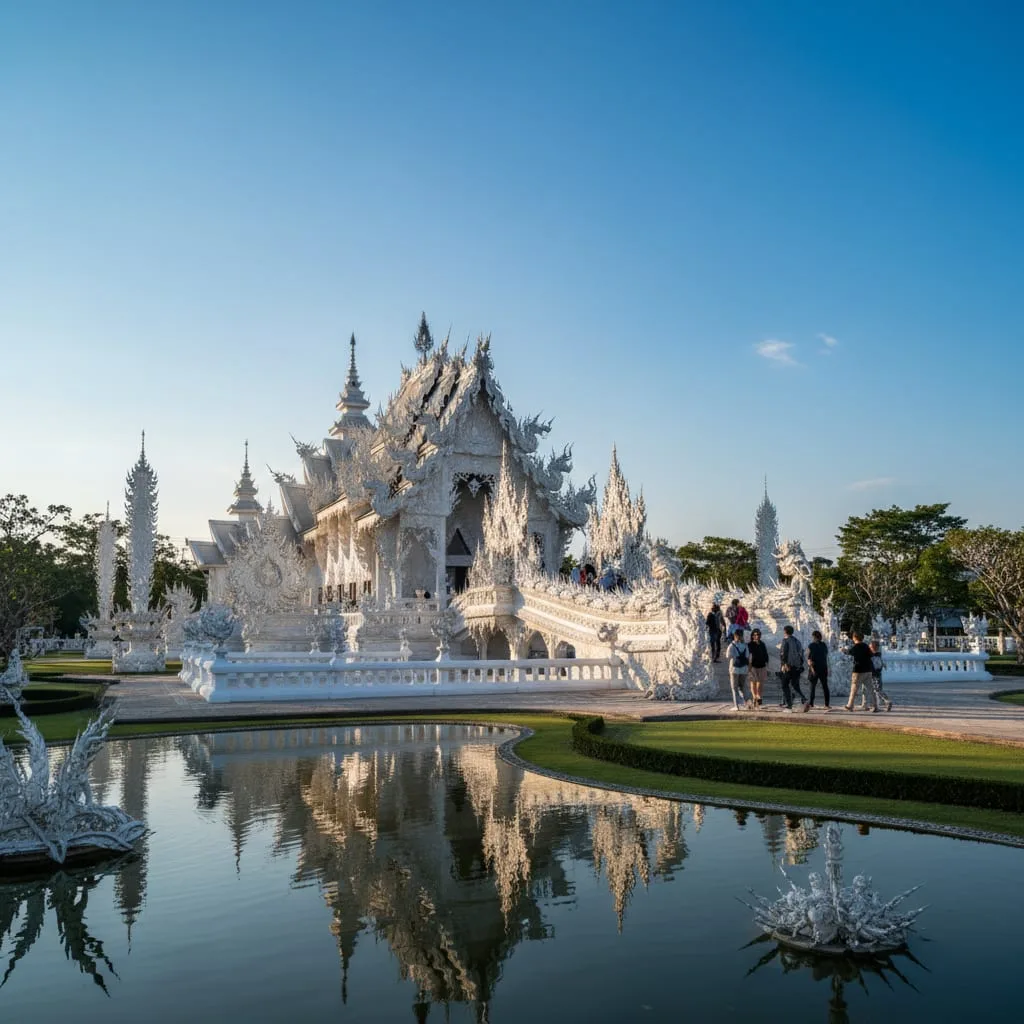
I'm going to say something controversial: the White Temple is better than most of the UNESCO heritage sites I've visited. It's newer (construction started in 1997), but that's exactly what makes it special. This isn't some ancient ruin that you're supposed to appreciate because a guidebook told you to. It's a living, evolving artwork that genuinely takes your breath away.
The entire structure is white, covered in mirror fragments that catch the sunlight. Walking across the bridge feels like entering another dimension — hands reaching up from below (representing desire and greed), intricate sculptures of faces emerging from walls, and at the center, a main hall painted with murals that include... Michael Jackson, Doraemon, and the Matrix. I'm not joking. The artist says he's depicting modern temptations alongside traditional Buddhist imagery. It works, somehow.
Practical tips:
- Entry fee: 100 THB (Rs 240) for foreigners
- Hours: 8 AM to 5 PM, closed some Buddhist holidays
- Dress code: Cover shoulders and knees. They rent sarongs at the entrance if you forget
- Best time: 7:30 AM to wait for opening. The light is magical and crowds are thin
- Time needed: 1.5 to 2 hours if you actually look at details
The Blue Temple: Wat Rong Suea Ten
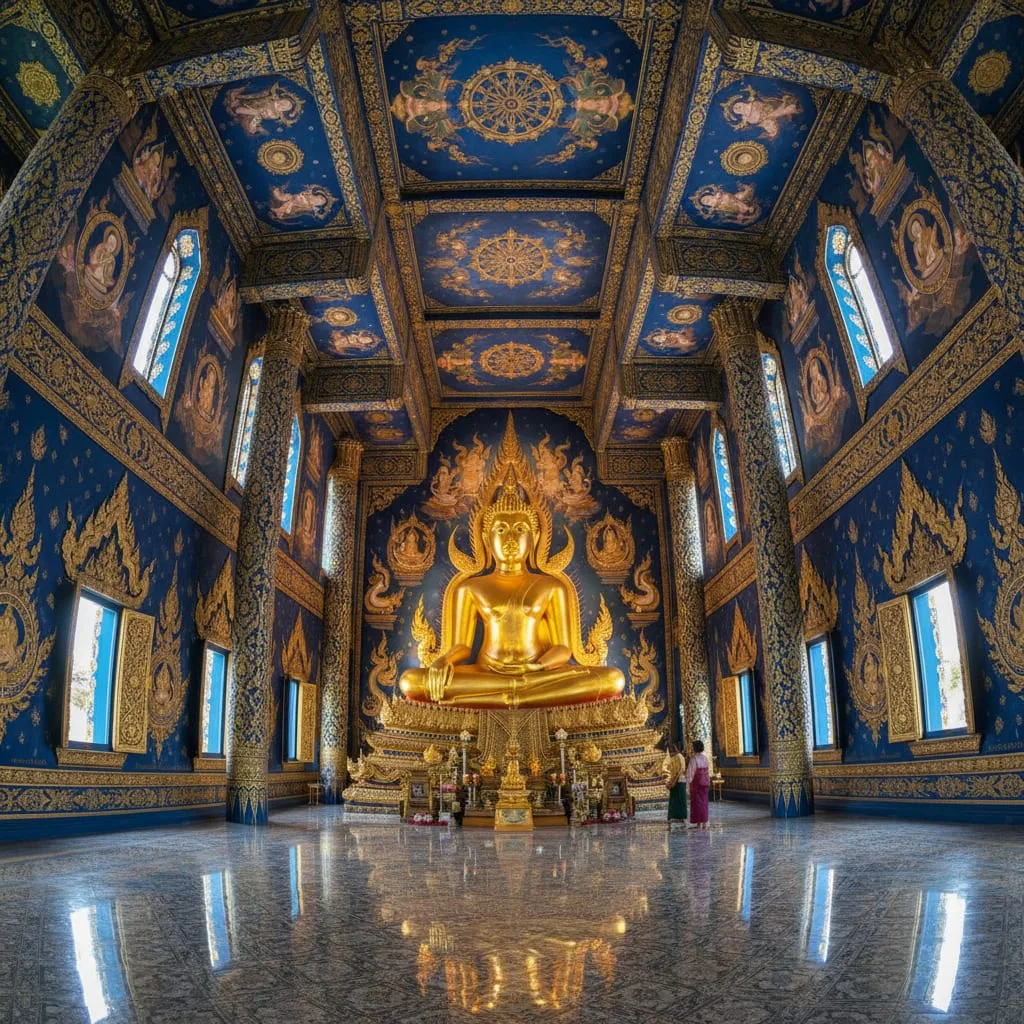
If the White Temple is heaven, the Blue Temple is its moodier sibling. Built by a student of Chalermchai Kositpipat (the White Temple's creator), Wat Rong Suea Ten opened in 2016 and has quickly become the second-most-visited attraction in Chiang Rai. The exterior is striking, but the interior is what stays with you — deep sapphire walls, a massive white Buddha, and gold accents that catch light from hidden windows.
I preferred the Blue Temple, actually. Fewer tourists, free entry, and a more meditative atmosphere. The White Temple is a spectacle; the Blue Temple is a sanctuary. I sat inside for forty minutes, just breathing. The guard didn't mind.
Getting there: About 6 km from central Chiang Rai. Grab a songthaew (shared pickup truck) for Rs 50 or rent a scooter. The temple is free, donations appreciated. Go late afternoon around 4 PM when the light turns golden.
Baan Dam Museum: The Black House
Thawan Duchanee was Thailand's most famous contemporary artist, and Baan Dam is his life's work — a sprawling complex of 40+ buildings filled with animal skulls, crocodile skins, carved wood, and what I can only describe as "dark energy." It's the opposite of the White Temple, designed to make you uncomfortable. Death, desire, and the shadow side of human nature are the themes here.
Is it for everyone? No. A family with young kids left after five minutes when their daughter started crying at a room full of buffalo skulls. But if you appreciate art that challenges you, Baan Dam is essential. The craftsmanship in the woodwork alone is extraordinary — teak buildings with serpent motifs carved into every surface.
Entry: 80 THB (Rs 190). Open 9 AM to 5 PM. Located 13 km north of central Chiang Rai. Allow 1-2 hours.
Golden Triangle: Where Three Countries Meet
The Golden Triangle — where Thailand, Laos, and Myanmar converge at the Mekong River — was once the world's opium capital. Now it's a tourist spot with a giant golden Buddha, a small museum, and boat trips to a Laos island where you can buy duty-free goods. Is it essential? Honestly, not really. But if you've come this far north, you might as well tick off the geography.
The Hall of Opium museum is genuinely interesting if you care about the history. It covers the opium trade from colonial times through modern drug enforcement. Takes about two hours. The views from the viewpoint are nice — you can see all three countries — but the area itself is quite commercial now, filled with souvenir shops selling "Golden Triangle" branded everything.
Getting there: 45 km from Chiang Rai. Join a day tour (Rs 1,500-2,000 including transport and guide) or rent a scooter. The road is good, mostly flat. Combined with Baan Dam and the White Temple, this makes a full day.
Chiang Rai Night Bazaar: Where Dinner Happens
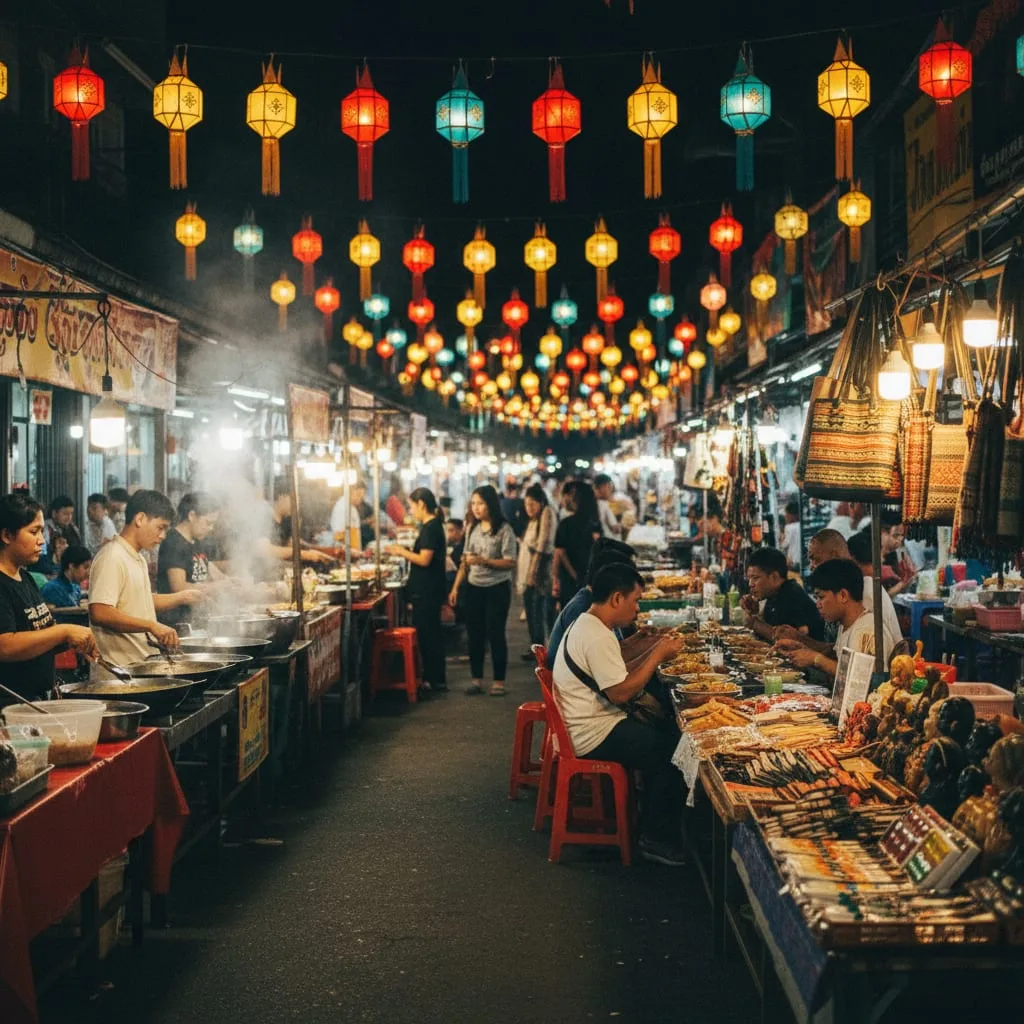
Every evening from 6 PM, the area around the clock tower transforms into the night bazaar. It's smaller than Bangkok's night markets but far more manageable — you can actually see everything in an hour without getting lost or overwhelmed. The food section is the highlight.
I ate here four nights in a row. Some recommendations:
- Sai oua (northern Thai sausage) — herby, slightly spicy, grilled over charcoal. Rs 60 for a stick
- Khao soi — coconut curry noodles with crispy egg noodles on top. The signature dish of northern Thailand. Rs 100-140
- Grilled pork skewers — sweet, sticky marinade. Rs 40 each, impossible to eat just one
- Mango sticky rice — sweeter than the Bangkok version. Rs 80
A word of warning: northern Thai food is SPICY. Not like "oh this has a nice kick" spicy — genuinely, aggressively, make-your-eyes-water spicy. I eat ghost pepper chutneys back home in Andhra, and even I was struggling with some dishes here. Ask for "mai phet" (not spicy) if you're sensitive, though they'll still give you medium heat by Indian tourist standards.
Tea Plantations and Mountain Mornings
Choui Fong Tea Plantation is about 40 minutes from central Chiang Rai, and it's worth the trip for the views alone. Rolling hills covered in bright green tea bushes, mist rising from valleys at dawn, and a cafe where you can drink the tea you're looking at. Very Instagrammable, but genuinely beautiful even without a phone in your hand.
The tea here is mainly oolong — different from Assam or Darjeeling, lighter and more floral. A pot of their premium oolong costs around Rs 150. The cafe also sells tea-flavored everything: ice cream, cake, even green tea noodles. I bought a 200g pack of high mountain oolong for Rs 800 as a gift. My mother said it was the best tea she'd had in years, so money well spent.
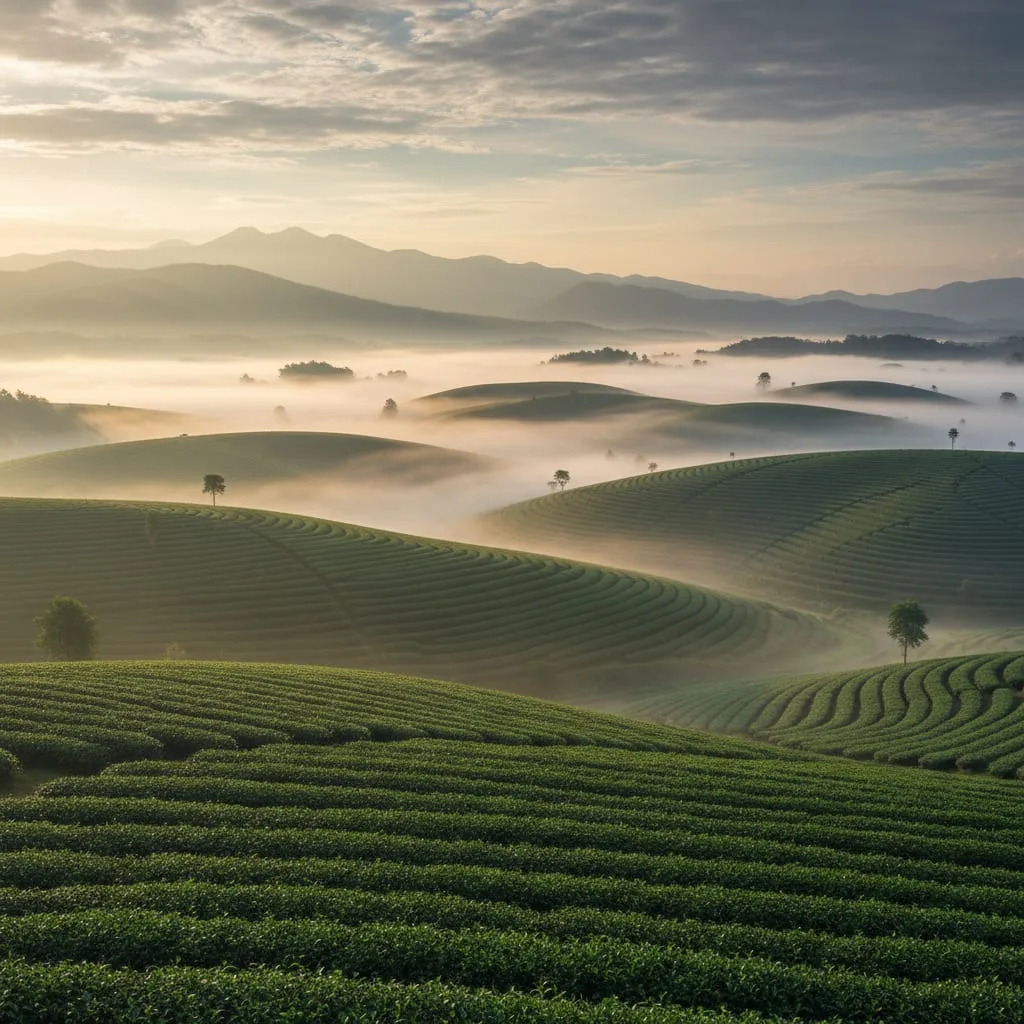
Tip: Go at sunrise or late afternoon. Midday is hazy and hot. The drive up involves some sharp mountain curves — if you're prone to motion sickness, sit in the front seat and look at the horizon.
Hill Tribe Villages: A Note on Ethical Tourism
Northern Thailand is home to several hill tribe communities — Akha, Karen, Hmong, Lahu, and others. Some villages have become tourist attractions where you pay to see "traditional" lifestyles. I have mixed feelings about this.
The infamous "long neck" Karen villages, where women wear brass coils around their necks, feel exploitative. Many of these women are refugees from Myanmar with limited options. Paying to photograph them doesn't sit right with me, even if your Rs 300 entrance fee supposedly supports the community.
If you want to see hill tribe culture respectfully, consider a homestay through a community-based tourism organization. You'll spend the night in a village, eat meals with a family, and maybe learn about their weaving or farming. It's slower and requires more planning, but it's actual cultural exchange rather than human zoo vibes. The Mirror Foundation and LEKT run ethical programs — research them before you go.
Vegetarian Food Options in Chiang Rai
Northern Thailand is harder for vegetarians than the south. The cuisine relies heavily on pork and fish sauce, and pure vegetarian restaurants are rare outside tourist areas. But it's not impossible. Here's what I learned from my vegetarian food research across Thailand:
Look for restaurants with yellow flags displaying "เจ" (jay) — these serve vegan Buddhist food, usually during festivals but some operate year-round. Jay food is completely plant-based, no garlic or onion either. The night bazaar has a few stalls. Taste is hit-or-miss; some dishes are delicious, others taste like sadness with soy sauce.
Khao soi can be made vegetarian if you ask — request "khao soi jay" or "mai sai neua, mai sai nam pla" (no meat, no fish sauce). Some places will look at you strangely; others will happily adjust. The coconut curry base is naturally vegetarian anyway.
Egg-based dishes are everywhere. Pad thai with egg and tofu is safe. Omelets (khai jiao) with rice cost Rs 80-100 and are filling. Fresh fruit smoothies from night markets are excellent — mango, dragon fruit, passion fruit combinations for Rs 60-80.
Essential Chiang Rai Travel Guide from India: 4-Day Itinerary
Day 1: Arrival + Night Bazaar
Arrive via Bangkok flight (lands around 4 PM if you take the 2:30 departure). Check into hotel — I stayed at Le Meridian (Rs 4,500/night) but plenty of guesthouses around Rs 1,200-1,800 are available. Walk to the night bazaar for dinner. Watch the clock tower light show at 7, 8, or 9 PM — it's cheesy but fun. Early bed to recover from travel.
Day 2: Temple Day — White, Blue, and Black
Start at White Temple by 8 AM. Spend 2 hours there. Drive to Baan Dam (Black House), 13 km north — about 1.5 hours exploring. Lunch at a local restaurant in between (khao soi mandatory). Afternoon at Blue Temple, timing for golden hour light around 4-5 PM. Evening: massage — Thai massages here cost Rs 400-600 for a full hour, half the Bangkok prices.
Day 3: Golden Triangle + Tea Plantations
Hire a car with driver for the day (Rs 2,500-3,000, split with other travelers if possible). Morning at Golden Triangle — 2 hours is enough for the viewpoint and museum. Stop at Mae Salong, a Chinese hilltop town, for Yunnan-style tea. Afternoon at Choui Fong Tea Plantation. Return via Singha Park if time permits — a nice agricultural park with flower gardens.
Day 4: Chiang Mai Day Trip or Relaxation
Option A: Day trip to Chiang Mai (3 hours each way by bus). Visit the Old City, Wat Phra Singh, and Sunday walking street if your timing aligns. Return by evening bus.
Option B: Slow morning. Rent a bicycle (Rs 150/day) and explore local neighborhoods. Afternoon cooking class — learn to make khao soi and northern Thai curries. Many guesthouses arrange these for Rs 1,000-1,500 including market visit.
Budget Breakdown: What Chiang Rai Actually Costs
Here's my actual spending for 4 days, converted to INR:
- Flights: Delhi-Bangkok return (Rs 18,000) + Bangkok-Chiang Rai return (Rs 6,400) = Rs 24,400
- Accommodation: 4 nights mid-range hotel = Rs 7,200 (Rs 1,800/night)
- Food: Rs 600-800/day = Rs 2,800 total
- Transport: Day tour + local songthaews = Rs 4,000
- Attractions: Temple entries + museum = Rs 1,200
- Massage + shopping: Rs 2,500
- Visa on Arrival: Rs 4,800
Total: Approximately Rs 47,000 for 4 days
Compare this to Phuket or Bangkok, where accommodation alone would eat half this budget. This chiang rai travel guide from india shows you exactly why the north offers better value for money than almost anywhere else in Thailand. TripCabinet can put together a complete northern Thailand package if you'd rather not sort logistics yourself.
What Nobody Tells You: Honest Observations
Language barrier is real. English is less common here than in tourist hotspots. Download Google Translate's Thai language pack for offline use. Learn basic phrases: "sawadee khap" (hello, male speaker), "khop khun khap" (thank you), "mai phet" (not spicy), "tao rai" (how much).
Afternoons are brutal. From March to May, temperatures hit 38-42°C. Even in "cool" season (November-February), afternoons reach 30°C. Schedule temple visits for mornings and hide in air-conditioned cafes from 1-4 PM.
The mountain roads will test you. If you're renting a scooter and you're not confident, don't do the tea plantation or Mae Salong drives yourself. The curves are sharp, trucks drive fast, and accidents involving tourists happen. Hire a driver instead — it's not that expensive.
ATMs charge ridiculous fees. 220 THB (Rs 530) per withdrawal regardless of amount. Bring enough Thai baht from Bangkok or use a forex card with low withdrawal fees. Don't exchange rupees in Chiang Rai — rates are terrible.
Best Time to Visit Chiang Rai from India
November to February: Cool season. Daytime temperatures around 25-28°C, nights can drop to 10-15°C in the hills. Pack a light jacket. This is peak season — book hotels early, especially around Christmas and New Year when Europeans descend in numbers.
March to May: Hot season. Extremely uncomfortable. Burning season also happens — farmers burn fields, creating hazy air that ruins visibility and irritates lungs. Avoid unless you have no choice.
June to October: Monsoon. Heavy rain, but usually for a few hours in the afternoon. Prices are lowest, temples are empty, and the green landscapes are stunning. Bring an umbrella and waterproof bag for electronics. I've visited in July and enjoyed it despite getting soaked daily.
Final Thoughts: Why Chiang Rai Deserves Your Time
I've been to Thailand four times now. Twice to Bangkok, once to the islands, and once to the north. If I had to pick one region to return to, it would be the north without hesitation. There's something about Chiang Rai that feels authentic in a way that beach resorts and backpacker districts don't. The temples are created by living artists who walk the same streets you do. The food is made by grandmothers using recipes older than independence. The pace is slower, the air is cleaner, and your rupees stretch further.
This chiang rai travel guide from india exists because I wish someone had told me all this before my first trip. Now you know. Skip the obvious. Come north. You won't regret it.
Frequently Asked Questions
How do I get to Chiang Rai from India?
No direct flights exist. Best routes: fly to Bangkok (₹12,000-18,000 return from India), then a 1.5-hour domestic flight to Chiang Rai on AirAsia or Nok Air (₹2,000-4,000). Alternative: fly to Chiang Mai and take a 3-hour bus (₹300) to Chiang Rai. The Bangkok-Chiang Rai bus takes 10 hours for ₹800.
How many days do I need in Chiang Rai?
Three days is the sweet spot: Day 1 for White Temple and Blue Temple, Day 2 for Black House museum and night bazaar, Day 3 for a Golden Triangle day trip. Add 1-2 days if you want to visit hill tribe villages or trek in Doi Tung area.
Is Chiang Rai worth visiting or should I just do Chiang Mai?
Both, ideally. Chiang Rai has the White Temple, Blue Temple, and Golden Triangle that Chiang Mai cannot match. It is also quieter, cheaper, and less touristy. The perfect combo: 3 days Chiang Mai + 2-3 days Chiang Rai. The 3-hour bus between them costs just ₹300.
Can I visit the Golden Triangle from Chiang Rai?
Yes, the Golden Triangle (where Thailand, Laos, and Myanmar meet) is a 90-minute drive from Chiang Rai city. Day trips cost ₹1,500-2,500 including transport, boat ride on the Mekong, and Opium Museum visit. You can even do a quick border hop to Laos for the day.
What food should Indians try in Chiang Rai?
Northern Thai food is milder and more Indian-palate-friendly than Bangkok food. Must-try: khao soi (coconut curry noodle soup — closest to Indian curry), sai oua (herb sausage), sticky rice with mango, and night bazaar street food. Vegetarian khao soi is widely available. Budget ₹300-500 per meal.