
Bangkok 3-Day Itinerary for Indian Travelers: Hour-by-Hour with Real INR Costs
In this guide (7)
- Before You Land: The Practical Stuff Nobody Mentions
- Day 1: Bangkok Itinerary for Indian Travelers Starts with Temples
- Day 2: Markets, Culture, and Serious Shopping
- Day 3: Floating Market Reality Check and Final Shopping
- The Money Breakdown: What This Bangkok Itinerary for Indian Travelers Actually Costs
- What I'd Skip on a Short Trip
- Safety Notes for Indian Travelers
My first Bangkok trip was a disaster. I had no plan, overpaid for everything, and ate pad thai for three days straight because I didn't know where to find vegetarian food. This Bangkok itinerary for Indian travelers is the guide I desperately needed back then. I got scammed by a tuk-tuk driver within two hours of landing. The Grand Palace was closed on the one morning I showed up. And I spent half my budget on a "floating market tour" that turned out to be mostly sitting in traffic.
Six trips later, I finally have this city figured out. Not the generic "top 10 things to do" nonsense you find everywhere. Real timings. Actual costs in rupees. Where to find chole bhature when you're desperately missing home food. Which "famous" attractions are genuinely worth your time and which ones you should skip entirely. Every Bangkok itinerary for Indian travelers should include this practical stuff, but most don't.
Here's the thing though — Bangkok rewards planning but punishes rigidity. The heat will force you to adapt. That cute café you saw on Instagram might have a two-hour wait. So treat this as a framework, not a script. Ready? Let's sort out your trip.
Before You Land: The Practical Stuff Nobody Mentions
Look, I'll be honest. The actual sightseeing part of Bangkok is easy. It's the logistics that trip up most Indian travelers. So let's knock these out first.
Visa on Arrival — Yes, It's Simple
Indian passports get VOA for 30 days. The fee is 2,000 Baht (roughly ₹4,800). You'll need your passport with 6 months validity, one passport photo, return ticket printout, and hotel booking confirmation. Check the latest requirements on the Thai Embassy visa page. The queue can take 30-90 minutes depending on when you land — afternoon flights mean longer waits. Pro tip: fill out the arrival card on the plane itself. The pen you're looking for is probably under your seat.
SIM Card — Get This Immediately
Don't even think about leaving the airport without a Thai SIM. AIS and DTAC both have counters right after immigration. The tourist packages cost ₹700-1,400 (299-599 Baht) for 8-15 days of unlimited data. Trust me, you'll need Google Maps constantly. Bangkok's street names are impossible to pronounce and even harder to remember.
Money Matters
UPI doesn't work here. Forget about it. Your Indian credit card will work at most places but expect a 3.5% forex markup plus whatever your bank charges. The smart move? Bring USD or INR in cash and exchange at SuperRich (the green one or the orange one — both are legitimate). Their rates beat airport exchanges by 5-7%. There's a SuperRich outlet at Central World mall and near BTS Chit Lom.
Budget roughly ₹3,000-5,000 per day for comfortable travel. That covers food, BTS/MRT transport, and entrance fees. Shopping is extra — and Bangkok will tempt you. Any proper Bangkok itinerary for Indian travelers needs to account for impulse buys.

Day 1: Bangkok Itinerary for Indian Travelers Starts with Temples
Start early. I cannot stress this enough. By noon, the heat becomes genuinely oppressive — we're talking 38-40°C with humidity that makes you feel like you're breathing soup. The temples close around 3-4pm anyway, so morning visits just make sense.
7:00 AM — Hotel Breakfast and Head Out
Most hotels include breakfast. Load up on proteins and carbs — you'll be walking 15,000+ steps today. Grab a 7-Eleven water bottle (₹25 for 1.5L) and stick it in your bag. You'll need it.
8:30 AM — Grand Palace and Wat Phra Kaew
Take the BTS to Saphan Taksin station, then catch the Chao Phraya Express Boat to Tha Chang pier. The whole journey costs about ₹100 and takes 45 minutes. Yes, the boat is the fastest way — Bangkok traffic in the morning is mental.
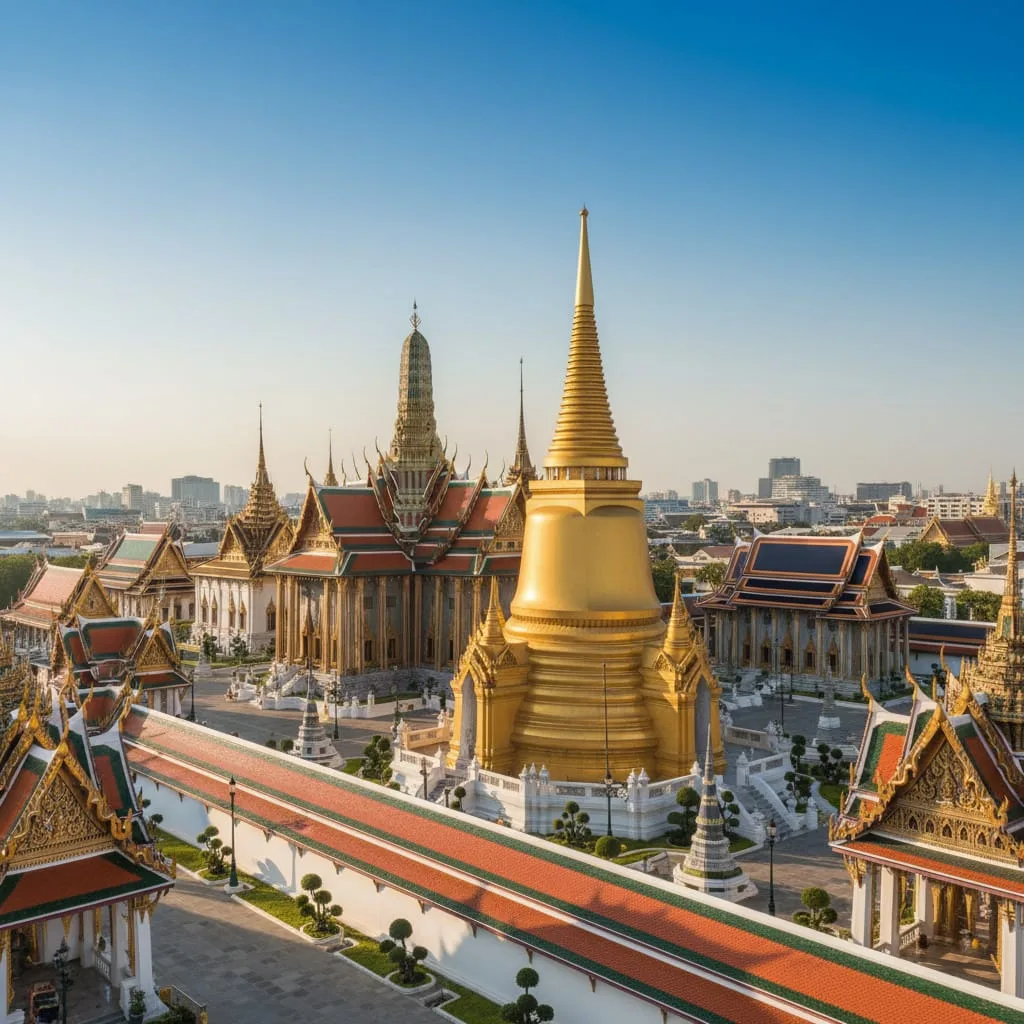
The Grand Palace complex opens at 8:30 AM. Entry is 500 Baht (about ₹1,450). And yes, it's absolutely worth it. The Temple of the Emerald Buddha (Wat Phra Kaew) inside is stunning. Just stunning. The level of detail in the murals, the gold leaf everywhere, the tiny Emerald Buddha itself (which is actually made of jade, not emerald — go figure). Check opening hours on the official Grand Palace website before visiting.
Prefer a guide? Our Grand Palace and Wat Phra Kaew walking tour takes two to three hours, and the small-group option includes entry tickets.
Dress code warning: Long pants or skirt below the knee. Shoulders covered. No see-through clothes. They do provide sarongs at the entrance if you mess up, but there's usually a queue. Just dress appropriately and save yourself the hassle. Men in shorts will be turned away unless you rent their weird elephant-print pants.
Give yourself 1.5-2 hours here. Don't rush it.
11:00 AM — Wat Pho (Temple of the Reclining Buddha)
Walk 10 minutes south from the Grand Palace. Entry is 300 Baht (about ₹860). This is where the famous reclining Buddha lives — 46 meters long and covered in gold leaf. I remember my first time seeing it. You walk in expecting big, but the scale genuinely startles you. The feet alone are 5 meters long with mother-of-pearl inlay showing the 108 auspicious signs of Buddha.
There's also a traditional Thai massage school here. A 30-minute foot massage costs 300 Baht (₹720) and feels incredible after all that walking. Book it.
12:30 PM — Lunch Break (Finding Vegetarian Food)
Here's where most Indian travelers struggle. Thai food is delicious but relies heavily on fish sauce, oyster sauce, and shrimp paste. Even "vegetable" dishes often contain these.
Your best bet near the temples is Arawy Vegetarian Restaurant near Tha Tien pier. Look for the yellow "เจ" (Jay) flag — that symbol means vegetarian/vegan in Thai Buddhist tradition. A full meal costs ₹200-300. The mock meat dishes are surprisingly convincing.
Alternatively, there's a 7-Eleven right outside Wat Pho. They have corn on the cob, fresh fruit cups, bread, and instant noodles (check ingredients though — many contain chicken flavoring).
1:30 PM — Rest Period (Non-Negotiable)
Go back to your hotel. Seriously. The 1-3 PM heat in Bangkok is not something to power through. Use this time to shower, nap, or just blast the AC and scroll Instagram. Your body will thank you. I've seen too many Indian tourists try to be "efficient" with their time and end up with heat exhaustion by Day 2.
4:00 PM — Wat Arun
The Temple of Dawn is best visited in late afternoon despite its name. The light hits the ceramic tiles beautifully around 4-5 PM. Cross the Chao Phraya River on the ferry from Tha Tien pier (₹20, takes 5 minutes). Entry is 200 Baht (about ₹575).
Fair warning: the stairs are steep. Like, uncomfortably steep. Women in dresses might want to reconsider the climb. But the views from the top over the river and the Grand Palace complex are worth the mild terror.
6:30 PM — Khao San Road
Take a tuk-tuk from Wat Arun to Khao San Road. Should cost 100-150 Baht (₹240-360). If they quote more, walk away — there's always another tuk-tuk.
Now, about Khao San Road. I need to be real with you. It's not what the movies show. It's loud, touristy, slightly grimy, and full of gap-year backpackers drinking from buckets. The pad thai here is mediocre. The suits and watches being sold are obviously fake.
But. There's an energy to the place that's hard to find elsewhere. The street food vendors selling mango sticky rice. The massage places with their aggressive touts. The bars blasting 90s hits. It's an experience. Give it 2-3 hours, have dinner (there are a couple of Indian restaurants here — quality is passable), soak in the chaos, and then call it a night.

Day 2: Markets, Culture, and Serious Shopping
Day 2 is when this Bangkok itinerary for Indian travelers gets interesting. We're hitting the legendary Chatuchak Weekend Market — but only if it's Saturday or Sunday. If you're visiting on weekdays, swap this with Terminal 21 and plan Chatuchak for another trip.
8:00 AM — Early Start to Chatuchak
Take the BTS to Mo Chit station. The market opens at 9 AM but get there by 8:30 to watch it come alive. Over 15,000 stalls. 35 acres. Divided into 27 sections. It's overwhelming in the best way possible.
Bring cash. Lots of cash. Most stalls don't take cards. And start bargaining at 50-60% of the quoted price — they expect it. You'll settle around 70-80%.
What to buy? Clothes (section 2-4 have the best trendy stuff), home decor (section 7 and 17), vintage items (section 1 and 25), and artwork (section 7). The coconut ice cream vendors scattered throughout are excellent and cost only ₹100.
Survival tips: The market has no AC. Wear light clothes. Carry a small towel. Drink water constantly. The heat inside, surrounded by thousands of people, can be suffocating. Take breaks in the air-conditioned cafes dotted around the edges.
12:30 PM — Escape the Heat, Find Lunch
By now you'll be desperate for AC and food. Head to Chamlong's Asoke (near MRT Chatuchak Park exit) — it's a legendary vegetarian restaurant run by a Buddhist organization. All-you-can-eat for 30 Baht. Yes, you read that correctly. Seventy-two rupees for unlimited vegetarian Thai food. The catch? It's simple food, not gourmet. But it's filling, clean, and Buddhist-vegetarian (no onion, no garlic).
2:00 PM — Jim Thompson House
Take the BTS from Mo Chit to National Stadium. Jim Thompson House is a 5-minute walk. Entry is 200 Baht (₹480).
This one's for the culture enthusiasts. Jim Thompson was an American businessman who revived the Thai silk industry after WWII and then mysteriously disappeared in the Malaysian jungle in 1967. His traditional Thai house (actually six houses joined together) is filled with Asian antiques and surrounded by a tropical garden. The guided tour takes 45 minutes and is genuinely interesting.
The attached shop sells authentic Thai silk — expensive but legitimate. A silk scarf runs ₹3,000-8,000. Not for bargain hunters, but the quality is undeniable.
4:00 PM — Siam Area Shopping
Walk from Jim Thompson House to the Siam BTS station area. This is Bangkok's shopping heartland.
Siam Paragon — luxury brands, Gucci-Prada types. Good for window shopping unless you've got money to burn. The basement food court (Gourmet Paradise) has excellent vegetarian options including an Indian stall.
Siam Center — Thai designer brands, trendy streetwear. More affordable than Paragon.
MBK Center — seven floors of chaos. Electronics, clothes, souvenirs, phone accessories, luggage. This is where locals shop. Fixed prices on the upper floors, negotiable in some ground floor sections. Budget ₹2,000-5,000 for random purchases here.
7:30 PM — Indian Dinner at Sukhumvit Soi 11
If you're craving proper Indian food by now, head to Sukhumvit Soi 11. Punjab Grill is upscale North Indian — butter chicken that actually tastes like home. Expect ₹1,500-2,000 per person. For something cheaper, Indus nearby does good curries for ₹800-1,200.
The whole area around Soi 11 is essentially Little India. You'll find saree shops, Indian groceries, and fellow desis everywhere. Feels like a slice of home in the middle of Bangkok.
Day 3: Floating Market Reality Check and Final Shopping
The floating markets are heavily marketed to tourists. Here's what nobody tells you: the "floating" part is minimal, the journey takes forever, and most of what you see is staged for Instagram. But. It's still a quintessential Bangkok experience. Just manage your expectations. Every Bangkok itinerary for Indian travelers includes this, so let me tell you what to actually expect.
6:00 AM — Floating Market Trip
The most accessible option is Damnoen Saduak, about 100km from Bangkok. Book a half-day tour through your hotel or Klook (₹1,500-2,500 including transport and boat ride). You'll leave around 6 AM and return by noon.
We also sell a half-day tour that pairs Damnoen Saduak with the Maeklong Railway Market, where stalls fold back each time the train passes. Pick the option with hotel pick-up if you'd rather not find the meeting point yourself.
The boat ride itself is fun. Vendors in wooden boats selling fruits, noodles, souvenirs — it photographs beautifully. The coconut pancakes cooked on board are delicious. Just don't expect an "authentic village experience." This is tourism, packaged neatly. And that's fine.
Alternative: If you'd rather skip the 3-hour round trip drive, visit Khlong Lat Mayom floating market instead. It's only 30 minutes from central Bangkok, smaller, less touristy, and actually used by locals. Open on weekends only.
Our Bangkok floating market tour price guide compares the Damnoen Saduak, Maeklong and Amphawa tours we sell, with opening hours for each market.
1:00 PM — Terminal 21
This mall deserves special mention. Each floor is themed after a different city — London, Tokyo, Paris, San Francisco. The toilets alone are worth visiting (each floor has city-themed bathrooms, some with views). But the real draw is the food court on the 5th floor.
The Terminal 21 food court has possibly the cheapest quality meal in Bangkok. We're talking ₹120-180 for a full Thai meal. Buy a card at the entrance, load it with 200-300 Baht, and eat your way through multiple stalls. There's a dedicated vegetarian section with clearly labeled options.

3:00 PM — Final Shopping at MBK or Platinum Mall
Use your last afternoon for any shopping you missed. Platinum Fashion Mall near Chit Lom BTS is wholesale heaven — clothes starting at ₹150 per piece if you buy 3 or more. Quality varies wildly, so check stitching carefully.
For electronics and phone accessories, MBK Center remains unbeatable. A phone case that costs ₹500 on Amazon India goes for ₹100 here. External batteries, earphones, charging cables — stock up.
7:00 PM — Farewell Dinner
For your last night, treat yourself. Cabbages & Condoms (yes, that's its real name) is a Thai restaurant where proceeds support family planning programs. Quirky decor, excellent food, and you get a condom instead of an after-dinner mint. The green curry is phenomenal. Budget ₹800-1,200 per person.
Alternatively, splurge on rooftop drinks at one of Bangkok's sky bars. Vertigo at Banyan Tree or Red Sky at Centara Grand offer stunning views. Cocktails cost ₹800-1,500 each. Dress code is smart casual — no shorts or sandals.
The Money Breakdown: What This Bangkok Itinerary for Indian Travelers Actually Costs
Let me give you real numbers from my last trip:
Flights: ₹12,000-18,000 return (Bengaluru/Mumbai/Delhi to Bangkok, booked 6 weeks ahead on AirAsia or Thai Lion Air)
Accommodation: ₹3,000-5,000 per night for a decent 3-star hotel near BTS. Budget hostels start at ₹800.
Daily Expenses:
- BTS/MRT day pass: ₹350
- Temple entries: about ₹2,900 (all three major temples)
- Food: ₹1,000-1,500 per day (mix of street food and restaurants)
- Floating market tour: ₹2,000
- Miscellaneous: ₹500-1,000
Total for 3 days (excluding shopping): ₹35,000-45,000 per person for comfortable mid-range travel.
What I'd Skip on a Short Trip
Since you asked for an honest Bangkok itinerary for Indian travelers, here's what I think you can safely skip:
Madame Tussauds Bangkok — 1,200 Baht entry to see wax statues? Pass. You have better options.
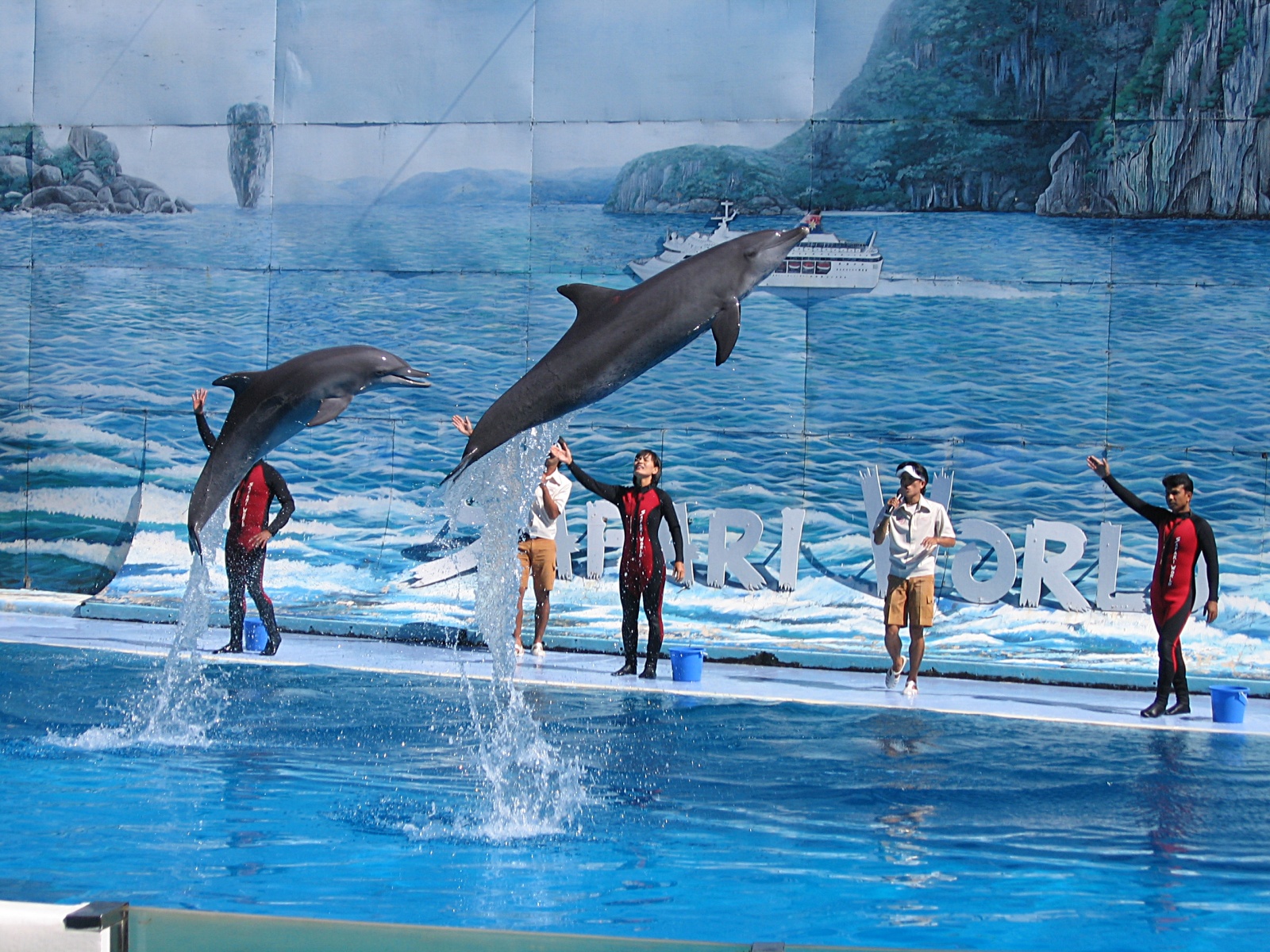
Safari World — Takes a full day, expensive, and ethically questionable. The orangutan shows are particularly depressing.
Khao San Road in the afternoon — It's dead during the day. Only worth visiting after 6 PM.
Most rooftop restaurants for dinner — Overpriced and the food is usually mediocre. Go for drinks and views only.
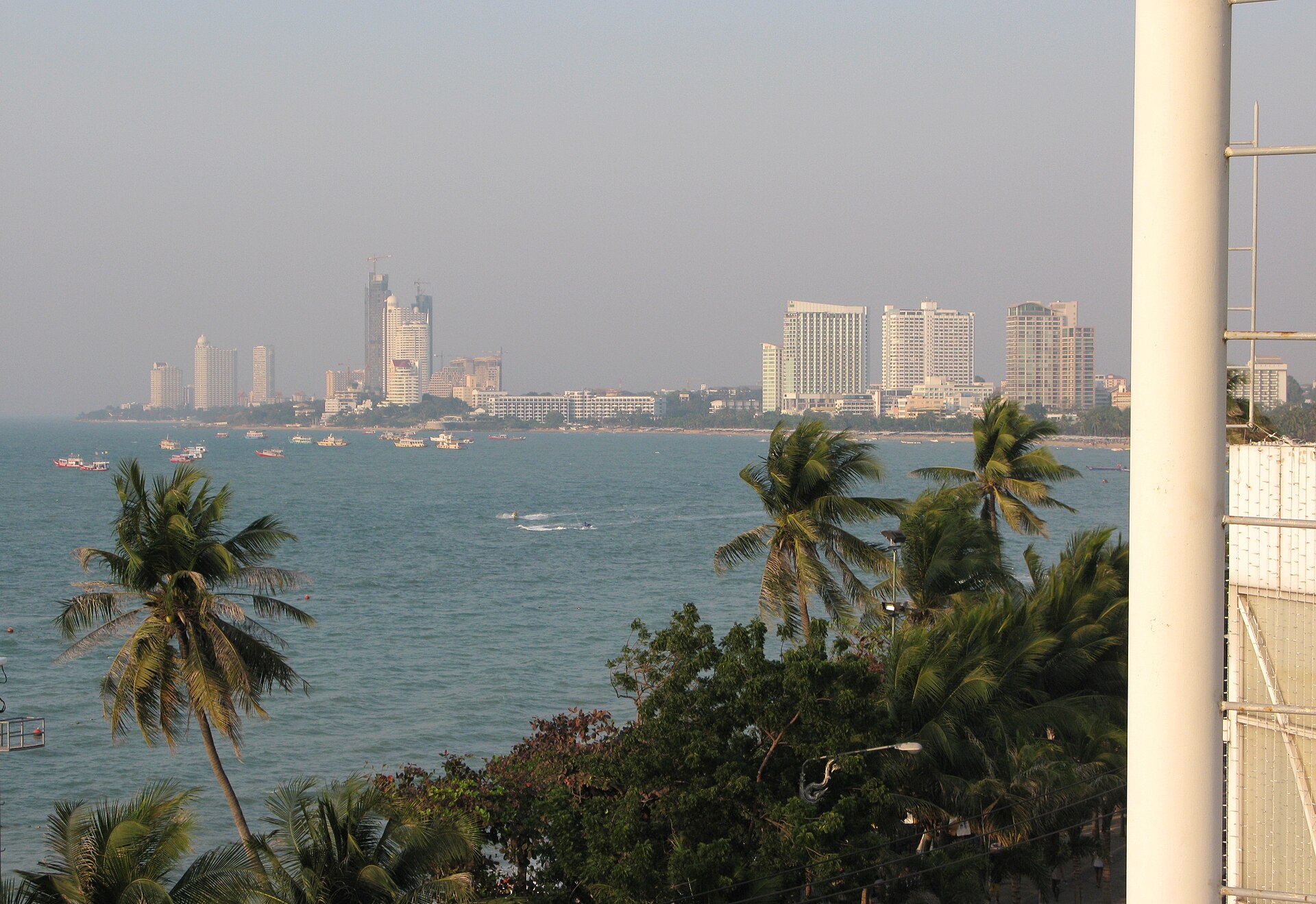
If you would rather not book each piece yourself, our 4-night Bangkok Pattaya tour package covers 2 nights in Pattaya and 2 in Bangkok with 3-star hotels, shared transfers, the Wat Pho and Wat Arun walk, Safari World and a Chao Phraya dinner cruise. Flights are booked separately.
Safety Notes for Indian Travelers
Bangkok is generally very safe. Way safer than most Indian metros, honestly. But some things to know:
Tuk-tuk scams: If a driver offers to take you to the Grand Palace for 20 Baht, he's lying. They'll stop at gem shops or suit tailors along the way (they get commission). Just take the BTS.
Gem shop scams: "Today only, government sale, special discount" — it's all nonsense. The gems are worthless. Don't engage.
Temple closures: Always verify opening hours. The Grand Palace occasionally closes for royal events without much notice.
Solo women travelers: You'll be fine. Thai people are respectful. The main tourist areas are well-lit and busy. Just use common sense after midnight in quieter sois (lanes).
Planning a Thailand trip can feel overwhelming with all the logistics. If you want help, check out our Thailand tour packages — we handle flights, hotels, and daily itineraries so you can focus on enjoying Bangkok. For more destination ideas, browse our complete destination guides. And if you're considering combining destinations, our Singapore travel guide pairs perfectly with a Bangkok trip.
Six trips in, and Bangkok still surprises me. The temple that looks ordinary from outside but explodes with color inside. The random street vendor whose pad see ew beats fancy restaurants. The sunset over Wat Arun that makes you forget the chaotic tuk-tuk ride to get there. Go with a plan, stay flexible, and don't forget the 1-3pm rest. This Bangkok itinerary for Indian travelers should serve you well — it took me years of mistakes to put it together.
Done with Bangkok and want to see a different side of Thailand? Head north to Chiang Rai — the temples are weirder, the food is spicier, and prices are half of what you'll pay here. Northern Thailand is completely different from Bangkok, and worth at least 3-4 days if you can spare them.
Got questions? Drop them below. I've probably made whatever mistake you're worried about making.
How to Plan a 3-Day Bangkok Trip from India
Step-by-step guide to planning your perfect Bangkok itinerary as an Indian traveler
Book flights and accommodation
Book flights 6-8 weeks in advance. Stay near BTS Sukhumvit line (Asok, Nana, or Phrom Phong stations) for easy access to all attractions.
Get Thai SIM card at airport
Purchase AIS or DTAC tourist SIM at Suvarnabhumi Airport arrivals. Costs 299-599 Baht for 8-15 days with unlimited data.
Day 1 - Temples and old city
Visit Grand Palace, Wat Pho, and Wat Arun in the morning. Rest during afternoon heat. Explore Khao San Road in the evening.
Day 2 - Markets and shopping
Chatuchak Weekend Market in morning (arrive by 9am). Jim Thompson House after lunch. Siam area malls in the evening.
Day 3 - Floating market and final shopping
Early morning floating market trip. Return for Terminal 21 and MBK Center shopping. Farewell dinner at Indian restaurant.
Budget and exchange money wisely
Exchange money at SuperRich (green or orange) for best rates. Budget ₹3,000-5,000 per day for comfortable travel including food, transport, and activities.