
Cambodia & Angkor Wat Travel Guide from India 2026
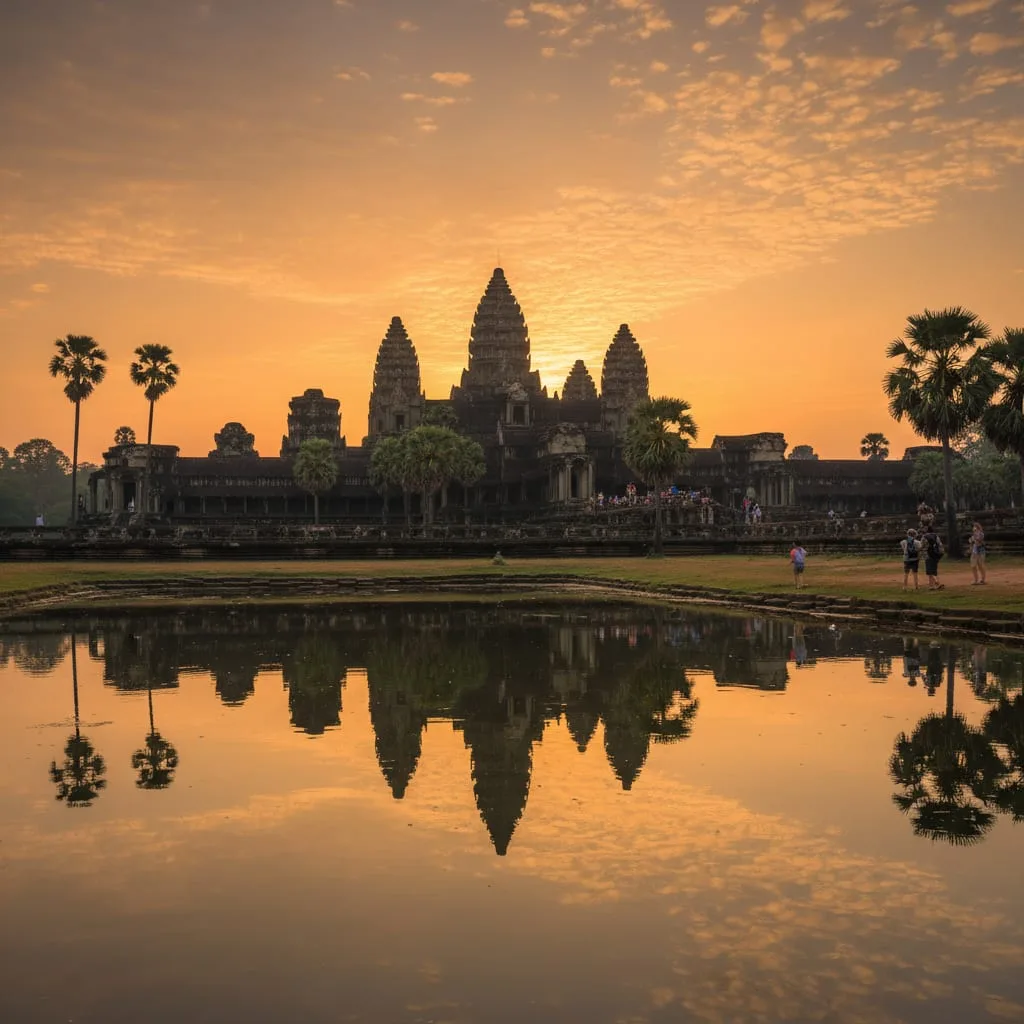
I'll be honest — I'd seen Angkor Wat in maybe a hundred photos before I actually went. Sunrises. Reflections. Those iconic five towers. What nobody mentioned was the humidity that hits you like a wall the moment you step off the plane in Siem Reap, or the fact that by 11 AM, you'll be so drenched in sweat that temple hopping starts feeling like a punishment. Still, standing in front of Angkor Wat at 5:30 AM, watching the sky turn from black to orange to gold, I understood why people keep coming back to this Cambodia travel guide from India searches year after year.
Planning a Cambodia travel guide from India trip? Cambodia sits just a few hours away via connecting flights, yet most Indians I know have never considered it. They'll do Thailand, Bali, even Vietnam — but Cambodia? "Isn't that just temples?" a friend asked me. Sure, if you ignore the floating villages, the heartbreaking history, the beaches that rival Thailand's at half the price, and some of the friendliest people I've encountered in Southeast Asia. This Cambodia travel guide from India covers everything you need to know for planning your trip — from the surprisingly easy visa process to exactly how much you'll spend, temple by temple, tuk-tuk by tuk-tuk.
Cambodia Travel Guide from India: Flights and Routes
There are no direct flights from India to Cambodia. You'll connect through Bangkok, Kuala Lumpur, Singapore, or Ho Chi Minh City. Bangkok is the cheapest and most convenient hub — the connection takes about 2-3 hours total, and you can sometimes snag return tickets for INR 18,000-22,000 on AirAsia if you book 6-8 weeks ahead.
From Delhi and Mumbai, expect total travel time of 7-9 hours including the layover. Bangalore and Chennai add another hour. I've done the Bangkok connection four times now, and my advice: don't book a tight layover. Thai immigration queues at Suvarnabhumi can stretch to 45 minutes during peak hours. Give yourself at least 2.5 hours between flights.
Fly into Siem Reap (REP) if temples are your priority. Phnom Penh (PNH) makes sense if you're combining Cambodia with Vietnam or want to explore the capital first. Budget carriers like AirAsia, Thai VietJet, and Cambodia Angkor Air handle most India-Cambodia routes through their respective hubs. For finding the cheapest international flights from India, I'd recommend checking prices on Skyscanner with flexible dates — Tuesday and Wednesday departures tend to be cheaper.
Cambodia Visa for Indians: The On-Arrival Process
This is the part Indians stress about unnecessarily. Cambodia offers visa on arrival for Indian passport holders at Siem Reap and Phnom Penh airports. The cost is USD 30 (keep exact cash — they don't always have change), and the process takes 15-30 minutes depending on how many flights have landed.
What you need: passport with 6+ months validity, one passport-sized photo (they'll charge you USD 2 extra if you don't have one), and the filled arrival/departure card they hand out on the plane. The visa grants 30 days, single entry. Don't lose the departure stub — you'll need it when leaving.
The e-visa option exists (apply at evisa.gov.kh, USD 36 including processing fee) but honestly, the on-arrival queue moves fast enough that I've never bothered. One warning though: land borders like Poipet (from Thailand) have a reputation for "extra fees" — stick to airport arrivals if you want a hassle-free experience. If you're planning a multi-country trip, check our Laos Myanmar travel guide for crossing from Cambodia into Laos via the 4000 Islands.

Siem Reap: The Temple Town
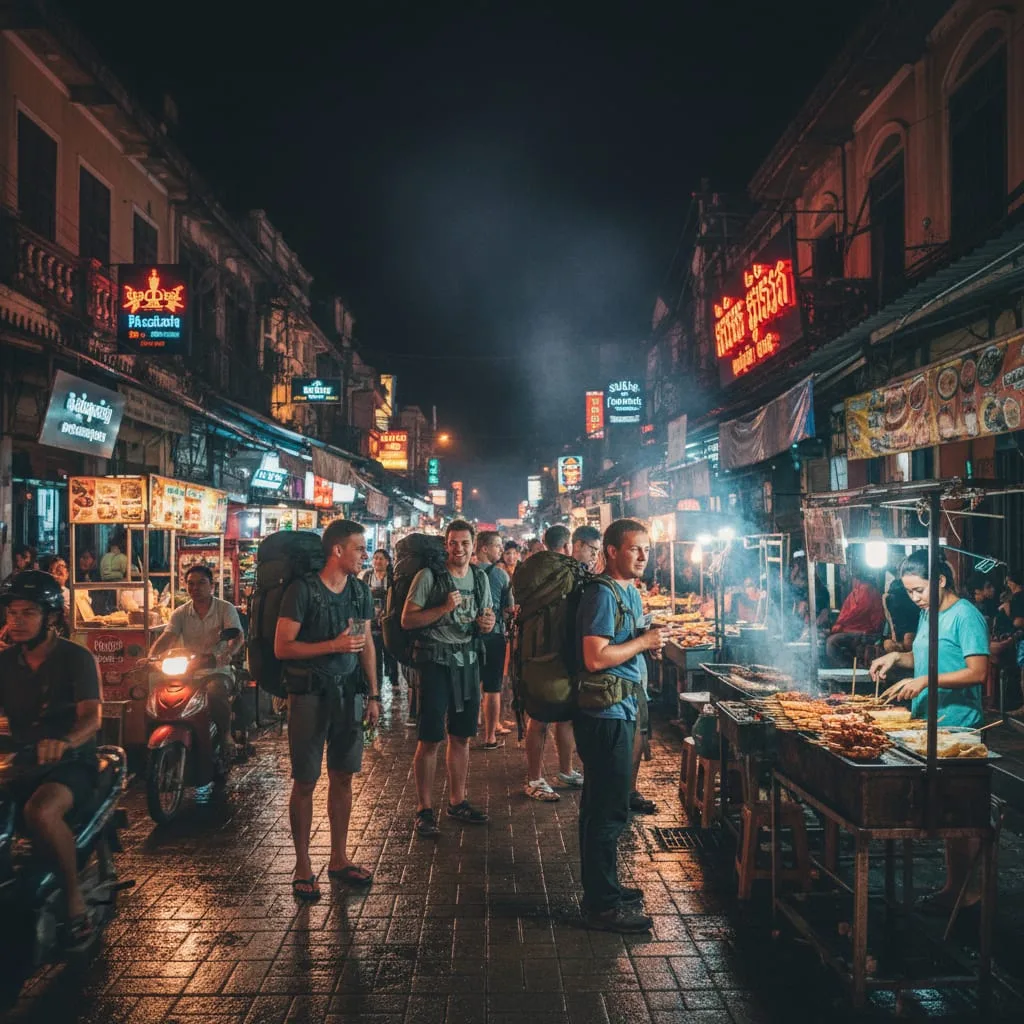
Siem Reap exists because of Angkor. The entire economy revolves around tourists visiting the temples, and the town has developed excellent infrastructure as a result — good hotels at every price point, restaurants catering to every cuisine, and an absolute circus of a nightlife strip called Pub Street. You'll need a minimum of 2 nights here, ideally 3-4 if you want to properly explore the temple complex without burning out.
Where to Stay in Siem Reap
Stay within walking distance of Pub Street for convenience. The Old Market area puts you close to restaurants, massage parlors, and the night market. For budget travelers, guesthouses along Sivatha Boulevard offer clean rooms for INR 1,200-1,800 per night — I've stayed at Angkor Wonder and Siem Reap Hostel, both decent. Mid-range options like Jaya House or Onederz Hostel run INR 2,500-4,500. If you want luxury, the Park Hyatt and Sofitel are here, but honestly, you'll spend so little time in your room that it feels wasteful.
Pro tip: book on Agoda, not Booking.com. Agoda consistently has better rates for Southeast Asia hotels — sometimes 20-30% cheaper for the exact same room. Pay in local currency (USD or Riel) rather than INR to avoid conversion markups.
The Angkor Temple Pass: 1-Day vs 3-Day vs 7-Day
This decision matters more than you think. The passes cost USD 37 (1-day), USD 62 (3-day, valid for 10 days), and USD 72 (7-day, valid for a month). Here's my honest take after multiple visits:
1-Day Pass: Only if you have extremely limited time. You can see Angkor Wat, Angkor Thom, and maybe Ta Prohm, but you'll be rushing. The heat will destroy you by afternoon, and you'll miss sunset because you're too exhausted. Not recommended unless you genuinely have no other option.
3-Day Pass: The sweet spot for most travelers. Day 1 covers the small circuit (Angkor Wat sunrise, Bayon, Ta Prohm). Day 2 handles the grand circuit and distant temples like Banteay Srei. Day 3 becomes your "revisit favorites and catch what you missed" day. This is what I recommend for a Cambodia travel guide from India first-timer.
7-Day Pass: Worth it only if you're genuinely passionate about archaeology or photography. The price difference is just USD 10 more than the 3-day, so the value is excellent — but most people are templed-out by day 4.
Buy your pass at the official ticket office on Apsara Road (open 5 AM to 5:30 PM). They take USD cash or cards. Your photo gets printed on the pass — keep it visible when entering temples. Touts sell fake or used passes; don't engage.
Best Temples for Cambodia Travel Guide from India
I've visited over 20 temples across three trips. Here's what's actually worth your time and what you can skip if pressed:
Cannot Miss (Even If You Have One Day)
Angkor Wat: The main event. Get there before 5:30 AM for sunrise (yes, it's crowded, but it's crowded for a reason). Walk the entire complex — the outer galleries have incredible bas-reliefs depicting Hindu mythology and the Khmer army. The inner sanctuary requires modest dress (knees and shoulders covered). Budget 3-4 hours.
Bayon (Angkor Thom): The one with giant faces. Over 200 stone faces carved into towers, all with that mysterious half-smile. Come early or late afternoon — the faces photograph best in angled light. Don't miss the detailed bas-reliefs on the outer walls showing everyday Khmer life. Budget 1.5-2 hours.
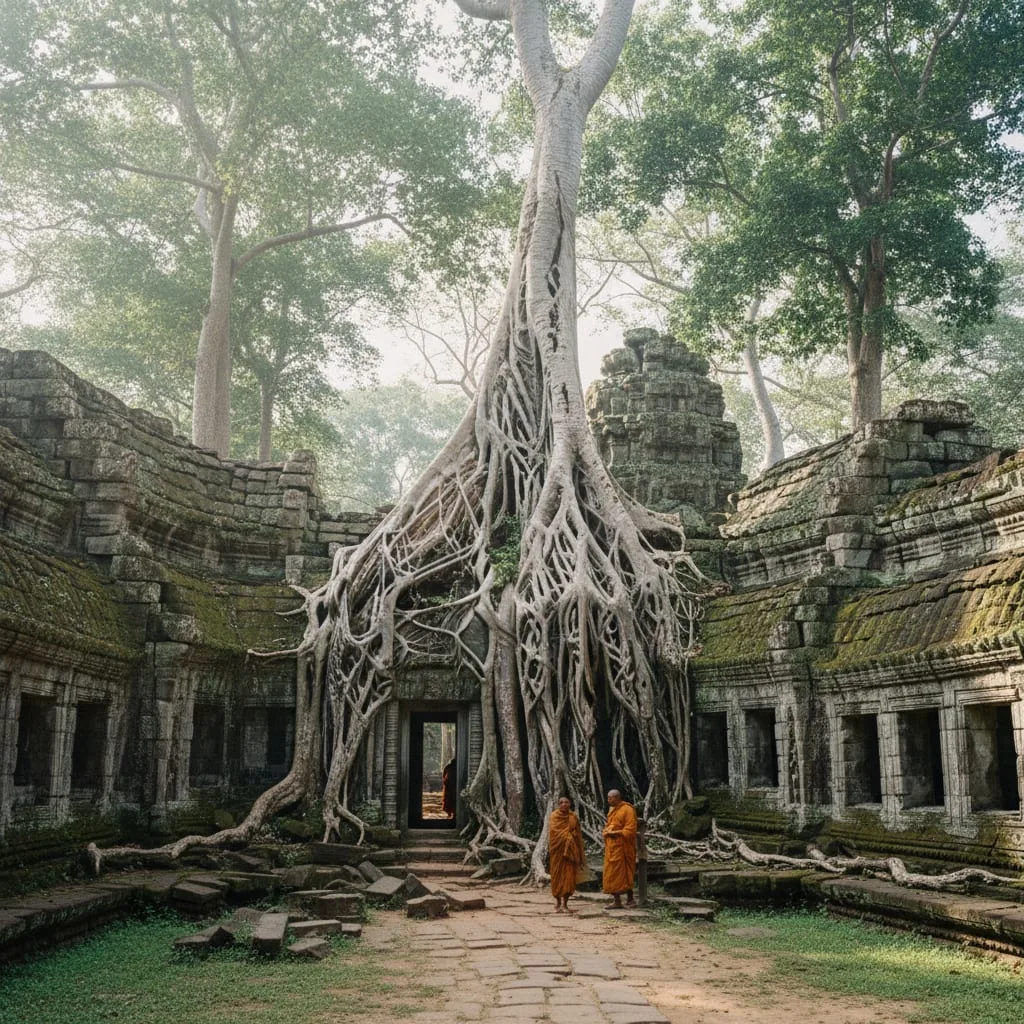
Ta Prohm: The "Tomb Raider temple" where trees have consumed the ruins. Incredibly photogenic, but expect crowds at the famous spots. The interior courtyard where the silk-cotton tree roots spill over the walls is the money shot. Visit early morning or you'll be in everyone else's photos. Budget 1-1.5 hours.
Highly Recommended (Day 2 Material)
Banteay Srei: About 25 km from the main complex, this pink sandstone temple has the finest carvings in all of Angkor. The detail on the lintels and pediments is mind-blowing. Worth the extra tuk-tuk fare (agree on price beforehand — should be around USD 25-30 including waiting time). Budget 1 hour at temple, 1.5 hours travel.
Preah Khan: A sprawling temple that feels less restored, more atmospheric. Fewer crowds than Ta Prohm despite similar overgrown-by-nature vibes. The long corridors and interconnected galleries make it easy to get lost (in a good way). Budget 1-1.5 hours.
Pre Rup: The best sunset temple, in my opinion. Less crowded than Phnom Bakheng (the famous sunset spot that's become unbearably packed). Climb to the top tier, find a corner, and watch the light change. Budget 1-1.5 hours including sunset.
Skip If Short on Time
Phnom Bakheng at sunset (overcrowded, limited capacity, long wait), most of the Grand Circuit temples beyond Preah Khan (similar to what you've seen), and the distant Roluos Group unless you're really into early Khmer architecture. I know every temple has fans, but if you only have 2-3 days, prioritize depth over breadth.
Surviving the Temples: Practical Tips Nobody Tells You
Any Cambodia travel guide from India will tell you: the heat is relentless. I cannot stress this enough. Cambodia in March-May hits 38-42 degrees Celsius, and the temple grounds offer minimal shade. Even in "cool" season (November-February), you'll sweat through your clothes by 10 AM. Here's how to not collapse:
Wake up at 5 AM. Seriously. Buy your pass the afternoon before, set an alarm for 4:30 AM, and be at Angkor Wat by 5:15. You get the sunrise, cooler temperatures, and thinner crowds for the first few hours. By 10 AM, retreat to your hotel for lunch and AC. Resume at 3 PM when the worst heat passes.
Hydrate aggressively. Carry at least 2 liters of water. You can buy more at temples, but prices are inflated (USD 1-2 per bottle vs. USD 0.50 outside). Electrolyte packets help — I bring ORS from India.
Dress smart. Light, loose clothing that covers knees and shoulders (temple requirement anyway). A hat is essential. Quick-dry fabrics beat cotton. Some people bring a small towel to wipe sweat constantly — not a bad idea.
Temple fatigue is real. After 4-5 hours of climbing steep stairs, walking kilometers, and squinting at carvings, everything starts blending together. This is why I advocate for the 3-day pass with mid-day breaks. Quality over quantity.
Beyond Temples: Phnom Penh and the Killing Fields
Phnom Penh is worth 1-2 days if your itinerary allows. The capital feels grittier, more chaotic than laid-back Siem Reap — traffic is aggressive, the markets are overwhelming, and the history is heavy. But it's an important part of understanding Cambodia.
The Tuol Sleng Genocide Museum (S-21) and the Killing Fields of Choeung Ek document the Khmer Rouge era when nearly 2 million Cambodians — a quarter of the population — were killed between 1975-1979. The audio guide at the Killing Fields is devastating. I cried. Most people do. It's not "tourism" in any enjoyable sense, but it feels necessary.
Lighter Phnom Penh experiences: the Royal Palace and Silver Pagoda (gorgeous, skip if templed-out), the Central Market's art deco dome, and riverside walks along the Tonle Sap and Mekong confluence. Street food here is excellent and cheaper than Siem Reap.
Tonle Sap: The Floating Villages
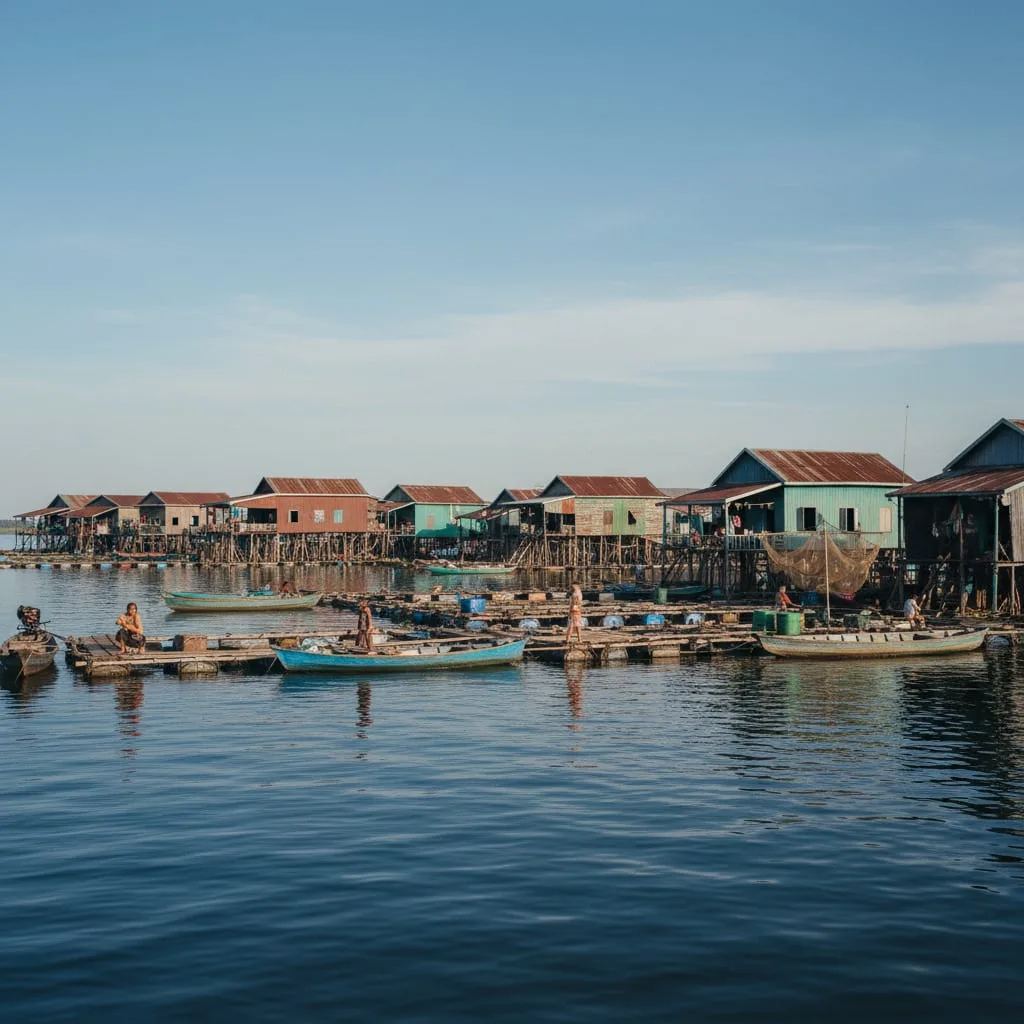
The Tonle Sap lake system is Southeast Asia's largest freshwater lake, and several communities have built their entire lives on the water. Houses, schools, shops — everything floats. The most visited is Chong Kneas (closest to Siem Reap, most touristy) and Kompong Khleang (further, more authentic, fewer visitors).
My recommendation: Kompong Khleang. Yes, it's 45 minutes from Siem Reap versus 15 minutes for Chong Kneas. But the stilt houses here are genuinely where locals live, not tourist setups. The boat ride costs around USD 20-25 per person through a tour, or you can hire a tuk-tuk to the village (USD 15-20 return) and negotiate a boat there (USD 15 for a small boat).
One honest note: floating village tours can feel exploitative if done poorly. You're essentially gawking at poverty. Choose operators who work with the community, tip your boat driver directly, and buy snacks from village shops rather than tourist boats.
Sihanoukville and the Islands: Beach Time
If you need a beach break after temples, head to the Cambodian coast. Sihanoukville itself has become overdeveloped and honestly not great — Chinese casinos have transformed the town. But the islands offshore — Koh Rong and Koh Rong Samloem — still have that backpacker paradise vibe with white sand and turquoise water.
Getting there: Bus from Siem Reap to Sihanoukville (12 hours, INR 1,200-1,500) or fly (1 hour, INR 4,000-6,000 one way). From Sihanoukville, speedboats to Koh Rong take 45 minutes (USD 22-25 return).
Skip Sihanoukville if: you only have 5-6 days total (not worth the travel time), or you're expecting Thai island infrastructure (it's more rustic). Do it if: you have 8+ days and want proper relaxation after temple fatigue.
Cambodia Travel Guide from India: Food and Vegetarian Tips
Cambodian cuisine flies under the radar compared to Thai and Vietnamese, but it's genuinely delicious. The flavors are milder, less spicy, with lots of fresh herbs and fish paste (prahok). Must-tries:
Amok: The national dish — fish (or chicken/tofu) steamed in coconut curry with kroeung (lemongrass, galangal, turmeric paste), served in a banana leaf bowl. Creamy, fragrant, not spicy. Every restaurant serves it. The official Tourism Cambodia website has a good restaurant directory.
Lok Lak: Stir-fried beef with pepper-lime dipping sauce, usually served with rice and a fried egg. Simple, satisfying, available everywhere.
Nom Banh Chok: Rice noodles with green fish curry — a breakfast staple. Look for ladies selling from carts in markets.
Fried spiders: Yes, really. Fried tarantulas are a Cambodian delicacy, particularly around Skuon. I tried one. Tasted like crispy, slightly bitter nothing. Done for the experience, won't repeat.
Vegetarian Tips for Indians
This is tricky. Cambodian cooking uses fish sauce and shrimp paste liberally — even dishes that look vegetarian often aren't. However, Siem Reap's tourist economy means plenty of Indian restaurants (Curry Walla, Chamkar Vegetarian, Little India) and Western cafes with clearly labeled vegetarian options.
Learn to say "Sot tae bong lei" (vegetarian, literally "I eat only vegetables"). At local restaurants, stick to fried rice/noodles and specify "no meat, no fish sauce" — they generally understand. Fresh fruit is abundant and safe. The night markets have grilled corn, fresh coconut, and fruit shakes that work for vegetarians.
If you're strict vegetarian or vegan, Chamkar in Siem Reap is your best friend — fully plant-based Khmer cuisine. Slightly pricier than street food but peace of mind.
Cambodia Travel Guide from India: Budget Breakdown
Here's what you'll actually spend on a 5-day trip covering Siem Reap (3 nights) and Phnom Penh (2 nights):
Flights: INR 18,000-25,000 return from major Indian cities (book 6-8 weeks ahead via Bangkok)
Visa on Arrival: USD 30 (approximately INR 2,500)
Accommodation:
- Budget (guesthouse): INR 1,500/night x 5 = INR 7,500
- Mid-range (3-star hotel): INR 3,500/night x 5 = INR 17,500
- Comfort (4-star): INR 6,000/night x 5 = INR 30,000
Angkor Temple Pass: USD 62 for 3-day = INR 5,200
Tuk-tuk (3 days temples): USD 15/day x 3 = USD 45 = INR 3,800
Food:
- Street food/budget: INR 800-1,000/day x 5 = INR 4,000-5,000
- Restaurant meals: INR 1,500-2,000/day x 5 = INR 7,500-10,000
Internal transport (Siem Reap to Phnom Penh): Bus INR 1,200 or flight INR 4,500
Activities/entrance fees: Killing Fields USD 6, Royal Palace USD 10, etc. = INR 2,500-3,000
Miscellaneous (SIM card, water, tips): INR 2,000-3,000
TOTAL (5 days):
- Budget traveler: INR 45,000-50,000
- Mid-range comfort: INR 60,000-70,000
- Comfortable with cushion: INR 80,000-90,000
For staying connected, grab a local SIM at the airport (Smart or Cellcard, USD 5-7 for tourist packages with data). Or check out our eSIM guide for Indian travelers if you prefer digital — Airalo and Holafly work in Cambodia.
Cambodia Travel Guide from India: 5-Day Itinerary
Day 1: Arrive Siem Reap
Land at Siem Reap airport, get visa on arrival, check into hotel. Afternoon: buy Angkor pass at the official counter. Evening: wander Pub Street, eat amok for dinner, get a massage (they're cheap — USD 8-10 for an hour), sleep early.
Day 2: Angkor Small Circuit
4:30 AM wake up. 5:15 AM reach Angkor Wat for sunrise. Explore Angkor Wat until 9:30 AM. Angkor Thom and Bayon until noon. Retreat to hotel for lunch and rest. 3:30 PM: Ta Prohm. 5:30 PM: Pre Rup for sunset. Dinner at night market.
Day 3: Banteay Srei + Tonle Sap
7 AM depart for Banteay Srei (1-hour drive). Return via Banteay Samre (small, beautiful, uncrowded). Lunch at hotel. Afternoon: Tonle Sap floating village tour. Evening free — explore Old Market or revisit a favorite temple for sunset.
Day 4: Travel to Phnom Penh + Capital Exploration
Morning bus to Phnom Penh (6 hours) or fly (1 hour). Afternoon: Tuol Sleng Museum. Emotionally prepare yourself. Evening: riverside walk, dinner along Sisowath Quay.
Day 5: Killing Fields + Departure
Morning: Killing Fields of Choeung Ek (allow 2-3 hours including audio guide). Return via Central Market for last-minute shopping. Afternoon: Royal Palace if time permits. Evening flight back to India.
Common Scams and How to Avoid Them
For anyone following this Cambodia travel guide from India, know that Cambodia is generally safe, but tourist scams exist. Here's what to watch for:
Tuk-tuk drivers who change prices: Always agree on the fare before getting in. Write it down if needed. "Includes petrol" is a scam phrase — all rides include petrol by default.
"Temple closed" lies: Drivers sometimes claim a temple is closed to take you to a commission-paying silk shop instead. Temples are almost never closed during operating hours. Insist or walk away.
Children selling souvenirs: It's heartbreaking, but buying from child vendors encourages keeping them out of school. Donate to reputable NGOs instead.
Fake orphanages: "Orphanage tourism" is a real problem. Many "orphanages" are scams where children are recruited from poor families to perform for tourists. Never visit orphanages or donate directly — support established organizations like Friends International instead.
USD change scams: Cambodia uses both USD and Riel. Riel is used for amounts under USD 1. Check that you receive Riel change, not worthless bills from other countries. Current rate: approximately 4,000 Riel = USD 1.
Best Time to Visit Cambodia from India
November to February: Dry season, comfortable temperatures (25-30 degrees Celsius), perfect for temple exploration. This is peak tourist season — expect higher prices and crowds at Angkor.
March to May: Hot season. Unbearably hot (38-42 degrees). Temples become endurance tests. Water levels in Tonle Sap drop. Not recommended unless you handle heat well.
June to October: Monsoon season. Heavy afternoon rains (usually 2-3 hours), otherwise sunny. Fewer tourists, greener landscapes, atmospheric temple visits with dramatic clouds. The rain actually makes temple exploration more pleasant — just carry an umbrella.
My preference: early December or late February. Shoulder season pricing, manageable crowds, pleasant weather.
Cambodia Travel Guide from India: Final Verdict
Absolutely. For the price of a domestic trip to Ladakh or Kerala, you get world-class UNESCO heritage, a completely different culture, food that (mostly) works for Indian palates, and bragging rights about that sunrise at Angkor Wat. The visa is easy, the people are warm, the history is profound, and the beer costs less than a fancy coffee in Bangalore.
One trip won't be enough. I said I'd do three days of temples and never return. Now I'm planning my fourth visit — this time to explore the northeast, the cardamom mountains, and the temples I skipped because I was too hot and tired. Cambodia has a way of pulling you back.
If you're looking to turn this into a proper Southeast Asia loop, consider combining Cambodia with Vietnam (fly Phnom Penh to Ho Chi Minh City, 45 minutes) or Thailand (bus from Siem Reap to Bangkok, 8 hours). TripCabinet can help plan multi-country itineraries that make logistical sense — we've done this route dozens of times for travelers from India.
For more World Heritage destinations within easy reach, see our guide to UNESCO sites near India.Beyond Angkor Wat, Cambodia carries a darker chapter of history. The Killing Fields and Tuol Sleng prison museum in Phnom Penh are among the most impactful dark tourism historical travel sites accessible from India — difficult but essential if you want to understand the country fully.
Frequently Asked Questions
How much does a Cambodia trip cost from India?
A 7-day Cambodia trip from India costs ₹45,000-65,000 budget, ₹80,000-1.2 lakh mid-range. Flights from India (via Bangkok/KL) cost ₹18,000-30,000 return. Cambodia itself is very cheap — daily budget of ₹2,500-4,000 covers guesthouse, meals, tuk-tuks, and temple entries.
Do Indians need a visa for Cambodia?
Yes, but it is easy. Indians can get a visa on arrival at Phnom Penh or Siem Reap airport for $30 (approximately ₹2,500). Alternatively, apply for an e-Visa online at evisa.gov.kh for $36. Carry one passport photo and proof of onward travel.
How many days are enough for Angkor Wat?
The 3-day Angkor Pass ($62) is the sweet spot. Day 1: Angkor Wat sunrise + Angkor Thom + Bayon. Day 2: Ta Prohm (Tomb Raider temple) + smaller temples. Day 3: Banteay Srei + floating village. One day feels rushed and misses the magic.
Is Cambodia safe for Indian tourists?
Yes, Cambodia is safe for tourists. Siem Reap and Phnom Penh tourist areas are well-patrolled. Petty theft (bag-snatching from motorbikes) is the main concern in Phnom Penh. Use a cross-body bag and avoid flashing expensive phones. Locals are genuinely friendly to Indian visitors.
Can vegetarians survive in Cambodia?
It is harder than Thailand but doable. Cambodian cuisine is meat-heavy but you can find morning glory stir-fry, fried rice without meat, fresh spring rolls, and fruit shakes everywhere. In Siem Reap, Indian restaurants on Pub Street serve familiar food. Carry protein bars as backup.
How to Plan a Cambodia Trip from India
Step-by-step guide to planning your Cambodia trip including flights, visa, temples, and budget.
Book flights to Siem Reap
Book flights from major Indian cities via Bangkok, Kuala Lumpur, or Singapore. AirAsia, Thai Airways, and Singapore Airlines offer good connections. Expect INR 15,000-25,000 for return tickets.
Arrange visa on arrival documents
Prepare USD 30 cash (exact change preferred), one passport photo, and ensure passport has 6+ months validity. Fill the arrival card on the plane.
Choose your Angkor temple pass
Decide between 1-day (USD 37), 3-day (USD 62), or 7-day (USD 72) passes. Buy at the official ticket counter only - avoid touts selling passes.
Book accommodation in Siem Reap
Stay near Pub Street for convenience. Budget hotels cost INR 1,500-2,500/night, mid-range INR 3,000-5,000. Book on Agoda for best Cambodia rates.
Hire a tuk-tuk driver for temples
Arrange a tuk-tuk driver for temple visits (USD 15-20/day). Fix the price and itinerary before starting. Your hotel can recommend reliable drivers.
Plan your temple circuit
Start with sunrise at Angkor Wat, then explore Bayon and Ta Prohm. Save distant temples like Banteay Srei for day 2. Avoid midday temple visits (extreme heat).