

Scandinavia from India: Norway, Sweden & Denmark on a Budget
In this guide (13)
- The One-Visa Advantage: Schengen Makes It Simple
- Flying to Scandinavia: Routes and Costs from India
- Norway: Fjords, Mountains, and Financial Damage
- Sweden: Efficiency Meets Cool
- Denmark: Small, Charming, Slightly More Affordable
- Getting Around: Eurail vs Budget Airlines
- Accommodation: Where to Sleep Without Going Broke
- Food Strategy: Surviving Scandinavian Prices
- Sample 12-Day Itinerary
- Best Time to Visit: Summer vs Winter
- The Real Scandinavia Trip from India Cost Breakdown
- Money-Saving Hacks That Actually Work
- Frequently Asked Questions
I stood at the edge of Preikestolen, that terrifying 604-metre cliff in Norway, and watched a Norwegian family casually eating sandwiches while their toddler played near the edge. That's when I realised two things: Scandinavians have nerves of steel, and my scandinavia trip from india cost had been worth every rupee — even though those rupees had vanished faster than I'd expected.
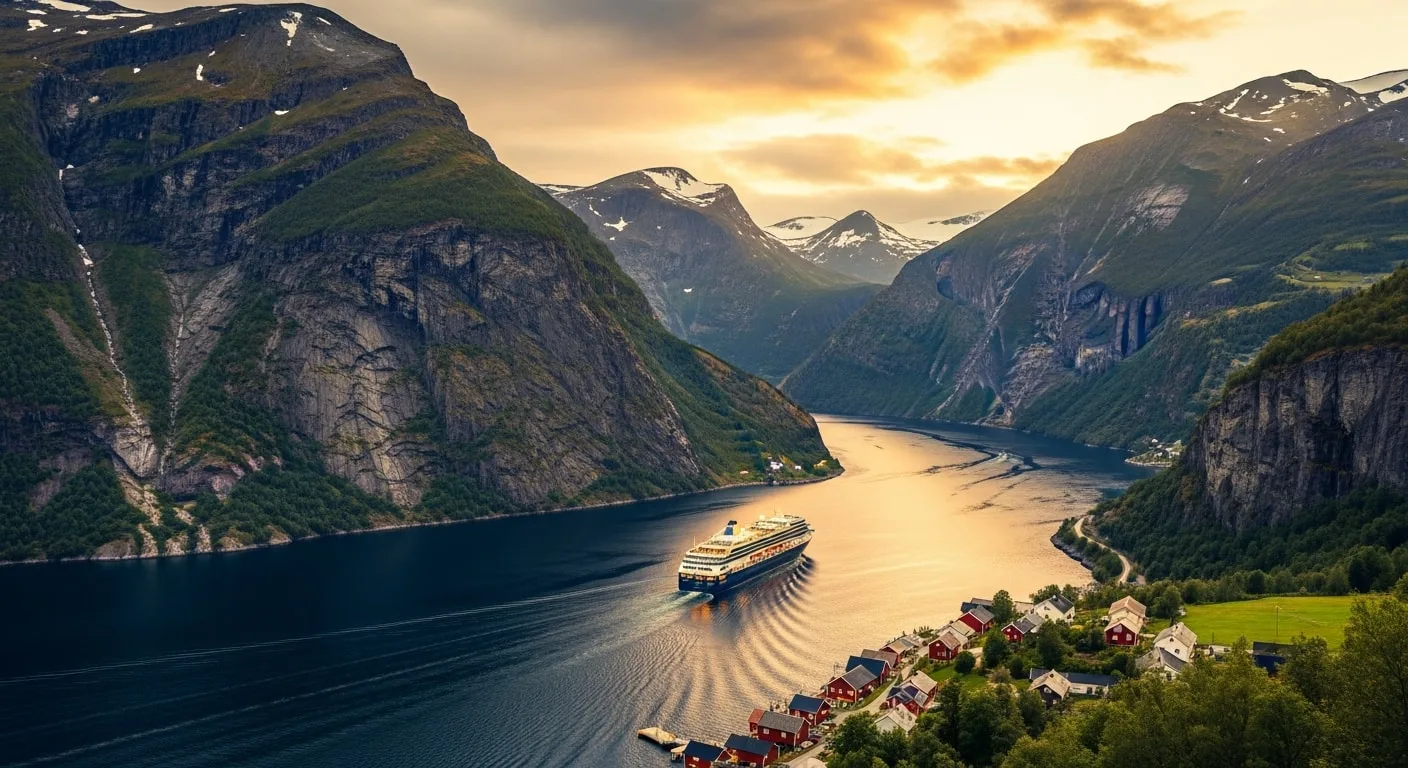
Look, I'm not going to sugarcoat this. Scandinavia is expensive. Obscenely expensive by Indian standards. A simple meal in Oslo costs what an entire day's budget might be in Southeast Asia. But here's the thing: Norway, Sweden, and Denmark offer experiences that simply don't exist anywhere else on Earth. Fjords that make you forget how to breathe. Cities so clean they seem fake. Design so beautiful you'll want to redesign your entire flat when you get home. And yes, the Northern Lights — if you time it right.
This guide breaks down exactly how much a Scandinavia trip from India costs, where to save money without sacrificing the experience, and how to tackle all three countries in 10-14 days without burning through your life savings. I've done the research, made the mistakes, and learned the hard lessons so you don't have to.

The One-Visa Advantage: Schengen Makes It Simple
Here's your first piece of good news. Norway, Sweden, and Denmark are all Schengen countries, which means one visa gets you into all three. Apply at the embassy of your main destination — typically Norway since most Indian travellers spend the longest there. The standard tourist visa costs approximately ₹6,500 (about €80) plus VFS service charges around ₹2,000.
Processing takes 15-20 working days, so apply at least a month before your intended travel dates. You'll need the usual suspects: bank statements showing sufficient funds (they want to see at least €100 per day of travel), flight bookings, hotel reservations, travel insurance covering €30,000 medical expenses, and a cover letter explaining your itinerary.
The embassy doesn't care if your bookings are refundable. Smart travellers book flexible options, get the visa, then rebook cheaper non-refundable options later.
Flying to Scandinavia: Routes and Costs from India
Direct flights from India to Scandinavia don't exist yet. Your best options involve one stop, and the route you choose significantly impacts your overall scandinavia trip from india cost.
Finnair via Helsinki
This is my preferred option. Finnair flies from Delhi, Mumbai, and Bengaluru to Helsinki, and from there you're already in the Nordic region. Flights to Copenhagen or Stockholm take barely an hour. Return tickets typically run ₹45,000-70,000 depending on season and how far in advance you book. Helsinki Airport is efficient and the connection times are reasonable.
SAS via Copenhagen
Scandinavian Airlines connects through Middle Eastern hubs or European cities to Copenhagen. Slightly pricier than Finnair usually, but their service is excellent and Copenhagen makes a logical starting point for a Denmark-Sweden-Norway route.
Budget Combinations
For the truly price-conscious: fly a Gulf carrier (Emirates, Etihad, Qatar) to London or Amsterdam, then grab a budget flight on Norwegian Air or Ryanair into Oslo or Stockholm. This can drop your airfare to ₹35,000-45,000 return, though you'll spend more time in transit. Check our guide to finding cheap international flights from India for detailed booking strategies.
Norway: Fjords, Mountains, and Financial Damage
Norway will break your budget. Accept this now. But it will also break your brain with its beauty, so the exchange is fair.
Oslo (2-3 Days)
Start in the capital. The Vigeland Sculpture Park is free and genuinely strange — over 200 bronze and granite sculptures by Gustav Vigeland, including that famous angry baby. The Opera House has a roof you can walk on, offering views across the harbour. The Fram Museum, dedicated to polar exploration, costs NOK 180 (₹1,500) but tells an incredible story of Norwegian expeditions to both poles. Check Visit Norway's official site for seasonal events and updated opening hours.
Skip the tourist restaurants around Karl Johans gate. Instead, hit the Mathallen food hall where you can sample local produce without restaurant markups, or grab a kebab from one of the many Middle Eastern joints in Gronland — Oslo's most diverse neighbourhood. A shawarma wrap costs around NOK 100 (₹850) and will actually fill you up.
Bergen and the Fjords (3-4 Days)
Take the train from Oslo to Bergen. Yes, it costs NOK 600-900 (₹5,000-7,500) one way, but this seven-hour journey through mountains and valleys is an attraction itself. Pack snacks — the train cafe prices will make you weep.
Bergen's Bryggen wharf, with its colourful wooden buildings, is UNESCO-listed and completely free to wander. Take the Floibanen funicular (NOK 100 return) for sunset views over the harbour. The fish market is touristy but still has excellent seafood — share a mixed platter with a travel partner to manage costs.
For fjords, the classic "Norway in a Nutshell" tour combines train, bus, and ferry to show you Sognefjord, the deepest fjord in Norway. Budget around NOK 2,000-3,000 (₹17,000-25,000) for the full day trip. Is it worth it? Absolutely. The scenery is genuinely life-changing.
Lofoten Islands (2-3 Days)
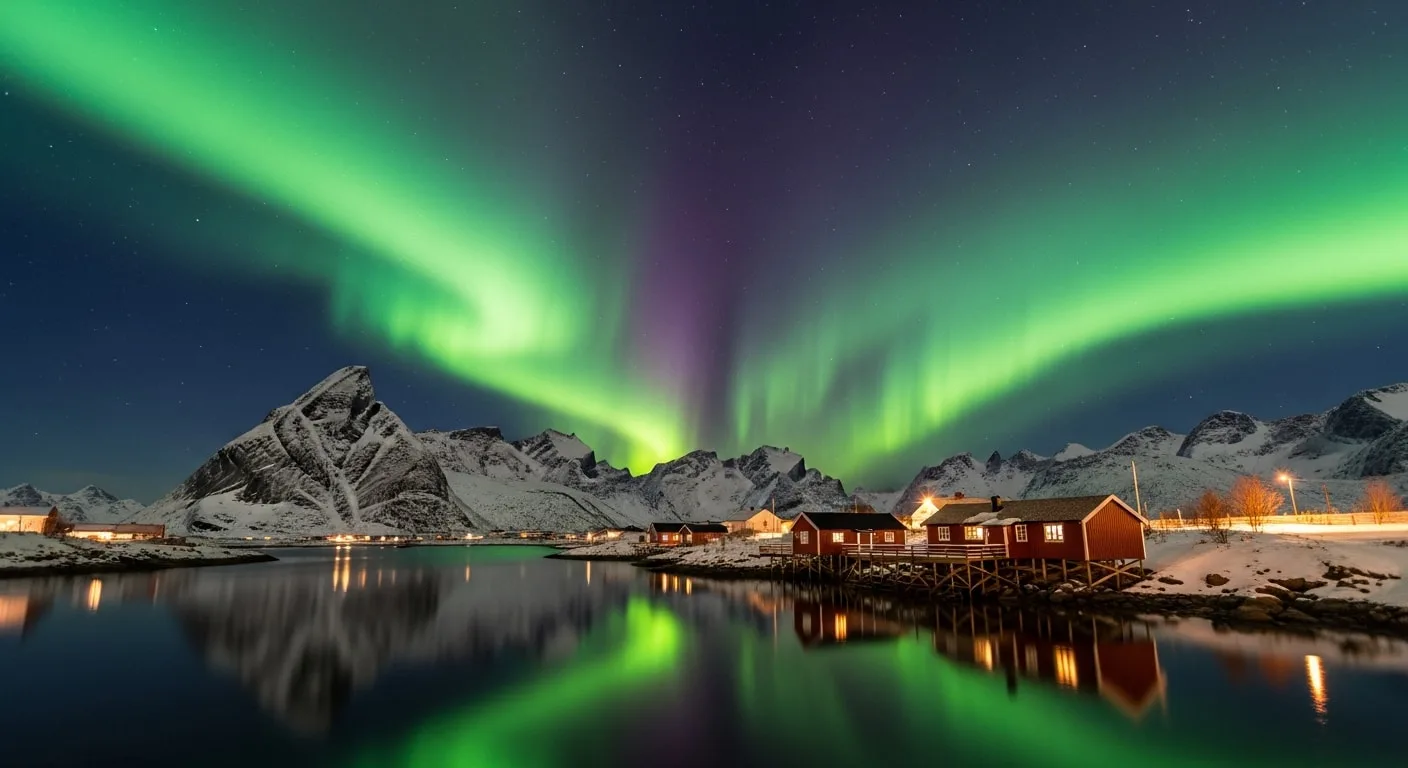
If you've got time and budget flexibility, Lofoten is where Norway gets absurd. Dramatic peaks rising straight from the sea, traditional fishing villages painted red, and some of the best Northern Lights viewing in the world during winter months. Getting there involves a flight to Bodo and then a ferry, which adds expense but delivers landscapes you won't see anywhere else. Budget NOK 1,500 (₹12,500) for transportation each way.
Trolltunga — Worth the Hype?
That famous tongue-shaped rock jutting over a valley? It's a 22-kilometre round-trip hike taking 10-12 hours. You need proper hiking boots, physical fitness, and ideally a guide (required October-May). The view is spectacular, but this isn't a casual day trip. If you're serious about it, budget NOK 2,000-3,000 (₹17,000-25,000) for guided tours that include transport from Odda.
Sweden: Efficiency Meets Cool
After Norway's prices, Sweden feels almost affordable. Almost.
Stockholm (3-4 Days)
The Swedish capital spreads across 14 islands, which means lots of water views and lots of bridges. Gamla Stan, the old town, is where you'll find the Royal Palace (free to walk around exterior, SEK 160/₹1,300 for interior), cobblestone streets, and the narrowest alley in Stockholm — Marten Trotzigs Grand, just 90 centimetres wide.
The Vasa Museum houses a 17th-century warship that sank in Stockholm harbour on its maiden voyage and was salvaged almost perfectly intact 333 years later. Entry costs SEK 190 (₹1,550) and it's genuinely fascinating even if you have zero interest in maritime history.
ABBA The Museum costs SEK 280 (₹2,300) and is unashamedly fun. You can record yourself singing ABBA songs, dance in holograms with the band, and try on replica stage costumes. Even non-fans enjoy it.
For budget food, look for "dagens lunch" (today's lunch) at local restaurants — these set lunches cost SEK 100-140 (₹850-1,200) and include salad, bread, coffee, and a hot main. Far better value than ordering à la carte.
Gothenburg (1-2 Days)
Sweden's second city is more relaxed, with excellent seafood and a vibrant cafe culture. The Feskekörka (Fish Church) market is where locals buy their seafood — grab a shrimp sandwich and eat by the canal. The Liseberg amusement park is popular with families, though entry plus rides gets expensive fast.
Denmark: Small, Charming, Slightly More Affordable
Denmark is the most compact of the three countries, which helps your budget since transport distances are shorter.
Copenhagen (3 Days)
The Danish capital is ridiculously pleasant. Rent a bike (DKK 100-150/₹1,200-1,800 per day) and do what locals do: cycle everywhere. The city is flat and bike-friendly with dedicated lanes on every major street.
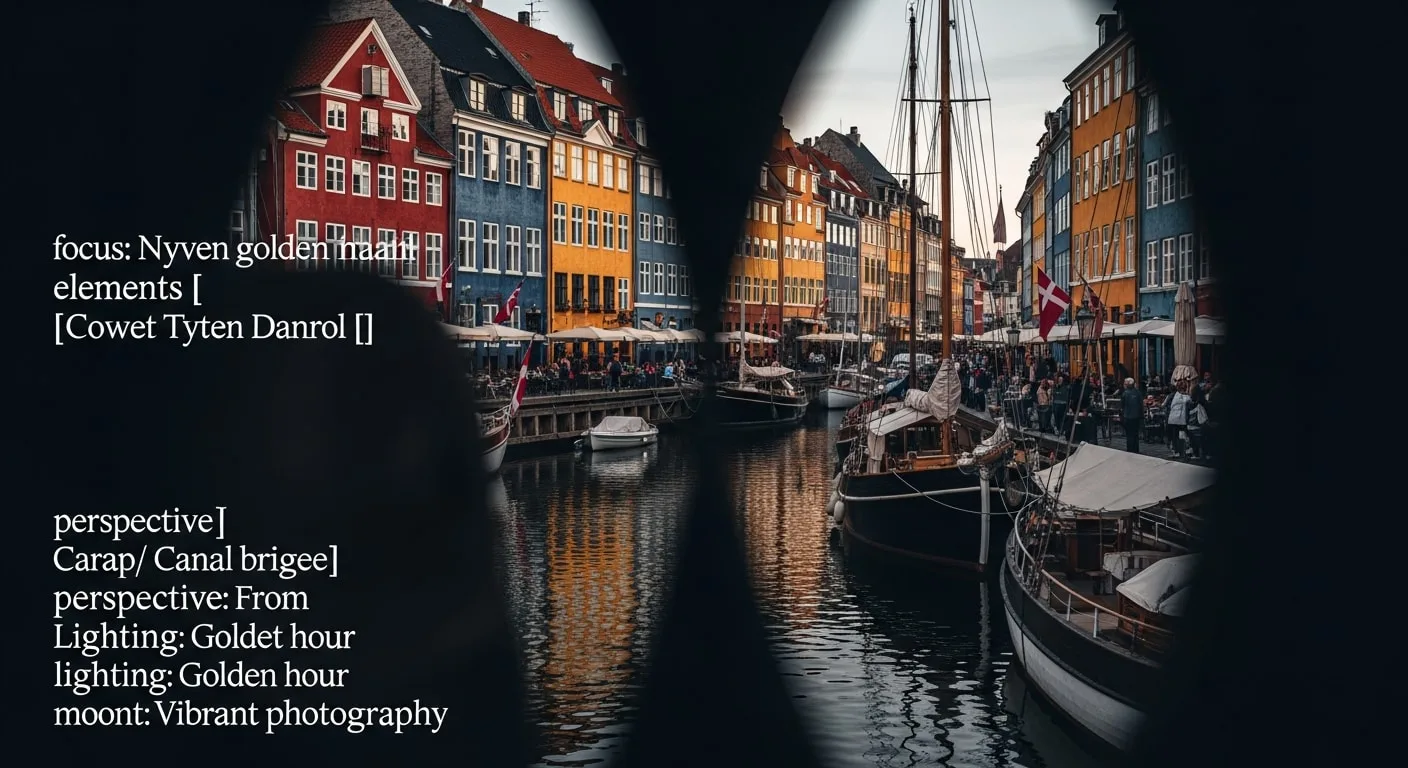
Nyhavn, that famous canal with colourful 17th-century townhouses, is mandatory for photos. Hans Christian Andersen lived here at three different addresses. The area is touristy but genuinely beautiful — just don't eat here. Prices are inflated by 50% over the rest of the city.
Tivoli Gardens, the famous amusement park that inspired Walt Disney, charges DKK 155 (₹1,900) entry, with rides extra. Go at night when the lights transform it into something magical. The Rosenborg Castle houses the Danish Crown Jewels (DKK 130/₹1,600 entry) — smaller than the British ones but still impressive.
The Little Mermaid statue is... small. Like, really small. I'd still visit because it's iconic, but manage your expectations.
Billund and the LEGO House (Day Trip)
If you grew up playing with LEGO, the LEGO House in Billund is a pilgrimage. Entry costs DKK 379 (₹4,600), which is steep, but you get an entire day of building, playing, and experiencing LEGO in ways you never imagined. The drive from Copenhagen takes about 2.5 hours, or you can fly (20 minutes) though that adds expense.
Getting Around: Eurail vs Budget Airlines
The Eurail Scandinavia Pass covers unlimited train travel in Norway, Sweden, Denmark, and Finland. A 4-day pass costs around €225 (₹20,000), while an 8-day pass runs €300 (₹27,000). Worth it if you're taking multiple long-distance trains.
However, for the Oslo-Stockholm-Copenhagen triangle, you might save money with budget airlines. Norwegian Air and SAS Go offer flights from ₹3,000-6,000 between these capitals, and the flight time is just 1-1.5 hours versus 5-6 hours by train. Book early for best prices.
Within cities, public transport passes are essential. The Stockholm Pass, Oslo Pass, and Copenhagen Card bundle public transport with museum entry — do the maths for your specific plans. In Copenhagen, bikes are often cheaper and faster than transit anyway.
Accommodation: Where to Sleep Without Going Broke
This is where your scandinavia trip from india cost can spiral out of control, or be managed with smart choices.
Hostels
STF (Swedish Tourist Association) hostels are excellent — clean, well-located, and around SEK 350-500 (₹3,000-4,300) per night for a dorm bed. Norwegian hostels (HI Norway) run NOK 300-500 (₹2,500-4,200). Not backpacker party hostels, these — more like budget hotels with shared rooms. Many have private rooms too, for about 50% more than dorm rates.
Airbnb
In expensive cities, apartment rentals often beat hotels. A studio in Stockholm or Oslo runs ₹8,000-15,000 per night, but you get a kitchen — and cooking your own meals saves a fortune. Split with a travel partner and you're paying hotel-equivalent rates with way more space.
Hotel Chains
Scandic and Comfort are the reliable mid-range chains. Weekend rates are often 30-40% cheaper than weekday rates in business cities like Stockholm and Oslo. Book through the hotel website for best prices — third-party sites rarely beat direct bookings in Scandinavia.
Food Strategy: Surviving Scandinavian Prices
A restaurant meal in Norway costs ₹2,000-4,000 per person. That's not a fancy restaurant — that's a regular Tuesday dinner. Your survival strategies:
Supermarket Shopping
Rema 1000 (Norway), ICA and Coop (Sweden), and Netto (Denmark) are the budget supermarket chains. Buy bread, cheese, cold cuts, and fruit for picnic lunches. Norway's "matpakke" (packed lunch) culture means even locals do this.
Kebabs and Ethnic Food
Every Scandinavian city has excellent Middle Eastern food at prices that won't destroy you. Falafel wraps and kebabs run ₹700-1,200 and are filling. Indian restaurants exist but portions are smaller and prices higher than home — save your rupees.
Self-Catering
Book accommodation with kitchen access. Pasta with jarred sauce, omelettes, and simple rice dishes prepared in your hostel kitchen will save ₹15,000-20,000 over a 10-day trip compared to eating out every meal.
The Splurge
You can't go to Scandinavia without trying proper Nordic food at least once. In Copenhagen, try an open-faced smørrebrød sandwich at a traditional restaurant — around DKK 100-150 (₹1,200-1,800) each. In Bergen, get a seafood platter from the fish market. In Stockholm, try Swedish meatballs at a proper restaurant (not IKEA). Budget one "proper dinner" per city and accept the damage.
Sample 12-Day Itinerary
Here's a realistic route that balances highlights with sanity:
Days 1-3: Copenhagen — Arrive, recover from jetlag, explore Nyhavn, Tivoli, cycle the city. Day trip to Billund for LEGO House if interested.
Day 4: Train or flight to Stockholm (5 hours by train, 1 hour by air).
Days 4-6: Stockholm — Gamla Stan, Vasa Museum, ABBA Museum, island hopping around the archipelago.
Day 7: Train to Oslo (5 hours). The route passes through beautiful Swedish countryside.
Days 7-9: Oslo — Vigeland Park, Opera House, Fram Museum. Day trip for Norway in a Nutshell fjord tour from here or Bergen.
Days 10-11: Bergen — Train to Bergen (scenic 7-hour route), explore Bryggen, take Floibanen, fish market.
Day 12: Fly home from Bergen (connections through Oslo or Copenhagen).
For first-time visitors to Europe, combining this trip with other destinations makes sense. Our first-time Europe trip guide covers how to plan multi-country European adventures efficiently.
Best Time to Visit: Summer vs Winter
June to August is classic Scandinavia. Long days (the midnight sun is real in northern Norway), comfortable temperatures (15-25°C), and everything open. This is peak season, so prices are highest and accommodation books out months in advance. But the weather is actually pleasant, hiking trails are accessible, and outdoor activities are in full swing.
November to February is Northern Lights season. If seeing the aurora is your goal, this is when to go — particularly in northern Norway (Tromso, Lofoten). Expect serious cold (-10°C to -20°C in the north), limited daylight (the polar night means darkness for most of the day above the Arctic Circle), and a completely different experience. Fewer tourists, lower accommodation prices outside Christmas, and a magical winter atmosphere.
September-October and March-May are shoulder seasons. Lower prices, fewer crowds, but weather is unpredictable. Spring can be beautiful as everything thaws; autumn brings spectacular foliage before the cold sets in.
For Northern Lights specifically, check our detailed Iceland Northern Lights trip guide — many of the tips apply equally to Norway.
The Real Scandinavia Trip from India Cost Breakdown
Let's get specific. For a 12-day trip covering all three countries:
Flights: ₹50,000-70,000 return (book 3-4 months ahead for best prices)
Visa: ₹8,500 (embassy fee plus VFS charges)
Accommodation: ₹80,000-120,000 (hostels and budget hotels, ₹7,000-10,000/night average)
Transport within Scandinavia: ₹25,000-35,000 (trains, flights, local transit)
Food: ₹35,000-50,000 (mix of self-catering and eating out)
Activities and entry fees: ₹20,000-30,000 (museums, tours, fjord trips)
Travel insurance: ₹3,000-5,000
Total: ₹2,20,000-3,20,000 per person for 12 days
Yes, that's a lot. Scandinavia isn't a budget destination. But compared to Maldives luxury resorts or Swiss Alps skiing, it's achievable for many Indian travellers — especially those willing to hostel-stay, self-cater, and prioritise experiences over comfort.
Money-Saving Hacks That Actually Work
After travelling this region multiple times, here's what genuinely saves money:
- Book the Oslo-Bergen train months ahead — prices triple closer to departure
- Get city passes only if the maths works — calculate your actual museum plans first
- Avoid Fridays and Saturdays for intercity travel — weekday trains are cheaper
- Stay outside city centres — Stockholm's Sodermalm and Copenhagen's Vesterbro have cheaper accommodation and better local vibes than tourist centres
- Use tap water — Scandinavian tap water is excellent, don't waste money on bottles
- Take free walking tours — every major city has them, tip what you can afford
- Visit on Sundays — many restaurants offer discounted set menus
For travellers specifically chasing the aurora borealis, our Northern Lights from India comparison guide covers Iceland, Norway, and Finland in detail — including success rates, costs, and which country suits your priorities.
Frequently Asked Questions
How much does a Scandinavia trip from India cost for 10 days?
A 10-day trip covering Norway, Sweden, and Denmark typically costs ₹1,80,000-2,80,000 per person including flights, accommodation, food, transport, and activities. Budget travellers staying in hostels and self-catering can manage around ₹1,60,000, while those preferring mid-range hotels and restaurant meals should budget ₹2,50,000 or more.
Is Scandinavia safe for Indian solo travellers?
Scandinavia is among the safest regions in the world for solo travellers of any nationality. Crime rates are extremely low, public transport is reliable even late at night, and locals are helpful though reserved. Female solo travellers consistently report feeling safer here than almost anywhere else in Europe.
Do I need to know local languages to travel in Scandinavia?
English is spoken almost universally in Norway, Sweden, and Denmark. You'll have no trouble communicating anywhere — from remote villages to major cities. Menus, signs, and public announcements often have English translations. Learning basic phrases is polite but not necessary.
Which is the cheapest Scandinavian country to visit?
Denmark is marginally cheaper than Sweden, and both are significantly cheaper than Norway. Copenhagen has more budget food options than Stockholm, and accommodation prices are slightly lower. Norway is 20-30% more expensive than its neighbours across all categories — Oslo and Bergen particularly will strain your budget.
Can I see the Northern Lights on a Scandinavia trip from India?
Yes, but only if you travel between November and February, and only in northern Norway (Tromso, Lofoten, Alta). Stockholm, Copenhagen, and Oslo are too far south for reliable aurora sightings. Northern Lights require darkness, so summer visits with midnight sun won't work. For dedicated aurora chasing, consider adding Iceland to your itinerary.
Is the Norway in a Nutshell tour worth the price?
At NOK 2,000-3,000 (₹17,000-25,000), it's not cheap, but yes — it's worth it. The tour combines the scenic Flam Railway, a fjord cruise through Aurlandsfjord and Naeroyfjord, and stunning mountain scenery in a single day. You could theoretically book each segment separately for slight savings, but the organised tour handles logistics smoothly. Book directly through Norway in a Nutshell for best prices. For a deep dive into Finland's Arctic north, check out our Finnish Lapland from India guide covering Santa Claus Village, Northern Lights, and husky sledding adventures.