

Jordan Trip from India: Petra, Dead Sea & Budget Guide 2026
In this guide (14)
- Jordan Visa for Indians: The Easy Part
- Flights from India to Jordan: Routes and Real Prices
- Amman: Your Jordan Base Camp
- Petra: Worth Every Single Rupee
- Wadi Rum: Desert Like You've Never Seen
- The Dead Sea: Floating is the Easy Part
- Aqaba: Red Sea Addition
- Jordanian Food: Better Than Expected
- Getting Around Jordan: Transport Options
- Jordan Trip from India Cost: Complete 7-Day Budget Breakdown
- Best Time to Visit Jordan from India
- Safety and Practical Tips for Indian Travelers
- Frequently Asked Questions
- Final Thoughts: Why Jordan Deserves Your Time
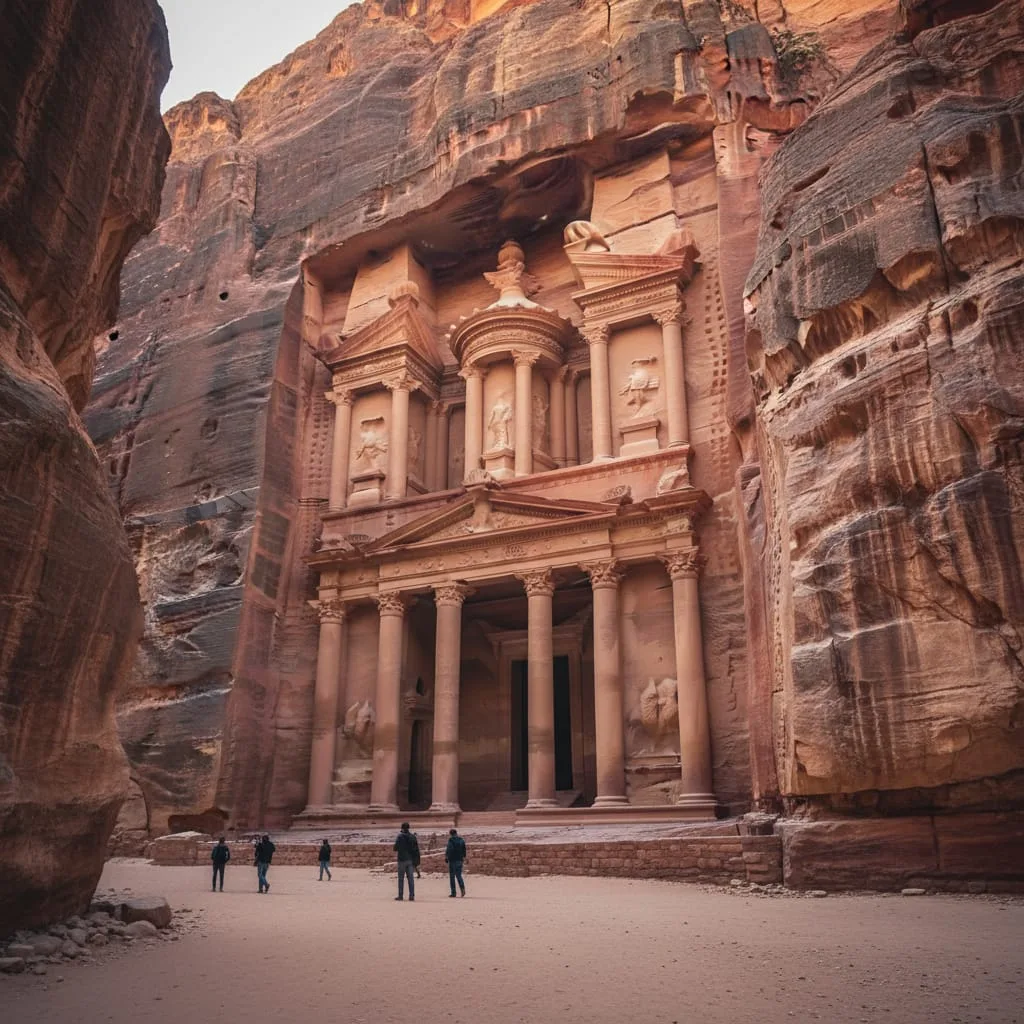
I walked through the narrow Siq canyon at 6 AM, the pink sandstone walls towering above me, and when the Treasury of Petra finally revealed itself through that iconic narrow gap, I stood there for a solid five minutes doing nothing. Just staring. No photograph could have prepared me for this moment. And honestly? The jordan trip from india cost me far less than I expected for an experience this extraordinary.
Jordan was never on my radar until a colleague returned from Amman with stories that made me reconsider everything I thought I knew about the Middle East. Here was a country smaller than Rajasthan, holding one of the New Seven Wonders of the World, a sea where you literally cannot sink, and desert landscapes that look like Mars. All of this, accessible with visa on arrival for Indians. No embassy appointments, no weeks of waiting, no rejection anxiety. I booked my tickets within a week of that conversation.
This guide breaks down exactly what I spent across seven days in Jordan, including the mistakes I made (spoiler: I overpaid for a Dead Sea resort) and the money I saved (the Jordan Pass is genius). Whether you're planning your first Middle Eastern adventure or looking for something different after the usual Dubai-Singapore circuit, Jordan delivers experiences that feel genuinely once-in-a-lifetime.
Jordan Visa for Indians: The Easy Part
Let's get the best news out of the way first: Indians can get visa on arrival at Queen Alia International Airport in Amman. No advance application, no invitation letters, no hotel bookings to submit. You land, you queue, you pay 40 JOD (around ₹4,700), and you're in. The whole process took me about 25 minutes including the immigration interview, which consisted of three questions about my job and where I was staying.
But here's the smarter move that most first-timers miss: buy the Jordan Pass online before you travel. Starting at 70 JOD (₹8,200), it includes your visa fee, entry to Petra for 1-3 days depending on the package you choose, and entry to 40+ other attractions including Jerash, Wadi Rum visitor center, and various castles and museums. Since Petra alone costs 50 JOD for a single day and your visa is 40 JOD, you're already saving 20 JOD minimum. I bought the Jordan Wanderer pass (75 JOD) which gave me two days at Petra, and saved closer to 65 JOD overall.
One requirement: you must stay at least three nights in Jordan for the visa fee waiver to apply. Anything shorter and you'll pay the visa fee on departure even with the Jordan Pass. This wasn't an issue for me since seven days felt rushed, but day-trippers from Israel take note.

Flights from India to Jordan: Routes and Real Prices
No direct flights connect India to Jordan, so you're looking at one-stop options through the Gulf. I flew IndiGo to Dubai and then Royal Jordanian to Amman, costing ₹38,000 round trip when booked two months in advance. Emirates and Etihad offer smoother single-ticket connections through Dubai and Abu Dhabi respectively, typically running ₹42,000-55,000 depending on season.
Qatar Airways via Doha is another solid option and often the cheapest at ₹35,000-40,000 with good timing. The Doha layover tends to be shorter than Dubai connections. Air India used to fly direct to Amman pre-pandemic, but that route hasn't returned as of early 2026. Keep checking though.
Flight timing matters more than you'd think. I landed at 11 PM after 9 hours of travel including the layover, grabbed a taxi to my hotel (35 JOD from the airport, non-negotiable), and was asleep by 1 AM. This gave me a fresh start the next morning. Some travelers prefer morning arrivals to maximise day one, but I found myself jet-lagged and cranky. Night arrival, sleep, then explore works better for me. If you want to save money on international flights from India, booking 8-10 weeks ahead and being flexible with dates helps.
Amman: Your Jordan Base Camp
Most Jordan trips from India start and end in Amman, and the city deserves more than a quick overnight. I spent two full days here and could have used a third. The Citadel (included in Jordan Pass) sits atop Jabal al-Qal'a with ruins spanning Roman, Byzantine, and Umayyad periods. The Temple of Hercules columns against the Amman skyline at sunset is a photograph everyone takes for good reason.
Below the Citadel, the Roman Theatre seats 6,000 people and still hosts occasional events. I watched a local music performance here one evening, sitting on the same stones where Romans watched gladiators two thousand years ago. Entry is 2 JOD or free with Jordan Pass. The Downtown souks surrounding the theatre sell everything from spices to fake designer watches, and the haggling is aggressive but good-natured.
Rainbow Street is where young Ammanis hang out. Cafes, restaurants, bookshops, and that laid-back vibe you don't expect from a Middle Eastern capital. I had the best falafel of my life at Hashem Restaurant downtown (3 JOD for a massive platter with hummus, pickles, and unlimited bread) and overpaid for mediocre pasta on Rainbow Street (12 JOD). Learn from my mistakes.
Accommodation in Amman varies wildly. Budget hotels near Downtown run 25-35 JOD per night, mid-range options in Jabal Amman are 50-80 JOD, and luxury stays like the Four Seasons start at 200 JOD. I stayed at a mid-range boutique hotel for 55 JOD per night and found it perfectly adequate, with breakfast included and a rooftop view of the Citadel.
Petra: Worth Every Single Rupee
Nothing I write will adequately describe Petra. It's one of those places that rewires something in your brain. I've seen the Taj Mahal many times, been to Angkor Wat, stood inside the Colosseum. Petra hits different. Maybe it's the approach through the Siq, that 1.2 km walk through a narrow canyon with walls 80 metres high, knowing what waits at the end. Maybe it's the scale of what the Nabataeans carved into solid rock two thousand years ago. Maybe it's just that Petra still feels like a secret, despite the tourist crowds.
Two days at Petra is the minimum for anyone serious about exploring. Day one covers the main trail: the Siq, the Treasury, the Street of Facades, the Royal Tombs, and the Colonnaded Street. This takes 4-5 hours at a moderate pace with stops for photos and rest. Day two is for the Monastery, which requires climbing 800+ steps and takes half a day but rewards you with a structure even larger than the Treasury with a fraction of the crowd.
Petra by Night happens Monday, Wednesday, and Saturday evenings. You walk through the Siq lit by 1,500 candles to reach the Treasury, where you sit on rugs drinking sweet tea while Bedouin musicians play traditional songs. It costs 17 JOD on top of your regular entry and lasts about two hours. I found it genuinely moving, though some travelers call it touristy. Book in advance during peak season.
Stay in Wadi Musa, the town at Petra's entrance. Budget guesthouses run 20-30 JOD, decent hotels 40-60 JOD, and the Movenpick Petra directly at the gate charges 150+ JOD. I stayed at a family-run guesthouse for 28 JOD including breakfast and dinner (home-cooked mansaf, more on that later). The owner drove me to the entrance at 6 AM before the tour buses arrived, and that early start made all the difference.

Wadi Rum: Desert Like You've Never Seen
Wadi Rum is Mars on Earth. Seriously. Ridley Scott filmed The Martian here, along with Lawrence of Arabia, Dune, and several Star Wars films. The red sand, the towering sandstone mountains, the absolute silence of the desert at night. I spent one night at a Bedouin camp and it was among the most peaceful 24 hours of my life.
Most visitors book a jeep tour with overnight camping. Prices range from 50 JOD for a basic camp with shared facilities to 150+ JOD for bubble tents with private bathrooms and AC. I went mid-range at 85 JOD for a private tent with shared modern bathrooms, three meals (including tea constantly), and a 4-hour jeep safari covering the major sites: Lawrence's Spring, the natural rock bridges, ancient Nabataean inscriptions, and sunset from the highest accessible dune.
The jeep tour felt slightly rushed for my taste. Next time I'd book the full-day option or spend two nights to explore at a slower pace. But even rushed, watching the sun set over Wadi Rum while the rocks turned from orange to red to purple to black, and then seeing more stars than I've ever seen anywhere, was worth the entire trip. The camp served dinner under the stars: chicken zarb (cooked underground in traditional Bedouin style), rice, vegetables, and endless cups of cardamom-spiced tea.
Practical note: Wadi Rum gets cold at night even in spring and autumn. I visited in October and temperatures dropped to 8°C after midnight. Bring warm layers or confirm your camp provides sufficient blankets. Summer visits are brutal, with daytime temperatures exceeding 40°C. If you enjoy adventure travel, Wadi Rum offers hiking, camel riding, and hot air balloon rides too.
The Dead Sea: Floating is the Easy Part
The Dead Sea is the lowest point on Earth, sitting 430 metres below sea level, with water so salty that floating requires zero effort. You lie back and bob like a cork. It's strange and wonderful and makes for photographs that look photoshopped but aren't. The mineral-rich mud supposedly does wonders for your skin, though I can't confirm any lasting anti-aging effects.
Here's where I made my biggest budgeting mistake: I booked a Dead Sea resort for ₹18,000 per night thinking it was necessary for a good experience. It wasn't. The beach access was lovely and the lunch buffet impressive, but the public beaches in the Jordan Valley cost 15-20 JOD for a full day including loungers, showers, and facilities. For a few hours of floating and mud-slathering, the public option works fine. Save the resort splurge for a special occasion.
That said, if you do want the resort experience, the Dead Sea area has Kempinski, Marriott, Hilton, and several Jordanian chains. Rates start around 100 JOD for basic resorts and climb to 300+ JOD for luxury properties. Day passes are available at most resorts for 25-50 JOD, which is a reasonable middle ground.
Important: don't shave for 24 hours before swimming in the Dead Sea. The salt content (around 34%, compared to 3.5% for normal seawater) burns any small cuts or razor nicks intensely. Don't get water in your eyes either. I saw a tourist ignore this advice and spend ten minutes frantically rinsing his eyes at the freshwater shower. Bring waterproof sunscreen, stay hydrated, and limit your swim to 15-20 minutes maximum.
Aqaba: Red Sea Addition
Aqaba sits at Jordan's southern tip on the Red Sea, offering beaches, water sports, and a completely different vibe from the rest of the country. I spent one day here on my way back from Wadi Rum, mainly because the snorkeling is supposed to be excellent. It is. The coral reefs near the marine park have visibility of 20+ metres and colourful fish everywhere.
Most travelers skip Aqaba due to time constraints, which is fair. If you're choosing between an extra day at Petra or a day in Aqaba, choose Petra. But if you have 8-10 days in Jordan, Aqaba adds variety and doesn't significantly increase your jordan trip from india cost. The city itself is unremarkable, essentially a beach resort town with shopping malls and international restaurants. But glass-bottom boat tours cost 20 JOD, full-day diving trips 60-80 JOD, and just lounging on a public beach is free.
Jordanian Food: Better Than Expected
I'll be honest: I didn't have high expectations for Jordanian cuisine. Middle Eastern food in my mind meant hummus and kebabs, and while those are certainly present, the variety surprised me. Mansaf is the national dish: lamb cooked in fermented dried yogurt sauce, served over rice and flatbread, traditionally eaten with your right hand. It's rich, tangy, and deeply satisfying. My guesthouse in Wadi Musa made it for dinner and I embarrassed myself with how much I ate.

Falafel in Jordan is different from the Egyptian version, lighter and crispier. Hummus comes with olive oil pools and whole chickpeas on top. Mutabbal (smoky eggplant dip) appears at every meal. Kunafa is the dessert of choice: cheese pastry soaked in sweet syrup, best eaten hot.
Vegetarians will manage fine. Every meal comes with multiple salads, dips, and bread. Foul medames (slow-cooked fava beans with lemon and cumin) makes a filling breakfast. Fattoush salad with fried bread pieces is everywhere. Vegans will struggle more since dairy features heavily, but hummus, falafel, and salads are reliably safe.
Meal costs in Jordan: street food runs 2-5 JOD, casual restaurant meals 8-15 JOD, and upscale dining 25-40 JOD per person. I averaged about 20 JOD daily on food by mixing street food lunches with proper dinners, plus the included meals at guesthouses and the Wadi Rum camp.
Getting Around Jordan: Transport Options
Jordan is small. Amman to Petra is 230 km (3 hours), Petra to Wadi Rum is 110 km (1.5 hours), and Wadi Rum to Aqaba is 60 km (1 hour). You can see the major highlights in a loop that makes geographical sense.
JETT Bus is the main public transport option. Modern, air-conditioned buses connect Amman to Petra (8 JOD one-way, 4.5 hours) and Amman to Aqaba (9 JOD, 4 hours). Book online or at the JETT station in Amman. Departures are limited, usually one or two per day per route, so plan accordingly. Local minibuses exist but schedules are chaotic and they're crowded.
Renting a car is the comfortable option. Rates start at 25-30 JOD per day for a basic sedan from local agencies, or 40-50 JOD from international chains like Hertz. Roads are excellent, signage is in English, and traffic outside Amman is light. An international driving permit is recommended but I wasn't asked for mine. Fuel is affordable at roughly 1 JOD per litre.
Taxis and private drivers are common for airport transfers and day trips. Amman airport to downtown is fixed at 35 JOD. A private driver for the full Amman-Petra-Wadi Rum-Aqaba-Dead Sea-Amman loop costs 250-350 JOD for 3-4 days. I met a solo traveler who hired one and had a great experience, with the driver doubling as a guide and recommending local restaurants.
Jordan Trip from India Cost: Complete 7-Day Budget Breakdown
Here's what I actually spent on my week in Jordan, converted to INR at the exchange rate during my trip (1 JOD = approximately ₹117):
Flights (Mumbai-Dubai-Amman round trip): ₹38,000
Jordan Pass (Wanderer, 2-day Petra): 75 JOD = ₹8,775
Accommodation (6 nights):
- Amman mid-range hotel: 2 nights x 55 JOD = 110 JOD = ₹12,870
- Wadi Musa guesthouse: 2 nights x 28 JOD = 56 JOD = ₹6,550
- Wadi Rum camp: 1 night x 85 JOD = ₹9,945
- Dead Sea resort (mistake): 1 night = ₹18,000
Accommodation total: ₹47,365
Transport:
- Airport taxi: 35 JOD = ₹4,095
- JETT bus Amman-Petra: 8 JOD = ₹936
- Taxi Petra-Wadi Rum: 35 JOD = ₹4,095
- Included transfer Wadi Rum-Aqaba via camp
- JETT bus Aqaba-Dead Sea area: 12 JOD = ₹1,404
- Taxi Dead Sea-Amman: 40 JOD = ₹4,680
Transport total: ₹15,210
Food (7 days):
- Some meals included with accommodation
- Average 20 JOD per day for 5 days of additional meals
- 100 JOD = ₹11,700
Activities:
- Petra by Night: 17 JOD = ₹1,989
- Aqaba snorkeling: 25 JOD = ₹2,925
Activities total: ₹4,914
Miscellaneous (souvenirs, tips, water): 30 JOD = ₹3,510
Grand Total: ₹1,29,474
With the resort mistake, my jordan trip from india cost came to roughly ₹1.3 lakh. Had I chosen a public Dead Sea beach or budget resort, I'd have saved ₹15,000 easily. Budget travelers sharing rooms and eating street food could manage the same itinerary for ₹90,000-1 lakh. Luxury travelers staying at premium properties and hiring private drivers should budget ₹2.5-3 lakh.
Make sure to compare forex options before you leave. I carried USD and exchanged at the airport, which wasn't ideal. Thomas Cook or BookMyForex would have given better rates. Jordanian Dinars aren't available in India, so bring USD or EUR and exchange on arrival. ATMs are plentiful and accept Indian cards with the usual foreign transaction fees.
Best Time to Visit Jordan from India
The sweet spot is March to May or September to November. Daytime temperatures range from 15-28°C, perfect for walking through Petra without melting and camping in Wadi Rum without freezing. These are also shoulder seasons with fewer crowds than summer holidays.
Summer (June-August) is brutal. Petra in July means walking through the Siq in 40°C heat, and the desert camps at Wadi Rum become saunas. Only visit in summer if you have heat tolerance and budget for air-conditioned everything.
Winter (December-February) brings cold weather, especially at night in the desert and highlands. Petra is pleasant during the day (12-15°C) but Wadi Rum nights drop to near freezing. Pack layers. The Dead Sea remains mild year-round, making it a good winter option.
Ramadan affects restaurant hours and availability which doesn't affect your overall jordan trip from india cost but Jordan remains tourist-friendly. Many tourist restaurants operate normally, though some local places close during daylight hours.
Safety and Practical Tips for Indian Travelers
Jordan is remarkably safe. The tourism police are visible at major sites, violent crime against tourists is rare, and even petty theft is uncommon. I walked through Downtown Amman late at night and never felt unsafe. Women travelers report minimal harassment compared to other countries in the region, though modest dress is appreciated outside resort areas.
Indians are welcomed warmly. Multiple Jordanians mentioned Bollywood movies (Shah Rukh Khan is universally known), asked about cricket, and expressed genuine friendliness. English is widely spoken in tourist areas, and signage is bilingual.
If you've been to Egypt, Jordan feels noticeably more relaxed and less overwhelming. Fewer touts, less aggressive selling, and generally calmer energy. Both are fantastic destinations, but Jordan is easier for first-time Middle East travelers.
Pack sunscreen, a hat, comfortable walking shoes (Petra involves significant walking on uneven ground), and layers for temperature changes between day and night, especially in the desert.
Frequently Asked Questions
Do Indians need a visa for Jordan?
Yes, but Indians can get visa on arrival at Queen Alia International Airport in Amman. The visa costs 40 JOD (approximately ₹4,700). However, if you buy the Jordan Pass before arriving (from 70 JOD), it includes the visa fee plus entry to Petra and 40+ attractions. You must stay at least three nights for the visa fee waiver.
How much does a Jordan trip cost from India?
A 7-day Jordan trip from India costs approximately ₹1.2-1.8 lakh per person including flights, accommodation, food, transport, and attractions. Budget travelers can manage with ₹90,000-1 lakh by staying in hostels and eating street food. Luxury travelers should budget ₹2.5-3 lakh for premium hotels and private drivers.
Is Jordan safe for Indian travelers?
Yes, Jordan is one of the safest Middle Eastern countries for tourists. Indians are welcomed warmly, the tourism infrastructure is excellent, and violent crime against visitors is extremely rare. Women travelers also report feeling safer in Jordan compared to some neighbouring countries.
What is the best time to visit Jordan from India?
The best months are March to May and September to November when temperatures are pleasant (15-28°C). Avoid June to August when Petra and Wadi Rum can exceed 40°C, making outdoor activities exhausting. Winter is cold, especially in the desert at night.
Can vegetarians find food in Jordan?
Yes, Jordan has excellent vegetarian options. Falafel, hummus, mutabbal (baba ganoush), fattoush salad, foul medames (fava beans), and Arabic bread are available everywhere. Most restaurants understand vegetarian requests, though strictly vegan options are limited outside Amman.
Is the Jordan Pass worth buying?
For most travelers, absolutely yes. The Jordan Pass costs 70-80 JOD and includes your visa fee (40 JOD), Petra entry (50-55 JOD for multi-day access), and 40+ other attractions. You save money immediately and skip the visa queue at the airport. Buy it online before your trip.
Final Thoughts: Why Jordan Deserves Your Time
My jordan trip from india cost me less than a Thailand holiday and delivered memories I rank among my best travel experiences. Standing inside the Treasury, floating effortlessly in the Dead Sea, watching stars emerge over the silent Wadi Rum desert. These aren't Instagram moments you forget after posting. They stay with you.
Jordan works for solo travelers, couples, and families. It's compact enough to see the highlights in a week, safe enough to navigate independently, and different enough from typical Indian tourist destinations to feel like genuine exploration. The visa on arrival removes the planning friction that stops people from visiting less obvious countries.
If you're tired of the same Dubai-Singapore-Thailand loop and want something that challenges your expectations of what a Middle Eastern trip can be, Jordan is where you should go next. I'm already planning a return trip to spend more time at Wadi Rum and finally try the Jordan Trail hiking route.
For more destination guides and cost breakdowns, check out our travel blog. And when you're ready to plan, Visit Jordan has reliable official information, while Jordan Pass is where you buy the money-saving pass online.