

Egypt Trip from India: Pyramids, Cost & Visa Guide 2026
In this guide (12)
- Egypt Trip from India Cost: The Real Numbers
- Flights from India to Egypt: What Actually Works
- Egypt E-Visa for Indians: The Simple Truth
- Cairo: Where to Start Your Egypt Trip
- Luxor: Open-Air Museum on the Nile
- The Nile Cruise Experience
- Aswan and Abu Simbel
- Food in Egypt: Indian Stomach Survival Guide
- 7-Day Egypt Itinerary from India
- Safety and Practical Tips
- Final Thoughts on Your Egypt Trip from India
- Frequently Asked Questions
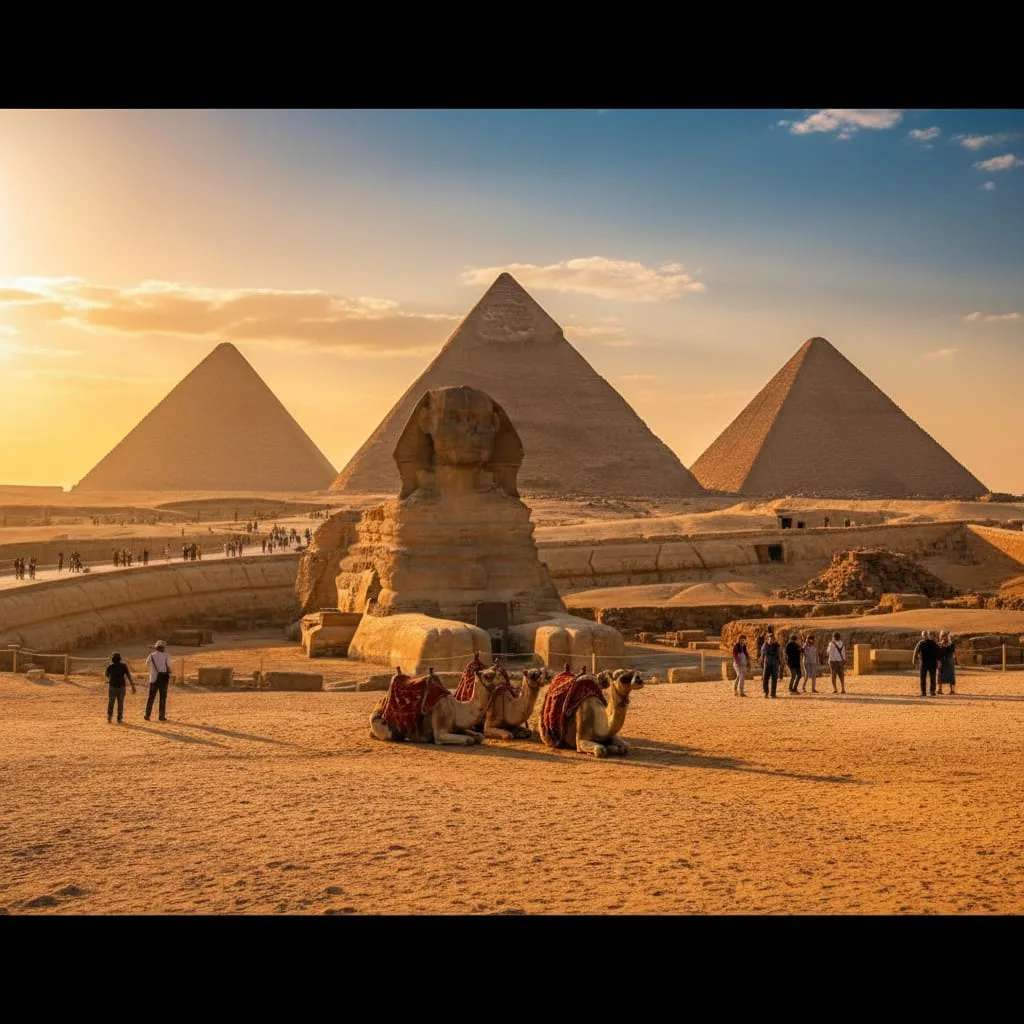
Standing at the base of the Great Pyramid of Giza at dawn, watching the sun turn the limestone blocks from grey to gold, is the moment most visitors remember. Yet many Indians put off the trip for years, convinced that an Egypt trip from India cost too much and seemed too complicated. Neither is really true.
A mid-range 7-8 day trip, including flights, a Nile cruise, and enough temple visits to last a lifetime, typically costs INR 1.2-1.8 lakh per person (full breakdown below). That's less than many people spend on a week in the Maldives. And the e-visa is a short online form that usually arrives by email within 5-7 business days.
Look, Egypt isn't Thailand or Dubai — you can't just wing it and figure things out at the airport. But it's also nowhere near as intimidating as the internet makes it sound. The touts at the pyramids are annoying but harmless. Vegetarian food is easier to find than most people expect. And the history is on a scale few other destinations can match.
This guide covers what to know before booking. Real costs in INR, actual flight options from Indian cities, the visa process that nobody explains properly, and honest opinions about what's worth your time versus tourist-trap nonsense.
Egypt Trip from India Cost: The Real Numbers
Here's what you'll spend at three levels, because a backpacker's budget and a honeymoon budget are wildly different animals.

Budget Tier: INR 80,000-1,00,000 (7 Days)
This gets you hostels, street food, public transport, and careful planning. You'll see the major sites but skip the premium experiences. Travelling at this level needs some compromises, but nothing major.
- Flights: INR 35,000-45,000 (one-stop via Gulf carriers)
- Accommodation: INR 12,000-15,000 (hostels INR 1,500-2,000/night)
- Food: INR 7,000-10,000 (street food and local restaurants)
- Transport: INR 5,000-8,000 (trains, buses, shared taxis)
- Entrance fees: INR 8,000-12,000 (pyramids, museums, temples)
- Tours & guides: INR 5,000-8,000 (group tours only)
- Visa & misc: INR 3,500-5,000
Mid-Range Comfort: INR 1,20,000-1,80,000 (7-8 Days)
This is the sweet spot for most Indian travelers. You get decent hotels, private guides at major sites, internal flights to save time, and a 2-night Nile cruise.
- Flights: INR 40,000-55,000
- Accommodation: INR 25,000-35,000 (3-4 star hotels)
- Nile cruise: INR 18,000-25,000 (2 nights, Luxor-Aswan)
- Food: INR 12,000-18,000
- Internal flights: INR 8,000-12,000 (Cairo-Luxor or Cairo-Aswan)
- Tours & guides: INR 15,000-25,000
- Entrance fees: INR 12,000-15,000
- Visa & misc: INR 5,000-7,000
Luxury Experience: INR 2,00,000-3,50,000 (8-10 Days)
Five-star hotels, premium Nile cruise, private Egyptologist, hot air balloon over Luxor, Abu Simbel day trip. The works.
Mid-range is where most first-timers get the best value. The Nile cruise alone justifies the extra spend: you wake up to temple views from your cabin window.
Flights from India to Egypt: What Actually Works
Here's where most Indians overthink things. Flights typically eat up 30-40% of your budget. You've got two options: direct or one-stop. Both work fine.
Direct Flights (EgyptAir)
Mumbai-Cairo: 6 hours, departures 4x weekly. Prices range from INR 38,000-55,000 return depending on season.
Delhi-Cairo: 6.5 hours, similar frequency and pricing.
EgyptAir isn't going to win any awards for luxury, but it's perfectly adequate. The food is halal, the service is polite, and you land fresh enough to start sightseeing the same day.
One-Stop Options (Often Cheaper)
Emirates via Dubai: Usually INR 32,000-45,000 return. The Dubai layover can be 2-6 hours — not bad for the price difference.
Etihad via Abu Dhabi: Similar pricing, excellent aircraft, and a strong comfort-to-cost ratio.
Qatar Airways via Doha: Sometimes the cheapest option at INR 30,000-40,000 during sales.
Pro tip: Fly into Cairo, out of Aswan (or vice versa) to avoid backtracking. The "open jaw" ticket costs barely more and saves you a full travel day. There's more on finding deals in our cheapest international flights from India guide — the same principles apply to Egypt routes.
Egypt E-Visa for Indians: The Simple Truth
Forget the horror stories. The Egypt visa for Indians is one of the easier e-visas to get. Here's the actual process:
Step-by-Step Application
- Go to visa2egypt.gov.eg — this is the only official portal. Ignore any other websites claiming to process Egypt visas.
- Create an account with your email
- Fill the application form: passport details, travel dates, hotel booking (can be a refundable one)
- Upload documents: passport bio page scan, recent photograph, return flight booking, hotel confirmation
- Pay online: $30 for single entry (30 days), $65 for multiple entry
- Wait 5-7 business days: e-visa arrives by email
Important Details
Your passport needs at least 6 months validity and 2 blank pages. The e-visa is valid for 90 days from issue date, and you can stay up to 30 days in Egypt.
Apply at least 3 weeks before your trip. Some applications are approved within days, but applying only 10 days out leaves no margin if anything needs correcting. The system doesn't have a fast-track option.
One thing nobody mentions: print two copies of your e-visa. Immigration may keep one, and some hotels ask to see it at check-in. Digital copies on your phone work for most things, but a paper backup avoids trouble.
Egypt isn't on the visa-free countries list for Indians, but the e-visa is close enough. No embassy visits, no interview, no nonsense.
Cairo: Where to Start Your Egypt Trip
Everyone lands in Cairo, and everyone should spend at least 2-3 days here. The city is chaotic, overwhelming, and absolutely worth the sensory overload.
The Pyramids of Giza (The Main Event)
Let's be honest — you're going to Egypt for this. Photos don't prepare you for the scale. The Great Pyramid is 139 meters tall. You don't understand that number until you're standing at the base, neck craned back, feeling genuinely small.
Entry fees:
- Giza Plateau: EGP 700 (roughly INR 1,300)
- Going inside the Great Pyramid: EGP 800 additional (INR 1,500) — cramped and sweaty but worth it once
- Khufu solar boat: no longer shown at Giza. It is displayed in the Khufu Boats Museum inside the Grand Egyptian Museum and is covered by the GEM ticket
Timing matters: Gates open at 7 AM. Be there at 6:45. By 10 AM, tour buses arrive and the magic evaporates. Sunset views are stunning but crowded. For photography without crowds, that early morning window is gold.
About the touts: Yes, they're aggressive. No, they're not dangerous. "No thank you" works eventually. Don't make eye contact if you don't want a conversation. And never, ever agree to a camel ride without negotiating first — the starting price is always 10x what they'll accept.
The Egyptian Museum (Old Location)
The original Egyptian Museum in Tahrir Square is still open, though the Tutankhamun treasures have moved to the Grand Egyptian Museum. It's organized chaos — badly labeled, poorly lit in places, and utterly fascinating. Budget 3-4 hours minimum.
Entry: EGP 550 (INR 1,020). The royal mummies, Ramesses II among them, moved in April 2021 to the Royal Mummies Hall at the National Museum of Egyptian Civilization in Fustat, which is a separate museum and a separate ticket, and it is absolutely worth the trip. Standing in front of Ramesses II — the actual mummy, the actual pharaoh who built Abu Simbel — is unforgettable.
Grand Egyptian Museum (GEM)
The new Grand Egyptian Museum near the pyramids is now fully operational. It's massive, modern, and houses the complete Tutankhamun collection. Entry is steeper at about US$30 for foreign adults (roughly INR 2,900), rising to US$35 (about INR 3,350) from 1 November 2026, but the experience is world-class. If you can only do one museum, pick GEM.
Khan el-Khalili Bazaar
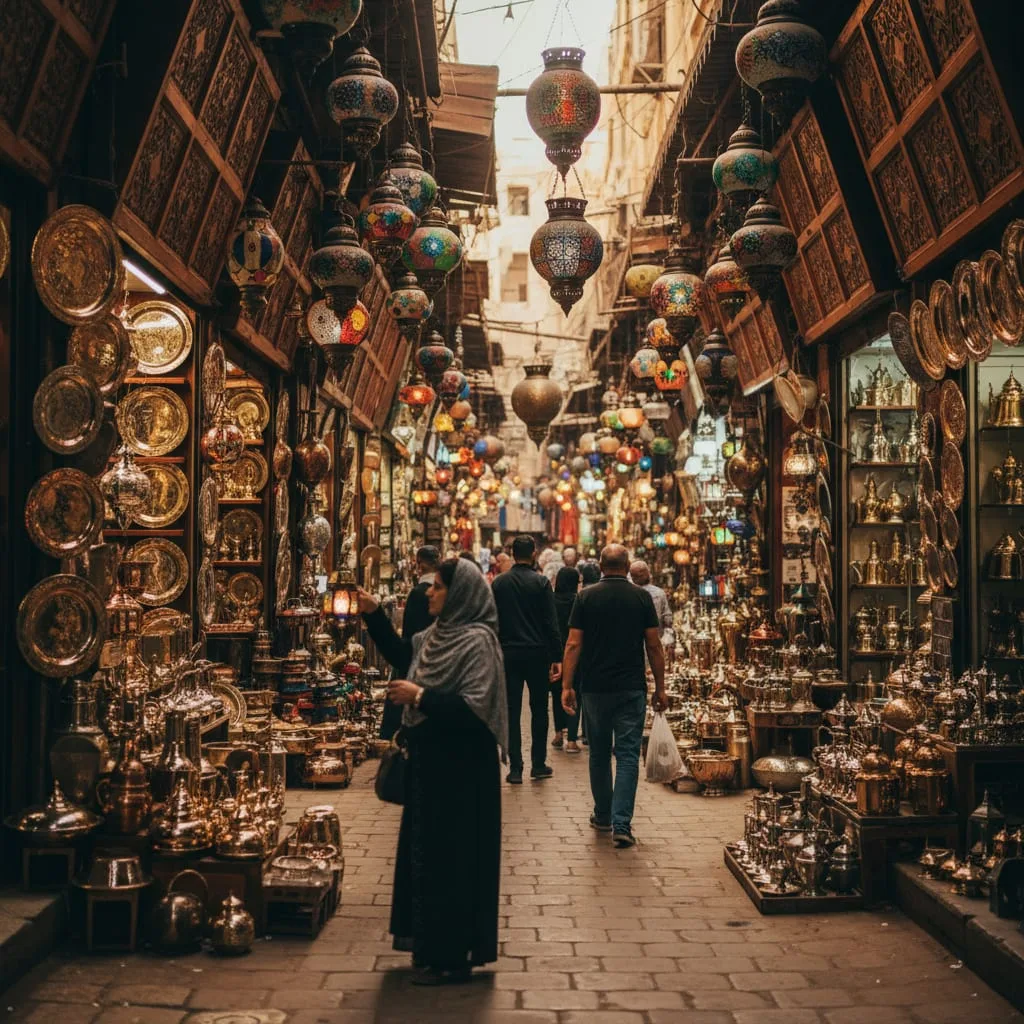
Cairo's medieval market is tourist-oriented but still atmospheric. Go for the architecture and tea, not the shopping. Prices are inflated, and the "genuine papyrus" is usually banana leaf. That said, the spice shops near the Al-Hussein Mosque are legitimate, and the perfume oil sellers have genuinely nice products once you negotiate hard.
Best time to visit: late afternoon into evening. The light through the narrow streets is beautiful, and the crowds thin out after sunset prayers.
Luxor: Open-Air Museum on the Nile
If Cairo is about the pyramids, Luxor is about everything else. This is where the New Kingdom pharaohs built their temples and tombs, and 3,000 years later, they're still standing.
Getting There
Flight: Cairo to Luxor takes 1 hour and costs INR 5,000-8,000 one way on EgyptAir. It saves nearly 10 hours compared to the train.
Train: The overnight sleeper train is an experience in itself. First class costs around INR 4,500, includes dinner and breakfast, and arrives early morning. Romantic but slow.
Nile cruise: Many travelers take a cruise from Aswan to Luxor (or reverse), hitting temples along the way. More on this below.
West Bank: Valley of the Kings
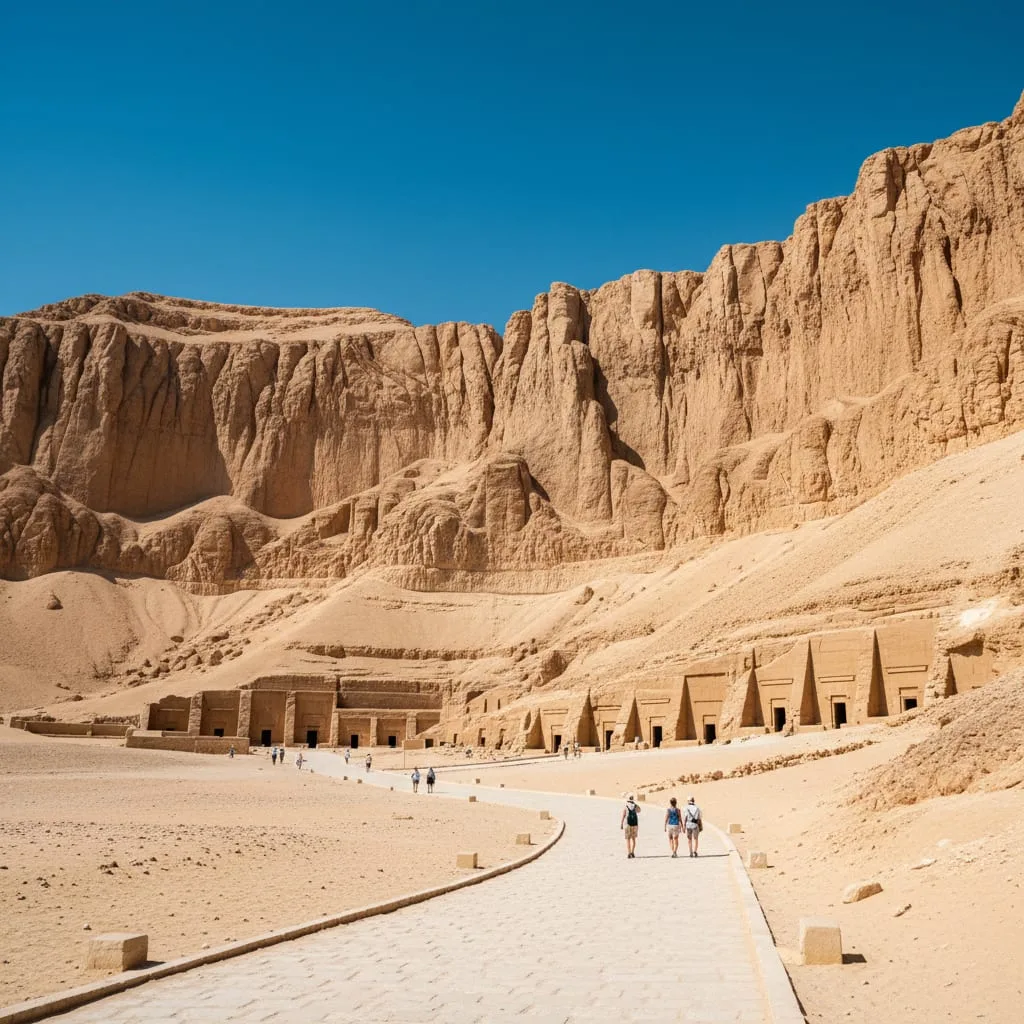
This is where 63 tombs of pharaohs were carved into the desert rock, including Tutankhamun's. The valley itself looks like Mars — barren, dry, and hiding unimaginable treasures underground.
Entry fees:
- Valley of the Kings general ticket: EGP 750 (INR 1,390) — covers 3 tombs
- Tutankhamun's tomb: EGP 500 extra (INR 900) — small but historically significant
- Ramesses VI tomb: EGP 200 extra (INR 370) — the best paintings, highly recommended
The general ticket rotates which tombs are open. Seti I and Ramesses III are usually included and are spectacular. Hire a guide at the entrance — EGP 400-500 for 2 hours — because the stories behind the paintings make everything 10x more interesting.
Hatshepsut Temple (Deir el-Bahari)
This mortuary temple is architecturally stunning — three terraced levels carved into a cliff face. Built for Egypt's most successful female pharaoh, it's unlike anything else in the country. Entry: EGP 440 (INR 815).
East Bank: Karnak & Luxor Temples
Karnak Temple Complex: The largest religious building ever constructed. Walking through the Hypostyle Hall — 134 columns, each 21 meters tall — is a religious experience regardless of your beliefs. Entry: EGP 600 (INR 1,110). Go at opening time or late afternoon to avoid the worst heat.
Luxor Temple: Smaller but beautifully lit at night. The evening sound and light show here is actually decent (unlike the one at Giza, which is skippable). Entry: EGP 500 (INR 925).
Hot Air Balloon Over Luxor
This costs around EGP 2,500-3,500 (INR 4,600-6,500) and requires a 4 AM pickup for a sunrise flight. Worth every rupee. Floating over the Valley of the Kings as the sun turns the desert pink is one of those experiences you don't forget.
The Nile Cruise Experience
If your budget allows, do the Nile cruise. It's the most relaxed way to see Southern Egypt, and waking up at different temple sites beats any alarm clock. A Nile cruise adds INR 15,000-60,000 depending on the tier you choose.
Routes and Options
Most cruises run Luxor to Aswan (3 days/2 nights) or the reverse. You stop at Edfu Temple (dedicated to Horus) and Kom Ombo Temple (split between Sobek and Horus) along the way.
Budget cruises: INR 15,000-20,000 for 2 nights, including all meals. Rooms are small, food is buffet-style, and entertainment is questionable. But the views are the same as luxury boats.
Mid-range: INR 25,000-40,000. Better food, larger cabins, pool deck. Boats in this bracket are comfortable without being extravagant.
Luxury: INR 60,000-1,50,000. The Oberoi Philae and Sanctuary Sun Boat are floating five-stars. If you're celebrating something special, these are worth the splurge.
What's Included vs. Extra
Cruises include accommodation, all meals, and the sailing. Temple entry fees are extra (budget INR 3,000-4,000 for all included stops). Some cruises include guided tours; others charge separately. Clarify before booking.
Aswan and Abu Simbel
Aswan is smaller, quieter, and has a different energy than Cairo or Luxor. The Nubian culture here is distinct, and the pace is gentler.
Aswan Highlights
Philae Temple: Dedicated to Isis, located on an island, and absolutely stunning. You reach it by motorboat (EGP 150 return). Entry: EGP 550 (INR 1,020). The evening sound and light show here is the best of the three in Egypt — go if you're staying overnight.
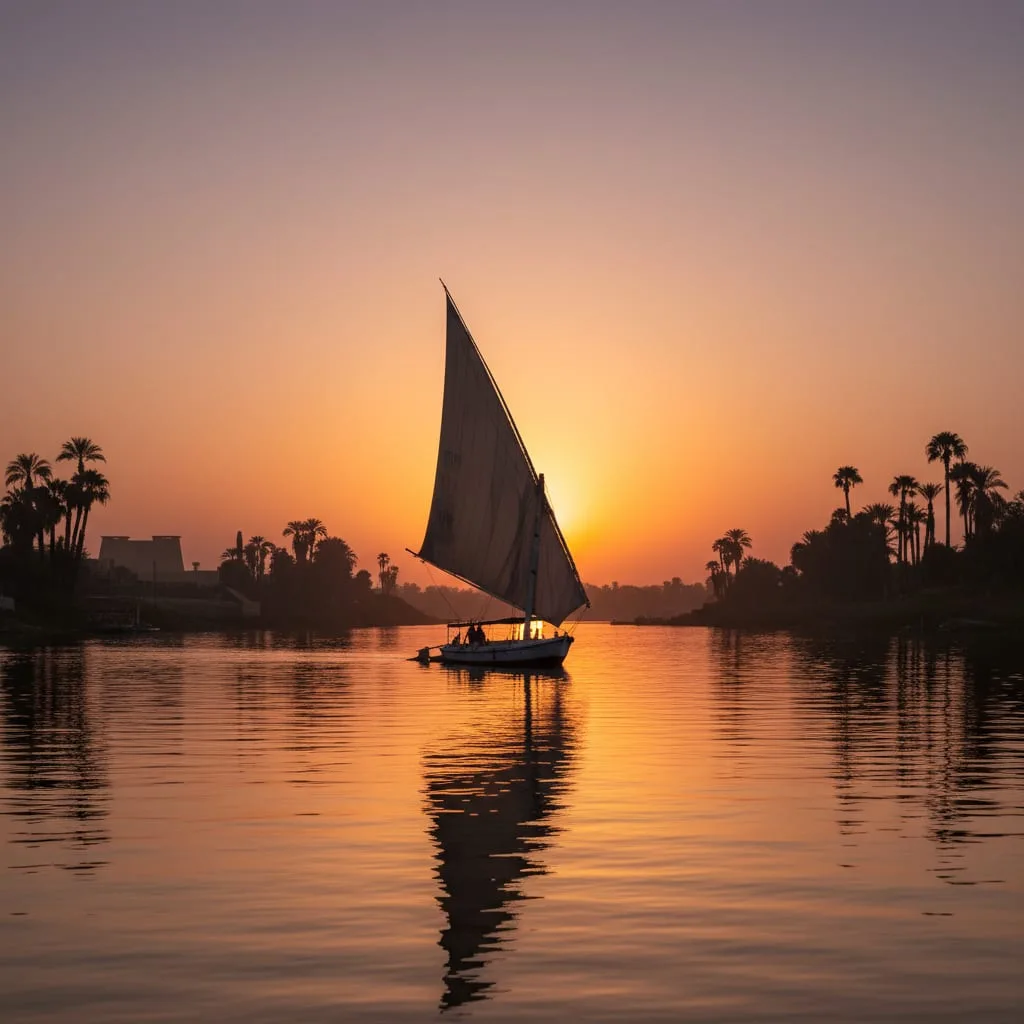
Felucca ride: These traditional sailboats are Aswan's trademark. A 2-hour sunset sail costs EGP 200-300 (INR 370-550) for the whole boat. Bring snacks and water, and just float. No motor noise, no rush.
Nubian Village: Take a boat to the west bank and visit a Nubian village. The painted houses are photogenic, the people are welcoming, and the henna is good quality if you're into that.
Abu Simbel Day Trip
The twin temples of Abu Simbel are 280 km south of Aswan, near the Sudan border. Ramesses II built them 3,000 years ago, and in the 1960s, UNESCO moved the entire complex — piece by piece — to save it from the Aswan Dam flooding.
Getting there:
- Flight: 45 minutes each way, costs around INR 12,000-15,000 return. Gives you 2-3 hours at the site.
- Convoy: Tour buses leave Aswan at 4 AM (yes, really) and drive in a police convoy across the desert. 3 hours each way. Costs INR 3,500-5,000 including guide. Exhausting but cheaper.
Entry: EGP 822 (INR 1,520). The scale of the statues — 20 meters tall — is impossible to photograph properly. You have to be there.
Is it worth the early wake-up and long drive? Yes. The convoy option is brutal, but Abu Simbel is a once-in-a-lifetime site.
Food in Egypt: Indian Stomach Survival Guide
Egyptian cuisine is heavy on meat, but vegetarians won't starve. Here's what actually works:
Vegetarian Winners
- Koshari: Egypt's national dish — rice, lentils, pasta, chickpeas, crispy onions, tomato sauce. Carb heaven and always vegetarian. Costs EGP 30-50 (INR 55-90).
- Ful medames: Mashed fava beans with olive oil and spices. Breakfast staple, cheap, and filling.
- Falafel (ta'ameya): Made with fava beans here instead of chickpeas. Greener and lighter inside than the chickpea version.
- Baba ganoush and hummus: Always available, usually good.
Where to Find Indian Food
Cairo has several Indian restaurants — Maharaja in Zamalek and Little India in Maadi are reliable. Expect to pay INR 800-1,200 per person. In Luxor and Aswan, options are limited. Carry instant noodles or ready-to-eat meals if you're particular.
Stomach Issues
Stomach upsets are the most common complaint. Stick to freshly cooked food and bottled water. Avoid raw salads, ice in drinks, and street juice. The tap water is not drinkable — even locals use filtered or bottled water.
7-Day Egypt Itinerary from India
Here's a practical route for first-timers. Cost estimates per day are included to help you budget:
Day 1: Land in Cairo. Rest, recover from flight. Evening walk around Zamalek or Downtown Cairo for dinner. (Cost: INR 3,000-5,000)
Day 2: Pyramids of Giza (early morning), Sphinx. Afternoon at the Grand Egyptian Museum, where the Khufu solar boat now sits. Evening at Khan el-Khalili for tea. (Cost: INR 5,000-8,000)
Day 3: Old Cairo — Coptic Quarter, hanging churches. Flight to Luxor in the evening. Stay overnight in Luxor. (Cost: INR 8,000-12,000)
Day 4: West Bank — Valley of the Kings, Hatshepsut Temple, Colossi of Memnon. Afternoon at Karnak Temple. (Cost: INR 5,000-7,000)
Day 5: Optional hot air balloon at sunrise. Board Nile cruise to Aswan. Visit Edfu Temple en route. (Cost: INR 15,000-25,000)
Day 6: Arrive Aswan via cruise, stopping at Kom Ombo. Afternoon at Philae Temple. Evening felucca ride. (Cost: included in cruise)
Day 7: Abu Simbel day trip (convoy or flight). Return to Aswan. Evening flight to Cairo for connection home, or stay one more night. (Cost: INR 8,000-18,000)
This is tight but doable. Adding an 8th day lets you breathe — maybe an extra day in Cairo or a beach day in Hurghada (Red Sea snorkeling is excellent).
Safety and Practical Tips
Is Egypt Safe?
Tourist areas are well-policed and generally safe. The bigger concern is aggressive salespeople, not crime. Standard city smarts apply — don't flash expensive gear, watch your belongings in crowds, use registered taxis or Uber.
Money Matters
Egyptian Pound (EGP) is the currency. As of September 2026, 1 USD = approximately 52 EGP. Credit cards work at hotels and larger restaurants but carry cash for taxis, tips, and smaller vendors. ATMs are everywhere in Cairo and Luxor; less common in smaller towns.
What to Pack
- Sunscreen and hat — the desert sun is brutal
- Comfortable walking shoes — temple floors are uneven
- Modest clothing — shoulders and knees covered for mosques and conservative areas
- Scarf for women — useful for mosque visits and sun protection
- Basic medicines — stomach remedies, rehydration salts, usual travel kit
Best Time to Visit
October to April is ideal. December-January sees peak tourist crowds but perfect weather (20-25°C). March-April is shoulder season — fewer crowds, slightly warmer. Avoid June-August unless you enjoy 45°C heat.
If you are exploring more African destinations, Morocco offers a completely different experience with its blue cities, Sahara desert camps, and ancient medinas.
Final Thoughts on Your Egypt Trip from India
For most Indian travelers, an Egypt trip from India costs less than expected and gives more than they imagined. The history is overwhelming in the best way — you're walking through sites that predate most of human civilization. The logistics are simpler than they seem. And the photos? They don't even come close to the real thing.
If Egypt's been on your list, stop overthinking it. The pyramids aren't going anywhere, but your excuses shouldn't last forever either. Book the ticket. Apply for the e-visa. The rest figures itself out.
If you enjoy desert and ancient history, Jordan with Petra and Wadi Rum makes an excellent companion trip.Frequently Asked Questions
How much does an Egypt trip cost from India?
A 7-day Egypt trip from India costs ₹80,000-1,00,000 for budget travelers, ₹1.2-1.8 lakh for mid-range, and ₹2 lakh+ for luxury. Return flights from India cost ₹30,000-55,000. Egypt itself is affordable — a full day including Pyramids entry, meals, and transport costs ₹3,000-5,000.
Do Indians need a visa for Egypt?
Yes, Indians need a visa for Egypt. You can apply for an e-Visa online (single entry, 30 days, costs $30, or $65 for multiple entry). Visa on arrival at Cairo airport is not generally available to Indian passport holders (only in limited cases, such as holding a valid US, UK or Schengen visa or GCC residence), so apply for the e-Visa before you fly. Processing the e-Visa takes 5-7 business days. Carry printed hotel confirmation and return tickets.
Is Egypt safe for Indian tourists in 2026?
Yes, tourist areas in Egypt (Cairo, Luxor, Aswan, Hurghada, Sharm el-Sheikh) are safe and heavily policed. The tourism police presence is visible at all major attractions. Standard travel precautions apply — avoid isolated areas at night and be firm with aggressive touts.
What is the best time to visit Egypt from India?
October to April is ideal with pleasant temperatures (20-25°C). Summer (June-August) sees 40-45°C heat making desert sightseeing miserable. November-February is peak season but the weather makes it worth the slightly higher prices.
Is Egypt expensive for Indian tourists?
Not on the ground. With 1 US dollar buying about 52 Egyptian pounds, hostels cost around INR 1,500-2,000 a night, and a budget traveler can manage 7 days for INR 80,000-1,00,000 including flights. The big costs are return flights (INR 30,000-55,000), a Nile cruise (from about INR 15,000 for 2 nights) and monument tickets, which foreigners pay at far higher rates than Egyptians: the Giza Plateau alone is EGP 700 (about INR 1,300), and the Grand Egyptian Museum about US$30.
Can vegetarian Indians find food in Egypt?
Egyptian cuisine has several vegetarian options: koshari (lentils, rice, pasta), ful medames (fava beans), falafel, hummus, baba ganoush, and Egyptian bread. However, variety is limited compared to India. Carry snacks and specify "bidoon lahma" (without meat) at restaurants.
Planning this trip?
Tell us roughly when and how many — our travel expert sends you a custom quote, usually within a few hours.