

Scotland & Ireland from India: Castles, Whisky & Wild Landscapes
In this guide (11)
- Understanding Your Scotland Ireland Trip from India Cost
- The Visa Situation: Simpler Than You Think
- Getting There: Flight Strategy from India
- Edinburgh: Where History Refuses to Stay in Textbooks
- Scottish Highlands: Where the Real Magic Lives
- Dublin: Ireland's Buzzing Heart
- Wild Atlantic Way: Ireland's Coastal Drama
- Practical Matters: Food, Transport & Timing
- Sample 12-Day Itinerary
- Booking Your Trip
- Frequently Asked Questions
I spent four hours stuck on a single-track road in the Scottish Highlands while a stubborn flock of sheep decided the tarmac was their personal spa. The driver behind me — a German tourist in a rented Volvo — got out to photograph them. My scotland ireland trip from india cost calculations had not included this delay, but honestly? Those sheep against the backdrop of Glencoe's dramatic peaks made for a better memory than any museum ticket ever could.
That moment encapsulates everything brilliant about combining Scotland and Ireland in a single trip from India. These are not polished, queue-up-for-selfies destinations. They're raw, moody, unpredictable places where the weather changes four times before lunch and the locals will share a whisky (or three) with complete strangers. For Indian travellers tired of the usual Dubai-Singapore-Thailand circuit, this corner of the Atlantic offers something genuinely different: landscapes that look photoshopped, history you can touch, and a drinking culture that puts our prohibition-era mentality to shame.

Understanding Your Scotland Ireland Trip from India Cost
Let me be brutally honest: the UK and Ireland are expensive destinations. A scotland ireland trip from india cost falls somewhere between ₹2.5 lakhs and ₹5 lakhs per person for a 10-14 day journey, depending on your travel style. Budget backpackers sharing hostels and cooking their own meals can squeeze by on ₹15,000-18,000 per day. Mid-range travellers staying in 3-star hotels and eating out twice daily should budget ₹25,000-35,000 per day. Luxury seekers staying in castle hotels and taking private tours? ₹50,000+ per day, minimum.
Here's the breakdown that most travel blogs conveniently skip:
- Flights: ₹45,000-80,000 return to London (seasonal variation is massive)
- UK visa: ₹11,500 + VFS fees (approximately ₹14,500 total)
- Ireland visa: Potentially free under Short Stay Visa Waiver — more on this below
- Internal flights: ₹3,000-8,000 for London-Edinburgh or Dublin connections
- Car rental: ₹3,500-6,000 per day (essential for Highlands)
- Accommodation: ₹4,000-15,000 per night depending on location and quality
- Food: ₹2,500-5,000 per day (more if you're avoiding vegetarian struggles)
- Attractions: ₹8,000-15,000 total for major sites with advance booking
The forex puzzle adds another layer of complexity. The British Pound hovers around ₹105-110, while the Euro (for Ireland) sits at ₹90-95. Northern Ireland uses Pounds; the Republic uses Euros. Your wallet will need both currencies unless you're sticking to cards everywhere.
The Visa Situation: Simpler Than You Think
Here's where things get interesting. Scotland is part of the UK, so you need a standard UK visitor visa. Apply through VFS Global at least 3-4 weeks before travel. The process costs approximately ₹14,500 total (visa fee plus service charges), requires a bank statement showing sufficient funds (₹5-6 lakhs balance helps), and typically takes 15 working days.
Ireland operates a separate visa system, BUT — and this is crucial — Indians with valid UK visas can enter Ireland under the Short Stay Visa Waiver Programme. You must have used your UK visa to enter the UK first, then travel to Ireland. This programme saves you approximately ₹8,000 and considerable paperwork.
The catch? The programme has been extended multiple times but verify its current status before booking. Irish immigration policy shifts more often than Dublin weather.
Northern Ireland Simplicity
Northern Ireland (where Giant's Causeway sits) is UK territory. Your UK visa covers it automatically. No border checks exist between the Republic of Ireland and Northern Ireland — you'll barely notice the crossing except when your phone switches networks and currency symbols change on petrol station price boards.
Getting There: Flight Strategy from India
Air India operates direct flights from Delhi to London Heathrow. This remains the most convenient option for Indians, with a flying time of roughly 9 hours. Expect return fares between ₹50,000-70,000 during shoulder season (April-May, September-October) and ₹65,000-90,000 during peak summer. Booking 3-4 months ahead saves significant money.
The cheapest international flights often involve Middle Eastern stopovers. Emirates via Dubai, Qatar Airways via Doha, and Etihad via Abu Dhabi all serve London, Edinburgh, and Dublin with competitive pricing. A one-stop routing can cut costs by ₹15,000-20,000, though you'll lose 4-6 hours each way.
From London, budget carriers like Ryanair and easyJet connect to Edinburgh (from ₹2,500 one-way) and Dublin (from ₹3,000). Book these separately from your long-haul flight — bundled bookings rarely offer savings on this route.
Edinburgh: Where History Refuses to Stay in Textbooks
Start your Scottish adventure in Edinburgh. Not because it's the most dramatic landscape — the Highlands win that competition — but because it's the best introduction to Scottish culture without the isolation of rural areas.
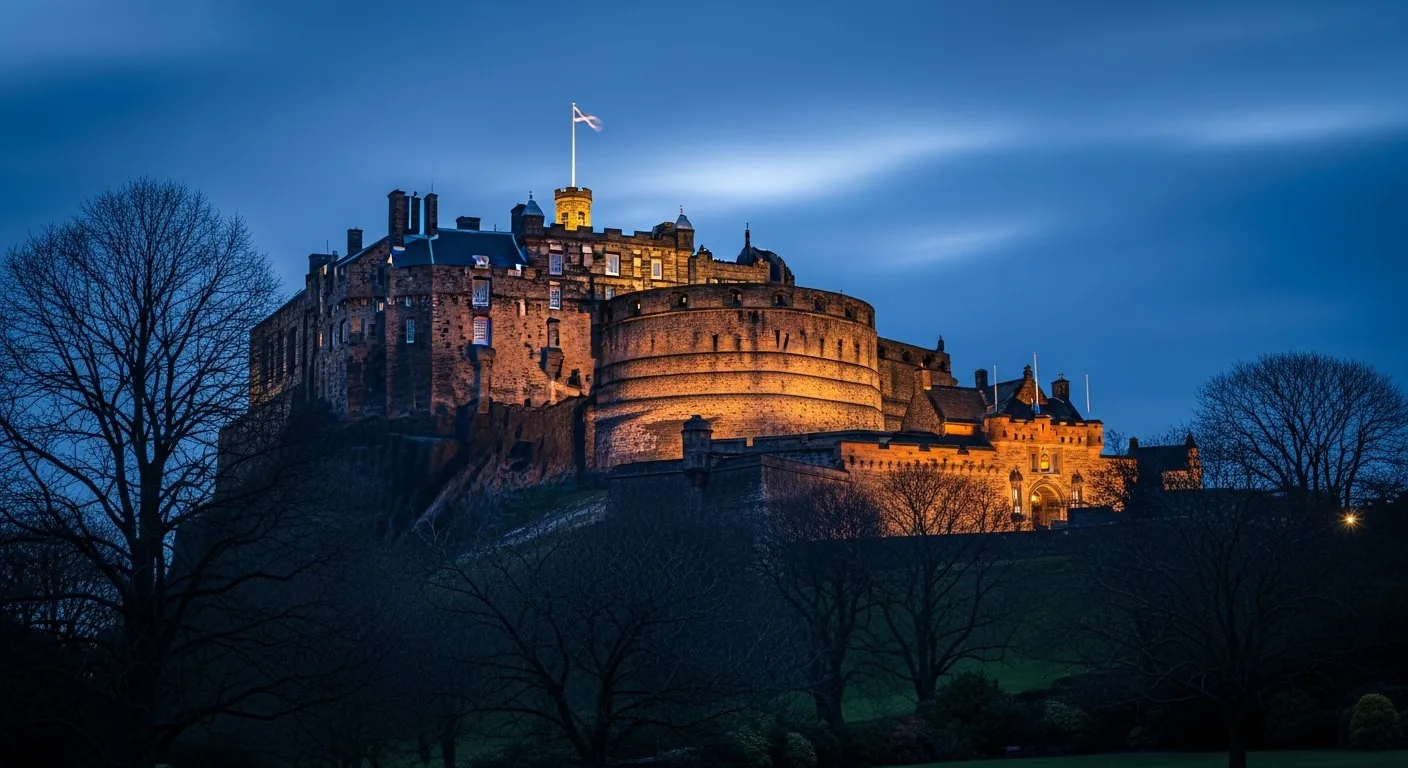
The Royal Mile stretches from Edinburgh Castle downhill to the Palace of Holyroodhouse. Walk it once during the day for the shops and street performers, then again at dusk when the old stone buildings turn amber under streetlights. The castle itself costs ₹1,900 for entry and commands views across the entire city. Book online to skip the queue that snakes around the esplanade.
Arthur's Seat — the extinct volcano looming over the city — offers a free workout with better views than any paid attraction. The hike takes 45 minutes if you're fit, 90 minutes if you stop for photos every few metres. Early morning climbs avoid crowds and catch the sunrise.
Harry Potter fans will find JK Rowling's fingerprints everywhere. The Elephant House cafe (where she reportedly wrote early chapters) charges nothing for entry but the queue for coffee rivals airport security lines. More interestingly, Greyfriars Kirkyard contains gravestones with names like "Thomas Riddell" and "McGonagall" that allegedly inspired character names. The cemetery is free, atmospheric, and genuinely historical — not a commercial attraction.
The Scotch Whisky Experience
Located at the castle end of the Royal Mile, this attraction demystifies Scotland's national drink. The ₹2,100 "Silver Tour" includes a barrel ride through whisky production stages (cheesier than expected) followed by a tasting of four regional whiskies. For ₹3,500, the "Gold Tour" adds a tutored nosing session and extra drams. Non-drinkers can join — they offer chocolate pairings instead — but honestly, whisky is half the point of visiting Scotland.
Scottish Highlands: Where the Real Magic Lives
You cannot experience Scotland without venturing into the Highlands. Full stop. The train from Edinburgh to Inverness (4.5 hours, ₹3,000-4,500) offers stunning scenery, but renting a car opens everything else.
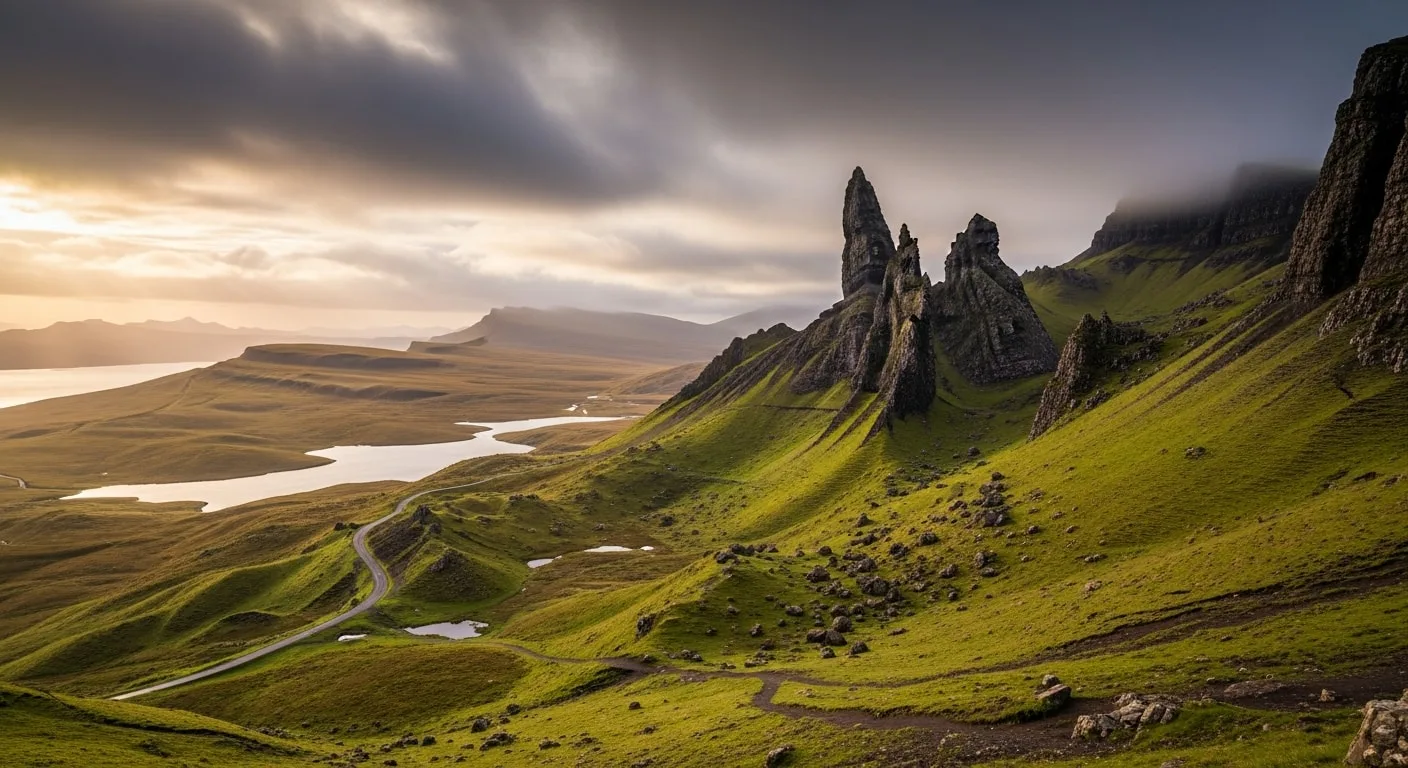
The A82 through Glencoe remains my favourite road anywhere in Europe. Massive mountains plunge down to a single-lane highway, waterfalls streak the dark rock, and cloud shadows chase across the valley floor. Stop at the viewpoint near the Three Sisters peaks. If the weather cooperates (big if), you'll understand why Highlanders fought so fiercely for this land.
Loch Ness: Beyond the Monster Myth
Yes, the monster is almost certainly nonsense. No, that doesn't diminish Loch Ness. The lake stretches 37 kilometres through the Great Glen, its water so dark from peat that anything could theoretically hide there. Urquhart Castle (₹1,200 entry) ruins sit dramatically on the western shore. The real attraction is simply driving the B862 along the quieter eastern bank, stopping wherever the views demand it.
Stay overnight in Inverness — Scotland's Highland capital — for easy access. Budget hotels start around ₹6,000/night; the city centre offers walking-distance restaurants and pubs that don't require designated drivers.
Isle of Skye: Three Days Minimum
Skye deserves its reputation. The Quiraing's alien rock formations, the Old Man of Storr's dramatic pinnacles, Fairy Pools with their crystal-clear turquoise water — these are not travel-brochure exaggerations. But Skye's popularity creates problems. Between June and August, car parks overflow by 9 AM. The single-track roads become frustrating traffic jams. Hotels book out months ahead.
My advice? Visit in May or September. Weather remains unpredictable (bring waterproof everything) but crowds thin dramatically. Stay in Portree, the main town, and plan for short driving distances. Skye rewards slow exploration, not rushed day trips.
NC500: Scotland's Answer to Route 66
The North Coast 500 loops around the Scottish Highlands covering 516 miles of coastal roads, mountain passes, and genuinely remote territory. Completing it properly requires 5-7 days — rushing defeats the purpose. Standouts include Smoo Cave (free, extraordinary), the single-track terror to Applecross via Bealach na Bà, and the empty beaches of Sutherland that rival Caribbean shores (minus the temperatures).
The NC500 is best suited for travellers with extra time. For a 10-14 day combined Scotland-Ireland trip, choose either Skye or the NC500 — attempting both leaves everything feeling rushed.
Dublin: Ireland's Buzzing Heart
Flying from Edinburgh to Dublin takes 75 minutes and costs ₹3,500-6,000 on budget carriers. Dublin greets you with energy that Edinburgh lacks — younger, louder, more chaotic. The city centres on the River Liffey with Temple Bar's cobbled streets drawing tourists to pubs that charge double normal prices. Skip the most famous bars (looking at you, Temple Bar pub) and find authentic sessions in venues like The Cobblestone in Smithfield.
Trinity College's Book of Kells exhibition (₹1,500) displays Ireland's most famous medieval manuscript. The attached Long Room library — those towering wooden shelves you've seen in photographs — justifies the entry fee alone. Arrive when doors open at 8:30 AM to experience it without crowds.
The Guinness Storehouse (₹2,500) delivers an excellent brewery tour culminating in a pint poured at the Gravity Bar with panoramic city views. It's commercial and knows it, but executed brilliantly. The ₹6,500 "Stoutie" experience adds a private tasting session if you're serious about stout.
Wild Atlantic Way: Ireland's Coastal Drama
Ireland's Wild Atlantic Way stretches 2,500 kilometres along the western coast. Nobody completes it all in one trip. Focus on the highlights: the Cliffs of Moher, Ring of Kerry, and Connemara.
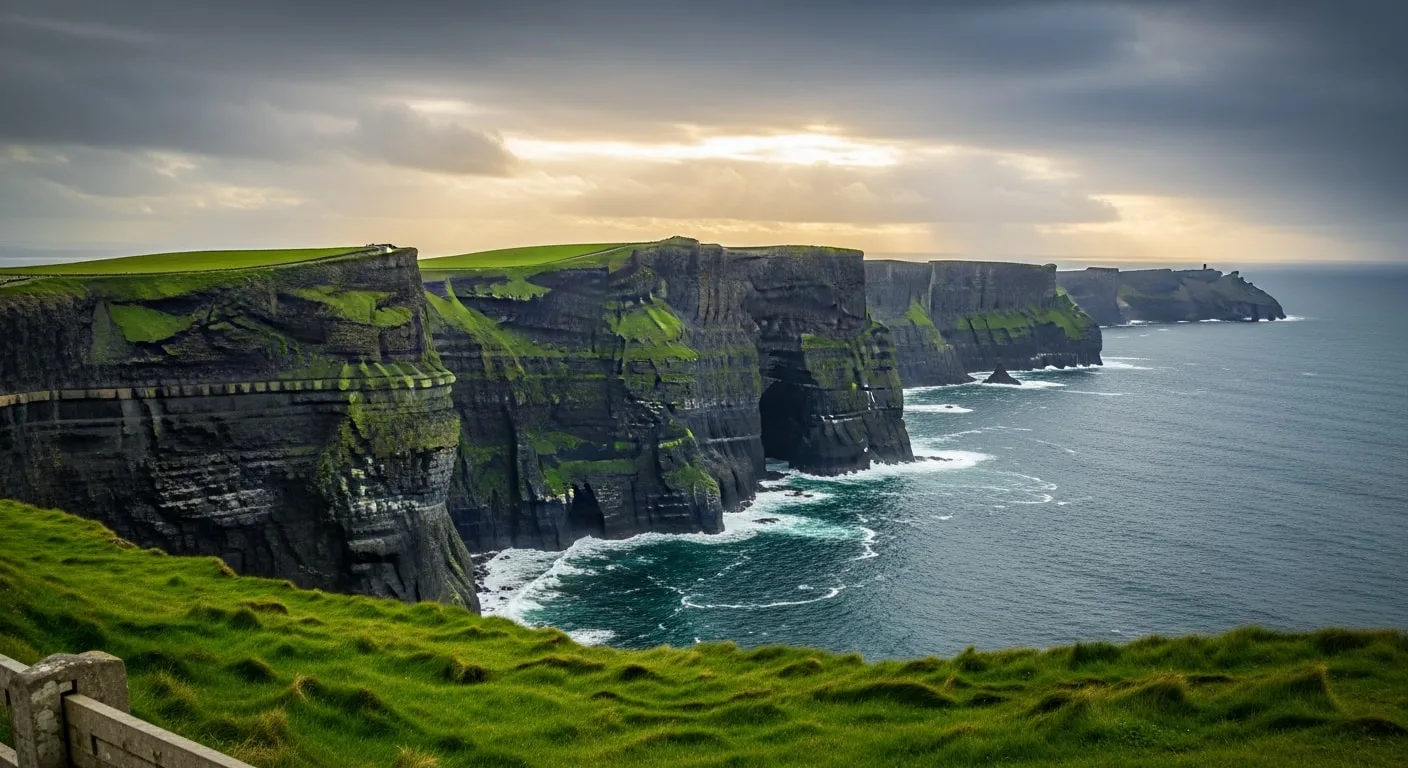
Cliffs of Moher
Standing 214 metres above Atlantic waves, the Cliffs of Moher deliver the dramatic coastal scenery Ireland promised. Entry costs ₹750, parking included. The visitor centre offers exhibitions and cafes, but the cliffs themselves — accessed via paved walkways with safety rails — steal every ounce of attention. Wind here is serious; I've seen umbrellas launched like missiles on calmer days.
Stay overnight in Doolin (a tiny village famous for traditional music sessions) or the Burren region. Morning visits avoid coach tour crowds that peak between 11 AM and 3 PM.
Ring of Kerry
This 179-kilometre loop around the Iveragh Peninsula packs lakes, mountains, beaches, and villages into a single day's driving. But should you rush it? Absolutely not. The peninsulas (Kerry, Dingle, Beara) reward two-three days of exploration. Killarney serves as the main hub — touristy but functional with plentiful accommodation and restaurants.
Drive anti-clockwise if you're in a car (coaches go clockwise), and stop constantly. Gap of Dunloe, Ladies View, Moll's Gap — the named viewpoints exist for good reason, but unmarked pullouts often hide better surprises.
Giant's Causeway: Worth Crossing the Border
Technically Northern Ireland (UK territory, remember), Giant's Causeway sits two hours north of Dublin. The 40,000 interlocking basalt columns formed from ancient volcanic eruptions look so geometrically perfect they genuinely seem artificial. Visitor centre entry costs ₹1,200; the columns themselves are free if you walk from the nearby town.
Combine Giant's Causeway with the Carrick-a-Rede rope bridge (₹800, seasonal closure in winter) and Dark Hedges — the tree-lined road featured in Game of Thrones. The entire coastal route from Belfast makes an excellent day trip.
Practical Matters: Food, Transport & Timing
The Vegetarian Challenge
Let's be direct: Scotland and Ireland are meat-centric cultures. Haggis, black pudding, Irish stew — these define traditional cuisine. Vegetarians won't starve, but options narrow dramatically in rural areas. Edinburgh and Dublin offer excellent vegetarian restaurants (Henderson's in Edinburgh, Cornucopia in Dublin). Outside cities, expect pasta, pizza, and chips as default options.
The good news? Indian restaurants exist in almost every town. Seriously — decades of immigration mean decent curry houses populate even tiny Scottish villages. When Highlands remoteness threatens your dietary sanity, the local Indian takeaway saves the day.
Transport Realities
Trains connect major cities efficiently. Edinburgh-Glasgow takes 50 minutes (₹1,500), Dublin-Galway takes 2.5 hours (₹2,000). For planning comprehensive European travel, check our first-time Europe trip guide which covers rail pass considerations.
However, renting a car becomes essential beyond urban centres. Scottish Highlands roads demand it — public transport simply doesn't reach the best locations. Book automatic transmission (manual is standard) and expect ₹3,500-6,000 daily including insurance. Drive on the left. Petrol costs approximately ₹180/litre. Those single-track roads require confidence; they have passing places marked with white diamonds where you pull over when another car approaches.
Best Time to Visit
May through September offers the longest daylight hours (Scotland gets nearly 18 hours of daylight in June) and warmest weather. "Warmest" means 15-20°C, not warm. Pack layers regardless of season.
August brings Edinburgh's famous Fringe Festival — fantastic for entertainment, terrible for accommodation prices and availability. Book 6+ months ahead if visiting during Fringe.
Shoulder seasons (April-May, September-October) balance decent weather with fewer crowds and lower prices. Winter travel is possible but shortened daylight (Scotland gets barely 7 hours in December) limits sightseeing.
Weather Reality Check
Both countries share Atlantic weather patterns, meaning rain is constant. Not continuous downpours — more like sudden showers several times daily. Waterproof jacket is non-negotiable. Umbrella is useless (wind destroys them). Waterproof shoes beat fashion every time.
The dramatic landscapes exist partly because of this moisture. Those impossibly green fields? Rain. Those atmospheric misty mountains? Rain. Accept wetness as part of the experience rather than fighting it.
Sample 12-Day Itinerary
Here's a realistic route that balances highlights with breathing room:
- Days 1-2: Arrive London, recover from jet lag, optional day trip
- Days 3-4: Edinburgh (Royal Mile, Castle, Arthur's Seat, evening pubs)
- Days 5-6: Scottish Highlands road trip (Glencoe, Loch Ness, overnight Inverness)
- Day 7: Isle of Skye highlights (Old Man of Storr, Fairy Pools)
- Day 8: Fly Edinburgh to Dublin, afternoon Dublin exploration
- Days 9-10: Wild Atlantic Way (Cliffs of Moher, Galway, overnight Doolin/Galway)
- Day 11: Giant's Causeway day trip from Dublin or overnight Belfast
- Day 12: Dublin departure
This itinerary requires two rental car periods (Scotland days 5-7, Ireland days 9-10) with flights connecting major cities. It's intensive but manageable, covering both countries' highlights without exhausting sprint travel.
Booking Your Trip
Planning a scotland ireland trip from india cost involves coordinating multiple moving parts — flights, visas, car rentals, accommodation across two countries. TripCabinet handles the entire process for you. Our team books flights, arranges accommodations that suit your budget, and ensures your itinerary flows logically without backtracking or wasted time.
We specialise in trips for Indian travellers, which means we understand visa requirements, vegetarian meal needs, and the specific concerns first-time Europe visitors face. Contact us to discuss customised Scotland and Ireland packages based on your travel style and dates.
Frequently Asked Questions
Do I need separate visas for Scotland and Ireland?
Scotland requires a UK visitor visa. Ireland may be covered under the Short Stay Visa Waiver Programme if you hold a valid UK visa and enter the UK first. Check the UK Government visa website for current requirements. Northern Ireland (part of the UK) is covered by your UK visa automatically.
What's the total scotland ireland trip from india cost for 12 days?
Budget travellers can manage ₹2-2.5 lakhs including flights, visa, and accommodation. Mid-range comfort typically runs ₹3-4 lakhs. Luxury travel with castle stays and private tours exceeds ₹5 lakhs per person. These figures assume sharing accommodation and include all transport, food, and major attractions.
Is it safe for solo Indian travellers?
Both countries rank among Europe's safest destinations. Solo travel — including for women — presents minimal concerns beyond standard precautions. The pub culture means late nights are common and accepted; harassment is genuinely rare. Rural areas are exceptionally safe, though mobile coverage can be patchy in remote Highlands locations.
Can vegetarians survive in Scotland and Ireland?
Yes, though with effort. Cities offer extensive vegetarian and vegan options. Rural areas default to limited choices — pasta, pizza, cheese toasties. Indian restaurants provide reliable vegetarian meals throughout both countries. Self-catering accommodation helps budget vegetarians avoid repetitive restaurant options.
When is the cheapest time to visit?
Late October through March offers lowest flight and hotel prices but challenging weather and short daylight. April-May and late September balance reasonable costs with acceptable conditions. June-August peak season commands highest prices, though the extended daylight justifies the premium for many travellers.
Do I need to rent a car?
For cities (Edinburgh, Dublin, Galway), public transport and walking suffice. For Scottish Highlands, Isle of Skye, and rural Ireland, a car is practically essential. Budget 4-5 driving days minimum if you want to experience beyond urban centres. Book automatic transmission — manual gearboxes are standard in UK/Ireland but challenging for Indian drivers unfamiliar with them.