

Peru Trip from India: Machu Picchu, Cusco & Complete Cost Guide
In this guide (15)
- Flights to Peru from India: The Long Haul Reality
- Peru Visa for Indians: Visa-Free With a Valid US, UK or Schengen Visa
- Lima: Don't Skip Peru's Capital
- Sacred Valley: Ollantaytambo & Pisac Before Machu Picchu
- Cusco: The Heart of the Inca Empire
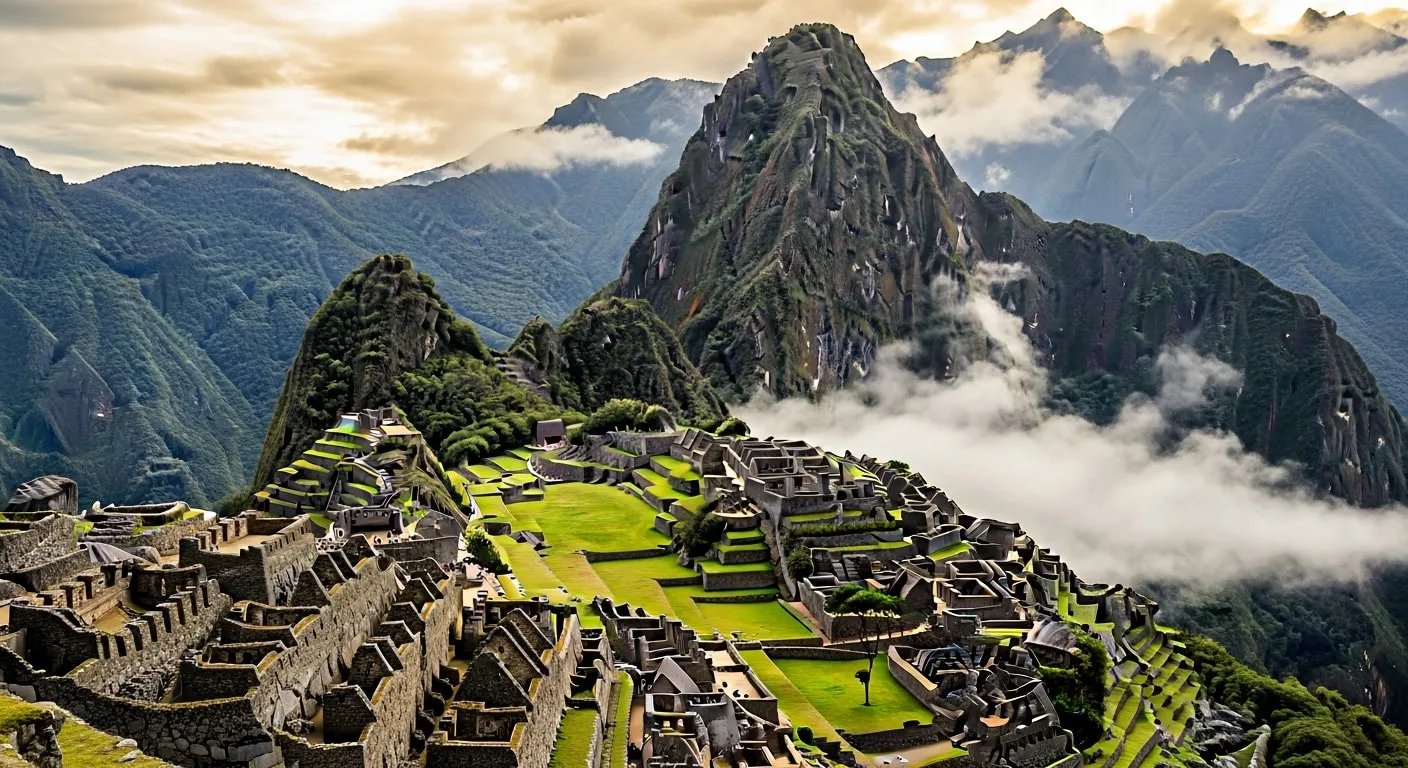
- Machu Picchu: Planning the Peru Trip from India Cost Centrepiece
- How to Reach Machu Picchu from India: Step by Step
- Rainbow Mountain: Is Vinicunca Worth the Hype?
- Lake Titicaca: Floating Islands & Bolivia Border
- Peru Trip from India Cost: Full 10-14 Day Budget
- Transport Within Peru: Buses, Flights & the Peru Hop Option
- Best Time to Visit Peru for Indian Travellers
- Practical Tips for Indians in Peru
- Inca Trail Permits: Book Months Ahead
- Frequently Asked Questions
Mist clearing over Machu Picchu from the Sun Gate, condors soaring over Colca Canyon, the thin air of Cusco — Peru is one of the most intense and rewarding long-haul trips you can take from India, and yes, an expensive one. But the peru trip from india cost is manageable if you plan right: a 12-day trip with careful choices can come in around ₹2.5 lakh including flights.
For Indian travellers, Peru sits in that sweet spot of being genuinely exotic — ancient civilisations, rainbow mountains, jungles meeting highlands — while also being surprisingly accessible. Visa-free entry for up to 180 days if you hold a valid US, UK, Canada, Australia or Schengen visa or residence, decent vegetarian food options in tourist areas, and a backpacker infrastructure that rivals Southeast Asia. The catch? Getting there takes 25-35 hours and at least one connection. The reward? A country that will fundamentally change how you see the world.

Flights to Peru from India: The Long Haul Reality
Let's address the elephant in the room first. There are no direct flights from India to Peru. You're looking at minimum two flights, usually three, and anywhere from 25 to 35 hours of total travel time. A typical routing is Delhi to Amsterdam to Lima, around 28 hours door to door. Other common routes go through Madrid, Miami, or Bogota.
For flight costs, expect to pay between ₹75,000 and ₹1,20,000 for return economy tickets, depending on when you book and your flexibility with dates. Peak season (June-August) and Diwali break will push prices toward the higher end. Budget airlines don't fly this route, so you're stuck with full-service carriers — which honestly isn't terrible given you'll need those meals and legroom.
The best carriers for this route are KLM (via Amsterdam), Iberia (via Madrid), and LATAM (usually via Miami or Mexico City). Air France sometimes has competitive fares through Paris. Tip: use Google Flights to set price alerts at least 4-5 months before your trip. Fares can swing by ₹15,000-20,000 between days. Check out our guide to finding cheap international flights from India for more booking strategies.
Regarding long-haul flight survival, bring compression socks (seriously, 25+ hours is no joke), download entertainment in advance, and request vegetarian meals when booking since the default often includes beef in Latin American sectors.
Peru Visa for Indians: Visa-Free With a Valid US, UK or Schengen Visa
Here's the part many guides get wrong: Indians need a visa for Peru unless they hold a qualifying visa or residence. Under Peru's Supreme Decree 006-2017-RE, Indian ordinary-passport holders with a US, Canada, UK, Australia or Schengen visa valid for at least six months, or permanent residence in one of those countries, can enter visa-free as tourists for up to 180 days; the immigration officer decides the exact number of days on arrival. Without one of those, you must get a tourist visa from the Embassy of Peru in New Delhi before you fly.
What you do need: a passport valid for at least 6 months beyond your travel dates, proof of onward travel, and proof of accommodation (have your first hotel booking handy). Some immigration officers also ask for proof of funds, so carry recent bank statements.
One critical note: if your route goes through the USA (common with United or American Airlines via Miami or Houston), you'll need a valid US visa — Indian passport holders cannot use ESTA. The upside: a US visa with at least six months' validity also makes you eligible for Peru's visa exemption. Routes through Europe only require a standard transit without visa if you stay airside — much simpler.
Lima: Don't Skip Peru's Capital
Many Indian travellers rush through Lima to get to Machu Picchu. Bad move. Lima is one of the world's great food cities, has fascinating pre-Columbian history, and serves as perfect acclimatisation before you hit the highlands. Three or four days here is ideal.
According to Peru's official tourism board, Miraflores is the most popular neighbourhood for international visitors. Stay in Miraflores — it's safe, walkable, and right on the ocean. Budget hotels run ₹2,500-3,500/night, mid-range options around ₹5,000-7,000. From here, you can walk to Parque Kennedy, the Malecon clifftop promenade, and dozens of restaurants. The Larcomar mall literally hangs over the Pacific if you need familiar food court vibes.
For culture, the Museo Larco is unmissable — pre-Columbian ceramics and gold that rival anything in Europe, all in a gorgeous colonial mansion. The Huaca Pucllana is an actual pyramid from 500 AD sitting in the middle of the city with restaurants overlooking it. Weird and wonderful.
Now, about ceviche: Peru's national dish is raw fish marinated in lime juice. If you enjoy coastal Indian seafood, you will probably love it — tangy, fresh, nothing like Japanese sashimi. Try it at La Mar or Pescados Capitales for a proper introduction. Average ceviche costs ₹800-1,500 at good restaurants, ₹300-500 at markets.
Good news for vegetarians: Lima has several pure-veg Indian restaurants. Govinda's in Miraflores serves ISKCON-style meals that taste exactly like home. There's also Rawcafe for health-food types.
Sacred Valley: Ollantaytambo & Pisac Before Machu Picchu
Most organised tours rush you from Cusco directly to Machu Picchu. This is a mistake for two reasons: first, you miss spectacular Inca sites that deserve attention in their own right; second, you're going from 3,400m (Cusco) to 2,400m (Machu Picchu) without proper acclimatisation. The Sacred Valley sits at around 2,800m — a sensible middle ground.
Ollantaytambo is a highlight of any Peru trip. This living Inca town has residents still using the same water channels and street layouts their ancestors built 600 years ago. The terraced fortress rising above town is genuinely impressive — and unlike Machu Picchu, you can climb all over it without massive crowds. A full day here is well spent.
Pisac deserves a morning for its famous market (Sundays are best) and another morning for the archaeological site above town. The market sells excellent alpaca textiles, ceramics, and silver — bargain hard, start at 50% of asking price. The ruins above require either a steep hike or a taxi to the top entrance (₹500-700).
Transport through the Sacred Valley is easy: colectivos (shared minivans) connect all towns for ₹50-100 per journey. A private driver for a full day costs around ₹4,000-5,000 if you're splitting with others.
Cusco: The Heart of the Inca Empire
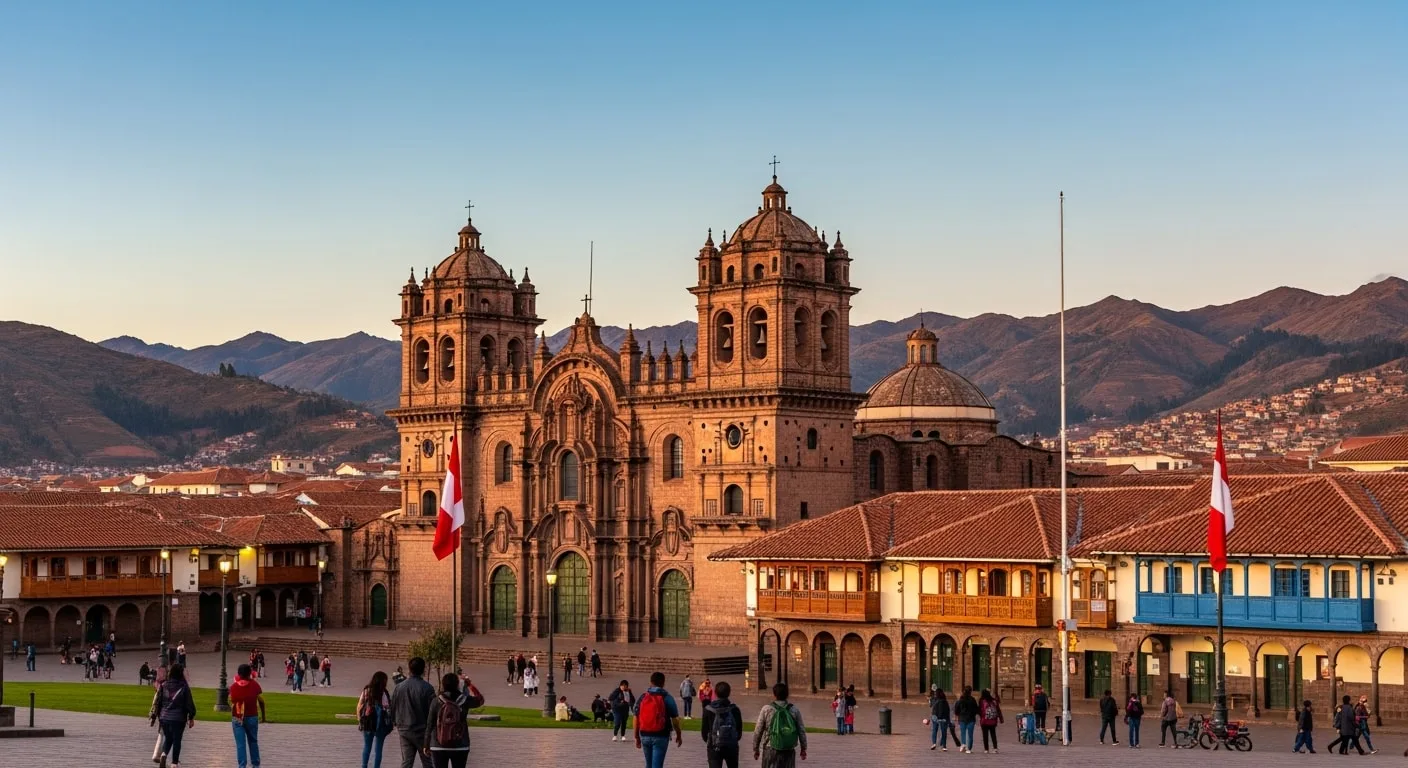
Cusco will take your breath away — literally. At 3,400 metres, this former Inca capital has thinner air than most Indians have ever experienced. Many visitors fly in from Lima (sea level) feeling fine and spend the first evening with a headache and nausea. Don't be a hero. Rest on arrival, drink coca tea, and take it slow for the first 24-48 hours.
Altitude sickness is serious business here. Symptoms include headache, nausea, fatigue, and shortness of breath. For most people, these pass within a day or two with rest and hydration. Some people need medication — Diamox is available locally but consult a doctor before your trip. Severe cases require immediate descent to lower altitude. The good news: if you spend 2-3 days in the Sacred Valley first (lower altitude), you'll acclimatise gradually.
The historic centre clusters around Plaza de Armas, one of South America's most beautiful squares. Spanish churches tower over foundations of Inca palaces, creating that surreal layered-history effect you find throughout Cusco. The Cathedral took 100 years to build and contains a painting of the Last Supper featuring guinea pig (cuy) as the main course — seriously.
San Pedro Market is where locals shop and eat. Juice stalls blend any fruit you want for ₹50. Food stalls serve massive plates of rice, potatoes, and stew for ₹150-200. You can also buy coca leaves here (legal and helpful for altitude) along with alpaca sweaters, chocolate, and souvenirs at local prices.
Cusco accommodation ranges widely: hostels with dorms at ₹600-800/night, private rooms at ₹1,500-2,500, boutique hotels in converted colonial mansions from ₹5,000-10,000. San Blas is a good base — steep cobblestone streets, artsy vibe, slightly cheaper than the plaza area.
Machu Picchu: Planning the Peru Trip from India Cost Centrepiece
Let's talk numbers, because Machu Picchu is where your peru trip from india cost really stacks up. Entry tickets, train rides, buses — it adds up fast. Here's the breakdown:
Entry tickets (2024-2025 prices): The base Machu Picchu ticket costs around ₹5,200 (152 soles) for foreigners. If you want to climb Huayna Picchu (that peak in all the photos) or Machu Picchu Mountain, tickets cost ₹6,500 (200 soles) and sell out weeks in advance. Book on the official Machu Picchu government website — not third-party sites that mark up prices.
Getting there — the train option: Most visitors take the train from Ollantaytambo to Aguas Calientes (the town below Machu Picchu). PeruRail and Inca Rail both operate this route. Standard seats cost ₹6,000-8,000 return, panoramic/luxury options go up to ₹25,000. PeruRail's Expedition is the budget service — comfortable, with large windows for the valley views. Book at least 2-3 weeks ahead during peak season.
The bus up: From Aguas Calientes, shuttle buses climb the zigzag road to Machu Picchu entrance. Cost: 24 USD return (about ₹2,300). Can you walk instead? Yes — it's a 90-minute steep hike up steps. Taking the bus up and walking down is a good compromise.
Alternative: The Inca Trail: The famous 4-day, 43km trek to Machu Picchu costs ₹40,000-80,000 depending on the operator, and includes camping, meals, porters, and the permit. Only 500 people start each day (including porters and guides), so permits sell out 2-4 months ahead for peak season. It is the most famous trek in South America.
Alternative: Salkantay Trek: A more challenging 5-day trek that doesn't require the same advance booking. Costs ₹25,000-45,000 with operators, or can be done independently for much less. You'll cross a 4,600m pass with glacier views before descending to Machu Picchu. Better for those who want proper adventure.
My total Machu Picchu costs: entry ₹5,200 + train ₹5,200 + bus ₹2,000 + one night in Aguas Calientes ₹2,800 + food ₹1,500 = approximately ₹16,700. Most visitors spend ₹15,000-25,000 depending on choices.
How to Reach Machu Picchu from India: Step by Step
There is no shortcut: every route from India to Machu Picchu involves at least two flights, a train and a bus. This is the usual sequence.
- 1. Check your entry eligibility. Visa-free entry needs a US, Canada, UK, Australia or Schengen visa valid for at least six months, or residence in one of those countries. Otherwise apply for a Peruvian tourist visa in New Delhi first.
- 2. Fly India to Lima. Routings through Europe, such as KLM via Amsterdam, avoid the US transit-visa problem. Allow 25-35 hours door to door.
- 3. Fly Lima to Cusco. About an hour on LATAM, Sky Airline or JetSMART, versus 20+ hours by road.
- 4. Drop to the Sacred Valley. Cusco sits at about 3,400 m. Many travellers head straight down to Ollantaytambo (around 2,800 m) to acclimatise before the Machu Picchu day.
- 5. Take the train to Aguas Calientes. PeruRail and Inca Rail run from Ollantaytambo (about 1 hour 45 minutes) and from Poroy near Cusco (about 3 hours 30 minutes).
- 6. Bus up to the citadel. Shuttle buses climb the zigzag road from Aguas Calientes (24 USD return, about ₹2,300), or you can hike up in about 90 minutes.
- 7. Enter on your timed ticket. Book your circuit ticket in advance on the official Ministry of Culture site; peak-month slots sell out weeks ahead.
Plan at least two nights between landing in Lima and visiting Machu Picchu, ideally more for altitude. The return journey reverses the chain, and keep your yellow fever certificate handy when you land back in India.
Rainbow Mountain: Is Vinicunca Worth the Hype?
You've seen the Instagram photos: a mountain striped in red, orange, yellow, and green like some geological paintbrush went wild. Rainbow Mountain (Vinicunca) sits at 5,200 metres — higher than any Indian peak outside the Himalayas — and visiting it has become almost as popular as Machu Picchu itself.

The reality check: it's a very long day. Tours from Cusco leave at 3-4am, drive 3 hours to the trailhead (4,600m), then you hike 6-7km to the summit. The altitude is brutal — Even fit visitors struggle at this altitude. The colours are genuinely spectacular on a sunny day, but look washed out if it's cloudy or snowy (common in afternoons). Crowds can be intense in peak season.
Tour costs range from ₹2,000-4,000 including transport, breakfast, and lunch. Some tours offer horseback options for the final steep section (extra ₹1,500-2,500). Go only if you've properly acclimatised for at least 3-4 days at altitude AND the weather forecast looks clear.
Alternative: Palccoyo (sometimes called Rainbow Mountain Alternative) has similar coloured hills at a lower altitude (4,900m) with a much easier hike and far fewer crowds. Less dramatic but more accessible.
Lake Titicaca: Floating Islands & Bolivia Border
At 3,812m, Lake Titicaca is the world's highest navigable lake, straddling the Peru-Bolivia border. The Peruvian side centres on Puno, a fairly gritty town that exists mainly as a base for lake tours.
The main attractions are the Uros Floating Islands — artificial islands made entirely of reeds where indigenous communities have lived for centuries. Yes, it's extremely touristy now, but still fascinating to walk on islands that literally bounce underfoot. Half-day tours from Puno cost ₹1,500-2,500.
More worthwhile are overnight stays on Taquile or Amantani islands. Here, you sleep with local families in basic accommodations, eat home-cooked meals, and experience genuine Andean village life. Costs run ₹3,000-5,000 for a two-day, one-night tour including meals and boat transport.
Getting to Puno: buses from Cusco take 6-7 hours along a spectacular high-altitude route (4,300m passes). Cruz del Sur and Peru Hop operate comfortable services for ₹1,500-2,500. Alternatively, the luxury Belmond Andean Explorer train runs this route — expect to pay ₹50,000+ for that experience.
Peru Trip from India Cost: Full 10-14 Day Budget
Here's what you might expect at different budget levels for 10-14 days in Peru:
Budget Tier (₹1.8-2.2 Lakh Total)
- Flights: ₹75,000-90,000 (book 4-5 months ahead)
- Accommodation: ₹25,000-35,000 (hostels, basic hotels)
- Food: ₹18,000-22,000 (mix of markets and restaurants)
- Machu Picchu package: ₹15,000-18,000 (economy train, no mountain hike)
- Other activities/tours: ₹8,000-12,000
- Transport within Peru: ₹8,000-12,000
- Miscellaneous/buffer: ₹5,000-8,000
Mid-Range (₹2.5-3.5 Lakh Total)
- Flights: ₹90,000-1,10,000
- Accommodation: ₹45,000-60,000 (3-star hotels, boutique stays)
- Food: ₹30,000-40,000 (nice restaurants daily)
- Machu Picchu: ₹20,000-30,000 (better train class, Huayna Picchu)
- Activities: ₹15,000-25,000
- Domestic flights + private transfers: ₹15,000-25,000
- Buffer: ₹10,000-15,000
Comfortable/Luxury (₹4-6 Lakh+)
- Flights: Business class or premium economy ₹2,00,000-3,50,000
- 5-star hotels including Belmond Sanctuary Lodge at Machu Picchu
- Private guides throughout
- Luxury train experiences
A 12-day trip with mid-range hotels, one splurge dinner and most major activities typically lands around ₹2.5 lakh including flights. If you're used to the costs from our adventure travel destinations guide, Peru sits firmly in the "pricier but worth it" category.
Transport Within Peru: Buses, Flights & the Peru Hop Option
Once you're in Peru, getting around is straightforward but time-consuming. Internal transport is a significant part of any Peru budget. The country is vast, and the Andes mean roads wind endlessly up and down mountains.
Long-distance buses are the backbone of Peruvian travel. Cruz del Sur is the premium operator with fully reclining seats, meals, and onboard entertainment — their VIP "cruzero suite" is essentially a bed. Expect to pay ₹2,000-4,000 for major routes. Cheaper operators like Oltursa and Movil Bus offer good service at ₹1,200-2,000.
Peru Hop deserves special mention: it's a hop-on, hop-off bus network designed for travellers, with English-speaking guides, scheduled stops at attractions along the route, and the flexibility to stay as long as you want in each place. Their Lima-Cusco pass costs around ₹10,000 and includes stops at Paracas, Huacachina oasis, Nazca Lines viewpoint, and Arequipa. It is popular with first-time visitors.
Domestic flights: Lima to Cusco takes 1 hour by air versus 20+ hours by bus. Fares run ₹5,000-10,000 with LATAM, Sky Airline or JetSMART. Worth it for at least one leg, especially if short on time.
Colectivos (shared minivans): For short hops between nearby towns — Cusco to Ollantaytambo, Ollantaytambo to Urubamba — these cost ₹50-150 and leave when full. Fast, cheap, authentically local.
Best Time to Visit Peru for Indian Travellers
Peru's seasons are opposite to India's. When you travel affects your costs significantly. The dry season runs May to September — this is winter in Peru but the best time to visit the highlands. Clear skies mean spectacular views of mountains and ruins, plus no rain turning trails to mud. The catch: nights are cold (near freezing in Cusco), and this is peak tourist season with higher prices and crowds.
The wet season (October-April) brings afternoon rains to the highlands, but mornings are usually clear. Prices drop significantly, crowds thin out, and the landscape turns lush green. The Inca Trail closes entirely in February for maintenance.
For Indian travellers, May-June or September offer the best balance: dry weather, shoulder-season prices, and avoiding both our summer holidays (crowds from Europe/US) and Diwali break (expensive flights).
Planning an extended trip? Some travellers combine Peru with other South American destinations. Our round-the-world trip guide covers how to structure multi-continent journeys on a budget.
Planning a multi-country South American adventure? Consider adding Colombia to your itinerary — similar visa requirements if you hold a US or Schengen visa, cheaper daily costs, and equally stunning landscapes from Caribbean beaches to Andean coffee regions.
Practical Tips for Indians in Peru
Food Survival
Vegetarians will find options but need to be proactive. "Sin carne" (without meat) is your phrase. Quinoa features heavily in Peruvian cooking — embrace it. Indian restaurants exist in Lima (Govinda's, etc.) and there's even a Sangam Restaurant in Cusco. Otherwise, staples like rice, potatoes, eggs, cheese empanadas, and salads are widely available.
Money Matters & Managing Your Peru Trip from India Cost
Peru uses the Sol (PEN). As of early 2024: 1 USD ≈ 3.7 soles, 1 INR ≈ 0.045 soles. ATMs dispense soles and sometimes USD — both are widely accepted in tourist areas. Notify your bank before travel; some Indian cards get blocked for "unusual activity" in South America.
SIM Card & Connectivity
Buy a SIM at Lima airport or any Claro/Movistar shop. About ₹1,500 gets you 10GB data valid for a month. Coverage is decent in cities and tourist areas; remote Andes locations may have nothing.
Safety
Peru is generally safe for tourists but use common sense. Tourist areas in Lima (Miraflores, Barranco) are fine for evening walks. Central Lima and some other areas less so at night. Petty theft happens — don't flash expensive cameras or phones, and use hotel safes. The main tourist trail (Lima-Cusco-Machu Picchu) has been well-trodden for decades.
Health Precautions
Yellow fever vaccination is recommended if visiting the Amazon regions — and India requires a valid yellow fever vaccination certificate from travellers arriving from yellow-fever-endemic countries, a list that includes Peru. Without one you can be quarantined for up to six days on return, so get vaccinated at an authorised centre in India (₹300 per dose) at least 10 days before departure. Regular travel vaccines should be up to date. Tap water is not safe to drink — stick to bottled water throughout.
Inca Trail Permits: Book Months Ahead
If you're set on hiking the Classic Inca Trail, start planning 4-6 months before your trip. Permits are limited to 500 per day including porters and guides, meaning roughly 200 actual hikers. Peak months (June-August) sell out within days of release.
Permits are non-transferable and require your exact passport details at booking. You must use a licensed agency — no independent trekking allowed. Prices vary from ₹35,000 for budget group treks to ₹80,000+ for premium small-group experiences with better camping gear and food.
Can't get permits? The Salkantay Trek, Lares Trek, and various alternative routes to Machu Picchu don't require the same advance booking. Less famous, but equally beautiful — sometimes more so.
Frequently Asked Questions
Do Indians need a visa for Peru?
Yes, unless you hold a qualifying visa or residence. Indians with a US, Canada, UK, Australia or Schengen visa valid for at least six months (or permanent residence there) can enter Peru visa-free for up to 180 days; everyone else needs a tourist visa from the Embassy of Peru in New Delhi. You also need a passport valid for 6 months and proof of return travel. Transiting through the USA requires a valid US visa, as Indians cannot use ESTA.
What is the total cost of a Peru trip from India for 10-14 days?
Budget travellers can manage 10-14 days for ₹1.8-2.2 lakh including flights. Mid-range trips with comfortable hotels and all major activities cost ₹2.5-3.5 lakh. Luxury travel with premium experiences exceeds ₹4-6 lakh. Flights are your biggest variable — book early to save ₹15,000-30,000.
How do I deal with altitude sickness in Cusco and Machu Picchu?
Acclimatise gradually: spend 2-3 days in the Sacred Valley (lower altitude) before Cusco. Drink coca tea, stay hydrated, avoid alcohol initially, and rest on arrival. Machu Picchu itself is lower (2,400m) and usually comfortable. Diamox medication helps some people — consult your doctor before the trip.
Which is better: Inca Trail or train to Machu Picchu?
The Inca Trail is a bucket-list trek (4 days, 43km) but requires booking 3-4 months ahead and costs ₹40,000-80,000. The train is much easier, takes 2 hours from Ollantaytambo, and costs ₹5,000-8,000 return. Both end at Machu Picchu — the train is sufficient if you're short on time or prefer not to camp.
Can vegetarians survive in Peru?
Yes, with effort. Quinoa, potatoes, rice, eggs, and cheese are everywhere. Lima has Indian restaurants (Govinda's), and Cusco has vegetarian-friendly cafes. Learn "sin carne" (without meat) and "soy vegetariano" (I'm vegetarian). Markets have excellent fresh fruit and juices. You won't starve, but you'll eat more simply than omnivores.
What's the best time to visit Peru from India?
The dry season (May-September) offers the best weather for trekking and sightseeing. May-June and September have smaller crowds than July-August. The wet season (October-April) has lower prices and fewer tourists but afternoon rain in the highlands. The Inca Trail closes in February for maintenance.
Planning this trip?
Tell us roughly when and how many — our travel expert sends you a custom quote, usually within a few hours.