
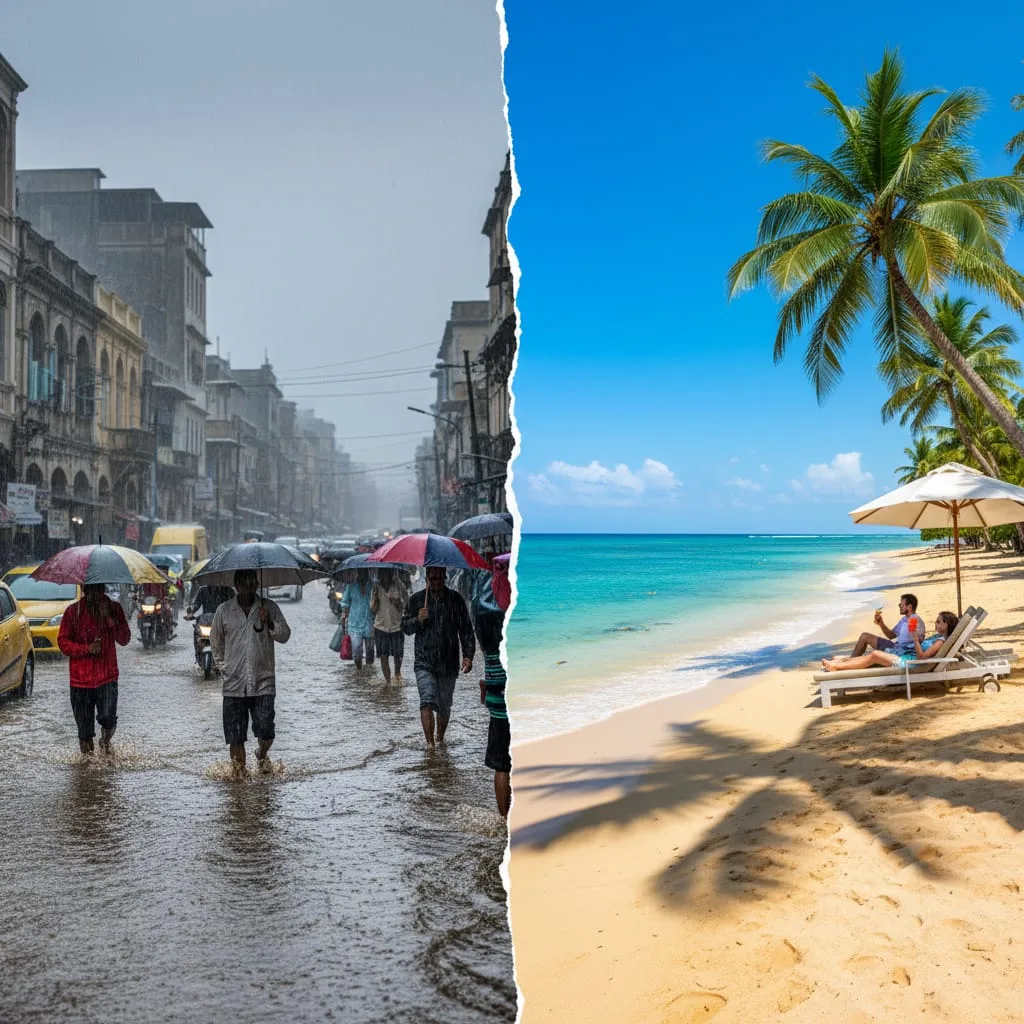
Monsoon Escape: 8 International Destinations with Perfect Weather When India Drowns (July-September)
Every July, Mumbai turns into Venice minus the romance. Waterlogged roads, cancelled local trains, that distinctive petrichor-mixed-with-sewage smell wafting through your office window. That's when I started searching for international destinations during Indian monsoon — places where July means sunshine, not survival. I've lived through 15 monsoons in this city. And somewhere around year eight, I stopped romanticizing the rain and started booking flights out.
Here's what nobody tells you when you search for international destinations during Indian monsoon — every single result talks about Ladakh, Rajasthan, and Kerala backwaters. Domestic escapes. But what if I told you there are 8 perfect countries where July to September isn't just tolerable, it's actually their best season? Countries where the sun is shining, beaches are swimmable, and you won't need to carry an umbrella for three straight months?
I've escaped to six of these eight destinations during monsoon months. Some were revelations (Bali's August weather genuinely shocked me — humidity lower than Mumbai, can you believe it?). Others were pleasant surprises with insane deals. One was a calculated gamble that paid off. Let me walk you through each, with actual costs from India, visa realities, and my honest opinion on who should go where.
1. Bali, Indonesia — The Obvious Choice That Actually Delivers
Everyone says Bali. Influencers have ruined certain parts of it. But here's the thing — Bali during July-September is genuinely having its best weather of the year while we're dodging potholes filled with mystery water back home.
The dry season runs from April to October, with July and August being the driest months. I went in mid-August last year expecting it to be "better than Mumbai" and ended up genuinely confused when my weather app showed 65% humidity in Ubud. That's lower than my air-conditioned office in Andheri. The temperatures hover around 27-30°C, there's a constant breeze, and the sunsets — oh, the sunsets at Uluwatu will make you forget you ever complained about anything.
Flight costs from India: Rs 18,000-28,000 return if you book 6-8 weeks ahead. I got Bangalore to Denpasar for Rs 19,500 with a short layover in Kuala Lumpur. Direct flights from major Indian cities don't exist yet, but the one-stop options through Singapore or KL are smooth.
Visa situation: Visa on arrival for Indians. 30 days, costs around Rs 3,500 (500,000 IDR). They might ask for return tickets and hotel bookings — have them ready on your phone. Since 2026, they've also started asking for proof of funds for some travelers, though I wasn't asked during my trip.
Who it's perfect for: First-time international travelers, couples who want that villa-with-infinity-pool experience without Maldives prices, anyone who's been saying "Bali someday" for five years. Stop saying someday. Monsoon season here is your excuse.
Quick tip: skip Kuta unless you enjoy drunk Australians. Seminyak has good restaurants, Canggu has the hipster-surfer vibe, and Ubud is where you go when you want to feel like you're on a spiritual journey but also want reliable WiFi and excellent coffee.
2. Dubai, UAE — The Indoor City Where Summer Deals Are Insane
Yes, Dubai in July is hot. Like, properly hot. 45°C hot. "Why would anyone voluntarily do this" hot. But here's the secret Dubai doesn't advertise loudly enough — everything is air-conditioned, and the deals are absolutely bonkers.
Hotels that charge Rs 25,000/night in December? Rs 8,000-12,000 in August. That fancy brunch everyone posts about? Summer pricing makes it almost reasonable. The malls are basically indoor cities. You can go from your hotel to Dubai Mall to an indoor ski slope to dinner at a rooftop restaurant (evening temperatures are bearable) without spending more than five minutes in actual outdoor heat.
I did a Dubai trip in early August 2024. Flew from Delhi for Rs 11,000 return — that's the cost of a Goa flight during Diwali. Stayed at a 5-star in Marina for Rs 9,500/night including breakfast buffet that would make a cruise ship jealous. The catch? You need to plan around the heat. Beach time is 6-7 AM or after 5 PM. Midday is for indoor activities.
Flight costs from India: Rs 10,000-15,000 return. Multiple daily flights from every major Indian city. Some sale fares go as low as Rs 7,000 if you're flexible with dates.
Visa situation: Indians need a visa, but it's processed in 2-4 working days. You can get a 30-day tourist visa for around Rs 7,000-8,000 through any travel agency. Some airlines offer package deals including visa processing.
Who it's perfect for: Mall lovers, families with kids who need constant entertainment, anyone who's always wanted to experience Dubai luxury but found winter prices offensive, and honestly, anyone who has an AC addiction like me.
3. Singapore — The Reliable Option That Never Disappoints
Singapore doesn't have a "bad" weather season. It rains year-round, but in short bursts. While Mumbai gets continuous grey drizzle for weeks, Singapore gets a 20-minute afternoon thunderstorm and then sunshine. I've been there during July, August, AND September — all were perfectly pleasant.
What makes Singapore a perfect monsoon escape is the infrastructure. The Singapore Tourism Board even promotes July-September travel for Indians. Even when it rains, you can walk through connected underground passages from Orchard to Marina Bay. The MRT takes you everywhere. Every attraction is either indoors or has covered sections. It's like the city was designed by someone who anticipated weather as an inconvenience and engineered it out of the experience.
Flight costs from India: Rs 12,000-18,000 return. Budget airlines like IndiGo and Scoot compete aggressively on this route. Chennai and Bangalore get the best deals — direct flights under Rs 14,000 are common if you book early.
Visa situation: Indians need a visa, but Singapore's e-Visa is one of the fastest in the world. Apply online, get approval in 1-3 working days. Costs around Rs 2,500 for a 30-day visa. If you're transiting through Singapore to somewhere else, you might qualify for the transit visa program.
Who it's perfect for: First-time international travelers (it's the easiest country to navigate), families with young kids, anyone who wants an international trip without culture shock, and people who say "but the food" because Singaporean food is exceptional and there's tons of vegetarian options (South Indian food is everywhere).
4. Europe (Spain, Italy, Greece) — Summer Abroad While India Floods
This is the big one. The timing alignment that more Indians need to exploit.
European summer runs June to September. Indian monsoon runs June to September. This timing makes Europe one of the best international destinations during Indian monsoon. See where I'm going? While you're watching water enter your ground floor flat in Chennai, Barcelona is having 30°C sunshine and beach weather. While Bangalore traffic crawls through flooded underpasses, Santorini sunsets are painting the sky.
The costs are higher, obviously. But I'd argue that a Europe trip during Indian monsoon is actually the smart-money move. You're traveling when the weather there is best, when Indians are least likely to travel abroad (everyone's doing domestic hill stations), and when you desperately need an escape anyway.
I did Spain in July 2023. Barcelona and Costa Brava for 10 days. The daily weather was: sunny, 28-32°C, evening breeze, beach-perfect mornings, perfect for walking around at night. Meanwhile, my friends in Mumbai were sending photos of roads that looked like rivers. The contrast was almost painful to witness (okay, it wasn't painful at all, I was having tapas and cava).
Flight costs from India: Rs 35,000-55,000 return. Sometimes you find deals around Rs 30,000 with Gulf carriers through Dubai or Abu Dhabi. Direct flights exist from Delhi and Mumbai to major European hubs but cost more.
Visa situation: Schengen visa required. This is the annoying part — you need to apply 4-6 weeks in advance, provide all the documentation (bank statements, ITR, cover letter, travel insurance, hotel bookings), attend an appointment at VFS. The visa itself costs around Rs 7,000-8,000. It's a process, but once you have it, you can visit 27 countries.
Who it's perfect for: Anyone who's been putting off Europe "until the kids are older" or "when we have time," couples who want a serious anniversary trip, groups of friends doing a split-cost rental car road trip, and honestly anyone who can swing the budget because European summer is genuinely magical.
5. Central Asia (Almaty, Georgia) — The Underrated Monsoon Escape
Now we're getting into territory most Indians haven't considered. Central Asia — specifically Kazakhstan (Almaty) and Georgia (Tbilisi) — is having a moment among Indian travelers, and July-September weather is one reason why.
Almaty in August is stunning. 25-28°C, clear mountain views, green parks, outdoor cafes everywhere. The Tian Shan mountains are accessible for day hikes. The food is hearty and meat-focused (sorry, vegetarians — it's tough here), but the experiences are unique. Big Almaty Lake in good weather looks like a Windows XP wallpaper come to life.
Georgia is even better. Tbilisi in summer is perfect — warm days, cool evenings, rooftop wine bars, sulphur baths, ancient churches, and a vibe that's somehow both European and distinctly not. Plus, there's a direct flight from Delhi now, and Indian tourists are flooding in (which means more vegetarian options are appearing).
Flight costs from India: Rs 25,000-35,000 return for both destinations. Air Astana to Almaty, and FlyDubai/AirArabia to Tbilisi via quick layovers.
Visa situation: This is the winning point. Most Indians need a Georgian e-visa, but if you hold a valid US, UK or Schengen/EU visa or residence permit, Georgia is visa-free for up to 90 days in any 180-day period. Kazakhstan offers a 14-day visa-free stay for Indians (recently implemented). Both are incredibly welcoming to Indian passport holders.
Who it's perfect for: Instagram-hunting travelers who want unique photos nobody else has, wine enthusiasts (Georgia literally invented wine), budget travelers who want a European feel without European costs, and adventurous souls who don't need a beach to have a good vacation.
6. Maldives — The Myth-Busting Budget Season
"But doesn't Maldives have monsoon too?"
Yes. And also, no. Let me explain.
Maldives has two monsoon seasons — the southwest monsoon (May to October) and northeast monsoon (November to April). The southwest monsoon is the "wetter" season, but here's what nobody tells you: it's nothing like Indian monsoon. You get occasional rain showers, sometimes a grey day or two, but also plenty of sunshine. The big difference? Prices drop 40-50%.
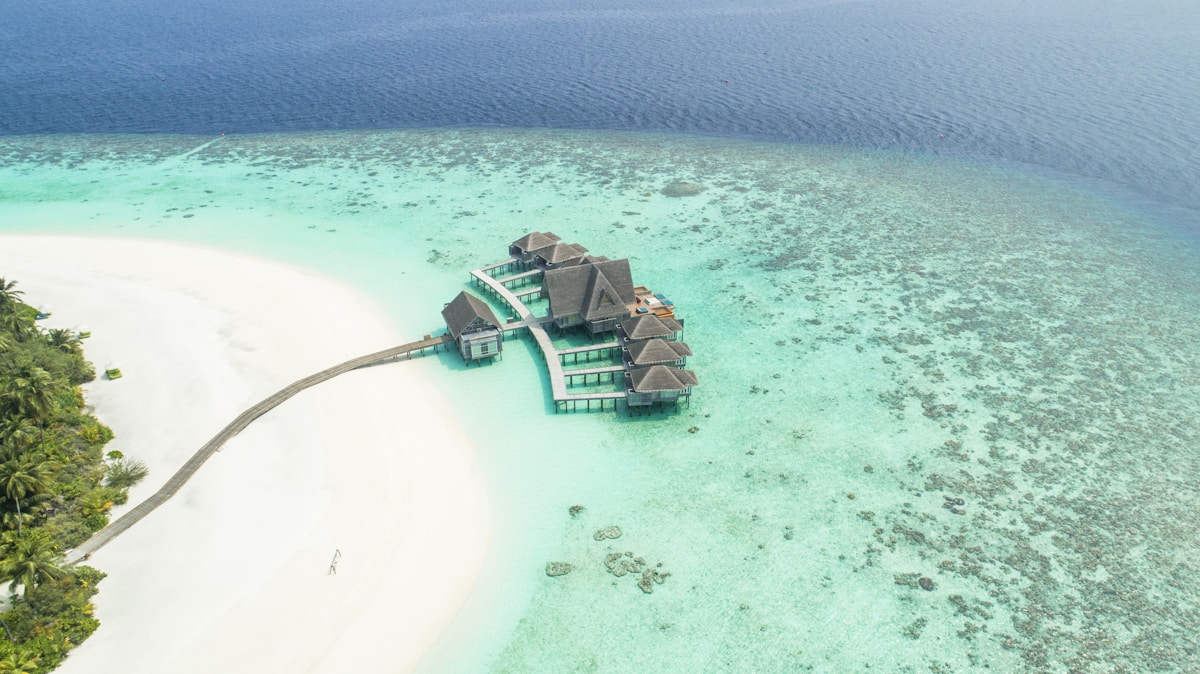
That overwater villa that costs Rs 80,000/night in December? Rs 35,000-45,000 in August. That all-inclusive resort package at Rs 5 lakhs? Down to Rs 2.5-3 lakhs. And the diving? Actually better — this is manta ray season on the western atolls. The water visibility on the east side remains excellent.
I did Maldives in late August. Had two rainy afternoons in six days. Every other day was sunny with that impossibly turquoise water. My resort (which would have been absurdly expensive in high season) offered a monsoon special that made it almost... reasonable?
Flight costs from India: Rs 15,000-25,000 return. Direct flights from multiple Indian cities to Malé. Some resorts offer speedboat or seaplane transfers from the airport — factor those costs in.
Visa situation: Visa on arrival for Indians. Free for 30 days. You literally just land, they stamp your passport, and you're in. The smoothest process of any country I've entered.
Who it's perfect for: Budget-conscious honeymooners who want that overwater villa photo without the peak-season price tag, divers who know that monsoon means manta rays, couples who can be flexible if a rainy day means staying in bed reading books (honestly, is that a hardship?).
7. Australia (Melbourne & Sydney) — Winter That Doesn't Feel Like Winter
Here's a counterintuitive pick: fly to Australia when India is flooded, and yes, it's technically winter there, but Australian winter in Melbourne and Sydney is milder than you'd expect.
July-September temperatures in Melbourne hover around 10-16°C. Sydney is slightly warmer at 12-18°C. For anyone from North India who's survived Delhi winters, this is nothing. You wear a jacket, maybe a light sweater, and you're comfortable. And while you're doing that, you're also avoiding Australian summer crowds, getting better hotel rates, and experiencing cities without fighting for brunch reservations.
I went to Melbourne in August for a work conference and extended the trip by a week. The weather was grey some days but perfectly walk-around-able every day. The cafe culture is incredible. The food scene is genuinely world-class. And Great Ocean Road in winter has this dramatic, moody beauty that's quite different from the summer postcard shots.
Flight costs from India: Rs 40,000-60,000 return. Sometimes sale fares drop to Rs 35,000. The long flight (12-14 hours to Melbourne) is the main downside, but direct flights from Delhi and Bangalore exist.
Visa situation: Australian visa for Indians is a proper process. Online application, costs around Rs 10,000, can take 2-4 weeks. They're thorough with documentation — bank statements, employment proof, travel history. Start early if you're planning this.
Who it's perfect for: City lovers who prefer coffee shops over beaches, anyone with friends or family in Australia (winter is visiting season), wine region enthusiasts (Hunter Valley, Yarra Valley are beautiful in winter), and people who are unbothered by mild cold.
8. Japan — Mountain Season, Weak Yen, Festival Everything
Japan in July and August gets a bad rap because of the humidity. Tokyo is sticky, sure. But here's what savvy travelers know: July-August is mountain season. The Japanese Alps are perfect for hiking, Hokkaido is comfortable, and the festivals — oh man, the festivals.
Gion Matsuri in Kyoto (July), Nebuta Matsuri in Aomori (August), Awa Odori in Tokushima (August) — this is peak Japanese festival season. Fireworks festivals every weekend across the country. The energy is incredible. And right now, the yen is historically weak against the rupee, making Japan more affordable than it's been in decades.
A bowl of ramen that cost effectively Rs 900 in 2019 is now Rs 550-600. Mid-range hotels have become budget-friendly. The famous Japanese convenience stores (7-Eleven, Lawson, Family Mart) feel like your budget meal discovery of a lifetime.
Flight costs from India: Rs 40,000-60,000 return. Occasionally drops to Rs 35,000 with the right timing. Japan Airlines and ANA offer quality service; budget options exist through Southeast Asian hubs.
Visa situation: Japanese visa for Indians requires an application through the embassy. Takes about a week once documents are submitted. You need the usual suspects — bank statements, employment proof, ITR, travel insurance. Valid for 15-90 days depending on what they grant you.
Who it's perfect for: Anime enthusiasts (obviously), foodies who want to experience the original before it gets fusion-ed at a Mumbai restaurant, culture vultures who'll appreciate a festival-heavy itinerary, hikers who want to escape beaches entirely and do mountains instead.
International Destinations During Indian Monsoon: Quick Comparison
Here's a side-by-side look at all eight international destinations during Indian monsoon to help you decide which escape suits your budget, timeline, and travel style:
| Destination | Weather (Jul-Sep) | Flight Cost (INR) | Visa | Best For |
|---|---|---|---|---|
| Bali | Dry, 27-30°C | 18,000-28,000 | On arrival | First-timers, couples |
| Dubai | Hot (45°C), all AC | 10,000-15,000 | E-visa (3 days) | Deal-hunters, families |
| Singapore | Steady, 25-32°C | 12,000-18,000 | E-visa (3 days) | Easy travel, families |
| Europe | Summer, 25-35°C | 35,000-55,000 | Schengen (4-6 weeks) | Once-in-a-while trips |
| Central Asia | Pleasant, 22-28°C | 25,000-35,000 | Visa-free (Kazakhstan) | Offbeat explorers |
| Maldives | Mixed, deals galore | 15,000-25,000 | On arrival (free) | Budget luxury seekers |
| Australia | Mild winter, 10-18°C | 40,000-60,000 | Online (2-4 weeks) | City lovers, foodies |
| Japan | Humid but festival-heavy | 40,000-60,000 | Embassy (1 week) | Culture enthusiasts |
But What About the Budget?
Look, I know what you're thinking. "This is all well and good, but can I actually afford an international trip during monsoon?"
Let me break it down practically. A Ladakh trip in July-August costs you Rs 60,000-80,000 per person including flights (which are expensive because everyone is booking), hotels (which are expensive because everyone is booking), and the constant worry about road closures from rain. A Coorg or Ooty trip means traffic jams worse than your daily commute, damp hotels, and the same crowds you were trying to escape.
Now compare: Singapore for 5 days costs Rs 55,000-75,000 all-in if you plan smart. Bali for a week can be done under Rs 80,000 including flights. Dubai during summer deals? Rs 50,000-65,000 for 4 nights at a 4-star.
The math often works out closer than you'd expect. And the experience? There's no comparison. You're getting sun, you're getting warmth, you're getting an actual escape from monsoon rather than just a geographical relocation within the same weather system.
Planning Your Monsoon Escape: Practical Steps
If you've read this far and you're seriously considering these international destinations during Indian monsoon months for July-September this year or next, here's how to actually make it happen:
- Start with visa timelines. If you're eyeing Europe, Australia, or Japan, you need to begin paperwork 6-8 weeks before travel. For visa-on-arrival destinations (Bali, Maldives), you have more flexibility.
- Book flights early. Set up Google Flights alerts for your route. Best prices usually appear 6-8 weeks before departure. Monsoon season flights FROM India are often cheaper because demand is lower.
- Check your destination's actual monsoon dates. Maldives southwest monsoon is May-October. Bali dry season ends in October. Japan's rainy season (tsuyu) ends in mid-July for most regions. Time your trip right.
- Get travel insurance that covers monsoon delays. Your flight out of Mumbai in August could be delayed. Insurance that covers rebooking costs is worth the Rs 1,000-2,000 premium.
- Tell someone you're actually doing this. The number of people who say "next year" every year is embarrassing. Book the flights. The rest follows.
You Don't Have to Survive Monsoon. You Can Escape It.
I used to dread June. The first rains would hit, everyone would post "chai and pakoras" stories, and I'd feel a familiar sinking feeling knowing three months of waterlogged commutes awaited. Now? June means I start checking flight prices.
There's a particular joy in landing at Changi Airport or touching down in Denpasar knowing that back home, your colleagues are navigating knee-deep water at that junction near your office. You've opted out of the collective misery. You've chosen sunshine.
Maybe it's Bali this year. Maybe you finally do that Europe trip you've been talking about since college. Maybe it's a quick Singapore escape or a budget-friendly deep-dive into Georgia's wine region. Whatever you choose, just know this: while India drowns, these international destinations during Indian monsoon are having their best weather. You're allowed to be there instead.
The monsoon isn't going anywhere. But you can. Let us help you plan your escape — we specialize in exactly these "wait, I can do that?" trips for Indian travelers who refuse to spend another July indoors waiting for the rain to stop.
How to Plan Your Monsoon Escape from India
Step-by-step guide to planning an international trip during Indian monsoon season (July-September)
Choose your destination based on weather and budget
Short-haul options like Singapore, Bali, and Dubai are cheaper but Dubai is hot. Europe and Japan cost more but offer perfect summer weather. Central Asia is the budget dark horse.
Book flights 6-8 weeks in advance
Monsoon season flights from India are often cheaper than peak season. Use Skyscanner or Google Flights to track prices. Book when you see a good deal - they go fast.
Check visa requirements early
Maldives is visa-free, Singapore needs a visa applied for only through an authorised visa agent, and most Indians need an e-visa for Georgia. Bali is visa-on-arrival. Dubai needs e-visa (2-3 days). Schengen, Japan, Australia need advance applications - start 4-6 weeks early.
Compare monsoon vs destination weather honestly
Research actual weather data for your travel dates. Bali in August is drier than Mumbai in August by a massive margin. Dubai is 45°C but everything is air-conditioned.
Book accommodation during shoulder season deals
Many destinations offer monsoon-season deals to Indians specifically. Dubai summer sales are legendary. Maldives resorts drop prices 40-50% during their green season.
Plan activities that suit the weather
In Dubai, focus on malls, indoor attractions, and evening desert safaris. In Bali, book outdoor activities for morning hours. In Japan, embrace the festivals and mountain hiking.
Pack for your destination, not India
You are escaping monsoon, so pack light summer clothes for Bali/Singapore, layers for European evenings, and light breathable fabrics for Dubai AC-to-outdoor transitions.
Get travel insurance covering monsoon-related delays
Your departure from India might face monsoon delays. Get insurance that covers flight delays, cancellations, and rebooking - essential during July-September travel from Indian airports.