US B1/B2 Tourist Visa for Indians: Complete Step-by-Step Guide 2026
In this guide (11)
- B1 vs B2 vs B1/B2: Which Visa Category Do You Need?
- US Tourist Visa for Indians 2026: Total Fees Breakdown
- Step 1: DS-160 Form for US Tourist Visa for Indians 2026
- Step 2: Pay the Fees and Schedule Your Appointments
- Step 3: The Interview — What Actually Happens
- Why Visas Get Rejected (and How to Avoid It)
- US Tourist Visa for Indians 2026: Interview Waiver (Dropbox)
- After Approval: Getting Your Passport Back
- Planning Your First US Trip
- Renewing Your US Visa
- Final Thoughts on Your US Tourist Visa for Indians 2026
I spent three weeks preparing for my first US tourist visa for Indians 2026 interview. Watched every YouTube video. Read every forum post. Practiced answers in front of my mirror like a nervous actor. Then I walked into the Mumbai consulate, and the officer asked me exactly two questions before stamping my passport. All that preparation for a 90-second conversation.
But here's the thing — those three weeks of preparation are exactly why it was 90 seconds. The US tourist visa for Indians 2026 process looks intimidating, but it follows a predictable pattern. Once you understand what they're actually looking for (spoiler: it's not your perfect English or your expensive suit), the whole thing clicks into place.
This guide walks you through every step of applying for a US tourist visa for Indians 2026 — from the confusing DS-160 questions to exactly what happens inside that interview room. No visa consultant sales pitch. Just the honest process from someone who's been through it, made mistakes, and learned what actually matters.
B1 vs B2 vs B1/B2: Which Visa Category Do You Need?
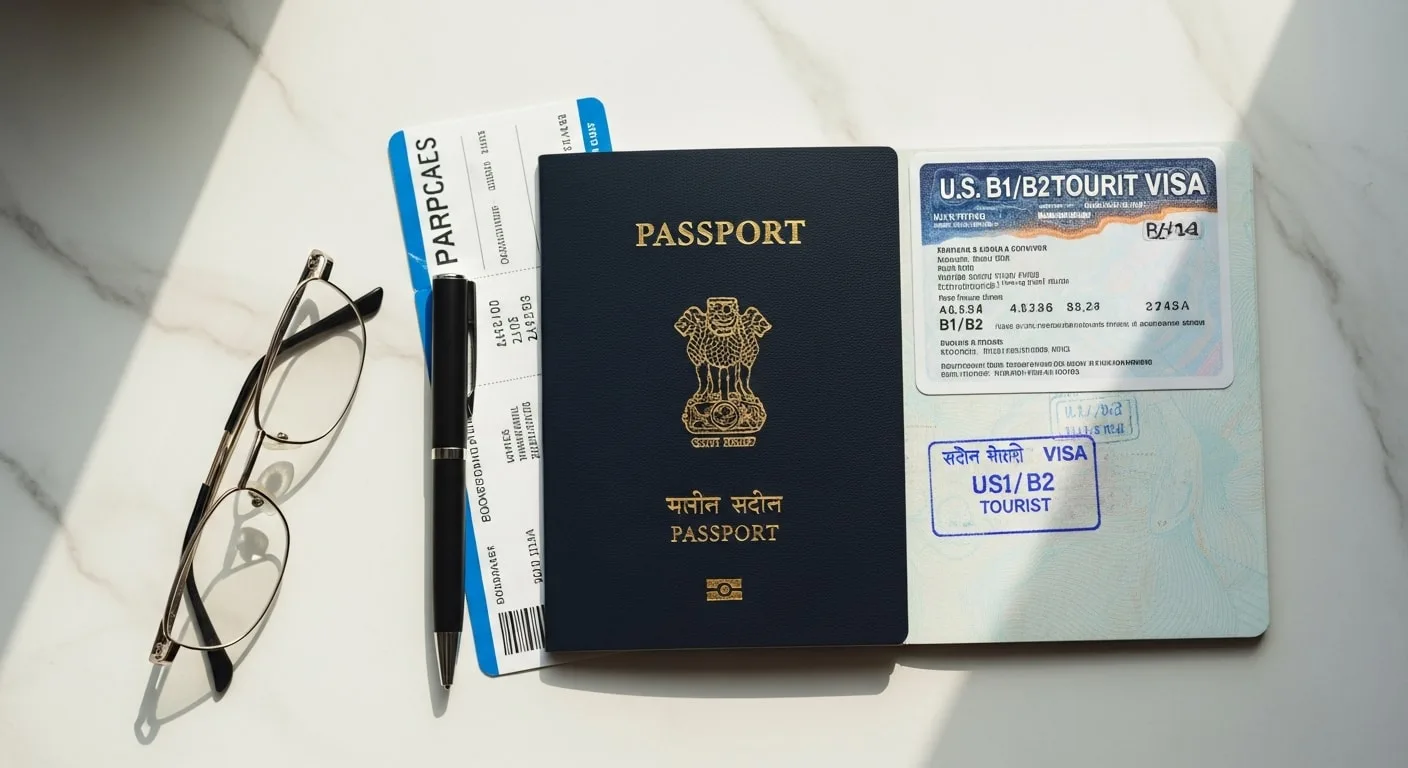
Let's clear up the confusion immediately. When people say "US tourist visa," they usually mean the B1/B2 combined visa — and that's almost certainly what you should apply for.
B1 (Business Visitor) covers meetings, conferences, negotiating contracts, and settling estates. You're not working or getting paid in the US — you're conducting business activities temporarily.
B2 (Tourist) covers tourism, visiting family and friends, medical treatment, and attending social events like weddings or graduations.
B1/B2 (Combined) covers both purposes. This is what 99% of Indian applicants receive. It gives you flexibility — maybe this trip is tourism, next trip is a business conference. Same visa covers both.
Unless you have a very specific reason to request only B1 or only B2, always apply for B1/B2. The fee is identical, and you get more flexibility. This is the standard US tourist visa for Indians 2026 that covers almost every travel purpose. I've used my B1/B2 for family visits, a friend's wedding, and two business conferences over five years.
US Tourist Visa for Indians 2026: Total Fees Breakdown
Let me break down exactly what you'll pay. The US added a new fee in 2024 that many guides don't mention clearly:
MRV Fee (Machine Readable Visa): ₹15,540 ($185 USD)
This is the basic visa application fee. Non-refundable. You pay this even if your visa gets rejected.
Visa Integrity and Border Security Fee: ₹20,750 ($247 USD)
This newer fee applies specifically to B1/B2 and several other non-immigrant visa categories. Also non-refundable.
Total: Approximately ₹36,290
You'll pay the MRV fee when scheduling your appointment through the US visa website. The second fee is collected separately. Budget for the full amount before you start — there's no partial application option.
No, visa consultants cannot reduce these fees. Anyone claiming "discounted visa processing" is either lying or charging you extra for services you can do yourself. These fees go directly to the US government.
Step 1: DS-160 Form for US Tourist Visa for Indians 2026
The DS-160 is the official visa application form, and it's notorious for being long, confusing, and prone to timing out. I've helped three friends complete theirs after they got stuck. Here's how to get through it smoothly.
Before You Start
Gather these documents first: your passport (every page with stamps), your last 10 years of travel history, employment details (company name, address, phone, supervisor name), education history, and addresses of places you've lived. You'll also need details about your US trip — where you're staying, who you're visiting (if anyone), planned dates.
Use Google Chrome or Firefox. The form sometimes glitches on Safari. Save your Application ID immediately — you'll need it to resume if the session times out (which happens often).
The Questions That Trip Everyone Up
"Do You Have a Travel Companion?"
This confuses people traveling with family who booked separately. If your spouse is applying too but you filed separate DS-160s, select "Yes" and enter their details. If you're meeting family already in the US, that's not a travel companion — they're your host, listed elsewhere.
"National Identification Number"
For Indians, enter your Aadhaar number. If you don't have Aadhaar, enter your PAN card number. Don't stress about this field — it's not a deal-breaker.
"Tribal/Clan Name"
Most Indians leave this blank. It's not relevant to typical Indian naming conventions. If you do have a clan/tribal affiliation, enter it.
Previous US Visas
Be completely honest. They can see your entire US visa history in their system. If you had a visa refused or revoked, explain it briefly and truthfully. Lying here is the fastest way to get banned.
"Have You Ever Been Arrested?"
This means formally arrested by police, not traffic challans or minor fines. If you were arrested but charges were dropped or you were acquitted, you still need to answer "Yes" and explain. Again — they often already know, and honesty matters more than a clean record.
The Photo Upload
Specifications: 600x600 pixels, 240 KB maximum, white or off-white background, taken within the last 6 months. No glasses. Neutral expression. Your face should cover 50-69% of the frame.
Free tools that work: Use the official US State Department photo tool to check your photo meets requirements before uploading. It rejects photos with shadows, wrong dimensions, or improper cropping.
Pro tip: Get your photo taken at a professional studio that does passport photos. Tell them it's for a US visa — they'll know the specs. The ₹200-300 you spend is worth avoiding upload rejections.
Step 2: Pay the Fees and Schedule Your Appointments
After submitting DS-160, you'll create an account on the US visa scheduling website (ustraveldocs.com for India). Here you'll pay the MRV fee and book two appointments:
OFC Appointment (Offsite Facilitation Center):
This is where you give biometrics — fingerprints and photo. VFS Global runs these centers. The appointment takes 15-20 minutes. Dress casually, arrive 15 minutes early, and don't bring electronics larger than a phone.
Consulate Interview Appointment:
This is the actual visa interview at the US Embassy or Consulate. More on this below.
Current Wait Times by City (Early 2026)
Wait times change constantly. Check the official website for current numbers, but here's the general pattern I've observed:
Mumbai: 90-120 days (relatively shorter)
Hyderabad: 90-120 days (similar to Mumbai)
New Delhi: 150-200 days (moderate)
Kolkata: 150-250 days (variable)
Chennai: 8-14 months (consistently longest waits)
If you're flexible on location, check all five consulates and pick the earliest available slot. Yes, it's worth flying to another city if it saves you six months of waiting. I know people from Chennai who flew to Mumbai specifically for faster appointments.
Book your OFC appointment at least 24-48 hours before your consulate interview. The biometrics must be completed first.
Step 3: The Interview — What Actually Happens
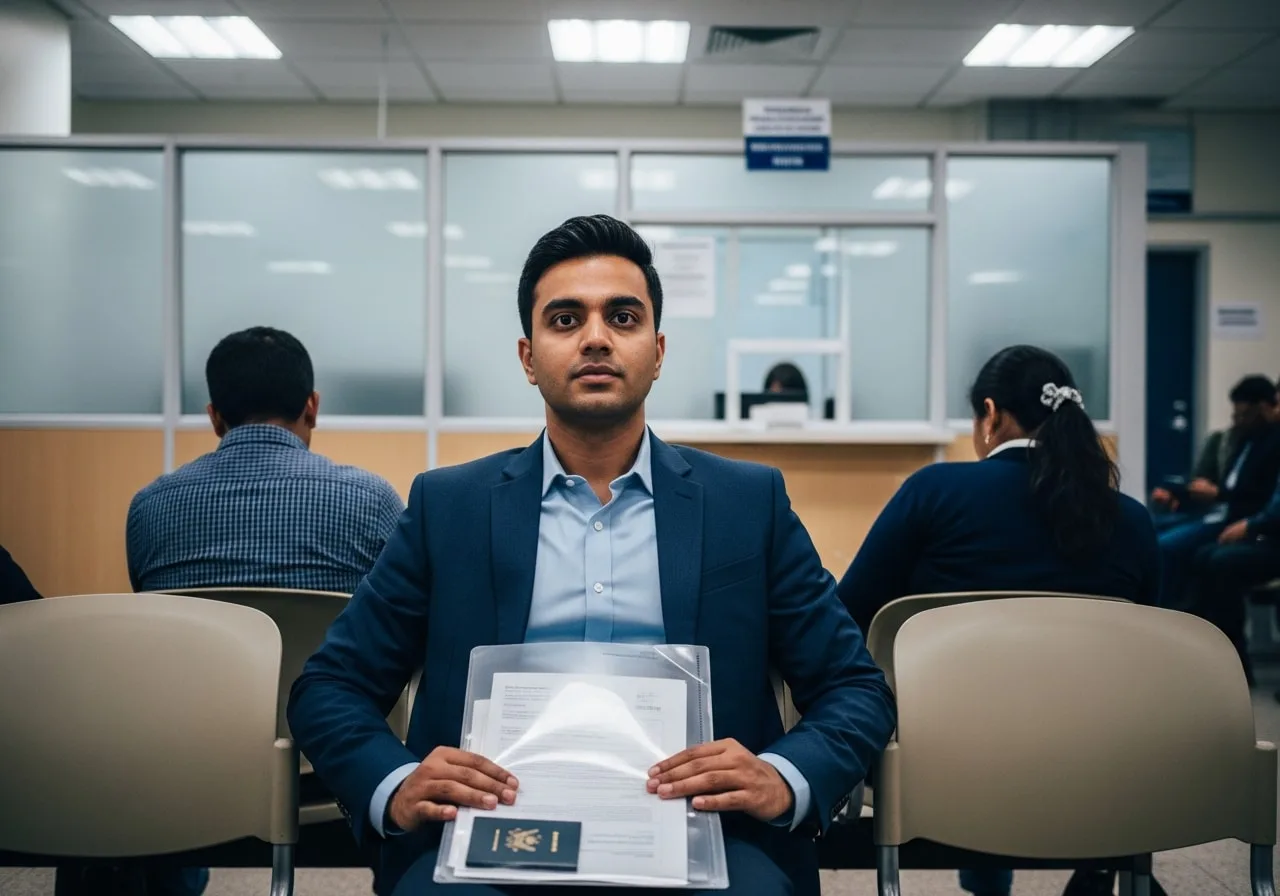
This is the part everyone obsesses over when applying for a US tourist visa for Indians 2026. You're standing in front of someone who decides whether your America trip happens or not. But understanding what they're evaluating changes everything.
What the Officer Is Really Looking For
They want to confirm one thing: Will this person return to India after their visit?
That's it. They're not testing your English. They're not judging your clothes. They're not trying to trick you. They're assessing whether you have compelling reasons to come back to India after your trip.
This is what "strong ties to India" means — evidence that your life is here and you're visiting the US temporarily, not trying to immigrate through the back door.
Documents That Prove Strong Ties
Bring originals and copies of everything. You probably won't be asked for most of these, but having them ready shows preparation:
- Employment letter stating your position, salary, joining date, and approved leave for the trip
- Last 3 months salary slips and bank statements showing regular deposits
- 3 years of ITR (Income Tax Returns) — this is huge for proving stable income
- Property documents if you own a house, land, or apartment
- Business registration if you're self-employed, plus GST returns or financials
- Marriage certificate if your spouse is staying in India while you travel
- Children's school enrollment documents if you have kids in India
- Bank statements showing sufficient funds for the trip (₹5-10 lakhs is generally comfortable for a tourist visit)
- Travel itinerary — flight bookings (can be tentative), hotel reservations, planned activities
If you're visiting family in the US, bring their details: name, address, relationship, and their immigration status (citizen, green card, etc.).
Common Interview Questions
The interview typically lasts 2-5 minutes. Some common questions:
- Why do you want to visit the US?
- Where will you stay? Who will you visit?
- What do you do for work? How long have you been there?
- Who is funding this trip?
- Have you traveled internationally before?
- When will you return to India? What brings you back?
Answer directly and briefly. Don't ramble or volunteer unnecessary information. If they ask about your work, say "I'm a software engineer at Infosys in Bangalore for the past four years" — not a 10-minute explanation of your career trajectory.
If you don't understand a question, ask them to repeat it. Better than guessing and giving an irrelevant answer.
What to Wear
Business casual is fine. You don't need a suit. Clean, neat, professional clothing. What you'd wear to a job interview at a decent company. Some people overthink this — I've seen approval stamps go to people in kurtas and jeans alike. It's about looking put-together, not expensive.
What NOT to Do
- Don't memorize scripted answers — officers spot rehearsed responses instantly
- Don't lie about anything, even small things
- Don't argue if they seem skeptical — stay calm and provide clarification
- Don't bring a stack of 200 documents — organize essentials, leave extras in your bag
- Don't take photos or record inside the consulate (obvious, but people try)
Why Visas Get Rejected (and How to Avoid It)
Section 214(b) refusals are the most common — essentially meaning the officer wasn't convinced you'd return to India. This isn't a permanent ban. You can reapply. But understanding why helps you prepare better.
Weak financial documentation: Bank balance alone isn't enough. They want to see consistent income, not a sudden large deposit two days before the interview. If someone gifted you money for the trip, have documentation proving their relationship and their own finances.
No clear ties to India: Young, single applicants with no property and a short job history face more scrutiny. This doesn't mean you can't get approved — just means you need to clearly articulate your reasons for returning (career growth, family obligations, future plans in India).
Inconsistent information: If your DS-160 says you're visiting for two weeks but you tell the officer "maybe a month or two," that's a red flag. Be consistent across all your documents and statements.
Previous overstays or violations: If you've overstayed a previous US visa or any other country's visa, this is a serious issue. Be honest about it and have documentation showing your circumstances have changed.
For a deeper look at rejection reasons and reapplication strategy, read our complete guide on visa rejection reasons and how to reapply.
US Tourist Visa for Indians 2026: Interview Waiver (Dropbox)
If you've had a US visa before, you might not need an in-person interview. The "dropbox" process lets you submit documents without facing an officer.
You qualify if:
- Your previous US visa was issued when you were 14 years or older
- Your previous visa expired within the last 48 months (4 years)
- Your previous visa was never refused, revoked, or had any administrative issues
- You're applying for the same visa category (B1/B2 to B1/B2)
- You're not flagged for any security clearance
The dropbox process is faster — you submit documents at the OFC, and your passport with the new visa stamp arrives in about 1-2 weeks. However, the consulate reserves the right to request an interview even for dropbox-eligible applicants.
I used dropbox for my renewal. Submitted documents on a Monday, had my stamped passport by Thursday the following week. Much less stressful than the original interview.
After Approval: Getting Your Passport Back
If the officer says "Your visa is approved," congratulations. But you're not done yet. They keep your passport for stamping.
You'll choose during scheduling whether to pick up your passport at the VFS center or have it couriered home. Courier is more convenient — one less trip to make. Typical timeline is 4-7 business days after approval, though it can take longer during peak season (March-May for summer travel).
Track your passport status on the US visa website using your application ID. It updates when your passport is shipped.
Planning Your First US Trip
With a stamped visa in hand, you can now book confirmed tickets and accommodation. A few things to know: For a complete breakdown of costs, itineraries, and practical tips, see our USA trip from India cost and planning guide.
Visa validity vs. permitted stay: Your B1/B2 visa is likely valid for 10 years with multiple entries. But that doesn't mean you can stay 10 years. Each entry allows up to 6 months stay, and the immigration officer at your arrival airport decides the exact duration — typically 3-6 months based on your stated purpose.
Immigration at the US airport: Yes, there's another round of questioning when you land. It's usually shorter than the visa interview, but bring the same documents. They might ask about your plans, where you're staying, and when you're leaving. If you're nervous about airport immigration, check out our airport immigration guide for first-time Indian travelers.
EVUS Registration: Before your trip, register on the Electronic Visa Update System (EVUS). It's free, takes 20 minutes online, and is required for B1/B2 visa holders from India. The registration is valid for 2 years or until your passport expires, whichever comes first. Set a calendar reminder to renew it before future trips.
Renewing Your US Visa
When your visa approaches expiration (or expires), you'll need to reapply. The good news: renewals are often easier than first-time applications, especially if you qualify for dropbox.
Even if your visa expired more than 48 months ago (no dropbox eligibility), your previous approval record works in your favor. The officer can see you were granted a visa before and that you returned to India as promised.
Apply 3-6 months before your intended travel date, accounting for current wait times. And make sure your passport has adequate validity — US visas can't be issued in passports expiring within 6 months of your travel dates.
Final Thoughts on Your US Tourist Visa for Indians 2026
Applying for a US tourist visa for Indians 2026 looks complicated because there are many steps and the stakes feel high. But thousands of Indians get approved every single day. The consulates processing US tourist visa for Indians 2026 applications aren't looking for reasons to reject you — they're looking for confidence that you'll use the visa properly and come home.
Prepare your documents thoroughly. Fill out the DS-160 carefully. Answer interview questions honestly and directly. Show that your life is firmly rooted in India and that America is a visit, not an escape.
I remember walking out of that Mumbai consulate with my approval slip, feeling like I'd passed some enormous test. Looking back, the hardest part wasn't the interview — it was the anxiety leading up to it. Once you're prepared, the process takes care of itself.
Good luck with your application. The US is worth the paperwork.