

Taking Drone Abroad from India: Rules You Must Know
I watched a guy at Changi Airport argue for 20 minutes while an officer put his brand-new DJI in a locked customs cupboard. He had flown it legally in Goa the week before. That did not matter. And that is the exact trap many Indian travellers fall into when taking drone abroad for the first time.
If you own a consumer drone in India and think you can just pack it for Singapore, Dubai, Thailand, Bali, Malaysia or the Maldives, you need a reset. Taking drone abroad means you enter a whole new legal system the moment you land. So this guide shows how that system works, what can go wrong at the border, and how you can keep your gear safe. It does so without fixed fees or permit names, because those change often.
Taking Drone Abroad: Why Your Indian Registration Means Nothing at the Border
India runs its own drone rules through the DGCA and Digital Sky. But no other country must honour them. When you are taking drone abroad, the place you land sees your drone as a new aircraft in its sky. In fact, many places also see it as a controlled import.
So a drone that flies fine in Hyderabad can still get you in trouble in Phuket or Dubai. The foreign aviation body will not check your Indian paper. Instead it will ask three things. Did you get our approval first? Does this drone need local registration? Do you hold a local permit to fly it?
Also, customs and aviation are two separate gates. Even if the airline lets you carry the drone, border officers can still hold it on arrival. I have seen travellers clear Indian security with no question, then lose the drone overseas. That mix-up is common when taking drone abroad for the first time.
For that reason, treat your Indian registration as valid only in India. Outside India, you start from zero.

What Happens If You Get It Wrong at Customs?
Officers can keep your drone till you leave, seize it, or fine you. And if you fly in the wrong spot, the penalty can grow larger.
Most travellers expect a warning. However, many island and city hubs class drones as controlled imports unless you have prior approval. So the range of outcomes is wide when taking drone abroad without that approval.
At the mild end, officers hold the drone in a bonded store at the airport. You get a receipt and you collect it when you fly out. You lose all use of it on the trip, but you get it back. At the strict end, they seize it as a banned item and you may not get it back. Or they let it in but they charge a fine.
And if you fly without approval near an airport, port, army site or palace area, police can treat that as a separate offence even if customs let the drone in.
Meanwhile, airlines cannot save you here. Your boarding pass is not a customs pass. So even though your airline in India accepted the bag, the arrival country can still act in a different way. That split is why many people get caught out while taking drone abroad.
The General Framework Most Countries Use (And Why Details Keep Changing)
I will not list fixed permit names, fees or weight limits here. Those shift every few months and last summer's rule may already be old. Still, most places Indian tourists love follow a similar logic. And when you grasp the pattern, you can ask the right questions before taking drone abroad, even as small rules shift.
1. Import permission or a customs declaration
Some countries want prior approval before you even bring a drone in, even if you never plan to fly it. Others just want you to declare it at the border so they can log it. Because the rule can go either way, the safest move before taking drone abroad is to check both the civil aviation site and the customs site. If a form exists, fill it before you pack.
2. Registration of the aircraft above a weight threshold
Most regulators set a weight cut-off where you must register the drone. Below that, they may allow simple fun flying with fewer steps. Above that, you must register on their portal. Since limits change, do not trust a six-month-old video. Instead, check the current chart before taking drone abroad.
3. An operator permit or licence for many kinds of flying
A short hop in an open field and a shoot for reels in a city often fall under different rules. Many regulators want an operator permit, online course or licence if you fly at night, beyond line of sight, or for any paid work. And in some places, a monetised vlog counts as paid work. So a holiday video can push you into the permit group. That nuance trips up many people taking drone abroad for Instagram reels.
4. Blanket no-fly zones that apply to everyone
Even where you can fly, you cannot fly everywhere. Expect hard bans over airports and flight paths, army and govt sites, ports, and often over crowds, packed beaches, temples and heritage zones.
Temporary bans can also pop up for events, VIP moves or bad weather. So even with approval, check the live no-fly map on the day you plan to fly.
Also, national law is just one layer. Resorts, parks, temples and heritage sites often ban drones through house rules, even when national law would allow a flight. I have seen beach resorts in the Maldives and temple courts in Bali with a clear ban sign at the gate. That local rule matters a lot when taking drone abroad for resort shots.

Taking Drone Abroad to Singapore, UAE, Thailand, Bali and Malaysia: What to Actually Expect
Each of these favourites runs a slightly different process, but you will see the same pattern. Use this as a general picture, then check the official source before you fly. If you are taking drone abroad to any of them, start your checks two to three weeks before you go.
In Singapore, control is tight and officers enforce it well. Expect an online step and strict bans near the airport, army areas and the central business zone. Because the city is dense and much of its sky is controlled, you can fly in very few spots even with approval. So many visitors taking drone abroad to Singapore find they cannot legally fly at Marina Bay at all.
In the UAE, the focus is on registration and prior approvals. Officers enforce the rules hard near airports and govt areas. City flying in Dubai often needs approvals that a short-term tourist cannot get in time. So many holiday makers taking drone abroad to the UAE never get to fly, even after they bring the gear.
In Thailand, many tourist islands and Bangkok have bans tied to airports, parks and crowd safety. Park rangers and hotel staff will stop you even if you saw no sign. So people taking drone abroad to Thailand often think a quiet beach is fine, but a beach near an airport or park may still be off limits.
In Indonesia and Bali, you often face import checks plus separate flight rules, plus very local bans at temples, rice terraces and beach clubs. A temple rite can trigger an instant no-drone rule even where flights were fine the day before. So stay flexible when taking drone abroad to Bali.
In Malaysia, expect a registration and permit step for many drones, with bans over airports, Putrajaya and some heritage zones. What shocks many visitors taking drone abroad to Malaysia is how often local councils or park offices add their own bans on top of national rules.
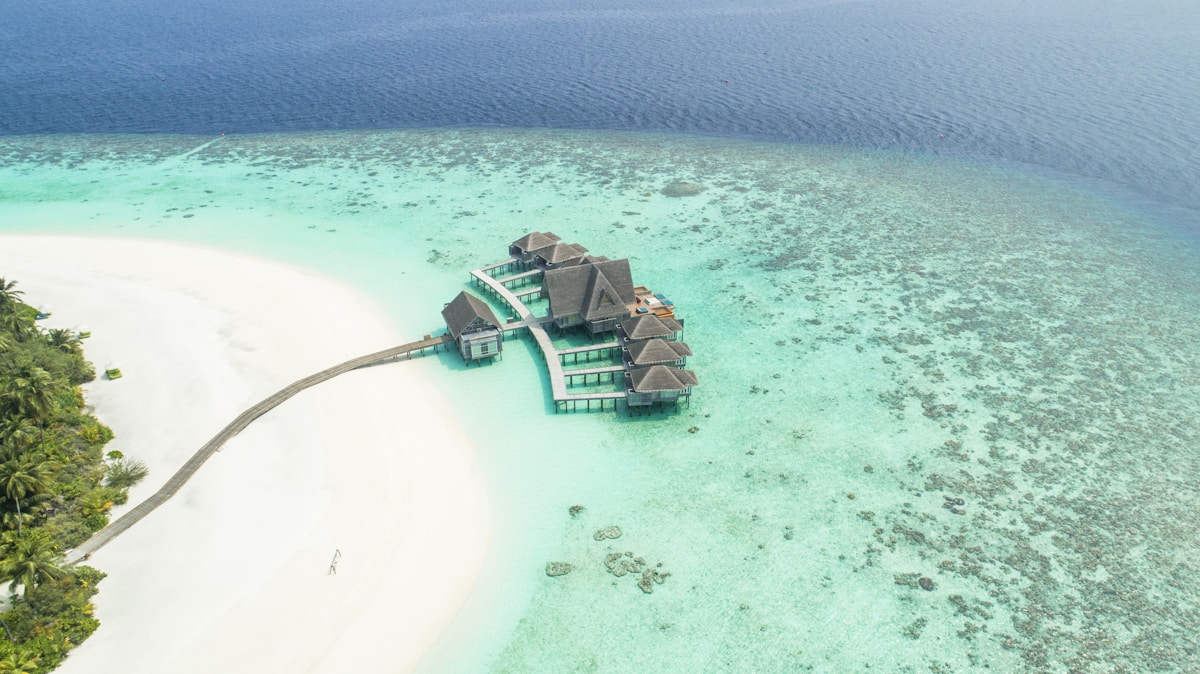
In the Maldives, many resorts ban guest drones outright for privacy, even when national rules would allow a permit. Overwater villa jetties look perfect for sky shots, but the resort may still say no. So if you are taking drone abroad to the Maldives just for villa shots, ask the resort in writing before you pack. Our team at TripCabinet always checks this for guests who book Maldives tour packages because resort rules change without notice.
The thread is simple. Taking drone abroad means you must clear two layers: national permission and local site permission. One without the other still keeps you on the ground.
Why Resorts, Parks and Temples Can Say No Even When the Country Says Yes
This rule annoys creators the most. You do the homework, you get the national nod, you reach a famous temple or park, and the guard points at a small no-drone sign.
National aviation law sets the base line. But the land owner or trust sets the final call for that site. Parks block drones to shield wildlife from noise. Temple boards block them to guard rites and privacy. Beach resorts block them to guard guest privacy. So even where the aviation body would allow a flight, the site can still refuse. And in fact, staff on site rarely debate. They just stop the flight.
So email the hotel or resort before you travel and get a clear written reply. Ask: do you allow guest drones anywhere on site, and if yes, where and when? If you plan a park trip, check the park site or office. That one email can save you from hauling 2 kg of gear you never use.
Also, think about privacy. If you film other guests at a pool or on a beach, even by mistake, you can trigger a complaint even where the flight itself was legal. So keep a clear gap from people, balconies and private villas.

How to Pack, Declare and Carry Your Drone Without Drama at the Airport
Good paper work and smart packing will not guarantee you can fly, but they cut the risk of a customs hold. So treat the airport steps as seriously as the flight steps when taking drone abroad.
Declare, do not hide
If the arrival card or customs lane asks about controlled items, declare the drone. If you hide it in a camera bag and officers spot it on X-ray, it looks worse. So carry proof of purchase, the invoice with the serial number, and a snap of any approval mail with its ref number. Keep these in hand baggage so you can show them fast.
Batteries travel differently from the body
Your drone battery is a lithium battery and airlines class it as risky goods. Most airlines follow a clear pattern:
- Carry spare lithium batteries in cabin baggage only, never in checked bags.
- Cover terminals with tape or a battery case and keep each battery in its own pouch.
- Respect the watt-hour limits the airline lists. Many airlines allow up to 100Wh with no extra step and ask for airline approval for 100Wh to 160Wh. They rarely allow batteries above 160Wh for passengers.
Because limits shift by airline, check your airline page before you fly. Also see our guide on Power Banks on Flights: The Rules Indian Travellers Get Wrong for how watt-hour maths works. The same logic covers drone batteries.
Packing tips that actually help
Put the drone body in your cabin bag if you can, with props off or guarded. That avoids rough handling and shows you have nothing to hide. Carry the invoice, not just a photo of the box. And if Indian customs asks on your return, you can prove you took the drone out and you now bring your own gear back. That helps you avoid duty questions.
Finally, keep the drone packed till you confirm you can fly at that spot. Officers view a drone primed to launch on a beach in a very different way from one zipped in its case at the hotel.
Taking Drone Abroad vs Hiring a Licensed Local Operator: Do the Maths
Here is the honest trade-off most holiday makers need before they chase aerial clips.
| Option | Typical Cost for a Short Holiday | Risks and Hassle |
|---|---|---|
| Bring your own drone | Airline bag fees may apply; batteries and case cost; risk of hold or seizure if paper is missing | You handle import approval, registration, permits and no-fly checks. One miss can ground you for the whole trip. |
| Hire a licensed local operator | Often ₹8,000–₹25,000 ($95–$300) for a short shoot based on city and output | Operator holds approvals, cover and local know-how. You get legal aerial shots with no risk to your own gear. |
For most one-week trips, hiring costs less and feels calmer than doing it all yourself. A local licensed operator already holds local registration and sky approvals. He knows which beach is open that day and what the resort allows. So you still get the aerial clip for your reel, but you avoid the risk of your own drone sitting in a customs cupboard in Singapore or Dubai.
If you love to fly and you own good gear, start early and add approval costs to your trip budget. And accept that you may still not fly at some spots. That mind-set helps hobbyists taking drone abroad with their own kit.
TripCabinet can link you to vetted local operators when you book through us, whether you pick Singapore tour packages, Dubai tour packages or Bali tour packages. We also run the hotel checks so you know before you pack if your resort allows guest drones. Our team handles the bookings, so you do not need to chase permits on your own.
Pro Tips Only Frequent Flyers Learn After Taking Drone Abroad
These small tricks save gear, time and pride. I learned most of them the hard way after a few trips watching others get stopped.
The golden rule: check the civil aviation site before you pack, declare at customs, and never launch till you check both the national map and the local site rule.
- Start 15–20 days before you fly. Some approvals take days, not hours. So build that time into your plan. Taking drone abroad at the last minute is how people lose gear at the border.
- Save offline copies. Take snaps of your approval, registration and no-fly map. Airport Wi-Fi can fail when an officer waits.
- Ask the resort in writing. A short mail that says guest drones are not allowed still helps. It tells you to leave the drone at home and save bag weight.
- Do not fly on day one. Use the first day to confirm local bans. A beach that allowed drones yesterday can close today for an event.
- Keep flights short and low risk. If you have approval, stay in line of sight, avoid crowds, and do not fly over people, roads or private villas. That keeps you well inside most fun-fly limits.
- Carry a simple kit. Tape for terminals, a small battery pouch, and a printed invoice weigh almost nothing but solve many officer questions fast.
Also, reset your hopes for content. One legal ten-minute flight at an open beach can give you enough aerial footage for a whole reel. You do not need to fly each day. In fact, if you fly often as a tourist, you raise the odds of hitting a short-notice ban you missed.
Practical Info for Indian Travellers Planning to Fly
Use this quick list before taking drone abroad. It keeps you on the right side of customs and aviation rules, even when fees and limits have shifted since this post went live.
Research checklist
- Check the civil aviation site for import rules and the need for registration or operator approval. Do not rely on forums alone.
- Check the customs or border force site to see if you must declare drones on arrival.
- Check your airline's lithium battery page for watt-hour limits and approval steps. See Drone regulation overview on Wikipedia for how rules differ by country, then verify on the official national site.
- Mail your hotel or resort to confirm their guest drone policy in writing.
- Load the official no-fly map for that country and check it again on the morning you plan to fly.
What to carry
- Drone with serial number clear to see, plus proof of purchase and invoice.
- Any approval mails or registration slips, both printed and on your phone.
- Batteries in carry-on with terminals covered, within airline limits.
- Manual or spec sheet that shows weight and battery watt-hours, in case officers ask.
Costs to keep in mind
Beyond approvals, budget for extra bag weight if you carry a hard case, and for a possible bonded store fee if customs holds the drone. For most short trips to tight cities, hiring a local for one shoot costs less than the full hassle of bringing your own gear and risking no use at all.
If you want a managed trip where we do these checks for you, our team can plan it end to end. For island stays, our Maldives Family Package - 4 Nights 5 Days All-Inclusive Island Resort and Bali Budget Package - 4 Nights 5 Days Kuta & Ubud Highlights from India include pre-travel tips on what you can and cannot bring, so you pack only what you will use. And our broader Singapore Vape Ban guide for Indians is a good reminder that officers treat banned items with care at these borders.
Finally, note that taking drone abroad is not just about where you take off. It is also about where you share the footage. Some places have extra rules on publishing aerial shots of key sites. So even if the flight was fine, a post of a key site can still cause trouble. When in doubt, ask before you post.
I still love to travel with a drone, but I leave it at home more often now. A calm trip with one legal flight beats a tense one where your best camera sits in a customs locker. So check first, declare with care, and be ready to hire a local when taking drone abroad just is not worth the risk.