

Beyond the Water Villa: Why Indians Are Missing the Maldives' Manta Ray Season
In this guide (11)
- The Great Maldives Timing Myth
- Understanding Maldives Manta Ray Season: May to November
- Hanifaru Bay: The Heart of Maldives Manta Ray Season
- South Ari Atoll: Year-Round Mantas and Whale Sharks
- The Real Monsoon Weather Experience
- Maldives Manta Ray Season Prices: 40% Less for 400% More Wildlife
- Beyond Mantas: What Else Maldives Manta Ray Season Brings
- Planning Your Maldives Manta Ray Season Trip from India
- Who Should Skip Monsoon Season
- A Final Note From Hanifaru Bay
- Maldives Manta Ray Season: Practical Information
The Maldives manta ray season showed me something extraordinary last August — 47 manta rays spiraling beneath me in a plankton-fueled feeding frenzy at Hanifaru Bay. The water churned with their synchronized ballet — three-meter wingspans gliding past my mask, close enough to see the unique spot patterns on their bellies. Meanwhile, my WhatsApp buzzed with messages from friends planning their "perfect" December Maldives honeymoon, ready to pay triple for an empty reef and a cocktail sunset.
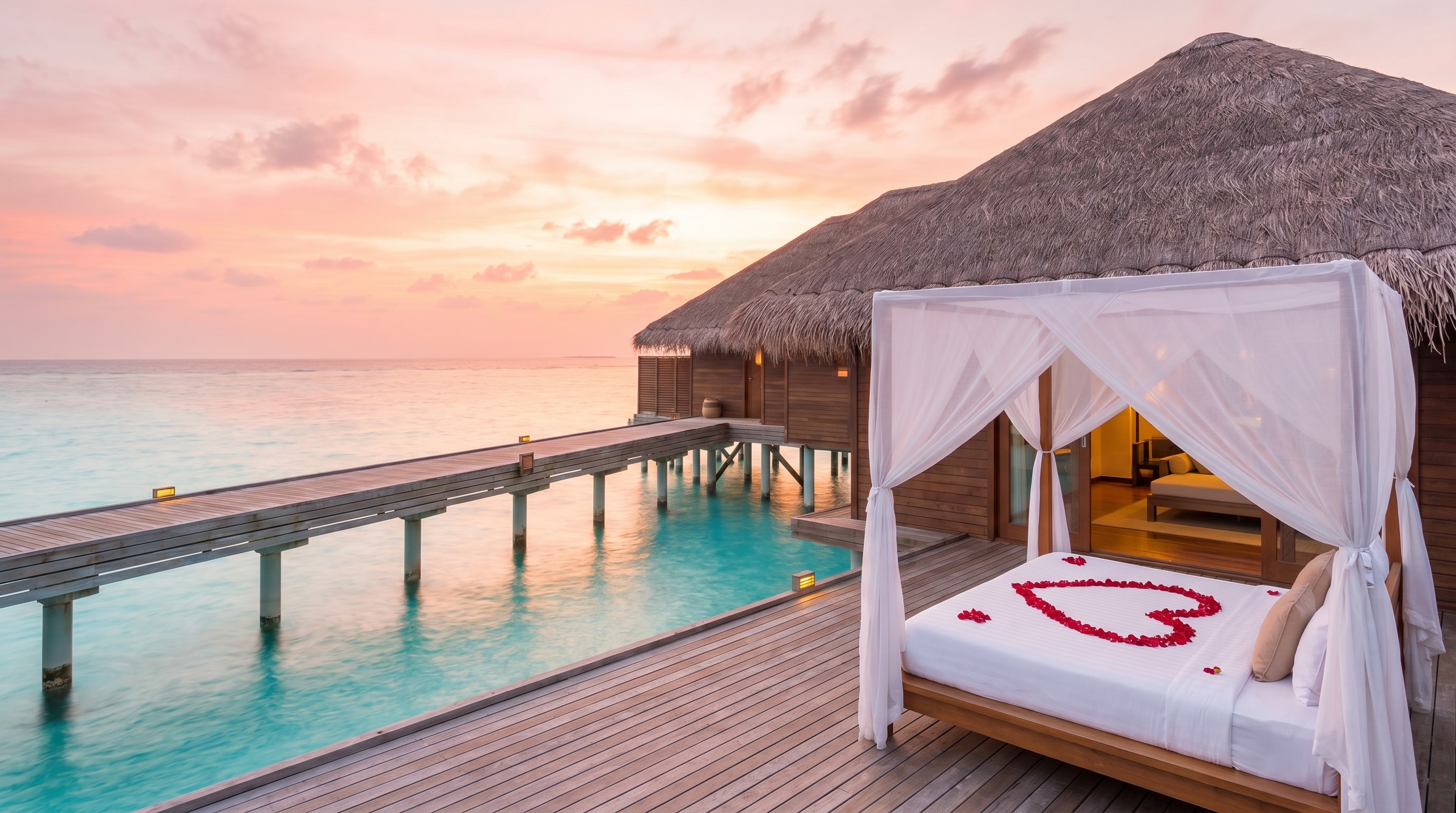
Here's the uncomfortable truth about Maldives manta ray season that no travel agent will tell you: the "off-season" everyone avoids is actually the main event. While Indians obsess over peak season water villas (November-April), they're missing the Maldives' greatest natural spectacle — and paying premium prices for the privilege of seeing less.
The Great Maldives Timing Myth
Every Maldives guide repeats the same advice: visit between November and April for "perfect weather." This isn't wrong — it's just incomplete. The dry northeast monsoon does bring more consistent sunshine. But it also brings depleted reefs, scarce megafauna, and resorts charging USD 2,000/night because they can.
The southwest monsoon (May-November) transforms the Maldives into something far more alive. Plankton blooms surge through channels between atolls. These microscopic clouds attract filter feeders — whale sharks cruise through South Ari, manta rays congregate by the hundreds, and cleaning stations buzz with activity. This is when the Maldives stops being a postcard and starts being an ecosystem.
I've visited the Maldives in both seasons. December trips gave me Instagram content and a tan. August trips gave me experiences I'll remember until I die.

Understanding Maldives Manta Ray Season: May to November
Manta rays don't vanish during peak season — you can spot them year-round at certain sites. But the difference between "spotting a manta" and "swimming through a cyclone of mantas" is the difference between seeing a tiger at a zoo and watching a hunt on the Serengeti.
The Science Behind the Season
The southwest monsoon reverses ocean currents, pushing nutrient-rich water from the deep Indian Ocean into Maldivian channels. These nutrients fuel explosive plankton growth. Manta rays, which filter-feed on zooplankton, follow this buffet through the atolls.
Peak manta activity runs from June through October, with absolute mayhem in July and August. During these months, Hanifaru Bay in Baa Atoll becomes the world's largest known manta feeding station. On exceptional days, 200+ mantas gather in a space the size of two football fields.
Water Conditions During Monsoon
Forget the images of grey skies and rough seas. Maldives monsoon weather follows a predictable pattern: mornings often start clear, clouds build in the afternoon, rain falls for 30-60 minutes, then sunshine returns. I've had more uninterrupted beach days during monsoon than during some December trips.
Water temperature stays warm — 28-29°C throughout monsoon season. You won't need a wetsuit unless you're doing multiple long dives. Visibility averages 15-25 meters, occasionally dropping to 10 meters after storms but rarely affecting manta encounters since the rays come to you.
Hanifaru Bay: The Heart of Maldives Manta Ray Season
If you visit the Maldives during manta season without going to Hanifaru Bay, you've made a mistake. This UNESCO Biosphere Reserve in Baa Atoll hosts the most reliable large-scale manta feeding events on Earth.
What Makes Hanifaru Bay Special
Hanifaru Bay isn't technically a bay — it's a narrow channel that creates a natural plankton trap. During incoming tides, currents push plankton into the channel where it accumulates. Mantas have learned this pattern over generations. They arrive like clockwork when conditions align.
The experience is snorkeling only — diving is prohibited to protect both mantas and snorkelers. This actually works in your favour. Mantas feed near the surface, often within one meter of snorkelers. You don't need dive certification to have a life-changing encounter.
Logistics for Indian Travelers
Hanifaru Bay requires a permit (around USD 25-30) and must be visited with a licensed guide. Most resorts and liveaboards in Baa Atoll include Hanifaru excursions during manta season. The site limits daily visitors to reduce impact on feeding mantas.
From India, fly to Malé (direct flights from Mumbai, Delhi, Bangalore, Chennai). From Malé, take a seaplane (30 minutes) or domestic flight + speedboat to Baa Atoll resorts. Budget around INR 15,000-20,000 for return seaplane transfers.
Best resorts for Hanifaru Bay access include Soneva Fushi, Anantara Kihavah, Amilla Fushi, and Milaidhoo. The Four Seasons Landaa Giraavaru operates a marine research center and offers excellent manta programs.

South Ari Atoll: Year-Round Mantas and Whale Sharks
While Hanifaru Bay steals headlines, South Ari Atoll quietly delivers the most consistent manta encounters during Maldives manta ray season. This atoll hosts a resident manta population that hangs around cleaning stations throughout the year, with numbers swelling during monsoon.
Key Manta Sites in South Ari
Maamigili — This cleaning station sits at diveable depths (12-18 meters) and sees mantas daily. The site also attracts whale sharks, creating occasional double-feature days that make underwater photographers weep with joy.
Rangali Madivaru — Adjacent to the Conrad Maldives, this channel produces reliable manta sightings. The resort's ITHAA undersea restaurant sits nearby, making for a surreal dinner backdrop.
Dhigurah — A local island with budget guesthouses and manta-guaranteed snorkel trips. Dhigurah proves you don't need a USD 1,500/night resort to swim with mantas.
Diving vs Snorkeling in South Ari
Unlike Hanifaru Bay, South Ari allows diving at most manta sites. This opens options for non-swimmers or those uncomfortable with surface snorkeling in current.
For certified divers, cleaning station dives offer extended manta time. You descend to the cleaning station, settle on the sandy bottom at a respectful distance, and wait. Mantas arrive to have cleaner fish remove parasites — they'll hover almost motionless, sometimes approaching curious divers.
Snorkeling works equally well at many sites. Morning trips often find mantas at shallower cleaning stations before they descend for the day. I've had 15-minute snorkel encounters where mantas circled back repeatedly, seemingly curious about the strange bubble-less creatures floating above.
The Real Monsoon Weather Experience
Let me kill the monsoon myth with specifics. I've tracked my weather during seven monsoon-season Maldives trips. Actual rainfall disrupted less than 15% of planned activities. Most "rainy days" delivered 4-5 hours of usable sunshine.
What to Actually Expect
June: Transition month. Mix of dry and wet days. Seas can be choppy on western atoll sides. Mantas arriving in numbers.
July-August: Peak monsoon and peak mantas. Expect afternoon showers most days. Morning dives and snorkels usually have excellent conditions. This is Hanifaru Bay's best period.
September-October: Monsoon weakening. More sunshine, fewer showers. Mantas still plentiful. Excellent value as it's technically still "off-season" pricing.
November: Transition back to dry season. Unpredictable weather but improving. Last chance for reliable manta gatherings before they disperse.
Dealing with Rough Seas
Western atoll exposures catch monsoon swells. If you're prone to seasickness, choose resorts on eastern sides of atolls or opt for liveaboard vessels designed for stability. Alternatively, book resorts with house reefs — you can snorkel directly from shore regardless of sea conditions.
Transfer logistics sometimes shift during monsoon. Seaplanes don't fly in heavy rain, occasionally causing 1-2 hour delays. Build buffer time into your arrival and departure days.

Maldives Manta Ray Season Prices: 40% Less for 400% More Wildlife
Here's where Maldives monsoon travel becomes mathematically absurd. The same water villa costing INR 80,000/night in December drops to INR 45,000-55,000 in August. Some resorts offer additional perks — free transfers, spa credits, meal upgrades — to fill rooms during "slow" season.
Actual Price Comparisons (2024-2025 Rates)
Soneva Fushi: December villa USD 2,500/night. August villa USD 1,400/night. Same villa, same service, better marine life.
Anantara Kihavah: December overwater USD 1,800/night. August USD 1,100/night with complimentary half-board upgrade.
Conrad Maldives: December water villa USD 1,500/night. August USD 900/night. They'll throw in breakfast because you bothered to show up.
Flights from India also drop significantly. Mumbai-Malé return tickets averaging INR 35,000 in December fall to INR 22,000-25,000 in July-August. Combine airfare and resort savings, and a couple saves INR 1,50,000 or more on a week-long trip.
Budget Options During Manta Season
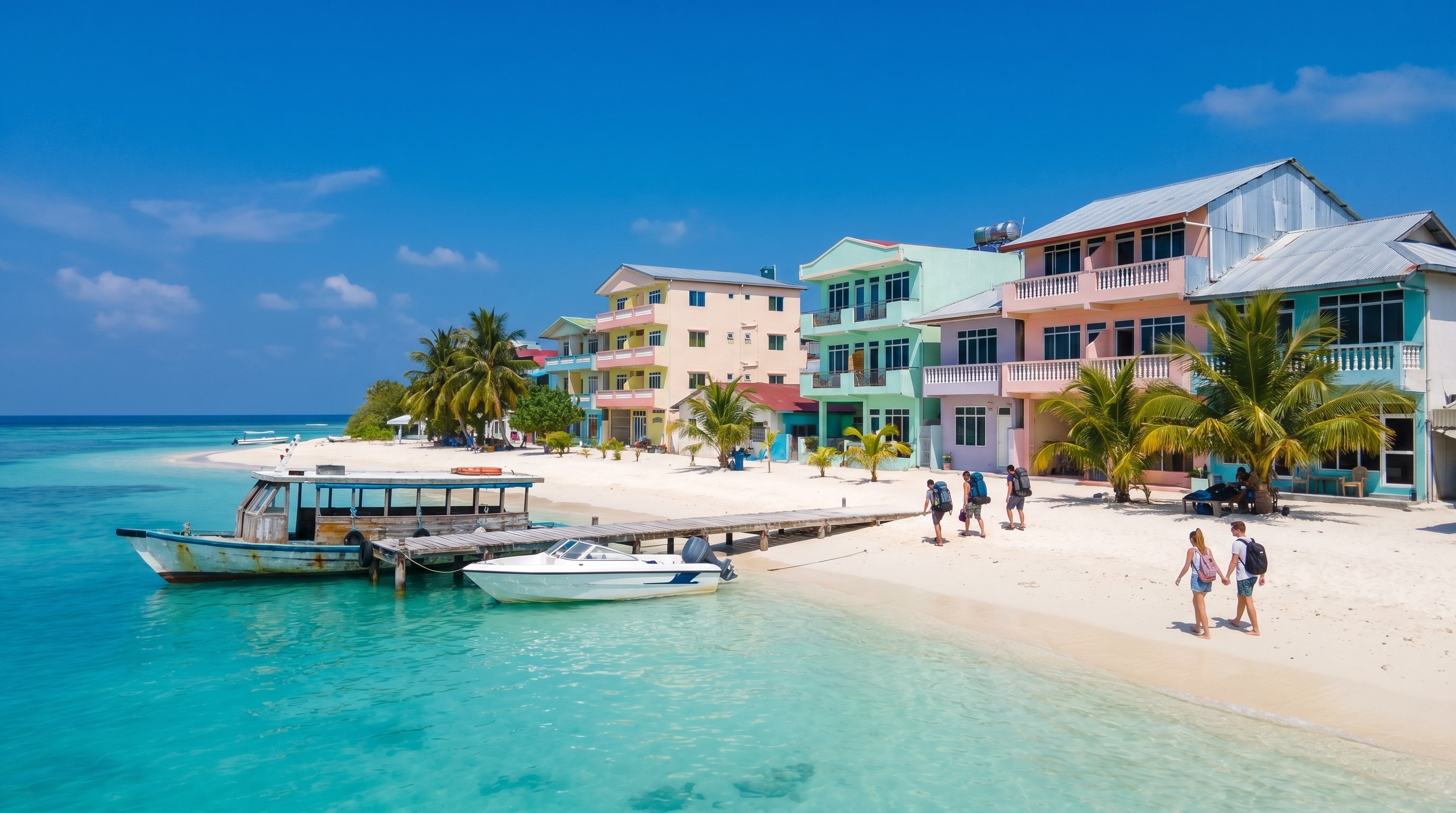
Local island guesthouses make monsoon Maldives accessible to budget travelers. Dhigurah, Maafushi, and Thulusdhoo offer rooms from INR 4,000-8,000/night with manta excursions around INR 3,000-5,000/trip.
A 5-night budget manta trip from India: INR 25,000 flights + INR 30,000 accommodation + INR 15,000 excursions + INR 10,000 food = roughly INR 80,000 total. Compare that to a single night at a mid-range resort during peak season.
Beyond Mantas: What Else Maldives Manta Ray Season Brings
Manta rays headline the monsoon show, but they're not alone. The same plankton blooms attract whale sharks to South Ari Atoll and Ari Atoll's western edge. Sightings peak in August-October, often occurring on the same excursions as manta encounters.
The Full Monsoon Marine Lineup
Whale Sharks: Filter-feeding alongside mantas in South Ari. The Maldives Whale Shark Research Programme tracks individuals — you might swim with a shark they've known for years.
Reef Sharks: Grey reefs, whitetips, and blacktips patrol cleaning stations and channel dives. Activity increases as cooler thermoclines push fish toward reefs.
Hammerheads: Early morning dives at Rasdhoo Atoll's Hammerhead Point see schools during monsoon months. This requires 5am wake-ups and tolerance for strong currents.
Dolphins: Spinner dolphins ride bow waves year-round, but monsoon seems to bring larger pods. Sunset dolphin cruises remain viable even on showery days.
Planning Your Maldives Manta Ray Season Trip from India
For Indian travelers seeking extraordinary marine encounters, monsoon season demands slightly different planning than the typical Maldives honeymoon trip.
Ideal Trip Duration
Minimum five nights, ideally seven. Hanifaru Bay conditions vary daily — you want multiple attempts to catch a feeding event. A three-night trip risks missing the mantas entirely due to weather or tide timing.
What to Book in Advance
Resorts with strong manta programs fill during peak monsoon despite lower overall occupancy. Book 3-4 months ahead for July-August if you want specific properties. Liveaboard trips to Baa Atoll sell out — these offer the most intensive manta access and should be booked 6+ months early.
Packing for Monsoon Maldives
Waterproof bag for electronics (sudden showers happen). Reef-safe sunscreen (still plenty of sun). Rashguard or thin wetsuit for extended snorkeling. Seasickness medication if you're sensitive. An underwater camera — phone housings work for snorkeling depths.
TripCabinet Manta Season Packages
We build custom Maldives packages specifically around monsoon marine life. Unlike generic honeymoon packages, ours include Hanifaru Bay permits, manta-focused resort selection, and flexible scheduling to maximize wildlife encounters. Budget travelers can explore our local island options that combine guesthouse stays with manta excursions.
Who Should Skip Monsoon Season
Honesty time. Monsoon Maldives isn't for everyone.
Uninterrupted sunbathing your primary goal? Wait for December. Need guaranteed calm seas for young children? Peak season offers a safer bet. Celebrating a special occasion and rain would ruin your mood, don't risk it.
But if you want to actually see the Maldives — the living, breathing, feeding, hunting Maldives — book May through November and stop worrying about Instagram weather.
A Final Note From Hanifaru Bay
My last morning at Hanifaru Bay, conditions aligned perfectly. Southwest current, incoming tide, plankton thick enough to reduce visibility to 15 meters. We entered the water and waited.
The first manta appeared as a shadow. Then three more. Then twenty. They swirled in a cyclone pattern, mouths agape, filtering tons of plankton per hour. One rose directly beneath me, missing my fins by centimeters, utterly indifferent to my presence. For forty minutes, I floated in the center of the largest manta aggregation I'd ever witnessed.
Back at the resort, the Australian couple at the next table complained about the afternoon rain spoiling their beach day. They'd skipped the Hanifaru trip because "the weather looked bad." They'd paid peak-season prices for an off-season experience while we'd paid off-season prices for something peak season can't deliver.
The water villa isn't the Maldives. The mantas are — and Maldives manta ray season is when they truly come alive. And they're waiting in the monsoon.
Maldives Manta Ray Season: Practical Information
Best Months for Manta Rays: June-October (peak July-August)
Key Locations: Hanifaru Bay (Baa Atoll), South Ari Atoll (Maamigili, Rangali)
Water Temperature: 28-29°C year-round
Visibility: 15-25 meters average during monsoon
Hanifaru Bay Permit: USD 25-30, mandatory with licensed guide
Flight Time from India: 4-4.5 hours direct from major cities
Budget Range: INR 80,000 (local island) to INR 5,00,000+ (luxury resort) per person for 5 nights
Monsoon Season Discount: 30-50% off peak season resort rates
Required Certification: None for snorkeling; Open Water for diving sites
Best for: Marine life enthusiasts, photographers, budget-conscious luxury seekers, anyone who'd rather see mantas than sunshine