

Malaysian Culture Guide for Indian Travelers: What Connects Us and What Surprises You
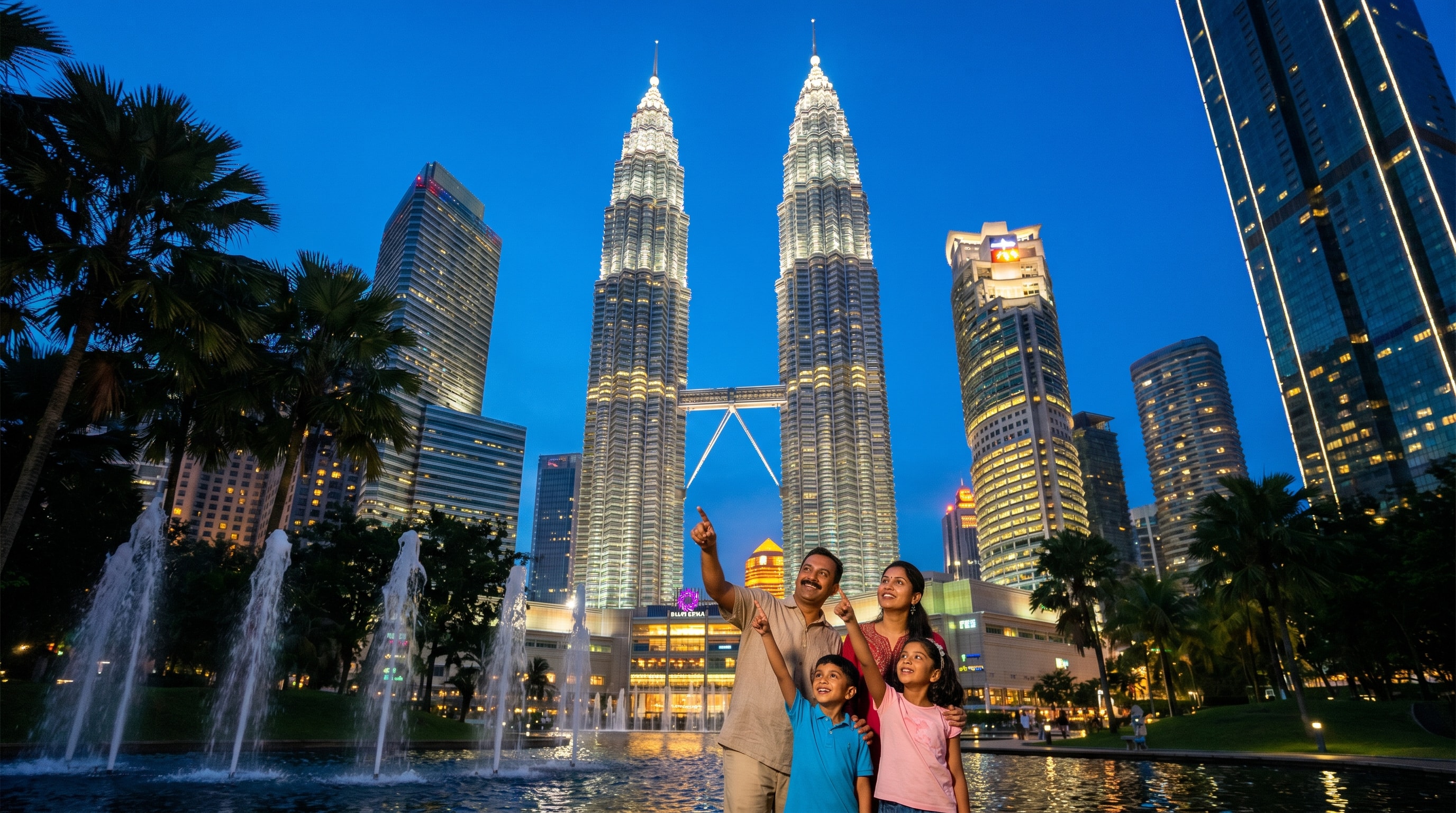
The first time I walked through Little India in Kuala Lumpur, I had to remind myself I was actually in Malaysia. The smell of jasmine garlands, the sound of Tamil film songs blasting from shops, the banana leaf meals identical to what my grandmother makes — for a moment, I forgot I had flown four hours from Chennai. This Malaysian culture guide comes from years of traveling between these two countries, and I can promise you this: Malaysia will feel simultaneously familiar and foreign in ways that catch you off guard.
India and Malaysia share a connection that runs deeper than most Indians realize. With over 2 million Malaysian Indians forming roughly 7% of the population, Tamil being widely spoken, and Hindu temples in every city, Malaysia often feels like an extension of South India — until suddenly it does not, and you are reminded you are in a Muslim-majority Southeast Asian nation with Chinese temples, Malay royalty, and indigenous traditions that exist nowhere in India. This Malaysian culture guide covers what connects us and what will surprise you.
The Indian-Malaysian Connection: A Malaysian Culture Guide Essential
Malaysian Indians, primarily Tamil, arrived during British colonial rule to work rubber plantations and build railways. Today, their descendants have shaped Malaysian culture in ways visible everywhere. You cannot walk through a Malaysian city without encountering an Indian temple, hearing Tamil spoken, or finding a mamak stall serving roti canai at 2 AM. Understanding this connection is fundamental to any Malaysian culture guide.
Deepavali is a national public holiday — let that sink in. A Hindu festival is officially celebrated in a Muslim-majority country. Malaysian workplaces close, shopping malls blaze with lights, and non-Indian Malaysians visit their Indian neighbors with gifts. I have celebrated Deepavali in Kuala Lumpur, and the scale rivals anything in India. Brickfields (KL's Little India) transforms completely, with kolam patterns covering sidewalks and the smell of murukku everywhere.
The Tamil connection runs deep. Street signs in tourist areas often include Tamil script alongside Malay, English, and Chinese. Tamil is taught in national schools, and Tamil radio stations broadcast daily. For South Indian travelers, this feels profoundly welcoming — you can ask for directions in Tamil, read shop signs, and negotiate at markets in your mother tongue. No Malaysian culture guide would be complete without acknowledging this linguistic bridge.
Indian food has become Malaysian food. Roti canai (what we call parotta or roti) is not considered foreign — it is a national breakfast staple eaten by all Malaysians. Fish head curry, banana leaf rice, and mamak mee goreng appear on menus everywhere. Teh tarik (pulled tea) is basically masala chai with a theatrical twist. Walking into any mamak restaurant, you will feel right at home.
Batu Caves and Thaipusam: The Malaysian Culture Guide Highlight
Nothing prepared me for my first Thaipusam at Batu Caves. Imagine over 1 million devotees — the largest Thaipusam gathering outside India, larger than many celebrations within India. The 272 rainbow-painted steps leading to the cave temple, the 42.7-meter golden statue of Lord Murugan (one of the tallest Murugan statues in the world), and the devotees carrying elaborate kavadi pierced through their flesh create a spiritual spectacle unlike anything else in Southeast Asia.
Even outside Thaipusam (which falls in January or February), Batu Caves is worth visiting. The main Cathedral Cave houses several Hindu shrines, and the Dark Cave offers adventure caving with rare species. The temple is free to enter, and you will encounter Indian Malaysian families praying alongside tourists from around the world. As an Indian traveler, watching Tamil Hindus practice our traditions in a foreign country — with the full support of the Malaysian government — is unexpectedly emotional. This Malaysian culture guide considers Batu Caves an absolute must-visit.
Practical tips: Visit early morning to avoid crowds and afternoon heat. Wear modest clothing (no shorts or sleeveless tops). Watch out for the monkeys — they are aggressive and will snatch food, bags, and sunglasses. The climb is strenuous; take water and go slowly. During Thaipusam, arrive before dawn or be prepared for hours of waiting. You can read more about visiting Batu Caves in our Kuala Lumpur travel guide.
Malaysian Culture Guide to Islamic Traditions and Malay Customs
Here is where Malaysia stops feeling like India. Islam is the state religion, and Malay identity is legally tied to being Muslim. This shapes daily life in ways that surprise unprepared Indian travelers. Any comprehensive Malaysian culture guide must address these customs clearly.
During Ramadan, the fasting month, you should avoid eating, drinking, or smoking in public during daylight hours — not because it is illegal (non-Muslims can eat), but out of respect. This can be challenging if you are traveling during Ramadan (check the Islamic calendar before booking). However, food courts and restaurants generally remain open; just be discreet. The upside? Bazaar Ramadan (night markets) pop up everywhere at sunset, offering incredible Malay foods at bargain prices.
Hari Raya Aidilfitri, the Eid celebration marking the end of Ramadan, is Malaysia's biggest holiday. Malaysians practice "open house" — families invite friends, neighbors, and even strangers to their homes for feasts. As a tourist, you may be invited to someone's open house; accepting is a wonderful cultural experience. Eat the rendang, admire the traditional clothing, and bring a small gift (sweets or fruit are perfect).
Mosque etiquette matters. When visiting mosques like the stunning Masjid Jamek or Putra Mosque in Putrajaya, remove shoes before entering. Women must cover their hair with a scarf and wear long sleeves and pants or a long skirt — many mosques provide robes. Men should wear long pants. Do not walk in front of someone praying. Photography is usually allowed in courtyard areas but restricted inside prayer halls. Unlike Hindu temples where offerings are common, mosques prefer that visitors do not leave items behind. This Malaysian culture guide emphasizes respectful observation at all religious sites.
Chinese Malaysian Culture: Temples, Festivals, and Chinatowns
Chinese Malaysians make up roughly 23% of the population, and their cultural footprint is massive. Every Malaysian city has a Chinatown with temples, clan houses, and markets. The Chinese community has been in Malaysia for centuries — some families trace their roots back 600 years. Understanding Chinese Malaysian traditions adds richness to your Malaysian culture guide experience.
Chinese temples operate differently from Indian temples. Joss sticks (incense) are burned in large outdoor urns, and devotees shake fortune sticks (kau chim) for divination. You might see spirit money (paper offerings) being burned outside. Photography is generally fine, but ask before photographing people praying. Unlike Indian temples which often have prasad distribution, Chinese temples may have free fruit or snacks at the altar for visitors.
Chinese New Year (January or February) transforms Malaysia for fifteen days. Red decorations blanket cities, lion and dragon dances parade through streets, and firecrackers explode despite technical bans. Angpao (red packets with money) are exchanged, and massive family reunions occur. For Indian travelers, the chaos and festivity feel familiar — it is essentially Diwali with different colors. Some Indian families in Malaysia have adopted the red packet tradition, creating unique cultural fusions.
The food is spectacular. Unlike Indian-Chinese food (which is its own delicious thing), Malaysian Chinese food retains authenticity — Hokkien, Cantonese, Teochew, and Hakka cuisines are all represented. Dim sum brunches, clay pot rice, and bak kut teh (pork bone tea soup — obviously skip this if you avoid pork) are highlights. Georgetown in Penang has the finest Chinese food scene.
Peranakan Culture: The Fusion Found Nowhere Else
Peranakan (also called Baba-Nyonya or Straits Chinese) culture is genuinely unique to this region — a centuries-old fusion of Chinese immigrants and local Malay culture that produced distinct cuisine, clothing, and architecture. Walking through Melaka's Jonker Street or Georgetown's heritage zone, you will encounter Peranakan shophouses painted in pastel blues and greens, decorated with European tiles and Chinese motifs. This Malaysian culture guide celebrates these hybrid traditions as distinctly Malaysian.
Peranakan food blends Chinese ingredients with Malay spices and techniques. Nyonya laksa (coconut curry noodle soup), otak-otak (grilled fish paste), and ayam pongteh (chicken braised in fermented soybean) are must-tries. The flavors are complex — spicy, sour, sweet, and aromatic in ways that may remind Indian travelers of Chettinad cooking's layered complexity. The Peranakan Museum in Singapore and heritage homes in Melaka offer deeper dives into this fascinating culture.
Indigenous Cultures: Orang Asli and Borneo Tribes
Malaysia's indigenous peoples are often overlooked by tourists, but their cultures are ancient and fascinating. On Peninsular Malaysia, the Orang Asli ("original people") comprise eighteen ethnic groups with distinct languages, traditions, and spiritual beliefs. Some live in forests and maintain traditional lifestyles, while others have integrated into modern Malaysian society. A thorough Malaysian culture guide must acknowledge these original inhabitants.
Visiting Orang Asli communities requires sensitivity. The best approach is through ethical tour operators who have genuine relationships with communities and ensure fair compensation. You might visit a village, learn about traditional medicine and forest knowledge, and watch blowpipe demonstrations. This is not a zoo experience — these are living communities, so go with respect and genuine curiosity.
In Borneo (the states of Sabah and Sarawak), indigenous groups like the Iban, Bidayuh, Kadazan-Dusun, and others make up significant portions of the population. Longhouses — communal structures where multiple families live under one roof — remain central to many communities. Tourist-friendly longhouse visits allow overnight stays, traditional meals, and cultural performances. The Iban are famous for their historic (no longer practiced) headhunting traditions — their elaborate tattoos once recorded successful hunts. Sarawak's Cultural Village near Kuching offers an accessible introduction to Bornean indigenous cultures.
Malaysian Manners and Etiquette: What Indians Should Know
Some Malaysian customs will feel familiar, others will need adjustment. Shoes come off before entering homes, many restaurants, and all religious sites — exactly like India. The right hand is used for eating and passing items; the left hand is considered unclean. When greeting elders or receiving something, lightly touch your right hand to your heart after the gesture — a sign of respect common in Malay culture. This Malaysian culture guide section covers essential etiquette.
Dress codes vary by context. Beach resorts are relaxed, but at religious sites (mosques, temples, even some churches), modest dress is required — covered shoulders, knees covered, and no tight or revealing clothing. Malaysian Indians and Chinese dress relatively casually, but Malay women often wear tudung (headscarves) — do not stare or comment. When visiting East Malaysia (Sabah and Sarawak), attitudes are generally more relaxed than in conservative Peninsular states like Kelantan and Terengganu.
Head-touching taboos exist, though less strictly than in Thailand. Avoid touching anyone's head, including children. Pointing with your finger is rude — use your thumb (with fingers folded) or gesture with your whole hand. When calling someone over, use a palm-down waving motion, not a finger-curl gesture.
Language Basics: What Every Malaysian Culture Guide Should Cover
English is widely spoken throughout Malaysia, especially in cities, tourist areas, and among educated Malaysians. You can travel entirely in English without problems. However, learning basic Bahasa Malay shows respect and often gets you warmer welcomes. This Malaysian culture guide includes essential phrases for Indian travelers.
Sanskrit and Tamil words heavily influenced Bahasa Malay. Bahasa itself comes from Sanskrit. Guru (teacher), raja (king), dewa (god), manusia (human, from Sanskrit manushya), pustaka (book), and negara (nation) are identical or near-identical to their Indian origins. Numbers like satu, dua, and tiga may also sound vaguely familiar to speakers of Sanskrit-derived languages.
Essential phrases: Terima kasih (thank you), sama-sama (you're welcome), selamat pagi/siang/petang/malam (good morning/afternoon/evening/night), berapa (how much), tidak (no), ya (yes), maaf (sorry/excuse me). Taxi and Grab drivers appreciate even basic attempts. In tourist areas, Chinese dialects (Hokkien, Cantonese) and Tamil are also commonly heard.
Festival Calendar: Timing Your Malaysian Culture Guide Experience
Malaysia celebrates virtually every major religion's festivals, making it a year-round cultural destination. Planning your trip around festivals adds depth to your experience. This Malaysian culture guide recommends aligning your visit with cultural celebrations.
Thaipusam (January/February): The biggest Hindu festival in Malaysia. Full moon in Thai month. Batu Caves is the epicenter, but celebrations happen nationwide. Book accommodation well in advance if visiting during this period.
Chinese New Year (January/February): Fifteen days of celebrations. First two days are public holidays. Chinatowns are spectacular, but many Chinese-run businesses close for the first few days. Plan accordingly.
Hari Raya Aidilfitri (dates vary): Following Ramadan. The entire country celebrates with open houses, new clothes, and feasting. Travel within Malaysia becomes chaotic as everyone returns to hometowns — this is Malaysia's equivalent of Diwali rush. Book transport well ahead.
Deepavali (October/November): National holiday. Little India areas in every city come alive. For Indian travelers, this offers a chance to experience our festival in a foreign setting with Malaysian twists.
Christmas (December): Public holiday. Shopping malls go overboard with decorations — Pavilion KL's Christmas setup is famous. Malaysian Christians (significant minority) celebrate with church services and family gatherings.
Harvest festivals (May/June): Sabah's Kaamatan and Sarawak's Gawai Dayak celebrate rice harvests with indigenous rituals, traditional food, and tapai (rice wine). These offer glimpses into cultures far removed from Peninsular Malaysia.
Social Norms: Tipping, Bargaining, and Photography
Tipping is not expected in Malaysia. Service charge (usually 10%) is often included in restaurant bills at mid-range and upscale establishments. Rounding up small amounts is appreciated but not obligatory. Taxi drivers do not expect tips. Hotel porters may receive RM2-5 for assistance. This is significantly different from India's tipping expectations — do not feel pressured. Understanding these norms is part of navigating with a Malaysian culture guide mindset.
Bargaining is acceptable at markets, night bazaars, and some independent shops. It is not appropriate at shopping malls, supermarkets, restaurants, or any place with fixed price tags. Start at 50-60% of the asking price and negotiate from there. Bargain with a smile — aggressive haggling is considered rude. If a seller refuses to budge, they likely cannot go lower. Walking away often brings a better final offer.
Photography etiquette: Always ask before photographing people, especially in indigenous villages, religious settings, or at work. Most Malaysians are friendly about photos but appreciate being asked. Some religious sites prohibit interior photography. Never photograph military installations, police stations, or government buildings — this is taken seriously.
What Surprises Indian Travelers: Similarities and Differences
The similarities catch you first. Roti canai with dal tastes like breakfast in Chennai. Teh tarik is chai with performance art. The banana leaf meals could be from Coimbatore. Indian vegetarian restaurants serve identical food to what you find in India, complete with filter coffee. Deepavali kolams look identical. Tamil film songs play everywhere. You will do double-takes constantly. This Malaysian culture guide prepares you for both recognition and discovery.
Then the differences emerge. Alcohol laws vary by state — Malaysia is not dry like Gujarat, but in conservative states like Kelantan and Terengganu, alcohol is restricted. Even in liberal states, alcohol is expensive (heavily taxed) and not sold in Malay-owned establishments. Pubs and bars exist but are less prevalent than in India's metros. If you drink, buy from duty-free at the airport or stick to Chinese restaurants and hotel bars.
Modesty norms are stricter in some contexts. Beach resorts allow swimwear, but swimming in regular clothes at public beaches is common, especially among Malay women. Revealing clothing draws stares in conservative areas. Public displays of affection are frowned upon — even holding hands can attract disapproval in some places. This varies hugely by location: Kuala Lumpur and Penang are relatively liberal, while Kelantan and Terengganu are conservative.
The cleanliness surprises many Indian travelers. Malaysian cities are notably cleaner than most Indian cities, with strict littering fines and functioning waste management. Public toilets are generally clean. However, squat toilets are common — carry tissue paper, as it is not always provided. You can explore our Malaysia packages to experience these cultural dimensions firsthand.
For a deeper dive into the festival calendar, see our guide to experiencing Indian festivals in Malaysia and Singapore including Thaipusam, Deepavali, and Pongal.
Practical Cultural Tips for Your Trip
Pack modest clothing for religious site visits — a scarf for women visiting mosques, and long pants for men. Slip-on shoes are convenient for the constant removing and replacing. Carry small denominations for donations at temples and for small purchases. These practical tips complete your Malaysian culture guide preparation.
Download Grab (Southeast Asia's Uber equivalent) for transport. It works throughout Malaysia and eliminates language barriers. Malaysian drivers are generally honest — scams targeting Indian tourists are rare.
Respect all three main cultures equally. Do not make the mistake of sticking only to Indian areas because they feel comfortable. The Malaysian Indian experience is fascinating, but so is Malay kampung culture, Chinese clan house heritage, and Peranakan fusion. Malaysia's diversity is its greatest appeal — and this Malaysian culture guide encourages you to explore it fully.
Learn to say lah at the end of sentences — this Singlish/Manglish particle serves no grammatical purpose but makes you sound instantly more local. "Can lah," "no lah," "okay lah" — you will hear it constantly and find yourself using it naturally.
Pro tip: Malaysian Indians often identify as Tamil, Malayalee, Telugu, or Punjabi rather than generically "Indian." Asking which community someone belongs to shows cultural awareness and usually leads to enthusiastic conversations about shared heritage.
Malaysia rewards cultural curiosity. Yes, it will feel familiar in unexpected ways. Yes, that familiarity will be punctuated by moments of genuine foreignness — the call to prayer echoing across cities, the Chinese funeral processions, the indigenous longhouse traditions. That tension between similarity and difference makes Malaysia endlessly fascinating for Indian travelers. You will find pieces of home here, but you will also find cultures that exist nowhere else on earth. Both experiences are worth the journey.
For more detailed itineraries connecting cultural sites, check out our Malaysia tour packages from India or browse the complete destinations section to plan your culturally immersive Malaysian adventure.