

Borneo Travel Guide: Your Sabah Adventure Into Malaysia's Wild Side
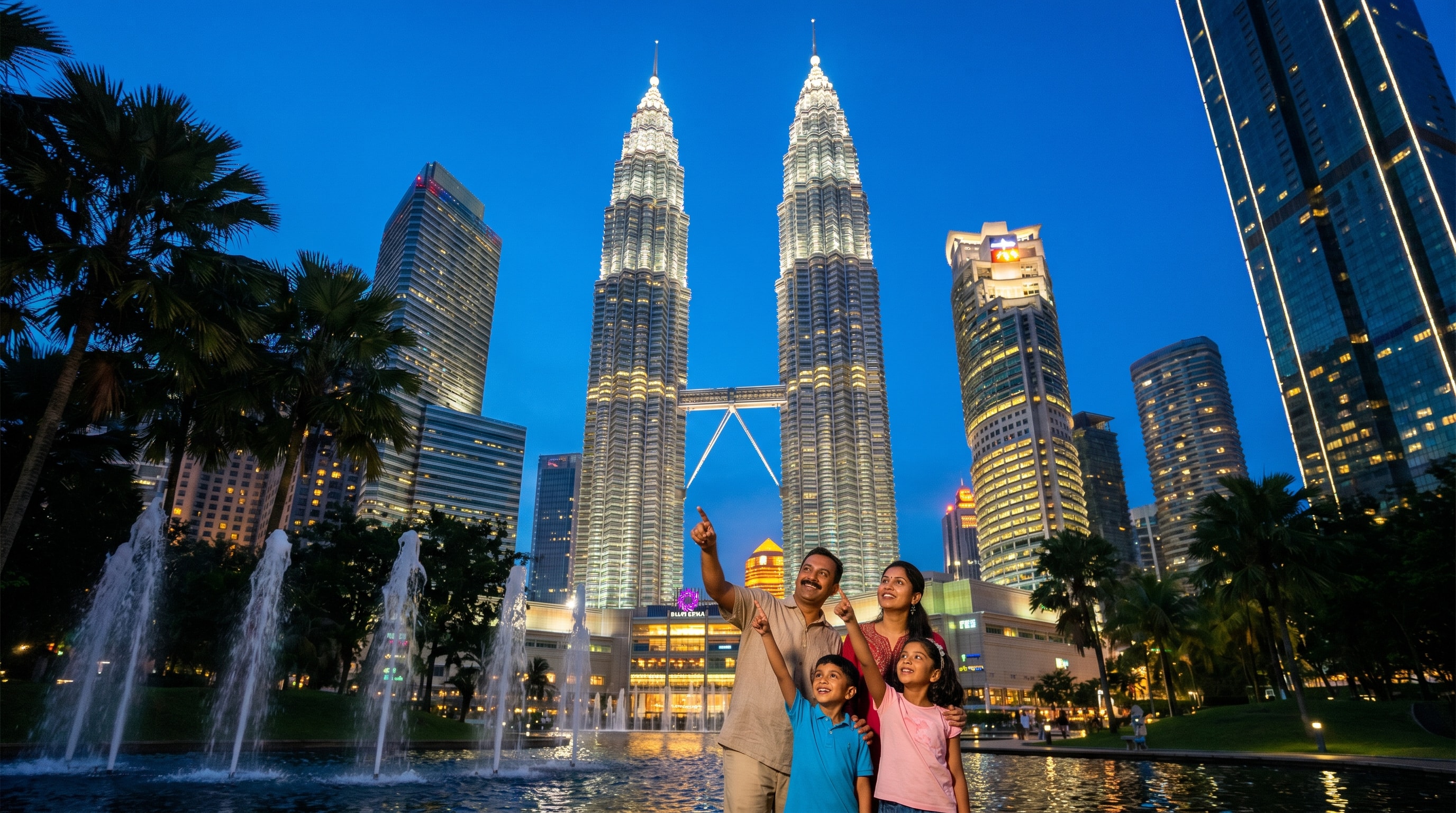
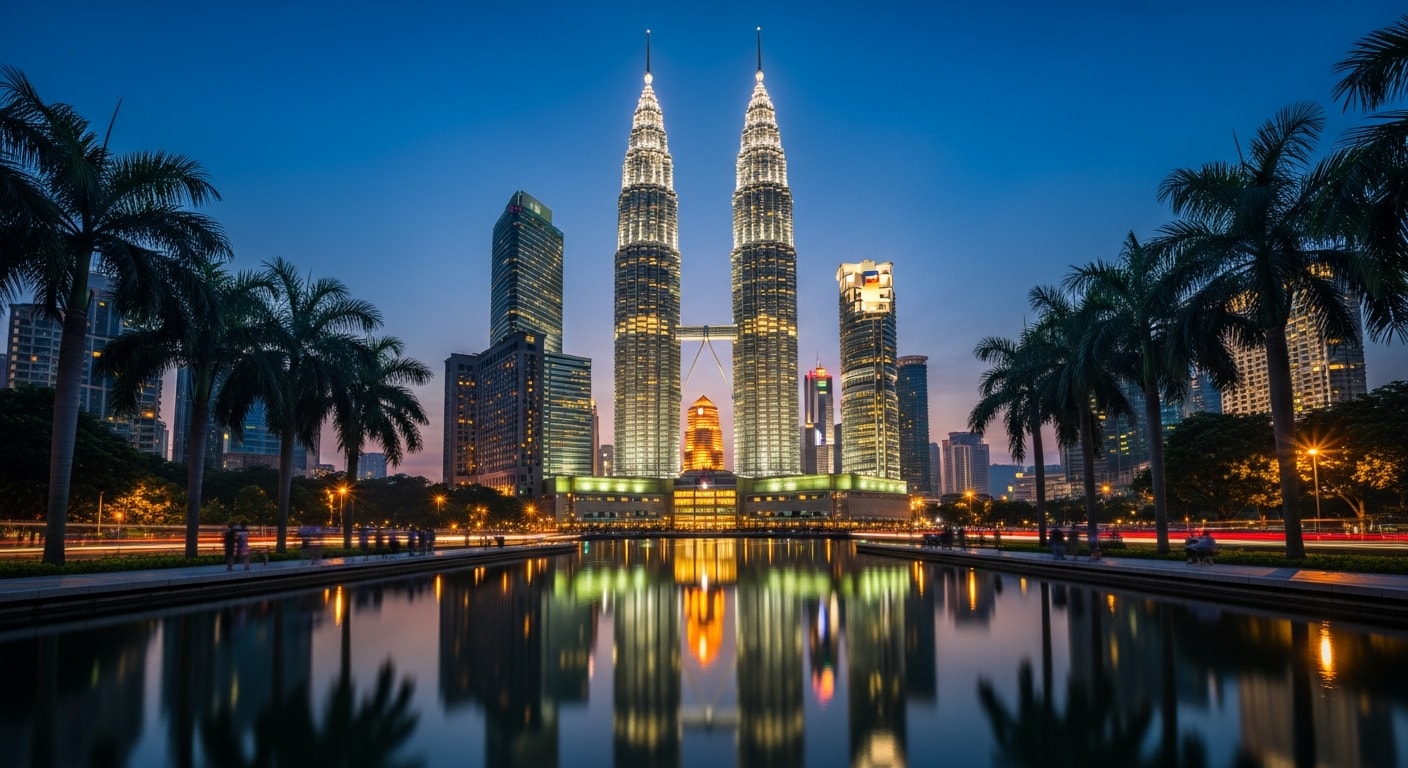
I was waist-deep in a brown river, watching a proboscis monkey with a nose like a ripe mango stare back at me from a riverbank tree, when I realized that this Borneo travel guide would write itself. Borneo is nothing like the Malaysia most tourists experience. Forget the Petronas Towers. Forget Langkawi beaches. This is a different country altogether — one where orangutans swing through 130-million-year-old rainforest, where you can climb Southeast Asia's highest peak before breakfast, and where the diving rivals anything in the Maldives at a fraction of the price.
Sabah, the Malaysian state occupying northern Borneo, is where adventure travelers come to get their fix. No Borneo travel guide is complete without covering this wild territory. It's raw, it's wild, and it's still wonderfully uncommercialized compared to its Southeast Asian neighbors. This Borneo travel guide covers everything you need to plan a proper Sabah adventure — from summiting Mount Kinabalu to spotting pygmy elephants at dawn to dropping into Sipadan's legendary wall dives.
Why This Borneo Travel Guide Exists: A Different Malaysia
Peninsular Malaysia and Borneo share a flag, a currency, and a federal government. That's about where the similarities end.
Geographically, Borneo is the world's third-largest island, shared between Malaysia, Indonesia, and tiny Brunei. The Malaysian portion — comprising Sabah and Sarawak — is separated from the peninsula by 650 kilometers of South China Sea. Ecologically, it's a different planet. The Bornean rainforest is among the oldest on Earth, predating the Amazon by about 70 million years. Any proper Borneo travel guide must emphasize this: the ancient ecosystem hosts wildlife found nowhere else: the critically endangered Bornean orangutan, the bizarre proboscis monkey, the elusive clouded leopard, and the adorable pygmy elephant.
Culturally, Sabah is a patchwork of over 30 indigenous groups — Kadazan-Dusun, Bajau, Murut, Rungus — each with distinct traditions, languages, and festivals. You'll encounter longhouses, animist beliefs coexisting with Islam and Christianity, and a warmth toward visitors that feels genuinely unscripted. The food is different too: less Indian influence, more jungle vegetables, river fish, and the peculiar (and delicious) Sabah seafood dishes you won't find in Penang or KL.
Kota Kinabalu: Your Gateway to Sabah Adventure
Every Borneo adventure starts in Kota Kinabalu, universally called KK. It's not a pretty city — concrete shophouses, traffic jams, and that distinctly Malaysian mix of chaotic charm. But it's functional, it's friendly, and it offers enough distractions for a day or two before you head into the wilderness.
The Waterfront and Filipino Market
KK's waterfront esplanade comes alive at sunset. Grab a cold Tiger beer from one of the seafront bars and watch the sky turn orange over the Tunku Abdul Rahman islands. Just behind the waterfront, the Filipino Market is pure sensory overload — stalls selling pearls, handicrafts, and questionable souvenirs alongside the best seafood in town. Don't miss the hinava (raw fish cured in lime juice) or the grilled stingray.
For the freshest seafood experience, skip the tourist-facing restaurants and head to the night market section where locals eat. Point at whatever looks good in the ice displays — tiger prawns, mantis shrimp, lapu-lapu — and they'll grill or steam it for you. Budget RM 40-80 per person for a feast.
Island Hopping from KK
The Tunku Abdul Rahman Marine Park comprises five islands a 15-minute speedboat ride from Jesselton Point ferry terminal. Manukan and Sapi are the most developed with facilities and decent snorkeling. Mamutik is smaller and quieter. Gaya is the largest, with jungle trails and a water village. Skip Sulug unless you want complete solitude.
Boats depart throughout the day (RM 30-50 return), and island entry fees are RM 10 for foreigners. It's pleasant enough, but frankly — if you're planning to dive Sipadan later, these islands will seem underwhelming. Spend one morning here, then move on.
Mount Kinabalu: Conquering Southeast Asia's Highest Peak
At 4,095 meters, Mount Kinabalu is the undisputed highlight of any Sabah adventure. It's not a technical climb — no ropes, no crampons, no mountaineering experience required. But it's grueling. Two days of steep ascent, thin air at altitude, and a 2am summit push to catch sunrise from the peak. The views? Worth every burning muscle.
The Climbing Route
Almost everyone takes the Timpohon Trail, starting from Kinabalu Park headquarters at 1,866m. Day one is a 6-kilometer, 6-hour slog through montane forest, past pitcher plants and orchids, to Laban Rata (3,272m) — the only overnight accommodation on the mountain. You'll eat a massive dinner, attempt to sleep at altitude, then wake at 2am for the summit push.
Day two: 2.7 kilometers to the summit, mostly over bare granite. Ropes guide you up the steeper sections. Reach Low's Peak by 5:30am to watch the sun rise over a sea of clouds. Then descend all the way back to park headquarters by early afternoon. Your knees will hate you. Your camera roll will be spectacular.
Permits, Costs, and Booking
Here's the critical part: only 135 climbers are allowed daily, and permits sell out months ahead during peak season. The permit system is controlled, meaning you must book through Sabah Parks or an authorized operator.
Total costs (2024/2025 rates):
- Park entrance fee: RM 200 (foreigners)
- Climbing permit: RM 200
- Mountain guide fee: RM 230 (mandatory, shared between up to 5 climbers)
- Insurance: RM 7
- Laban Rata accommodation + meals: RM 600-900 depending on room type
Total: roughly RM 1,200-1,600 if you join a group, or RM 1,800-2,500 for a private package (USD 380-530). Book directly through Sutera Sanctuary Lodges or trusted local operators 2-3 months ahead.
Fitness and Difficulty
You don't need to be an athlete, but you should be reasonably fit. I've seen 60-year-olds summit alongside 25-year-old backpackers. The challenge is cumulative fatigue and altitude. If you can hike 8-10 hours in a day with a daypack, you'll manage. Acclimatization helps — spend a night at Kinabalu Park headquarters before climbing if possible.
Orangutan Encounters: Sepilok and Beyond
Seeing wild orangutans is a bucket-list experience, and Sabah is one of only two places on Earth where it's possible (the other being Sumatra). The Sepilok Orangutan Rehabilitation Centre offers the most accessible encounter, but the Kinabatangan River delivers something rarer: wild sightings in truly natural habitat.
Sepilok Orangutan Rehabilitation Centre
Located 25 kilometers outside Sandakan, Sepilok rescues orphaned and injured orangutans, rehabilitates them, and releases them back into the surrounding forest reserve. Twice daily (10am and 3pm), rangers set out fruit on feeding platforms, and semi-wild orangutans swing in from the forest to eat. You'll watch from boardwalks 20 meters away.
It's not exactly wilderness — there's a visitor center, a gift shop, and sometimes crowds — but it's ethical wildlife tourism done right. No cages, no performances, no forced interactions. The orangutans are genuinely semi-wild, and seeing a massive male arrive through the canopy is genuinely thrilling. Entry is RM 30 for foreigners. Combine with the adjacent Bornean Sun Bear Conservation Centre (RM 35) to see the world's smallest bears — equally rescued, equally adorable.
Kinabatangan River: Wild Borneo
For a more immersive experience, head to the Kinabatangan River, Sabah's longest waterway. The floodplain forests here harbor wild orangutans, proboscis monkeys, pygmy elephants, crocodiles, and over 200 bird species. You stay in riverside lodges and cruise upstream at dawn and dusk when wildlife is active.
I spent three nights at Bilit Adventure Lodge (budget-friendly, RM 250/night including meals and activities) and spotted orangutans on two river cruises — a mother with baby in the treetops, utterly indifferent to our boat puttering past. Wildlife sightings aren't guaranteed, but proboscis monkeys are near-certain, and elephants appear frequently during dry season.
If you've been following our Penang street food guide, the contrast here is stark — Borneo is all about jungle immersion, not city eating.
Sipadan Island: World-Class Diving in Sabah
Ask any serious diver to name their top five dive sites worldwide, and Sipadan will be on that list. This oceanic island rises 600 meters from the Celebes Sea floor, its vertical walls teeming with barracuda tornados, patrolling reef sharks, sea turtles in impossible numbers, and the occasional hammerhead. It's legitimately world-class.
How Sipadan Permits Work
Here's the complication: Sipadan is a protected marine park with only 120 dive permits issued daily. You cannot stay on the island (accommodation was demolished years ago for conservation). Instead, you base yourself on nearby Mabul or Kapalai islands and day-trip to Sipadan when your permit comes through.
Permits are allocated through registered dive operators. Book at least 4-6 weeks ahead during peak season (April-December), longer for holiday periods. Expect to pay RM 150-200 per Sipadan permit plus dive costs. A typical 3-dive day at Sipadan runs RM 800-1,200 including equipment.
Dive Conditions and Season
Visibility averages 20-40 meters. Water temperature is a warm 27-30°C — 3mm shorty is enough. The best diving is April to December when seas are calmest. January-March brings occasional swells but also fewer crowds. Currents can be strong, especially at Barracuda Point, so intermediate certification and experience are recommended.
Mabul Island offers excellent muck diving for macro enthusiasts — frogfish, blue-ringed octopus, flamboyant cuttlefish — when you're not at Sipadan. Stay 3-4 nights minimum to maximize your allocated Sipadan days.
Danum Valley: Primary Rainforest Immersion
If Sipadan is Sabah's underwater crown jewel, Danum Valley is its terrestrial equivalent. This 438-square-kilometer conservation area protects some of the last primary rainforest in Southeast Asia — untouched by logging, unchanged for millennia. The biodiversity is staggering.
Danum is where you go for the full jungle experience: night drives spotting civets and slow lorises, dawn hikes where gibbons call across the canopy, canopy walkways 30 meters above the forest floor, and genuine isolation. Mobile signal doesn't exist here. The jungle soundtrack — cicadas, hornbills, unseen creatures crashing through undergrowth — becomes your constant companion.
Where to Stay
Two lodges operate within Danum Valley. Borneo Rainforest Lodge is the upscale option (RM 2,500+ per night) with private chalets and gourmet meals. Danum Valley Field Centre offers more basic hostel-style accommodation for researchers and budget travelers (around RM 350/night including meals and activities). Both require advance booking and include guided jungle walks.
Wildlife highlights include clouded leopards (rare but recorded on camera traps), orangutans, pygmy elephants, and over 340 bird species. The canopy walkway alone is worth the trip — walking at treetop level, eye-to-eye with hornbills, gives genuine perspective on how little of the rainforest happens at ground level.
Kundasang: Malaysia's Unexpected Highlands
After the humidity of the lowland jungle, Kundasang comes as a cool relief. This small highland town, 30 minutes from Mount Kinabalu park headquarters, sits at 1,500 meters elevation amid a landscape so green and temperate that locals call it Malaysia's New Zealand.
Dairy farms dot the hillsides — a surreal sight in tropical Asia. The Desa Dairy Farm offers tours where you can pet cows and sample fresh milk (yes, really). Views of Mount Kinabalu from Kundasang on clear mornings are spectacular. It's also the best place to buy vegetables and strawberries, both grown locally in the cool climate.
Stay a night at one of the highland resorts if you need recovery time after your Kinabalu climb. Temperatures drop to 15-18°C at night — bring a light jacket.
Getting to Borneo from India
No direct flights connect India to Kota Kinabalu, but connections are straightforward.
Best routing: Fly from any major Indian city (Delhi, Mumbai, Bangalore, Chennai) to Kuala Lumpur (KUL) on Malaysia Airlines, AirAsia, or IndiGo, then connect to Kota Kinabalu (BKI). Total journey time: 8-10 hours with a 2-3 hour layover. Fares typically run INR 18,000-35,000 return depending on season and booking window.
Alternative: Connect via Singapore, especially if you're combining destinations. Check our Singapore travel guide for stopover ideas. Singapore to Kota Kinabalu is a 2.5-hour flight.
Indian passport holders get visa-free entry to Malaysia for up to 30 days (until 31 December 2026). Immigration at Kota Kinabalu is relaxed and efficient.
Realistic Borneo Budget: Expect Higher Costs
Let's be direct: Borneo is significantly more expensive than peninsular Malaysia. The adventure activities — climbing, diving, wildlife lodges — add up quickly. Here's what to expect:
Budget traveler staying in hostels, eating street food, and using public transport: USD 60-80/day. Mid-range travelers with hotels, restaurant meals, and some tours should expect USD 100-150/day. For adventure-focused itineraries with lodges, diving, and guides, budget USD 150-250/day.
Big-ticket costs:
- Mount Kinabalu 2-day climb: USD 380-530
- Sipadan diving (3-day package): USD 500-800
- Danum Valley (2 nights): USD 300-800
- Kinabatangan River (2 nights): USD 150-300
Compare this to peninsular Malaysia where you can travel comfortably on USD 40-60/day, and Borneo feels premium. But you're paying for genuinely unique experiences that don't exist elsewhere.
Best Time to Visit: Borneo Travel Guide Essentials
Optimal months: March to October. This is the dry season, with lower rainfall, better diving visibility, and safer mountain climbing conditions. April-May and September-October are shoulder months with fewer tourists and slightly lower prices.
Monsoon season: November to February brings heavier rainfall, especially on the east coast (Sandakan, Kinabatangan, Semporna). Mount Kinabalu can close during storms. Sipadan diving remains possible but seas are rougher. Budget travelers can find deals, but some lodges reduce operations.
Wildlife viewing is actually better during transitions — elephant sightings increase along the Kinabatangan during dry spells as animals congregate near water.
5-Day Sabah Adventure Itinerary
Five days is tight for Sabah, but here's a punchy itinerary hitting the highlights:
Day 1: Arrive Kota Kinabalu
Land at KK, check into a waterfront hotel, explore the Filipino Market at sunset, and feast on grilled seafood. If time permits, visit Signal Hill for city views. Prep for the mountain — buy water, snacks, and check your gear.
Day 2-3: Mount Kinabalu
Early drive to Kinabalu Park (2 hours). Begin climb, reach Laban Rata by late afternoon. Day 3: 2am summit push, catch sunrise at Low's Peak, descend to park headquarters by early afternoon. Overnight in Kundasang to rest.
Day 4: Sepilok and Kinabatangan
Early flight from KK to Sandakan (45 minutes). Visit Sepilok Orangutan Rehabilitation Centre for the 10am feeding. Add the Sun Bear Centre if time allows. Afternoon transfer to a Kinabatangan River lodge (2.5 hours). Sunset river cruise for wildlife.
Day 5: Kinabatangan and Depart
Dawn river cruise — best chance for elephant sightings. Return to lodge for breakfast, then transfer to Sandakan airport. Fly back to KK and connect to your onward destination.
This itinerary skips Sipadan (which really needs 3-4 days), but you could extend to 7-8 days to add diving or Danum Valley. Browse our tour packages for pre-arranged Sabah itineraries that include Sipadan.
Safety and Practical Tips for Borneo Travel
Sabah is safe for travelers. Violent crime is rare, and locals are genuinely helpful. That said, some precautions are wise:
- Eastern Sabah waters: The Semporna/Sipadan area has seen occasional security concerns due to proximity to the southern Philippines. Stay with registered dive operators, avoid isolated beaches at night, and check current travel advisories.
- Jungle hazards: Leeches are common on wet trails — tuck pants into socks and check yourself after hikes. Mosquitoes carry dengue — use repellent, especially at dawn and dusk.
- Altitude on Kinabalu: Acute mountain sickness can affect anyone above 3,000m. Ascend slowly, stay hydrated, and descend if symptoms (severe headache, nausea, confusion) worsen.
- Respect indigenous cultures: Ask permission before photographing longhouse communities or traditional ceremonies. A small gift (food, tobacco) is appreciated when visiting villages.
- Cash matters: ATMs are plentiful in KK and Sandakan but scarce in remote areas. Carry enough ringgit for lodges and guides, who may not accept cards.
Final Thoughts on Your Borneo Travel Guide
As this Borneo travel guide has shown, Borneo isn't the easy Malaysia — it requires more planning, a bigger budget, and a willingness to embrace mud, humidity, and early mornings. But that's precisely why it rewards travelers who make the effort. You'll stand on a mountain as clouds swirl below. An orangutan will lock eyes with you in its native forest. The water at Sipadan is so clear and alive it feels like flying. These aren't experiences you collect anywhere else.
If you're planning a broader Malaysia trip, check our Malaysia tour packages from India for combined itineraries. For now, start with Sabah — the wild heart of Malaysian Borneo that most visitors miss.
How to Plan a Sabah Borneo Adventure Trip
Step-by-step guide to planning your Borneo adventure in Sabah, Malaysia
Book Mount Kinabalu permits early
Reserve your climbing permit 2-3 months ahead through Sabah Parks or authorized tour operators. Only 135 permits are issued daily.
Secure Sipadan dive permits
Contact certified dive operators in Semporna at least 4-6 weeks before your trip. Permits sell out fast during peak season.
Fly into Kota Kinabalu
Book flights from India via KL or Singapore to Kota Kinabalu International Airport. AirAsia and Malaysia Airlines offer the most connections.
Plan your route logically
Start in Kota Kinabalu, head to Mount Kinabalu, then travel east to Sandakan for orangutans, and finally south to Semporna for diving.
Book rainforest lodges in advance
Danum Valley and Kinabatangan lodges have limited capacity. Reserve 1-2 months ahead, especially during dry season.
Budget more than peninsular Malaysia
Expect to spend USD 80-150/day in Borneo versus USD 40-70 in peninsular Malaysia. Adventure activities and remote lodges add up.