

Countries Where Indians Are Treated Well Abroad vs Where We Face Discrimination: Honest Guide
In this guide (9)
- Where Are Indians Treated Well Abroad? Countries That Welcome Us Like Family
- Countries Where Indians Are Treated Well but Face Some Challenges
- Where Indian Travelers Report the Most Negative Experiences
- What to Do If You Face Discrimination While Traveling
- How Your Behaviour Shapes the Experience — Honest Talk
- The Indian Passport Stigma — Is It Getting Better?
- Indians Treated Well Abroad: Quick Reference Table
- Positive Trends — Why the Future Looks Good
- Frequently Asked Questions
I was standing at immigration in a European airport — sleep-deprived, jet-lagged, holding my Indian passport like it was some sort of confession — when the officer looked at me and said, "How much cash are you carrying?" No hello, no smile. The guy before me, Canadian passport, got waved through in 8 seconds. I spent 14 minutes answering questions about my bank balance, my return ticket, and why I was visiting "alone." That moment stuck with me. Because three days earlier, in Oman, a shopkeeper in Mutrah Souq had literally pulled up a chair for me, poured qahwa, and refused to let me leave without trying dates. Same passport. Two entirely different worlds. Indians treated well abroad — and where we don't get the same warmth — is something every Indian traveler thinks about but nobody writes about honestly.
Look, I'm not here to be diplomatic about this. After visiting 31 countries with my Indian passport, I've had moments that restored my faith in humanity and moments that made me want to book the next flight home. And talking to hundreds of Indian travelers — friends, colleagues, strangers on Reddit and Quora threads at 2 AM — I've realized there's a clear pattern. Some countries genuinely love Indians — Indians treated well abroad like VIP guests. Others... well, they tolerate us. And a few make it very obvious we're not their preferred tourists. If you're planning your first international trip and dealing with anxiety about how you'll be treated, this is the honest breakdown you actually need.
I'm going to name names. I'm going to share real incidents — mine and from other Indian travelers I trust. And I'm going to tell you exactly what you can do to tilt the experience in your favour, because honestly, a lot of it is within our control.
Where Are Indians Treated Well Abroad? Countries That Welcome Us Like Family
These aren't just "tourist-friendly" countries. These are places where being Indian specifically works in your favour. Where people's eyes light up when they find out where you're from. Where you'll feel more at home than you expected.
Oman — The Gold Standard
I'm putting Oman right at the top because the warmth here is unreal. Oman and India have traded together for literally thousands of years — the Omani-Indian bond goes back to maritime spice routes, and the Omani people remember this. About 750,000 Indians live in Oman (roughly 15% of the population), and the local respect for the Indian community is genuine, not transactional. My taxi driver in Muscat found out I was from Bangalore and immediately switched to broken Hindi. He then drove me 10 minutes out of the way to show me the "best biryani in Oman" — a tiny place in Ruwi that charged OMR 1.5 (roughly ₹325) for a plate that destroyed most Hyderabadi joints I've been to.
The Sultanate runs on a culture of hospitality that predates tourism. Omanis will invite you for coffee, ask about your family, and genuinely mean it. Immigration was the smoothest I've experienced anywhere — polite, quick, zero suspicion. This is the benchmark for Indians treated well abroad.
UAE — Where Hindi Is Basically a National Language
Over 3.5 million Indians live in the UAE. That's roughly 30% of the entire population. Walk into any mall in Dubai or Abu Dhabi and you'll hear Hindi, Tamil, Malayalam, and Telugu within the first five minutes. The Dubai Metro announcements could honestly add Hindi as a third language and nobody would blink. Indian restaurants outnumber Emirati ones in most neighbourhoods. During Diwali, the Burj Khalifa lights up in Indian colours. I mean, come on.
The practical result? You never feel like a foreigner. Cab drivers speak Hindi. Supermarket staff speak Hindi. Even at fancy hotels, the concierge often turns out to be from Kerala or Goa. Immigration is electronic and fast — rarely more than 5 minutes if you have your return ticket sorted. The only downside is that it's so comfortable, you forget you're abroad.
Thailand — Respect Runs Deep
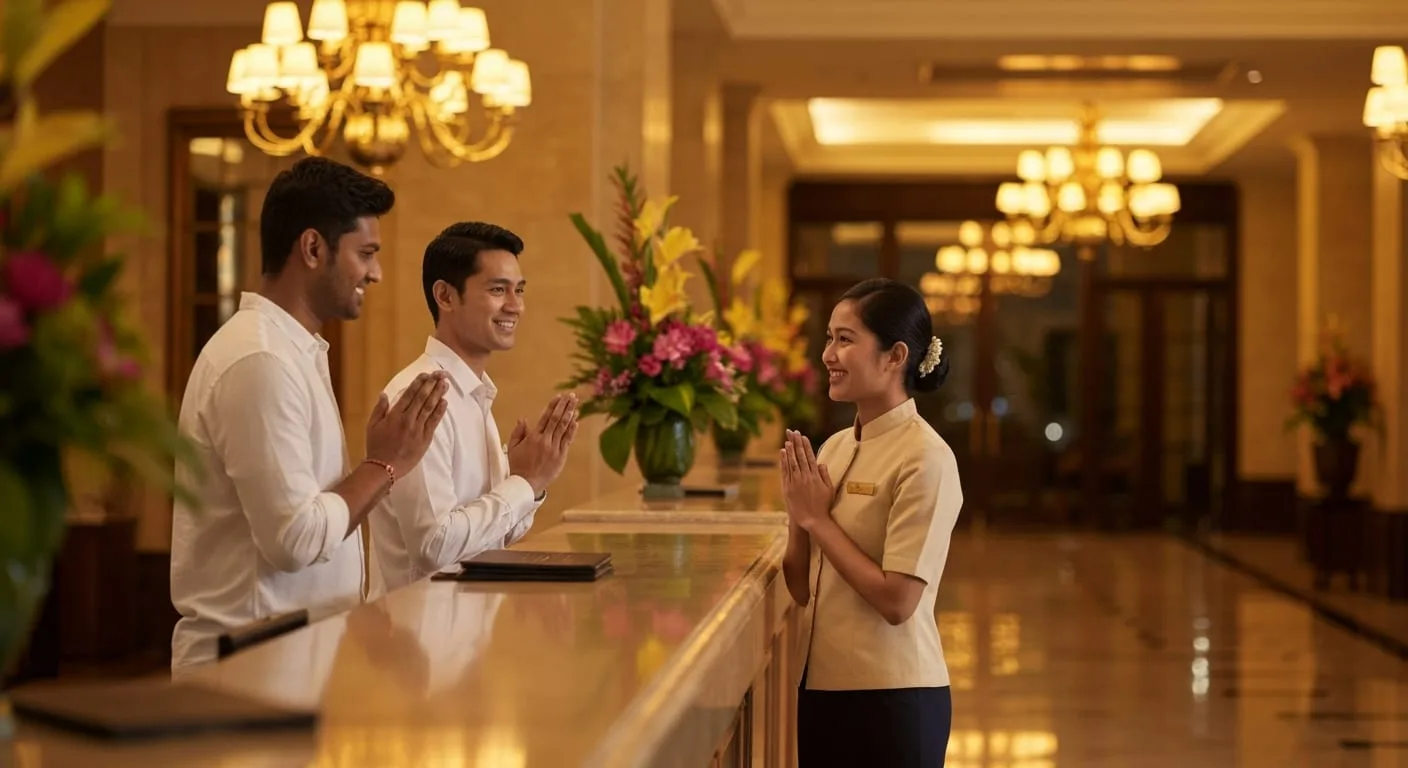
Thai hospitality operates on a completely different frequency. The wai greeting (hands pressed together, slight bow) isn't performative — Thai people genuinely believe in treating guests with respect. And Indians specifically get a warm reception because of the Buddhist-Hindu cultural overlap. Thai people know Ramayana (they call it Ramakien), they recognize Indian gods in their temples, and the cultural familiarity creates an instant bridge.
Practically speaking, I've never been overcharged by a Thai vendor more than a European one would. Street food aunties in Bangkok's Yaowarat area would smile, try to communicate through gestures, and throw in an extra skewer because I kept coming back. Thailand is genuinely one of the top countries where Indians are treated well abroad — you feel the warmth everywhere from ₹800/night guesthouses to five-star resorts.

Japan — Polite to Everyone, But Curious About Indians
Japan treats ALL visitors well — their hospitality culture (omotenashi) is legendary. But Indians get an extra layer of curiosity and warmth. Many Japanese people associate India with yoga, spirituality, and curry (they LOVE Japanese-Indian curry — CoCo Ichibanya is basically a religion there). My experience in Kyoto was wild. A temple guide found out I was Indian and spent 20 extra minutes showing me how Buddhist traditions in Japan connect back to India. At a ramen shop in Tokyo, the chef gave me a free side dish after I told him I was from India. "India, good country!" he said with a thumbs up.
The respect for rules in Japan also means you'll never face discrimination. Nobody cuts in front of you, nobody treats you differently at shops. Japan shows that Indians treated well abroad isn't limited to countries with large diaspora communities. The only challenge is the language barrier, but Japanese people will go absurdly out of their way to help — I once had a woman walk me 15 minutes to my hotel because Google Maps wasn't working.
Georgia — A Love Affair with Indian Tourists
Georgia has become India's darling destination in the last 3-4 years — and the Georgians have responded with open arms. E-visa takes 48 hours. Direct flights are cheap. And the Georgian economy has significantly benefited from Indian tourism. As a result, restaurants have started adding Indian options to menus, hotels keep kettles and tea in rooms by default, and shopkeepers in Tbilisi's Old Town greet you with "Namaste."
But it goes beyond business. Georgians are culturally hospitable — they have a tradition called supra (a feast) where guests are honoured, toasts are raised, and you're basically forced to eat until you can't move. Sound familiar? It's basically our Indian uncle's dinner party. The cultural resonance is strong — another clear case of Indians treated well abroad because of genuine cultural alignment. Plus, Georgian wine is criminally underrated. I spent ₹450 on a bottle that would cost ₹3,500 anywhere in India.
More Countries That Roll Out the Red Carpet
- Mauritius — 40% of the population is of Indian origin. Hindi is widely spoken. Temples everywhere. You'll find Ganesh statues at the airport. It's one of the clearest examples of Indians treated well abroad — feels like India with better beaches.
- Nepal and Bhutan — Cultural siblings. Open border with Nepal (no visa needed). The kinship is real and you'll never feel out of place.
- Malaysia — Significant Tamil and Indian community. Little India in KL is massive. Vegetarian food is easy to find. Thaipusam and Deepavali are national holidays.
- Sri Lanka — Tamil connection in the north, Buddhist cultural overlap everywhere else. Super affordable, 2.5-hour flight from Chennai, and the locals genuinely enjoy Indian visitors.
- Fiji — 37% Indian-origin population. Hindi (Fiji Hindi specifically) is an official language. You'll hear Bollywood songs in markets.
- Bali, Indonesia — Hindu island. Indian gods in every temple. Balinese people feel a spiritual connection with Indians. The warmth here isn't just tourism — it's genuine cultural respect.
Countries Where Indians Are Treated Well but Face Some Challenges
These places aren't hostile. The majority of your trip will be great. But there are specific situations — immigration, service industry, casual interactions — where being Indian means you might deal with something a white tourist wouldn't.
United States — Depends Heavily on Where
The US is a mixed bag. In cities like New York, San Francisco, and Chicago — where Indians are treated well abroad by a large diaspora — where the Indian diaspora is massive — you'll feel welcomed. Edison, New Jersey has more desi restaurants than Connaught Place. The Bay Area runs on Indian tech talent. You'll blend right in. But here's what nobody tells you: smaller American towns can be uncomfortable. I stopped for gas in rural Texas and got stared at like I'd landed from Mars. Nothing was said. Nobody was rude. But the discomfort was palpable.
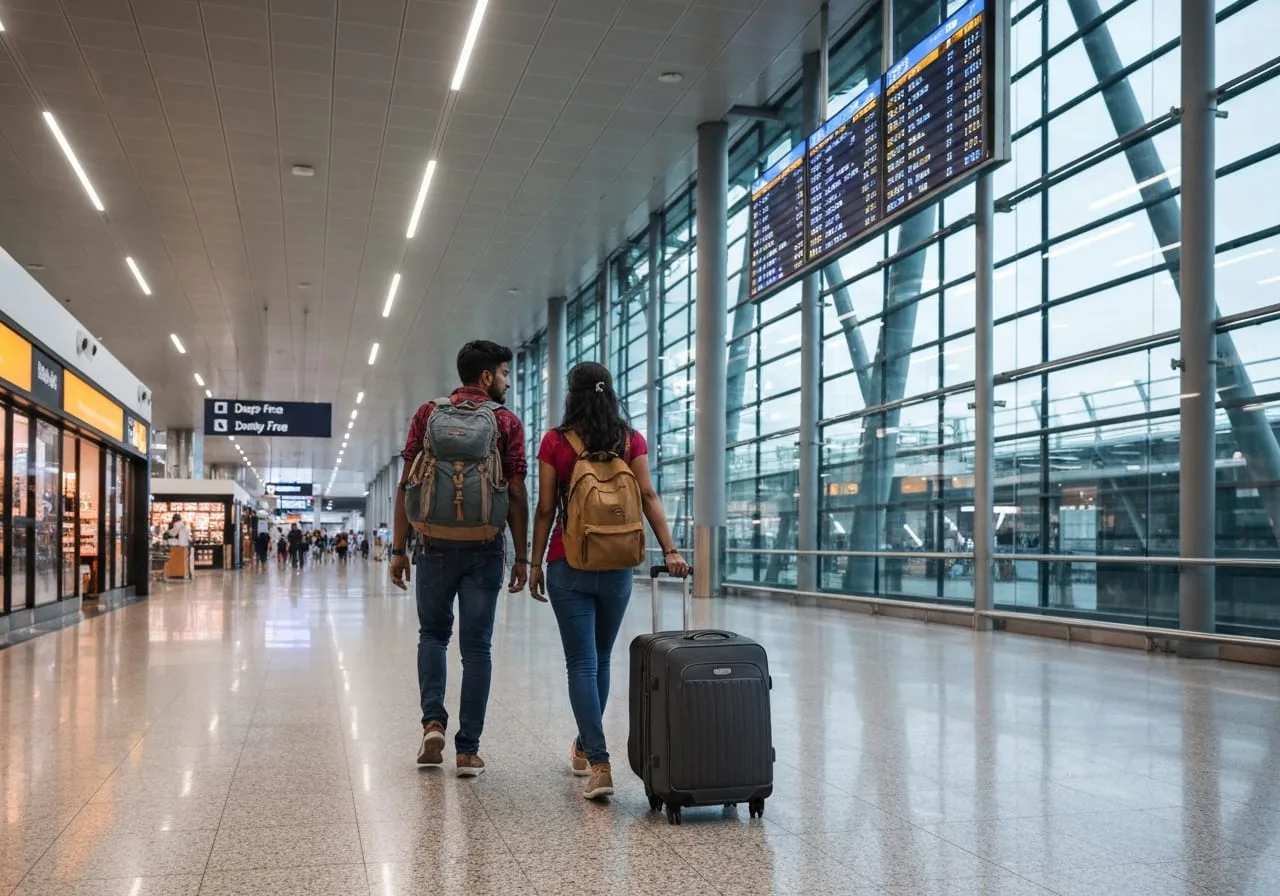
Immigration is another story. With an Indian passport, prepare for the "secondary inspection" lottery. It happened to me once at JFK — 45 minutes of additional questioning, bags checked, asked to show my hotel bookings and return flight. The officer was professional but firm. My friend with a British passport, same flight, same queue, walked out in 90 seconds. Is it discrimination? I'd call it "enhanced scrutiny" that disproportionately affects brown passport holders. It's improving year by year — but it's real.
Australia — Great Country, Occasional Ugly Moments
Australia is genuinely welcoming to Indians overall — the Indian community there is over 900,000 strong, cricket creates an instant bond, and major cities like Sydney and Melbourne are wonderfully multicultural. But isolated racism incidents do happen. The 2009-2010 attacks on Indian students in Melbourne made national news in India, and while the situation has improved dramatically, I'd be lying if I said every Indian traveler has a smooth experience. A friend was called a slur at a pub in Brisbane in 2024. He was shocked — but the bartender immediately threw the guy out and apologized.
The takeaway: Australia's systems (laws, police, institutions) strongly oppose racism. Individual idiots exist everywhere. Don't let isolated incidents define an entire country — because broadly, Indians are treated well abroad in Australia.
Parts of Western Europe — Immigration Can Be Rough
Here's a distinction that matters: European people vs European immigration officers. In my experience, regular Europeans — in Paris, Rome, Barcelona, Amsterdam — are perfectly friendly. The French waiter isn't rude to you because you're Indian; he's rude to everyone equally. That's just France. Italian shopkeepers will chat you up. Spanish bartenders will pour you an extra-generous measure.
But European immigration — specifically Schengen entry points — can be tense with an Indian passport. I've been asked for hotel bookings, bank statements, and travel insurance AT the immigration counter (not at visa stage — AT the counter). My German friend standing next to me was asked exactly zero questions. Frankfurt airport immigration once asked me how much I earn per month. That's a question I wouldn't answer at a family dinner, let alone at an airport. I answered anyway. They stamped the passport. But the experience leaves a bitter taste.
Where Indian Travelers Report the Most Negative Experiences
I want to be careful here. These aren't "avoid at all costs" destinations. But Indian travelers consistently report specific issues that you should be prepared for.
Some Eastern European Countries — Unfamiliarity, Not Malice
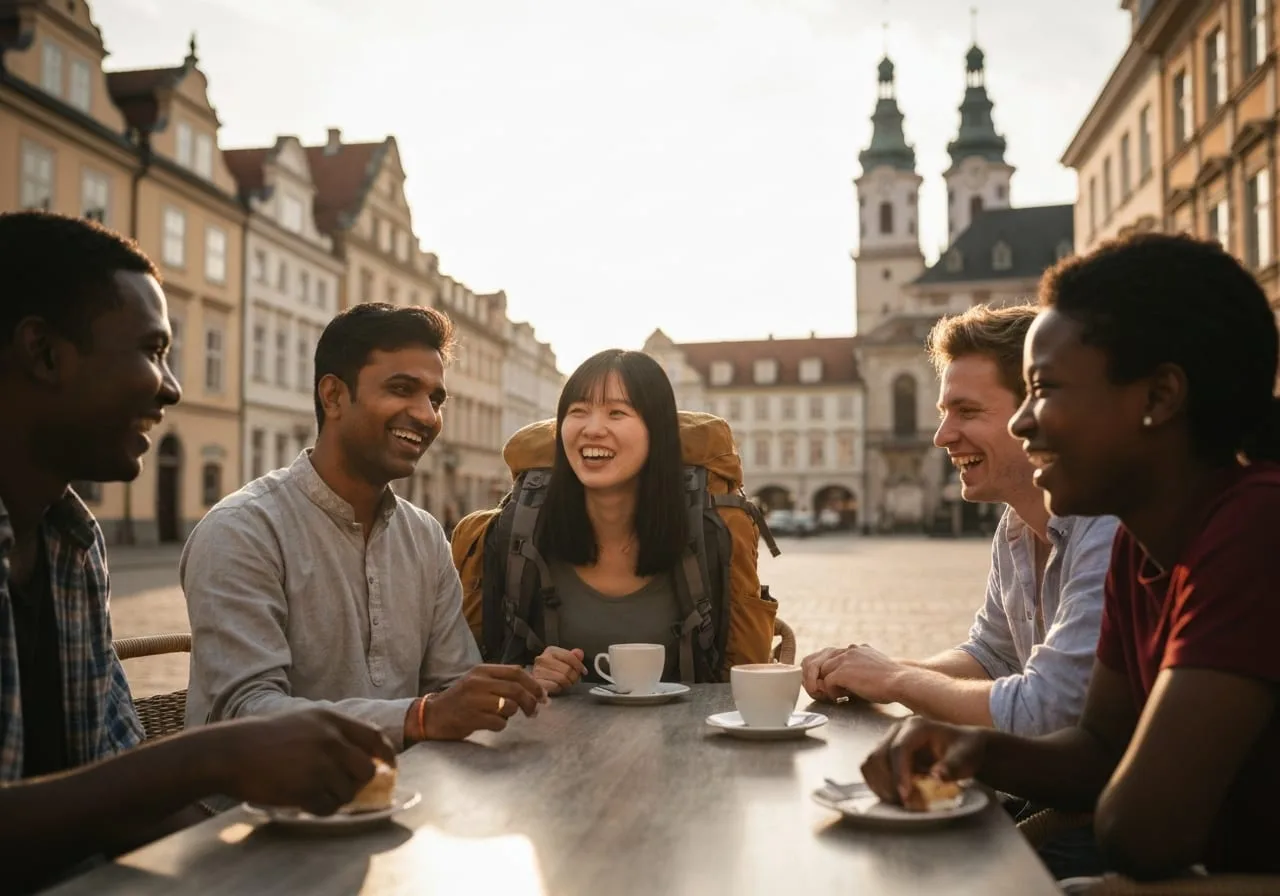
In countries like Czech Republic, Hungary, and Poland — particularly smaller cities — you might get stared at. Not aggressively, but noticeably. The reason is simple: these countries historically had very little interaction with South Asians. People stare out of curiosity, not hostility. But the constant attention can be exhausting. A colleague spent a week in Krakow and said he felt "visible in a way I never do in London."
Prague is different — it gets so many tourists that nobody cares. Same with Budapest's tourist district. But venture into residential areas of smaller Hungarian or Polish towns and you'll notice the stares. It's improving fast as tourism grows and familiarity increases, but it's still a reality for now.
Russia — Red Tape Plus Cultural Distance
Russia has tight immigration controls for everyone, not just Indians. But the combination of visa complexity, language barrier (almost nobody speaks English outside Moscow and St. Petersburg), and a general cultural reserve can make Indian travelers feel unwelcome. A friend was stopped three times by police in Moscow for "document checks" during a 5-day trip. He's convinced it was profiling. The tourist areas (Red Square, Hermitage) are fine. But wander off the beaten path and the warmth drops noticeably.
Specific Situations, Not Entire Countries
Honestly, after 31 countries, my biggest observation is this: blanket statements about entire countries are usually wrong. It's specific situations where discrimination surfaces — immigration counters, visa interviews, upscale restaurants (yes, I've been given the worst table while a white couple got the window seat), and occasionally taxis (being quoted double the meter rate in European cities). The country overall might be wonderful, but these micro-experiences add up.
What to Do If You Face Discrimination While Traveling
I'm not going to tell you to "stay calm and be polite" like some corporate HR training. But here's what actually works. Even in countries where Indians are treated well abroad, occasional bad encounters happen — and here's how to handle them.
- Document everything — Record video or audio if legal in that country, save receipts showing differential pricing, note names and badge numbers of officials
- Contact the Indian Embassy — Every Indian embassy has a helpline for citizens facing issues abroad. Save the number before your trip. The Ministry of External Affairs website lists every embassy with emergency contact numbers.
- Report to tourism boards — Most countries have tourist complaint portals. Thailand has the Tourist Police (dial 1155). Japan has the JNTO helpline. These actually work.
- Leave reviews — A calm, factual Google or TripAdvisor review naming a racist hotel or restaurant hits them where it hurts — their business
- Don't generalize — The worst thing you can do is write off an entire country because of one bad interaction. You'd be furious if a foreigner judged all of India by one rude auto driver in Delhi
How Your Behaviour Shapes the Experience — Honest Talk
Okay, this is the part where I might get some angry comments. But I've been thinking about this for years, and I need to say it. Part of the experience of Indians treated well abroad is influenced by how we present ourselves. Not all of it — institutional racism is real and no amount of dressing well fixes a biased immigration officer. But a significant chunk of the day-to-day experience? That's on us.
Here's what I mean. I've seen Indian tourists at European monuments shouting across halls, pushing to the front of queues, and leaving trash at picnic spots. In Bali, I watched a group of Indian guys harass a female vendor over ₹50 worth of souvenirs. In Japan — a country that reveres silence — I've seen Indian families FaceTiming at full volume in train compartments. Each of these moments contributes to a perception. And the next Indian tourist walking in after them pays for it.
Things that genuinely make a difference when you travel solo from India or with family:
- Dress appropriately for immigration — Clean, presentable clothing makes a measurable difference at border control. I'm not saying wear a suit. I'm saying don't show up in pajamas and chappals.
- Have your documents organized — Hotel booking, return ticket, travel insurance, bank statement — printed copies in a folder. When the officer asks, you hand it over in 3 seconds instead of fumbling through your phone for 5 minutes.
- Learn 5 phrases in the local language — "Hello," "thank you," "please," "sorry," and "the bill." People respond completely differently when you make even a tiny effort.
- Tip where tipping is expected — I know we don't have tipping culture in India. But in the US, not tipping your waiter 15-20% is basically telling them you think their service is worthless. Research local tipping norms before you go.
- Respect queue culture — This is the number one complaint about Indian tourists globally. I'm not exaggerating. Queue. Every. Single. Time.
The Indian Passport Stigma — Is It Getting Better?
Short answer: yes. Long answer: it's complicated. The Indian passport currently ranks around 80th on the Henley Passport Index — meaning visa-free access to about 60 countries. That's up from roughly 50 countries just five years ago. Countries like Thailand (30-day visa-free), Malaysia (30 days), Indonesia (30 days), and the Philippines (14 days) have all opened up to Indian passport holders recently.
The global perception of India is shifting too. India is the world's 5th largest economy. The Indian diaspora includes CEOs of Google, Microsoft, Adobe, and IBM. Bollywood and yoga are globally recognized soft power. When I traveled in 2015, "India" triggered reactions about poverty and chaos. In 2026, it triggers reactions about tech, cricket, and Bollywood. The shift is real.
But let's not pretend the passport is equal to a US or EU one. It's not. Airport immigration will always be slightly more complicated with an Indian passport. Visa applications will always require more documentation. That's the reality. The question is whether it stops you from traveling. And for Indians treated well abroad in dozens of countries, the answer is a loud no.
Indians Treated Well Abroad: Quick Reference Table
| Country | Warmth Level | Why Indians Are Welcome | Visa for Indians |
|---|---|---|---|
| Oman | Exceptional | Historical trade bonds, large Indian community | E-visa (₹1,800) |
| UAE | Exceptional | 30%+ population Indian, Hindi widely spoken | Visa on arrival (14 days) |
| Thailand | Very warm | Buddhist hospitality, cultural overlap | Visa-free (30 days) |
| Japan | Very warm | Omotenashi culture, curiosity about India | E-visa (₹2,200) |
| Georgia | Very warm | Tourism economy, cultural hospitality (supra) | E-visa (₹800) |
| Mauritius | Feels like home | 40% Indian origin, Hindi spoken | Visa-free (60 days) |
| Malaysia | Warm | Large Indian community, festivals celebrated | Visa-free (30 days) |
| Nepal | Family-level | Cultural siblings, open border | No visa needed |
| Sri Lanka | Warm | Tamil connection, cultural overlap | Visa-free (30 days) |
| Bali/Indonesia | Warm | Hindu island, spiritual connection | Visa-free (30 days) |
Positive Trends — Why the Future Looks Good
I'll be honest — I started writing about Indians treated well abroad feeling cynical. But as I wrote it, I realized the trajectory is overwhelmingly positive. Here's why.
Indian outbound travel is growing at 15-20% annually. We're projected to be the world's 3rd largest outbound travel market by 2030. Countries want our money and our growing middle class. The result? More Indians treated well abroad than ever before. Thailand literally created a visa-free entry specifically to attract Indian tourists. Georgia simplified its visa because Indian arrivals were booming. The Philippines opened up because Air India lobbied for direct flights and the demand was obvious.
The global Indian diaspora — 18 million people in 130+ countries — has created permanent bridges. Wherever Indians settle, they build communities, open businesses, and change perceptions. The safety record of Indian solo female travelers choosing new destinations has also helped normalize Indian tourism in places that previously saw few Indian visitors.
And then there's soft power. When 1.4 billion people watch cricket, practice yoga, eat Indian food, and build tech companies — the world notices. I've had conversations in random bars in Lisbon, Tbilisi, and Bogota where people knew about India not from stereotypes but from actual engagement. That shift matters. It means the next generation will see even more Indians treated well abroad, walking into airports with a bit more respect already built in.
Frequently Asked Questions
Which countries treat Indian tourists the best?
Based on consistent traveler feedback, Oman, UAE, Thailand, Japan, Georgia, Mauritius, and Malaysia rank highest for Indian tourist experiences. These countries combine cultural warmth, established Indian communities, and tourist-friendly visa policies. Oman and UAE stand out because of deep historical ties and massive Indian diaspora populations — these are where Indians are treated well abroad most consistently.
Do Indian passport holders face discrimination at immigration?
Indian passport holders sometimes face additional scrutiny at immigration — particularly at US and Schengen zone entry points. This typically means longer questioning, requests for bank statements or hotel bookings, and occasional secondary inspections. Having organized documents (printed hotel confirmations, return tickets, travel insurance, bank statements) significantly speeds up the process.
Is it safe for Indians to travel to Eastern Europe?
Eastern Europe is generally safe for Indian travelers. Countries like Czech Republic, Hungary, and Poland may involve curious staring in smaller towns due to limited familiarity with South Asian visitors, but major tourist cities like Prague and Budapest are cosmopolitan and welcoming. Safety from crime is rarely a concern — the main discomfort is social.
How can Indian travelers avoid discrimination abroad?
Dress presentably at immigration, keep printed copies of all travel documents organized, learn basic local phrases (hello, thank you, please), respect queue culture, and research tipping norms. While institutional bias exists and isn't your fault, these practical steps measurably improve your day-to-day experience at borders, hotels, and restaurants.
Are countries becoming more welcoming to Indian tourists?
Yes — significantly. In the last 3 years, Thailand, Malaysia, Sri Lanka, and the Philippines have all introduced visa-free or simplified visa entry for Indians. India's growing economy (5th largest globally), expanding diaspora (18 million worldwide), and cultural soft power through tech, cricket, Bollywood, and yoga are steadily improving how Indian travelers are perceived abroad.