

Australia Trip Cost from India: Realistic Budget Breakdown 2026
In this guide (15)
- The Visa Reality Check: Subclass 600 Costs and Process
- Flight Costs: The Biggest Variable in Your Australia Trip Cost from India
- Accommodation: From Backpacker Bunks to Boutique Hotels
- City-by-City Cost Breakdown: Sydney, Melbourne, Gold Coast
- The Great Barrier Reef: Is It Worth the Splurge?
- Transport Within Australia: Opal Cards, Trains, and Domestic Flights
- Food Costs: Cooking vs Eating Out
- Realistic 10-Day Australia Trip Cost from India: The Complete Budget
- Australia Trip Cost for a Couple from India (7 and 10 Days)
- Money-Saving Tips That Actually Work
- What About New Zealand While You're There?
- Best Time to Visit Australia from India
- Is Australia Worth It for Indian Travelers?
- Frequently Asked Questions
- Final Thoughts
Most first-time visitors from India underestimate what Australia really costs. Online figures of ₹2 lakh for a "comfortable" trip rarely survive contact with long-haul flights, the visa fee, city hotels and restaurant meals, so a realistic australia trip cost from india needs to be worked out item by item.
Look, Australia is not Bali. It's not even Singapore expensive — it's a different league altogether. But here's what nobody tells you: once you crack the code on where to spend and where to cut, the Land Down Under becomes surprisingly doable for Indian travelers. This guide breaks down the main costs, the common mistakes, and how to plan a realistic budget that won't leave you eating instant noodles by day five.
The Visa Reality Check: Subclass 600 Costs and Process
Before you start dreaming about kangaroos and the Sydney Opera House, you need the visa. The Australian tourist visa (subclass 600) costs AUD 250 from 1 July 2026, which comes to roughly ₹17,000 at current rates. That's just the application fee. The actual process? Surprisingly straightforward if your documents are in order.
Here's what you'll need: six months of bank statements showing consistent balance (they want to see ₹3-4 lakh minimum sitting there), ITR for the last two years, employer NOC or leave approval, confirmed hotel bookings (refundable ones work), and a cover letter explaining your travel plans. The processing takes 15-20 working days typically, and times vary, so apply well ahead of your travel dates.
A useful tip: apply through the official Australian immigration portal, not through VFS. VFS charges an additional ₹1,200 service fee. Unless you're completely clueless about filling forms, do it yourself.
Flight Costs: The Biggest Variable in Your Australia Trip Cost from India
Flights will eat 30-40% of your total budget. There's no way around it. Here are the typical ranges.
Direct flights from Delhi or Mumbai to Sydney run ₹65,000-95,000 return during normal season (February-April, August-October). Air India flies direct to Sydney and Melbourne. Qantas flies Bengaluru-Sydney (temporarily suspended from 8 August to 24 October 2026) and runs a seasonal Delhi-Melbourne service from 26 October 2026 to 27 March 2027. Flight time is around 11-12 hours.
One-stop connections through Singapore, Kuala Lumpur, or Bangkok drop prices to ₹45,000-60,000. Singapore Airlines via Changi is a popular choice, and the layover is comfortable. Malaysia Airlines through KL offers the cheapest fares but longer connections.
Flash sales on Scoot (Singapore Airlines' budget arm) and Malaysia Airlines occasionally undercut these ranges. These deals exist — you just need to hunt them.
Our guide to finding cheap international flights from India covers tricks that apply here too. Set alerts on Google Flights, check Skyscanner's "cheapest month" feature, and book 3-4 months ahead for the sweet spot pricing.
Best Time to Book Australia Flights
Australian seasons are reversed, so their summer (December-February) coincides with our winter holidays. Worst time to fly. Prices spike above ₹90,000, sometimes touching ₹1.2 lakh during Christmas week.
The smart play: visit during their autumn (March-May) or spring (September-November). Weather is gorgeous, crowds are manageable, and flights stay reasonable. Early April is a good example: Sydney's average April maximum is around 22°C.
Accommodation: From Backpacker Bunks to Boutique Hotels
Australian accommodation costs will shock you if you're used to Southeast Asian prices. A basic hotel room that would cost ₹2,000 in Bangkok runs ₹8,000-10,000 in Sydney. But there are ways to manage this.
Budget Tier (₹2,500-4,500/night)
Hostels are your friend. YHA (Youth Hostels Association) properties are everywhere and surprisingly clean. A dorm bed costs AUD 35-50 (₹2,400-3,400). Private rooms in hostels run AUD 80-110 (₹5,500-7,500). Hostels near Sydney's Central Station put you close to trains and the airport line.
Airbnb works too, especially if you're traveling with friends. A group of four splitting a three-bedroom apartment in Melbourne's CBD usually pays far less per head than for separate hotel rooms.
Mid-Range Tier (₹7,000-12,000/night)
This is where most Indian families land. Three-star chains like ibis, Quest Apartments, or Travelodge offer consistency and usually include kitchenettes. Having a kitchen is HUGE in Australia — supermarket groceries are reasonable, restaurants are not.
Quest Apartment Hotels deserve special mention. They're studio apartments with full kitchens. You pay hotel prices but save massively on food costs. Many Quest properties include a stove, microwave and laundry facilities, so making your own chai and breakfast is easy.
Premium Tier (₹15,000-30,000/night)
If budget isn't a constraint, Australia delivers. The QT hotels have incredible design. Ovolo properties are quirky and fun. For something special, the Langham Melbourne or Park Hyatt Sydney are world-class. But honestly? Unless you're celebrating something major, mid-range accommodation is perfectly comfortable.
City-by-City Cost Breakdown: Sydney, Melbourne, Gold Coast
Not all Australian cities cost the same. Sydney is the priciest, Melbourne slightly cheaper with better food value, and Queensland (Gold Coast, Brisbane, Cairns) offers more bang for your buck.
Sydney: Beautiful But Brutal on the Wallet
Daily budget range: ₹8,000-15,000 per person (excluding accommodation)
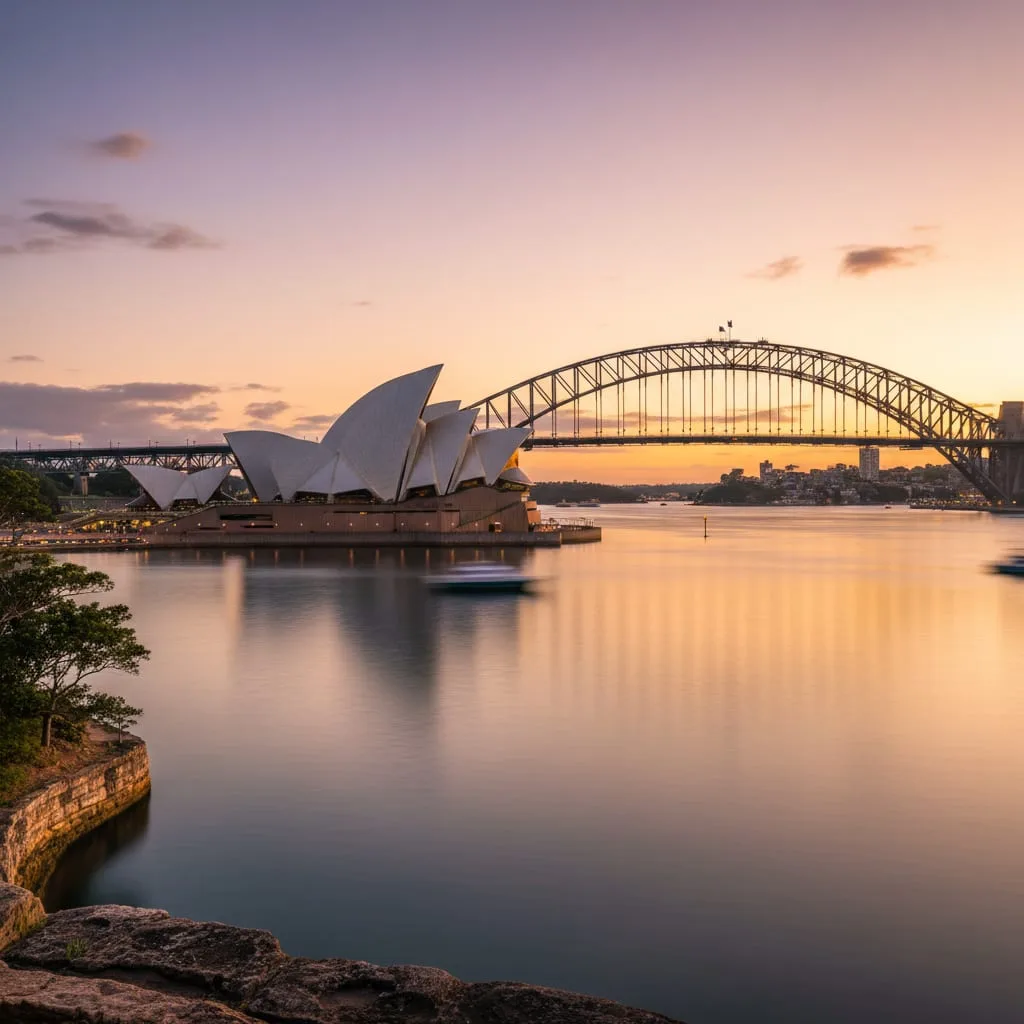
Sydney Harbour is free to walk. The Opera House exterior is free to photograph (interior tours cost AUD 43). Bondi Beach is free. The Rocks markets on weekends are free to browse. Mrs Macquarie's Chair viewpoint is free. See the pattern?
Where Sydney hurts: restaurant meals average ₹1,500-2,500. A basic fish-and-chips lunch near Circular Quay can easily cost ₹1,500-1,800. Coffee is ₹350-450 everywhere. Public transport in Sydney uses Opal (or a contactless bank card): adult fares are capped at AUD 19.30 a day Monday-Thursday and AUD 9.65 on Fridays, weekends and public holidays (about ₹1,320 and ₹660), and most sightseeing days cost less than the cap.
Save money: Woolworths and Coles supermarkets have ready-to-eat meals for ₹500-700. Grab breakfast from there. Chinatown in Haymarket has proper meals under ₹800.
Melbourne: The Foodie's City (and Actually Affordable)
Daily budget range: ₹6,000-12,000 per person (excluding accommodation)
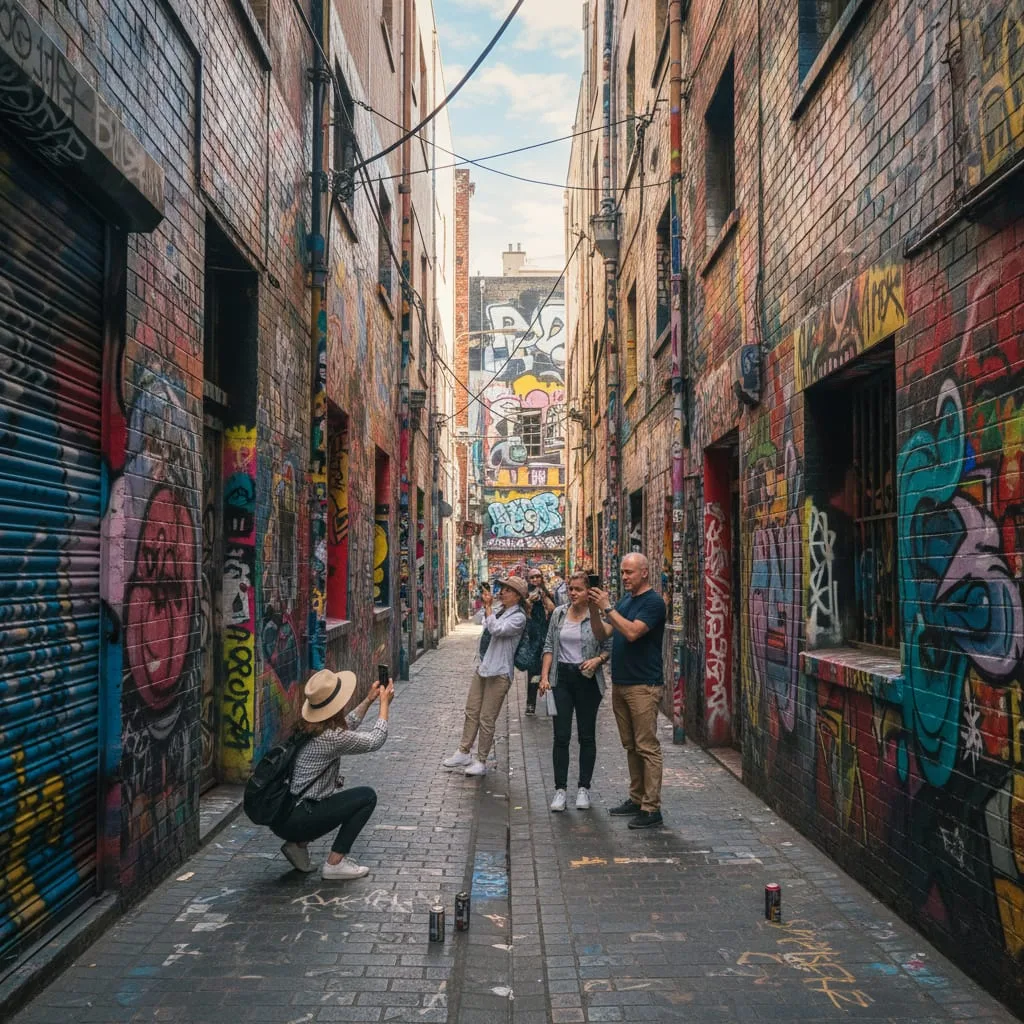
Melbourne is better value. The free tram zone covers most of the CBD — that's zero transport costs for central sightseeing. The laneways, street art, and markets cost nothing to explore. Federation Square is free. St Kilda Beach is a free tram ride (well, outside the zone, but still cheap).
Food in Melbourne is better value than Sydney. Brunswick Street and Victoria Street (Richmond) have incredible Vietnamese food under ₹700. Queen Victoria Market has cheap produce if you're cooking. The espresso culture means excellent coffee everywhere — Melburnians would riot if prices went above ₹400.
Also, Melbourne's laneway bars and rooftop venues offer happy hour deals. A pint of craft beer during happy hour runs ₹450-550. Evening pub meals with a drink come to ₹1,200-1,500.
Gold Coast and Queensland: Best Value for Beaches
Daily budget range: ₹5,500-10,000 per person (excluding accommodation)
Surfers Paradise is more affordable than the eastern capitals. Hostels are cheaper, food courts in shopping centers offer decent meals at ₹600-800, and the beaches are obviously free. The theme parks (Dreamworld, Movie World, Sea World) are expensive though — AUD 99-129 per park.
Pro tip: Get the multi-park passes if you're doing more than two parks. The Village Roadshow pass covers Movie World, Sea World, and Wet'n'Wild for about AUD 149. Still expensive, but better math.
The Great Barrier Reef: Is It Worth the Splurge?
Short answer: yes. Long answer: budget for it properly.
Day trips from Cairns to the Great Barrier Reef cost AUD 180-280 (₹12,300-19,100). This includes boat transport, snorkeling gear, lunch, and sometimes an intro dive. Operators from Cairns' Reef Fleet Terminal offer broadly similar full-day trips.
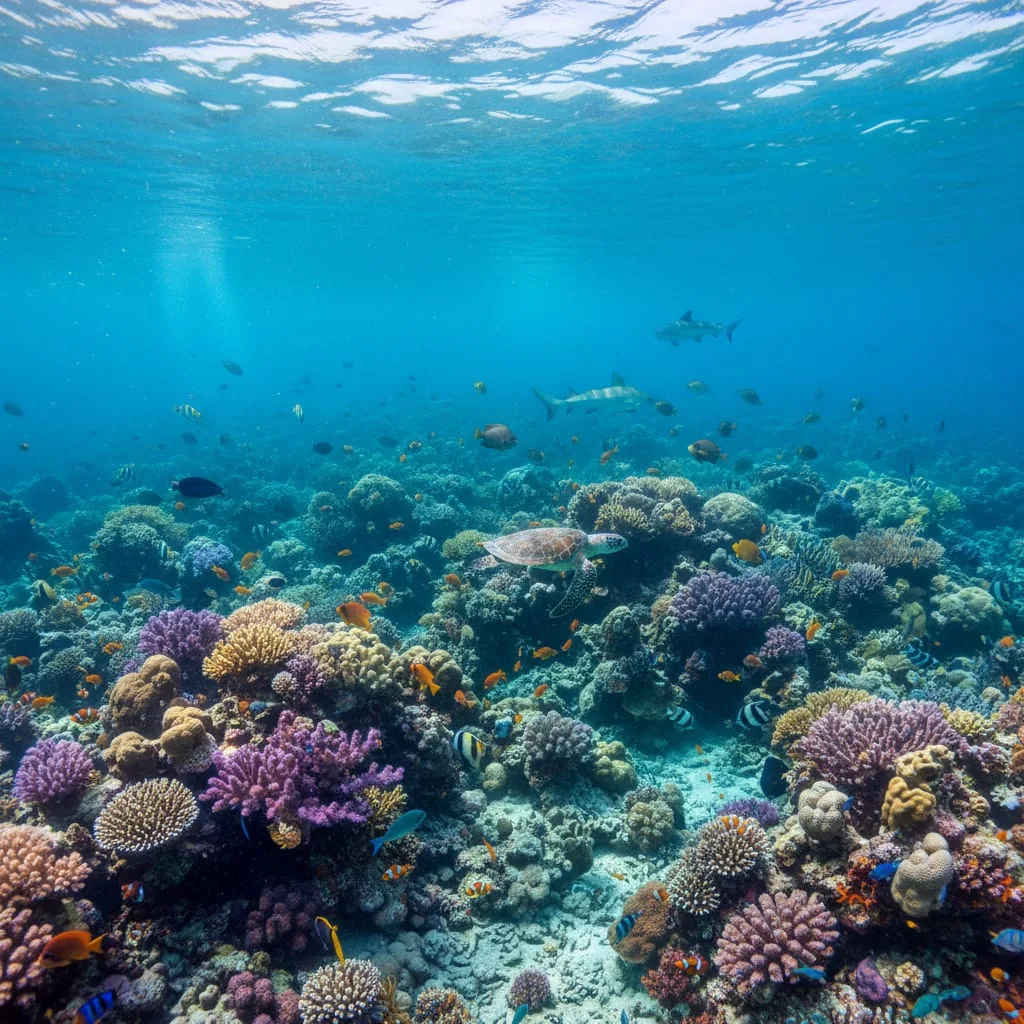
The reef is under serious stress from repeated mass coral bleaching, which is documented by the Great Barrier Reef Marine Park Authority. But the parts that remain are absolutely worth seeing. Schools of parrotfish, clownfish in anemones, the impossible blue of the Coral Sea. If you're already spending lakhs to reach Australia, don't skip this because of an extra ₹15,000.
Also budget a flight from Sydney/Melbourne to Cairns: ₹6,000-12,000 each way on Jetstar or Virgin Australia. Book early for the cheaper fares.
Transport Within Australia: Opal Cards, Trains, and Domestic Flights
Australia is MASSIVE. People don't realize this. Melbourne to Sydney is 880 km — like Delhi to Mumbai. You're not casually driving between cities.
Within Cities: Opal and Myki Cards
Sydney uses Opal, Melbourne uses Myki. Both are tap-on, tap-off systems covering trains, buses, ferries, and light rail. Daily caps mean unlimited travel beyond a certain spend: in Sydney AUD 19.30 Monday-Thursday and AUD 9.65 Friday-Sunday and public holidays (about ₹1,320 and ₹660), while Melbourne's myki daily cap is lower. Budget roughly ₹500-1,000/day for city transport.
Melbourne's free tram zone is genuinely brilliant. It covers the entire CBD, Docklands, and near Federation Square. You can do substantial sightseeing without paying a cent for transport.
Between Cities: Domestic Flights Beat Everything
Don't take the train between Sydney and Melbourne unless you really love trains. The XPT takes 11 hours and costs nearly as much as flying. Jetstar and Virgin Australia run frequent flights (Rex grounded its Boeing 737 capital city routes on 31 July 2024 and now flies regional routes only) — book in advance for ₹3,000-6,000 one-way.
Same applies for Sydney to Gold Coast, Melbourne to Adelaide, anywhere to Cairns. Domestic flying is well-developed and competitive. Qantas is nicest but priciest, Jetstar is no-frills but cheap, Virgin Australia sits in between.
Road Trips: Rental Cars and the Great Ocean Road
The Great Ocean Road is one of Australia's best drives. Renting a car costs AUD 50-80/day for a basic sedan. Add AUD 30-40/day for comprehensive insurance (don't skip this — kangaroo collisions are real). Fuel runs about ₹8-10 per km for a small car.
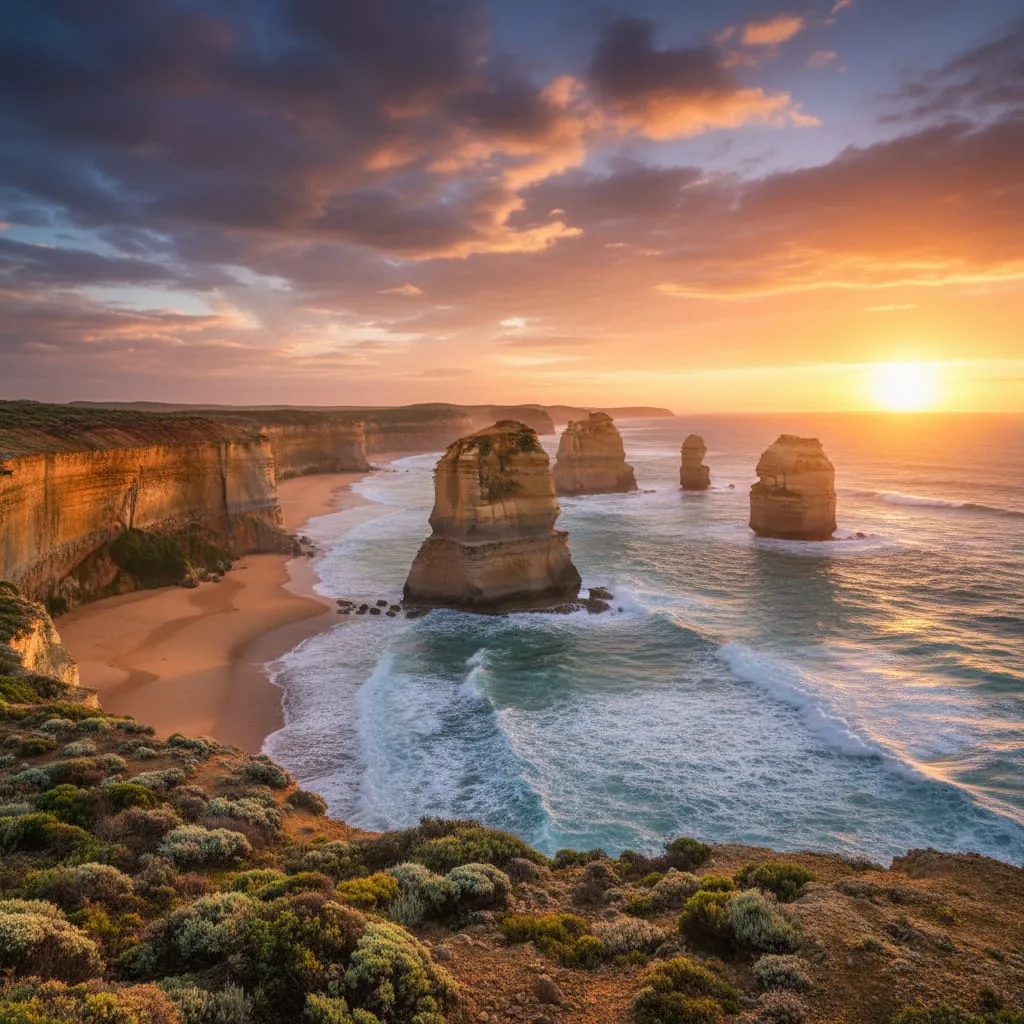
A two-day Great Ocean Road trip covering Melbourne to the Twelve Apostles and back costs roughly ₹15,000 including car, fuel, and one night in Apollo Bay. Worth every rupee.
Food Costs: Cooking vs Eating Out
This is where most Indian travelers overspend. Restaurant meals in Australia average AUD 25-45 (₹1,700-3,050) for basic dining. A proper restaurant dinner with drinks easily crosses ₹3,500 per person.
Supermarket groceries are surprisingly reasonable. Woolworths and Coles have cooked rotisserie chickens for AUD 12 (₹820) that feed two people. Pre-made salads run AUD 5-8. Bread, cheese, and deli meats for sandwiches come to ₹800-1,000 for several days' worth.
Indian food exists but is mediocre and overpriced outside specific suburbs. Harris Park in Sydney has decent Indian restaurants. Dandenong in Melbourne has good options. Otherwise, prepare for subpar biryani at ₹1,200+.
A cost-cutting pattern that works: supermarket breakfast, packed lunch from supermarket, one proper restaurant dinner. Total food budget: ₹2,500-3,500/day vs ₹5,000+ eating out every meal.
Realistic 10-Day Australia Trip Cost from India: The Complete Budget
Let me give you three budgets based on different travel styles. All assume two people traveling together.
Budget Backpacker: ₹1.8-2.2 Lakh Per Person
- Flights: ₹50,000 (one-stop, booked early)
- Visa: ₹17,000
- Accommodation: ₹30,000 (hostel dorms @ ₹3,000/night)
- Food: ₹25,000 (mostly cooking, occasional eating out)
- Transport: ₹15,000 (public transit, one domestic flight)
- Activities: ₹25,000 (one major experience like reef, otherwise free stuff)
- Insurance: ₹2,500 (get proper coverage — see our guide to travel insurance options)
- Buffer: ₹10,000
Comfortable Mid-Range: ₹2.8-3.5 Lakh Per Person
- Flights: ₹65,000 (decent timing, possibly direct)
- Visa: ₹17,000
- Accommodation: ₹70,000 (mid-range hotels @ ₹7,000/night)
- Food: ₹40,000 (mix of cooking and restaurants)
- Transport: ₹25,000 (Opal/Myki, 2-3 domestic flights)
- Activities: ₹50,000 (reef, theme parks, tours)
- Insurance: ₹3,000
- Buffer: ₹20,000
Comfortable Premium: ₹4-5 Lakh Per Person
- Flights: ₹85,000 (direct flights, good airlines)
- Visa: ₹17,000
- Accommodation: ₹1,20,000 (4-star hotels @ ₹12,000/night)
- Food: ₹60,000 (restaurant dining, good experiences)
- Transport: ₹35,000 (domestic flights, some taxi/Uber)
- Activities: ₹80,000 (helicopter over reef, premium tours)
- Insurance: ₹4,000
- Buffer: ₹30,000
Australia Trip Cost for a Couple from India (7 and 10 Days)
Couples save mainly on accommodation, because one room is shared. Using the same rates as above (visa AUD 250 each, about ₹17,075; a private hostel room or budget motel at AUD 80-110 a night, about ₹5,500-7,500; a mid-range room at ₹7,000-12,000), here is what two people typically spend in total:
| Item (for two) | Budget, 7 days | Budget, 10 days | Mid-range, 7 days | Mid-range, 10 days |
|---|---|---|---|---|
| Return flights | ₹1,00,000 | ₹1,00,000 | ₹1,30,000 | ₹1,30,000 |
| Visas (2 × AUD 250) | ₹34,150 | ₹34,150 | ₹34,150 | ₹34,150 |
| One shared room (6 or 9 nights) | ₹33,000-45,000 | ₹49,500-67,500 | ₹42,000-72,000 | ₹63,000-1,08,000 |
| Food | ₹35,000 | ₹50,000 | ₹56,000 | ₹80,000 |
| Local transport and domestic flights | ₹21,000 | ₹30,000 | ₹35,000 | ₹50,000 |
| Activities | ₹35,000 | ₹50,000 | ₹70,000 | ₹1,00,000 |
| Insurance and buffer | ₹18,000 | ₹25,000 | ₹33,000 | ₹46,000 |
| Total for two | ₹2.76-2.88 lakh | ₹3.39-3.57 lakh | ₹4.0-4.3 lakh | ₹5.03-5.48 lakh |
That works out to roughly ₹1.4-1.8 lakh per person on a budget and ₹2-2.75 lakh per person mid-range — below the per-person figures above because the room is shared. Flights and visas are fixed per head, so a shorter trip saves less than you might expect: cutting 10 days to 7 trims only about ₹60,000-1,20,000 for two. Spending that saving on one big experience, such as a Great Barrier Reef day trip at AUD 180-280 (₹12,300-19,100) each, is usually a better use of the money than extra nights in Sydney.
Money-Saving Tips That Actually Work
Here's what genuinely saves money in Australia:
Free public BBQs: They're everywhere — parks, beaches, even some hostels. Bring sausages and bread from Woolworths. A BBQ dinner for two costs ₹500.
Free walking tours: Sydney and Melbourne have excellent free walking tours. The guides work on tips. Give AUD 10-20 and learn more than any paid tour.
Happy hour hunting: Between 4-6 PM, many pubs offer discounted drinks and cheap meals. Some places do ₹800-1,000 steak dinners during happy hour.
Sunday roast specials: Aussie pubs do traditional Sunday roasts for AUD 15-20 (₹1,020-1,350). Huge portions, decent quality.
Tap water is safe: Don't waste money on bottled water. Carry a reusable bottle.
Museum free days: National Gallery of Victoria (NGV) is always free. Other museums have free entry periods — check websites.
What About New Zealand While You're There?
This question comes up constantly. "I'm already flying that far, should I add New Zealand?"
Honestly? Do both eventually, but separately. They're different trips with different highlights. Combining them makes each feel rushed. Auckland to Sydney flights are cheap (₹8,000-15,000), but you need at least 7-10 days for New Zealand to do it justice.
For New Zealand planning, see our detailed New Zealand trip cost guide from India with similar budget breakdowns.
Best Time to Visit Australia from India
March-May (Australian autumn) is ideal for first-timers. Weather is comfortable across most regions, crowds thin after summer holidays, and prices stabilize. April is a particularly good month — Sydney and Melbourne are mild, and the reef is still diveable.
September-November (Australian spring) works too, especially for wildflowers in Western Australia. Just avoid school holidays (late September, mid-October).
December-February is peak summer, peak crowds, and peak prices. Unless you specifically want to experience Australian Christmas (beach BBQs, sunburn, and confused carol singing), skip this period.
June-August is their winter. Sydney and Melbourne get cold (10-15°C), but it's actually great for road trips up north. The reef has excellent visibility during winter months, and Queensland stays warm year-round.
Is Australia Worth It for Indian Travelers?
The honest answer: Australia is not a budget destination. You will spend 2-3x what you'd spend in Southeast Asia for a similar trip length. The food costs alone can feel outrageous when you're used to ₹200 dosas and ₹50 chai.
But Australia delivers experiences you can't replicate elsewhere. The Great Barrier Reef. Kangaroos hopping through a golf course at dusk. Coffee culture that makes even Italian espresso fans nervous. Cities that actually work — clean, efficient, safe at 2 AM. Nature that's genuinely wild and weird (platypus? echidnas? trees that explode in fires?).
If you're into adventure travel, Australia is incredible — cage diving with sharks in Port Lincoln, skydiving over beaches, scuba certification on the reef. The adventure infrastructure is world-class.
For families, the theme parks and beaches keep kids happy. For couples, the road trips and wine regions are romantic. The Tourism Australia website has excellent itinerary suggestions. For solo travelers, the hostel culture and backpacker trail are welcoming.
Just go in with realistic expectations about costs. Plan properly, book early, and you'll have an incredible trip without returning to an empty bank account.
Frequently Asked Questions
How much does a 10-day Australia trip cost from India?
A comfortable 10-day Australia trip from India costs between ₹2.5 to 4 lakh per person including flights, visa, accommodation, food, and activities. Budget travelers can manage around ₹1.8-2.2 lakh with hostels and careful planning.
What is the cheapest month to fly to Australia from India?
May to early June offers the cheapest flights from India to Australia, with return tickets sometimes under ₹50,000. Avoid December-January (Australian summer and Indian holidays) when prices peak above ₹90,000.
Is Australia expensive compared to Southeast Asia?
Yes, significantly. Daily costs in Australia run ₹8,000-15,000 versus ₹3,000-5,000 in Thailand or Bali. However, free attractions, public BBQs, and supermarket meals help manage expenses.
Do I need a transit visa for Australia if connecting through Singapore?
No, you only need the Australian visitor visa (subclass 600). Staying inside the Changi transit area needs nothing. If you want to leave the airport, Singapore's 96-hour Visa Free Transit Facility needs an onward ticket within 96 hours plus a valid visa or long-term pass (at least one month of validity) from Australia, Canada, Germany, Japan, New Zealand, Switzerland, the UK or the USA, and your Australian visitor visa counts.
Can I use my Indian driving license in Australia?
Yes, Indian driving licenses are valid in Australia for the first three months of your visit. For a road trip along the Great Ocean Road or to Uluru, carry your original license plus an International Driving Permit for smooth car rentals.
Is travel insurance mandatory for the Australia tourist visa?
While not technically mandatory for subclass 600, Australian immigration strongly recommends it. Healthcare in Australia is extremely expensive for visitors — a simple hospital visit can cost ₹50,000 or more. Get insurance covering at least ₹50 lakh for medical emergencies.
Final Thoughts
Australia rewards travellers who plan. Free experiences (sunset at Bondi costs nothing when dinner costs ₹2,000), supermarket meals and early bookings make the biggest difference to the final bill.
Most first-trip budget mistakes come from underestimating food, city hotels and domestic flights — use the breakdown above to avoid them.
Start planning early, watch for flight deals, embrace the hostel life if you're young enough to tolerate it, and don't skip the reef. Australia is worth every rupee, just make sure you bring enough of them.
Planning this trip?
Tell us roughly when and how many — our travel expert sends you a custom quote, usually within a few hours.