

The -30°C Reality: Why South Indians Are Wildly Unprepared for Almaty Winters
In this guide (13)
- Understanding Almaty's Extreme Winter: Month-by-Month Reality Check
- The Science of Layering: Why Your "Warm Jacket" Will Fail You
- Almaty Winter Guide: What to Buy in India vs. Almaty
- Protecting Your Extremities: Where Frostbite Strikes First
- Almaty Winter Guide to Skincare: Your South Indian Skin Will Revolt
- Your Phone Will Die: Tech Survival in Extreme Cold
- Breathing in Extreme Cold: It Actually Requires Technique
- Acclimatization Strategy: Your First 48 Hours
- Indoor-Outdoor Temperature Shock Management
- Where to Experience Winter Almaty Safely
- Emergency Preparedness: What to Do If Things Go Wrong
- What Nobody Tells You: The Unexpected Joys
- Final Packing Checklist
I watched a family from Chennai step off the plane at Almaty International Airport last January wearing what they probably considered "winter clothes" — light sweaters, cotton socks, and sneakers. Within three minutes of walking to the taxi stand, the father was shaking uncontrollably, the children were crying, and the mother looked genuinely terrified. The temperature that morning was -24°C. They had never felt anything below 15°C in their lives.
This almaty winter guide exists because I have seen this scene repeat itself dozens of times. Travelers from South India — Chennai, Bangalore, Hyderabad, Kochi, Coimbatore — arrive in Kazakhstan having dramatically underestimated what "cold" actually means. You have read the numbers. You have seen photos of snow. But nothing prepares you for that first lungful of air so cold it feels like swallowing glass, or the way your fingers lose sensation in under two minutes.
I am going to be brutally honest with you here. If you are coming from a climate where 18°C is considered "sweater weather," Almaty in winter will shock your system. But with the right preparation — and this guide covers every detail — you can not only survive but genuinely enjoy one of Central Asia's most beautiful winter destinations. TripCabinet has helped hundreds of warm-climate Indians navigate this transition, and everything in this guide comes from real experience, real mistakes, and real solutions.
Understanding Almaty's Extreme Winter: Month-by-Month Reality Check
Let me give you the truth that generic travel sites skip over. According to Kazakhstan Ministry of Culture, Almaty sits at 800 meters elevation, backed by the Tian Shan mountains that trap cold air over the city. This is not European cold where 0°C feels manageable. This is continental Central Asian cold — dry, sharp, and penetrating.
November: The transition month. Temperatures swing between +5°C during sunny afternoons and -10°C at night. Snow begins falling. Many South Indians visit thinking this is "mild winter" — it is not. You need proper winter gear even now.
December: Real winter arrives. Daytime highs hover around -5°C to -8°C, nights drop to -15°C regularly. Snow covers everything. The cold becomes relentless rather than occasional.
January: The coldest month. Average temperatures sit between -8°C and -15°C, but cold snaps frequently push to -25°C or colder. The record low is -38°C. Frostbite becomes a genuine risk. This is when unprepared tourists panic.
February: Still brutal, barely warmer than January. Temperatures range from -6°C to -12°C typically, with cold spells still hitting -20°C. The sun gets slightly stronger but does not warm you.
March: The thaw begins slowly. Early March remains properly cold (-5°C to -10°C), but late March sees temperatures climb toward 0°C to +5°C. Snow melts into slush. This is a good compromise month for nervous first-timers.

The Science of Layering: Why Your "Warm Jacket" Will Fail You
This almaty winter guide section covers layering — the single most important skill for surviving extreme cold. Here is where most South Indian travelers go wrong. You buy the thickest jacket you can find, maybe a single woolen sweater underneath, and assume bulk equals warmth. At -20°C, this strategy fails spectacularly. Let me explain why and what actually works.
Your body generates heat constantly. In extreme cold, the goal is not just insulation — it is managing moisture while trapping warmth. When you wear cotton against your skin and sweat even slightly (from walking, climbing stairs, or moving through heated buildings), that moisture freezes. Suddenly your "warm" clothes are ice packs against your body.
The three-layer system solves this:
Base Layer (Against Your Skin): This layer wicks sweat away from your body. It must be synthetic (polyester, polypropylene) or merino wool — never cotton. I cannot stress this enough. Cotton kills in extreme cold. Brands like Decathlon's Wedze or Quechua lines offer affordable thermals in India. Buy both top and bottom.
Mid Layer (Insulation): This traps warm air. Fleece jackets work well for mild cold (-5°C to -10°C). For colder temperatures, you want a down or synthetic puffy jacket as your mid layer. This is not your outer jacket — it goes underneath.
Outer Layer (Shell): This blocks wind and moisture. A proper winter parka rated for -30°C serves as your shell. It should be waterproof, windproof, and extend below your hips to protect your thighs. Hoods matter — yours should be insulated and fit over a hat.

Almaty Winter Guide: What to Buy in India vs. Almaty
Smart shopping saves money and suitcase space. After helping dozens of travelers optimize their gear lists, here is my proven strategy for extreme cold travel tips:
Buy in India Before You Leave:
- Thermal innerwear (2-3 sets): Decathlon India offers excellent options at ₹800-1,500 per set. The Quechua and Wedze brands specifically. These are often more expensive in Kazakhstan.
- Merino wool socks (3-4 pairs): Wildcraft and Decathlon stock these. You need proper thick wool, not cotton dress socks. Budget ₹400-600 per pair.
- Fleece jacket or vest: Your mid-layer. ₹1,000-2,000 at Decathlon. Light, packable, essential.
- Neck gaiter/buff: Protects your neck and can pull up over your face. ₹300-500.
- Basic wool cap: Bring one from home even if you plan to upgrade.
Buy in Almaty (Better Quality, Often Cheaper):
- Down parka/winter jacket: Almaty's Mega Center, Dostyk Plaza, and local bazaars stock excellent winter jackets designed for this climate. Prices range from ₹8,000-25,000 (40,000-120,000 KZT) depending on brand. Local Kazakh and Russian brands like Stayer or Finn Flare offer great value.
- Insulated winter boots: This is critical. Your India footwear will not survive. Buy proper insulated, waterproof boots rated for -25°C or colder. Budget ₹6,000-15,000. Brands like Columbia, Merrell, or local options are widely available.
- Fur-lined hat (ushanka): The iconic Russian-style ear flap hat. Locals wear these for good reason. ₹2,000-8,000 depending on material.
- Serious winter gloves: You need insulated, waterproof gloves plus thin liner gloves underneath. Local options are designed for this climate.
Pro tip: Visit the Green Bazaar in Almaty for affordable winter accessories. Locals shop here, prices are negotiable, and quality is solid.
Protecting Your Extremities: Where Frostbite Strikes First
Frostbite sounds dramatic until you realize it can begin within 10 minutes at -25°C on exposed skin. I have seen travelers with painful blisters on their ears, numbness in fingertips that lasted weeks, and one unfortunate case of a frostbitten nose tip. Let me help you avoid this.
Your Fingers: The most common casualty. You need a layered approach — thin touchscreen-compatible liner gloves worn inside thicker insulated mittens or gloves. Mittens (where fingers share warmth) are actually warmer than gloves. Carry chemical hand warmers (HotHands brand or similar) — these cost ₹50-100 each and provide 8 hours of heat inside your gloves.
Your Toes: Second most common. Those insulated boots I mentioned are non-negotiable. Wear wool socks (never cotton). If your toes start tingling or feeling numb, get indoors immediately. Wiggle them constantly while walking.
Your Ears: Extremely vulnerable. Your hat must cover your ears completely. The fur-lined ushanka with fold-down ear flaps is genuinely the best option. Headbands are not enough below -15°C.
Your Face: Your nose and cheeks freeze faster than you expect. A balaclava or face-covering neck gaiter is essential below -20°C. Petroleum jelly (Vaseline) on exposed skin creates a protective barrier.
Early Warning Signs: Skin turns red, then waxy pale, then hard. Pain followed by numbness is dangerous — you are losing sensation as tissue freezes. If you notice white patches on a travel companion's face, tell them immediately. Get warm, do not rub the area (this damages tissue), and seek medical attention if numbness persists.
Almaty Winter Guide to Skincare: Your South Indian Skin Will Revolt
I need to dedicate an entire section to this because it catches every single warm-climate traveler off guard. Your skin has spent its entire existence in humidity. Almaty winter air contains almost no moisture. Your skin will crack, peel, bleed, and hurt in ways you have never experienced.
Start Preparing Two Weeks Before Travel:
- Switch to heavy, oil-based moisturizers. Nivea Creme (the blue tin), petroleum jelly, or pure coconut oil.
- Begin applying lip balm obsessively. Your lips will split painfully otherwise.
- Moisturize immediately after every shower while skin is damp.
Pack These Non-Negotiables:
- Petroleum jelly (large jar) — works on lips, face, hands, anywhere skin cracks
- Heavy body lotion or cream (not water-based — water-based products freeze on skin)
- Medicated lip balm with SPF (the sun reflects off snow and burns lips)
- Hand cream — your hands will crack first
- Sunscreen SPF 30+ — yes, even in winter. Snow reflection causes serious sunburn.
Daily Routine in Almaty:
Moisturize face and hands before leaving your hotel. Reapply petroleum jelly before extended outdoor time. Drink far more water than you think necessary — heated buildings are extremely dehydrating. Your urine should be almost clear; if it is yellow, you are dehydrated.
Your Phone Will Die: Tech Survival in Extreme Cold
This frustrates tech-dependent travelers more than anything else. You step outside to photograph the stunning snowy Tian Shan mountains, and within five minutes your iPhone shows 1% battery despite being fully charged an hour ago. Then it shuts down completely.

Lithium-ion batteries hate cold. Below -10°C, they lose 20-30% capacity. Below -20°C, they can lose 50% or shut down entirely. Here is how to manage this:
Keep Your Phone Against Your Body: Inner jacket pocket, close to your torso. Your body heat keeps the battery warm. Never leave your phone in outer pockets or bags in extreme cold.
Bring Multiple Power Banks: I recommend at least two high-capacity (20,000mAh+) power banks. Keep them in inner pockets too. Cold power banks cannot charge cold phones effectively.
Limit Outdoor Phone Use: Take your photo quickly and return the phone to your warm pocket immediately. Extended use drains batteries rapidly in cold.
Avoid Temperature Shock: When you move from -20°C outside to +25°C inside, condensation forms inside your phone. This can damage electronics. Let your phone warm gradually in your pocket rather than pulling it out immediately in heated spaces.
Backup Camera Option: If you are serious about winter photography, consider a compact camera. They handle cold better than smartphones and do not contain your maps, translation apps, and emergency contacts.
Breathing in Extreme Cold: It Actually Requires Technique
The first breath of -25°C air is genuinely shocking. It burns your throat, triggers coughing fits, and feels like your lungs are freezing from inside. Travelers from Chennai or Kochi have literally told me they felt unable to breathe properly for their first few hours.
Here is how to manage this:
Breathe Through Your Nose: Your nasal passages warm and humidify air before it reaches your lungs. Mouth breathing sends cold, dry air directly to sensitive lung tissue.
Use a Scarf or Gaiter: Covering your nose and mouth with fabric pre-warms the air. This makes a dramatic difference below -15°C.
Take Shallow Breaths Initially: Do not gulp air. Breathe normally and steadily. Your body adjusts within a few days.
Stay Calm: The initial shock triggers a panic response in some people. Remind yourself that millions of Kazakhs breathe this air daily. You are safe. Breathe slowly, cover your face, and the sensation normalizes.
Asthma and Respiratory Conditions: If you have asthma or other breathing conditions, consult your doctor before visiting Almaty in deep winter. Carry your inhaler in an inner pocket (cold inhalers work poorly), and consider avoiding outdoor time when temperatures drop below -20°C.
Acclimatization Strategy: Your First 48 Hours
Do not make the mistake of rushing outside to explore immediately after landing. Your body needs time to adjust. Here is my recommended approach:
Day One: After arriving, spend most of your time indoors. Take a short 15-20 minute walk to experience the cold, then return to warmth. Let your body register what it is dealing with. Visit nearby indoor attractions — the Central State Museum is excellent for this.
Day Two: Extend your outdoor time to 30-45 minutes. Pay attention to how your body responds. Are your extremities staying warm? Is your layering system working? Make adjustments.
Day Three Onward: You should be ready for longer outdoor excursions. Plan warm-up breaks every hour in cafes, shopping centers, or attractions.
Never Ignore Cold Signals: If your fingers or toes go numb, if you start shivering uncontrollably, if you feel confused or unusually tired — get warm immediately. Hypothermia develops gradually, and its early stages impair your judgment about how cold you actually are.
Indoor-Outdoor Temperature Shock Management
Almaty buildings blast heat. You will walk from -20°C outside into +25°C inside — a 45-degree temperature swing. This causes its own problems.
Layer to Remove: Your three-layer system should let you remove the outer shell when indoors. Wearing full winter gear inside a heated mall leads to overheating and sweating, which then freezes when you step outside.
Carry a Bag: A daypack or shopping bag holds your hat, gloves, and potentially your jacket when indoors. You cannot carry everything in your hands.
Hydrate Constantly: Heated indoor air is incredibly dry. You will get dehydrated without realizing it. Carry a water bottle and drink regularly.
Allow Transition Time: Before leaving a warm building, zip up your jacket, pull on your hat and gloves, and stand in the entrance vestibule for a minute. Let your body prepare rather than shocking it with instant extreme cold.
Where to Experience Winter Almaty Safely
Not all winter activities expose you equally. Here are options organized by cold exposure level:
Minimal Exposure (Recommended for First Days):
- Shopping at Mega Center or Dostyk Plaza malls
- Indoor dining and cafe hopping
- Museums and galleries (heated throughout)
- Kok Tobe cable car — enclosed cabin ride with heated facilities at top
Moderate Exposure:
- Walking tours of central Almaty (30-60 minutes outdoor)
- Panfilov Park winter walks (have warm cafes nearby)
- Green Bazaar shopping (partly enclosed)
High Exposure (For Experienced Cold Weather Travelers):
- Medeu skating rink (outdoor, high altitude, very cold)
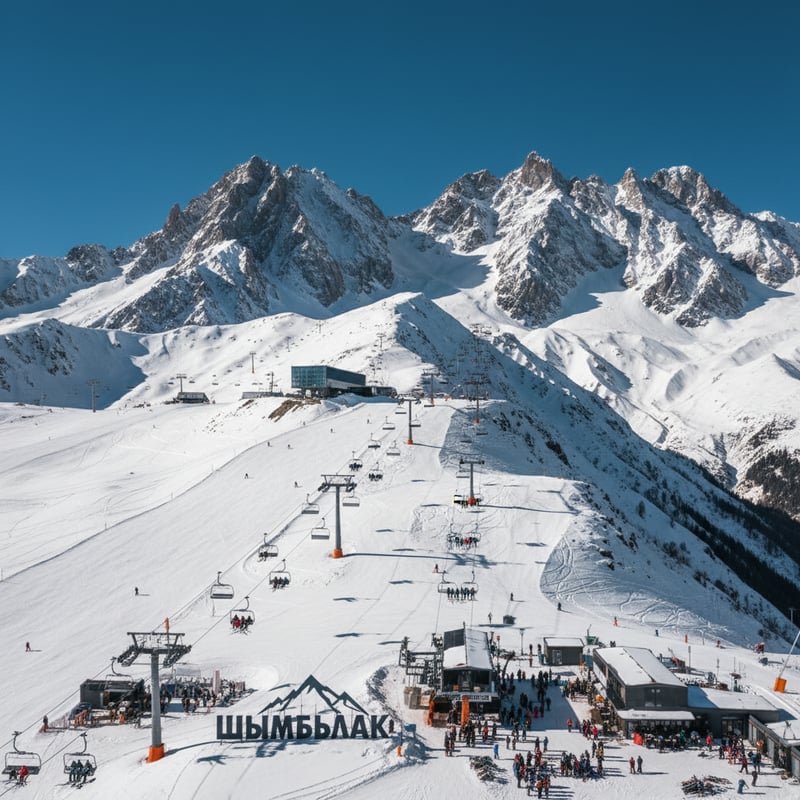
- Shymbulak ski resort day trips
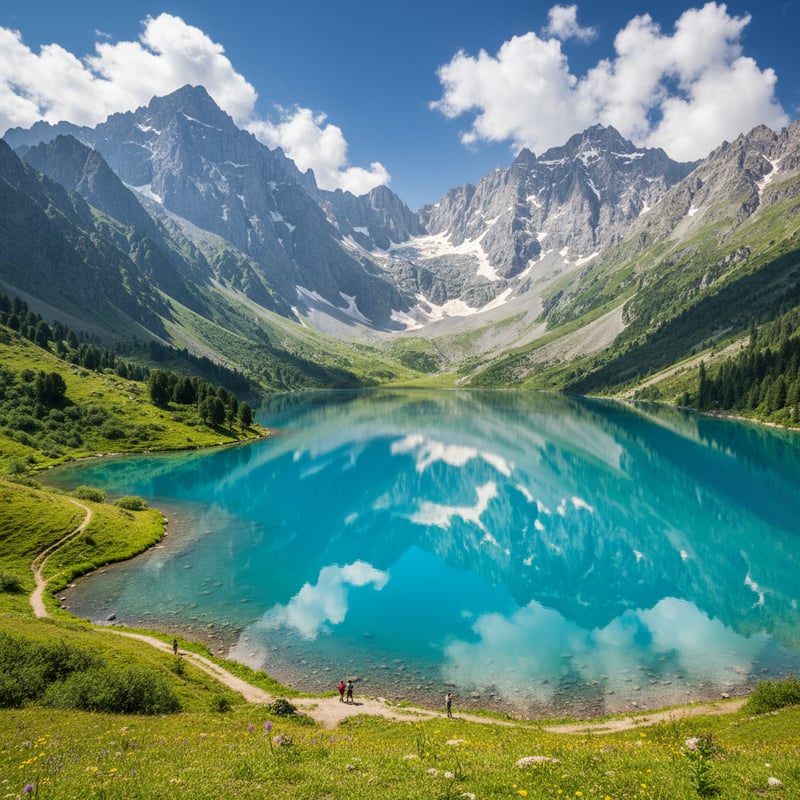
- Big Almaty Lake winter visits (stunning but extremely cold)
If this is your first time in sub-zero temperatures, stick to minimal and moderate exposure activities for the first half of your trip. You can always add more adventurous outings once you have adjusted.
Once you are ready for the high-exposure list, our winter ski itinerary with a Turgen Gorge hike puts Shymbulak skiing on days two and three, with Medeu skating on day two, so it suits travelers already comfortable in sub-zero cold. Winter clothing and gear are not included, so the buying advice above still applies.
Emergency Preparedness: What to Do If Things Go Wrong
Any comprehensive almaty winter guide must include emergency preparedness. I hope you never need this section, but responsible travel means being prepared:
Hypothermia Signs: Shivering that stops (body has given up generating heat), slurred speech, confusion, drowsiness, clumsiness. Get the person warm immediately — remove wet clothes, wrap in blankets, give warm (not hot) drinks. Seek medical attention.
Frostbite Treatment: Get to warmth. Do not rub affected areas. Immerse in warm (not hot) water at 37-39°C. Do not use direct heat sources. Seek medical attention for anything beyond minor surface frostbite.
Medical Facilities: Almaty has excellent hospitals. International SOS and European Medical Centre offer English-speaking care. Save their numbers before your trip. Many clinics accept international travel insurance.
Emergency Number: 112 (universal emergency) or 103 (ambulance). Basic English is sometimes available but not guaranteed.
Travel Insurance: Absolutely non-negotiable. Ensure your policy covers winter sports if you plan to ski, and verify it includes emergency medical evacuation. TripCabinet tour packages can help arrange appropriate coverage.
What Nobody Tells You: The Unexpected Joys
After all these warnings, let me tell you why enduring Almaty's winter is completely worth it.
The snow transforms this already beautiful city into something magical. The Tian Shan mountains — their peaks perpetually white — stand sharp against impossibly blue winter skies. Frost crystals coat every tree branch, creating natural ice sculptures. The air is so clear you can see individual mountain details from 50 kilometers away.
Winter means fewer tourists. Almaty in January belongs to locals and the few travelers willing to brave the cold. You get authentic experiences without crowds. Restaurant reservations are easy. Popular attractions have no queues.
The food hits differently when you are genuinely cold. That first bowl of steaming lagman noodles after an hour in -20°C wind, the warmth spreading through your body — it is one of travel's purest pleasures. The hearty Kazakh cuisine of beshbarmak and manty makes complete sense in winter context.
And there is something humbling and thrilling about successfully navigating genuine extreme weather. You will return to South India with stories, with a recalibrated sense of what "cold" means, and with the quiet confidence that comes from having pushed your comfort zone significantly.
Final Packing Checklist
Before your flight, verify you have:
- Thermal base layers (2-3 sets, synthetic or merino)
- Fleece mid-layer jacket
- Plan to buy down parka in Almaty
- Wool socks (4+ pairs)
- Neck gaiter/balaclava
- Initial warm hat (upgrade in Almaty)
- Touchscreen liner gloves
- Petroleum jelly (large jar)
- Heavy moisturizer and lip balm
- Sunscreen SPF 30+
- Power banks (2-3)
- Travel insurance documents
- This guide saved to your phone (accessible offline)
Buy in Almaty: Winter boots (absolutely essential), heavy down parka, fur hat, insulated outer gloves, hand warmers.
The Bottom Line: Almaty winters demand respect but reward properly prepared travelers with unforgettable experiences. The key is acknowledging that your South Indian instincts about "cold" are calibrated for a completely different reality. Trust this almaty winter guide, buy the right gear, layer correctly, and you will join the ranks of warm-climate Indians who discovered that -30°C is not just survivable — it is spectacular.
Ready to experience Kazakhstan's winter wonderland? Check our Almaty tour packages for expert-planned winter itineraries designed specifically for Indian travelers. TripCabinet handles the logistics so you can focus on staying warm and making memories.
How to Prepare for Almaty Winter as a South Indian Traveler
Step-by-step guide to surviving extreme cold in Almaty when you have never experienced sub-zero temperatures.
Learn the 3-Layer System
Master layering: moisture-wicking base layer against skin, insulating mid-layer (fleece/down), and waterproof outer shell. This traps warm air while allowing sweat to escape.
Buy Key Gear in India
Purchase thermal innerwear from Decathlon India (affordable and available), basic fleece, and wool accessories. Save money by buying the expensive down jacket in Almaty.
Prepare Your Skin
Start heavy moisturizing routine 2 weeks before travel. Pack petroleum jelly for lips and exposed skin, thick body lotions, and avoid water-based products that freeze.
Protect Electronics
Bring 2-3 power banks, keep devices in inner pockets, avoid rapid temperature changes that cause condensation, and use touchscreen-compatible gloves.
Learn Cold Breathing Techniques
Breathe through nose or a scarf to warm air before it hits lungs. Take shallow breaths initially. Cover face in extreme cold to prevent cold air shock.
Plan Indoor Warm-Up Stops
Schedule breaks every 30-45 minutes in cafes, malls, or museums. Never push through feeling cold - hypothermia creeps up silently.