Loading
Singapore is one of the most popular international destinations for Indian travellers, and for good reason. This compact city-state packs world-class attractions, Michelin-starred hawker food, futuristic architecture, and lush tropical gardens into an island smaller than Delhi. Our Singapore tour packages are designed specifically for Indian families, couples, and solo explorers looking for a hassle-free holiday that delivers unforgettable experiences at every turn.
Singapore feels surprisingly familiar to Indian visitors. Tamil is one of the four official languages, Little India buzzes with the sights and smells of home, and vegetarian food is available practically everywhere. The city is extraordinarily safe — women can walk alone at midnight without a second thought — and the public transport system is so efficient that you never need a taxi unless you want one. Direct flights from Mumbai, Delhi, Chennai, Kolkata, and Bangalore mean you can be poolside at Marina Bay Sands within six hours of leaving home.
What makes Singapore genuinely special is the density of experiences available. In a single day, you can breakfast at a hawker centre older than independence, ride the Singapore Flyer, Asia's largest observation wheel, walk through a cloud forest suspended ten storeys above ground, watch a free light show over the bay, and end the night at a rooftop bar with the city skyline glittering below. Few destinations anywhere on earth offer this much variety in this little space.
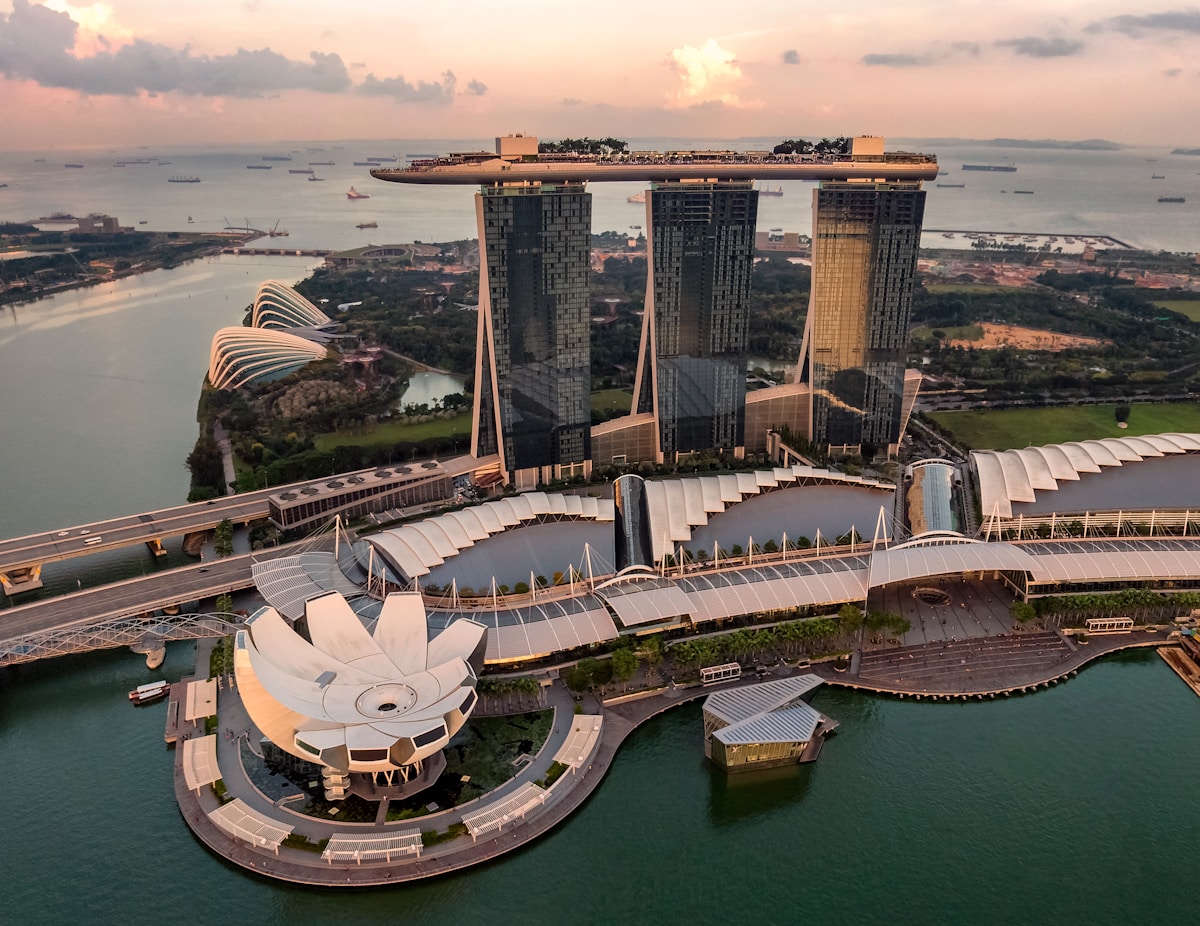
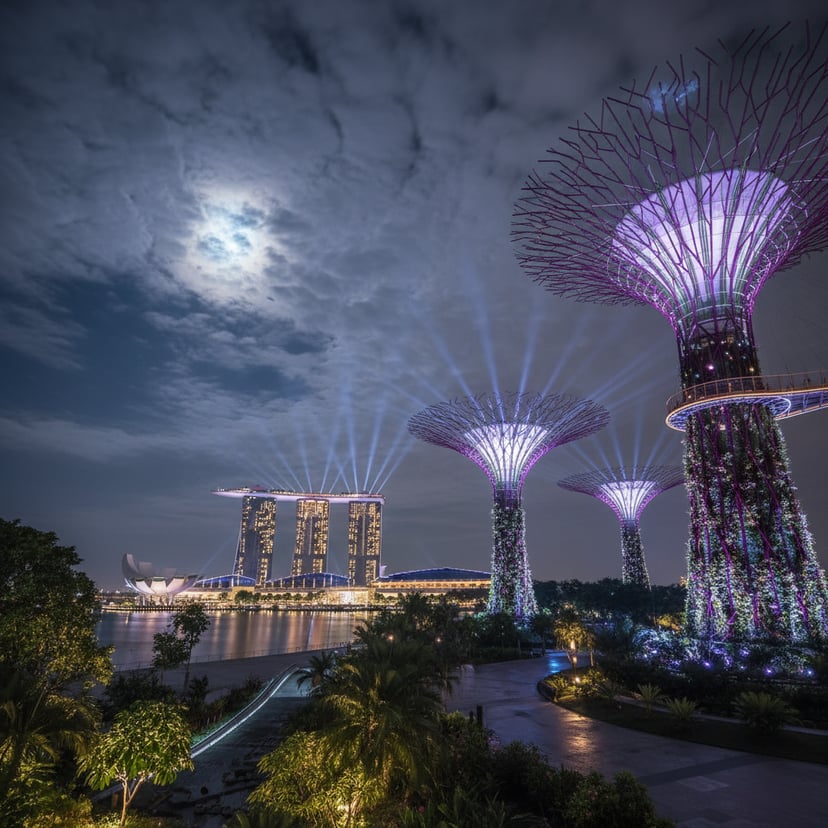
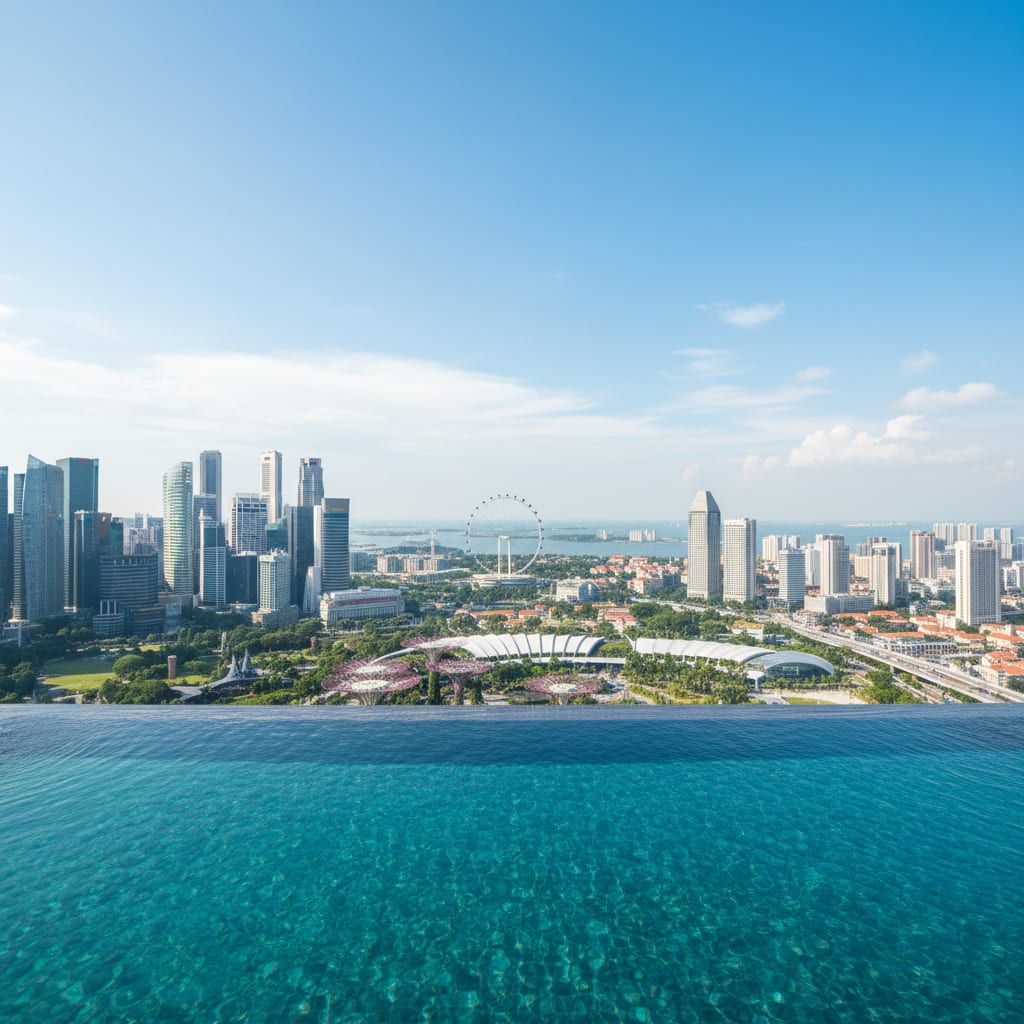
Every Singapore tour package we offer covers the essential experiences that define this city. Marina Bay Sands is the architectural centrepiece — its infinity pool, SkyPark observation deck, and surrounding promenade are instantly recognisable from every travel brochure you have ever seen. But the real magic happens at dusk when the Spectra light and water show transforms the bay into a free nightly spectacle of lasers, fountains, and music.
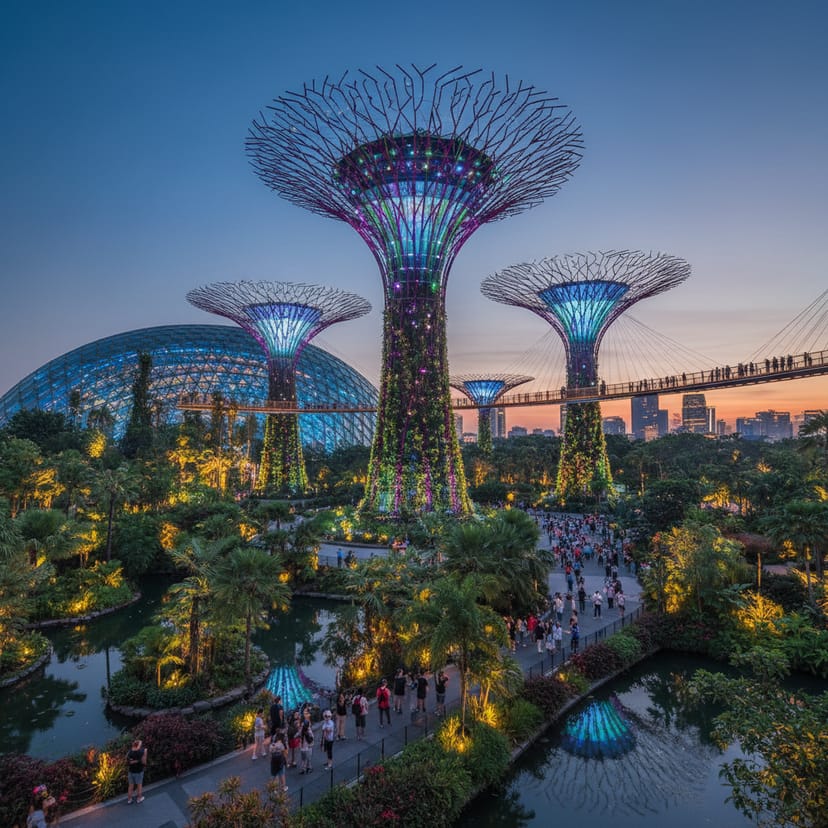
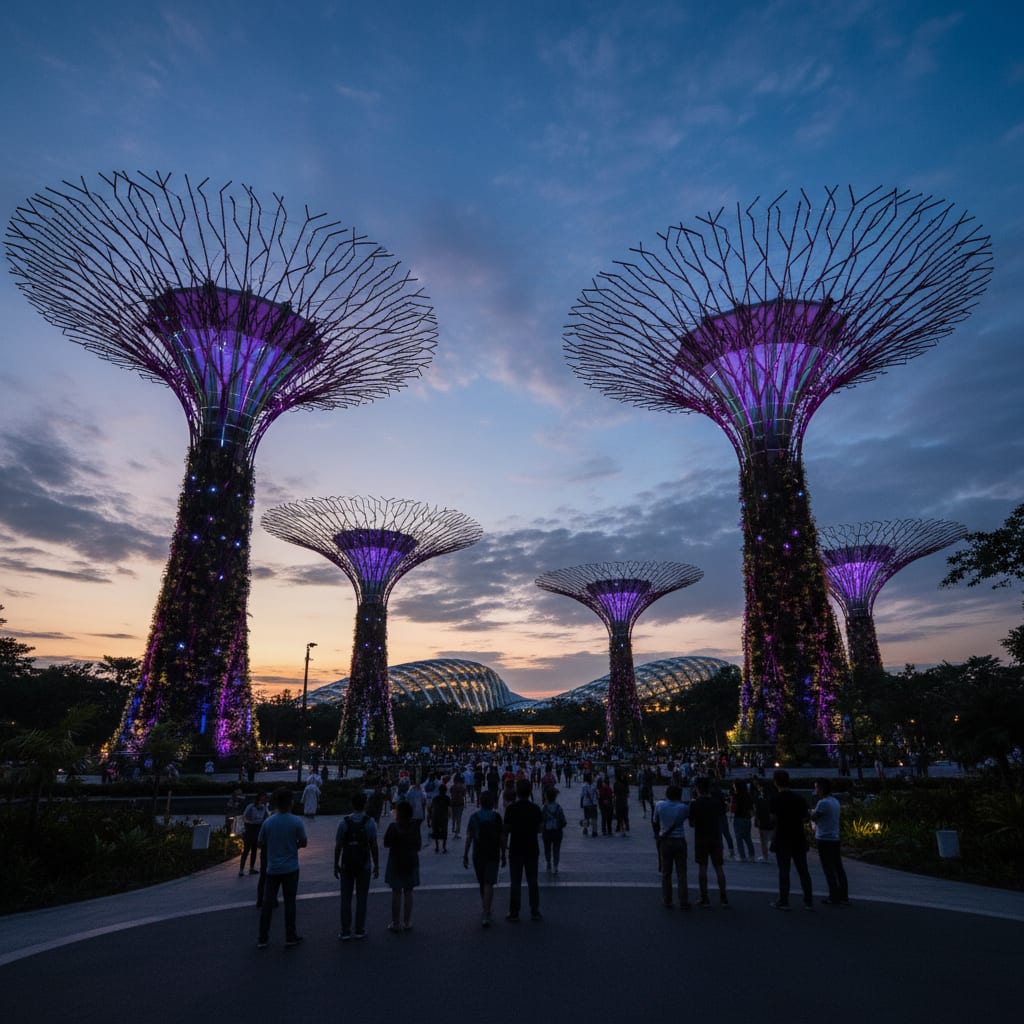
Gardens by the Bay is where Singapore earns its reputation as a city in a garden. The Supertree Grove — those towering vertical gardens wrapped in ferns, orchids, and bromeliads — lights up every evening in a free sound and light show. Inside the two conservatories, the Cloud Forest houses a 35-metre indoor waterfall, and the Flower Dome recreates Mediterranean and semi-arid climates under the largest glass greenhouse on the planet.
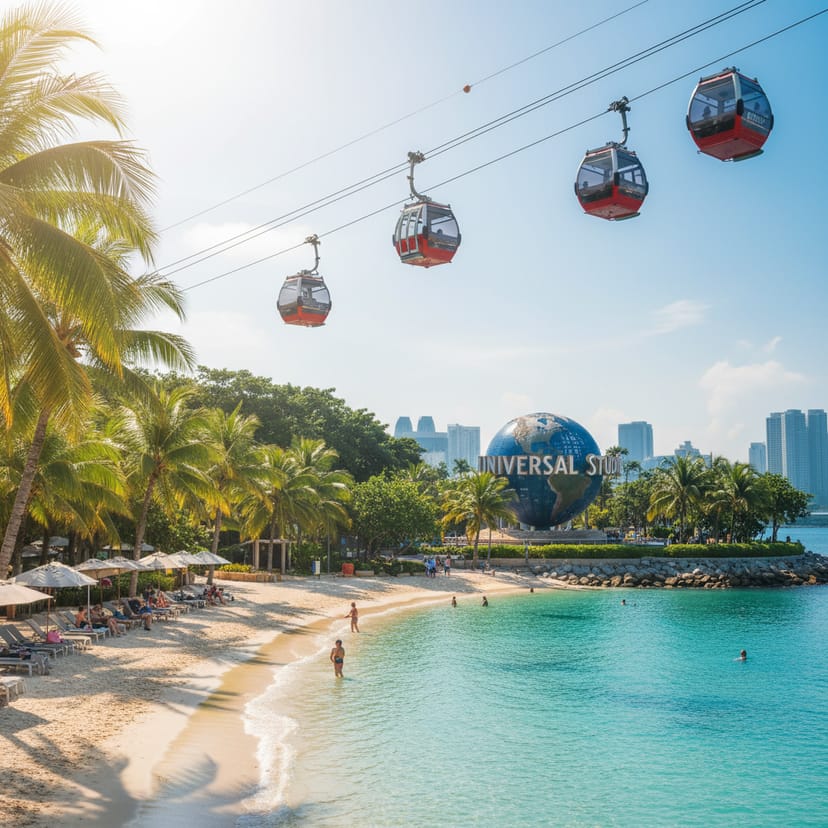
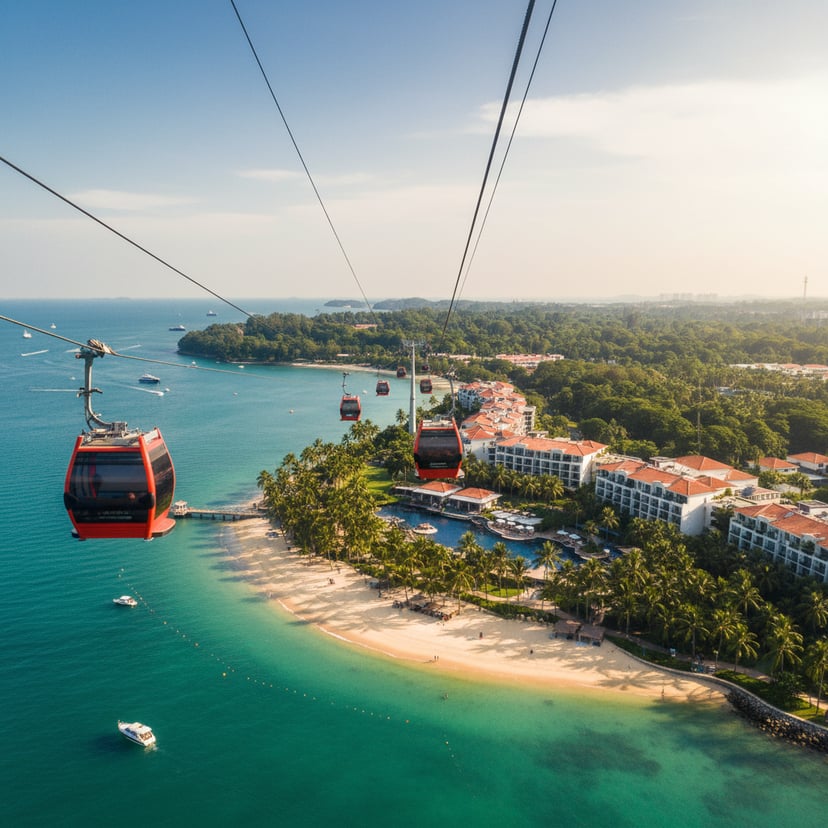
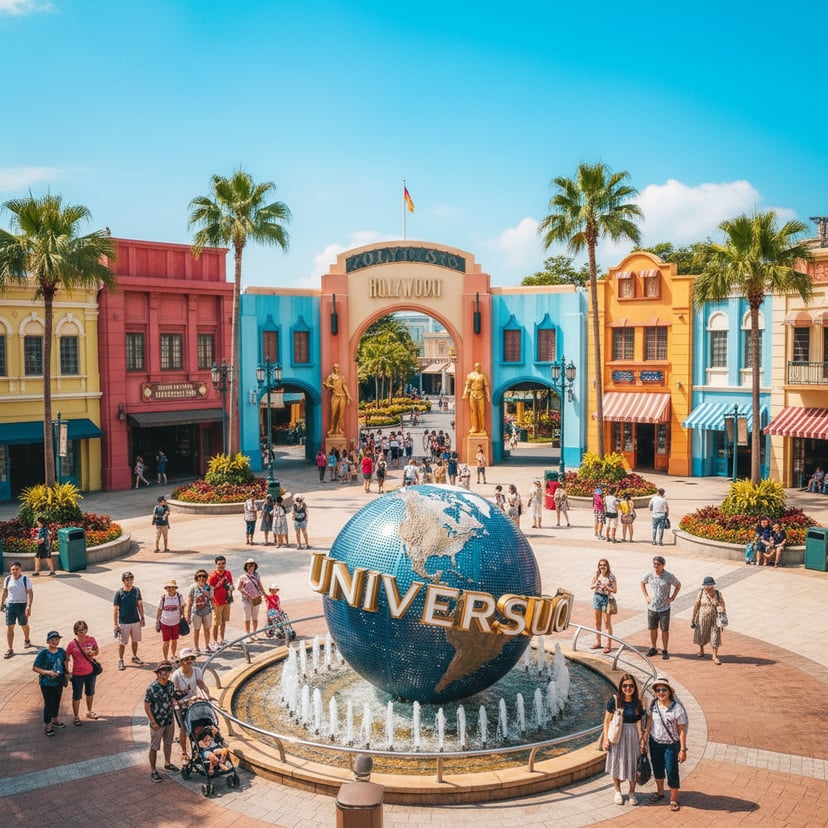
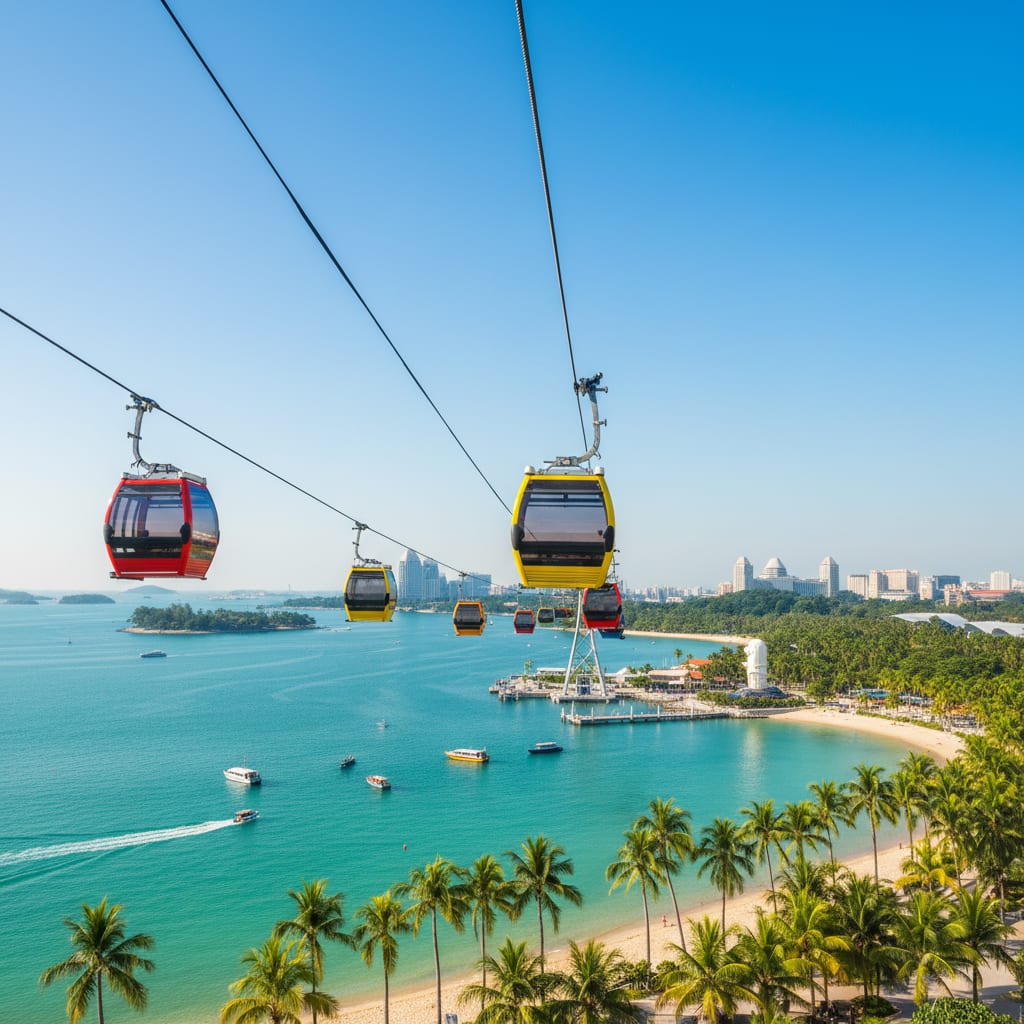
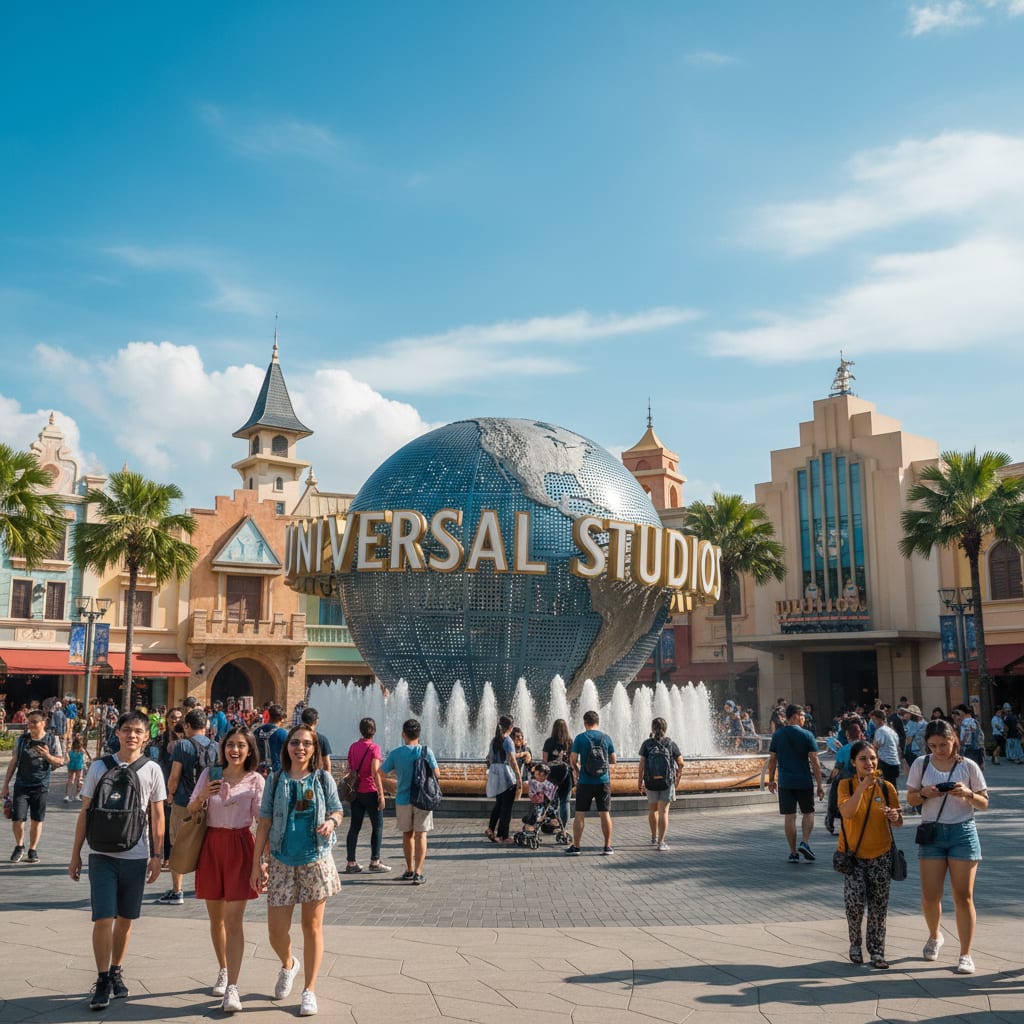
Sentosa Island is Singapore's playground, home to Universal Studios Singapore, Adventure Cove Waterpark, Singapore Oceanarium (formerly S.E.A. Aquarium), and some of the city's best beaches. Our family packages include skip-the-line passes for Universal Studios, where the Transformers ride alone is worth the trip. Couples will prefer the quieter Tanjong Beach or a sunset cable car ride from Mount Faber.
Eating is Singapore's national obsession, and the Indian food scene here will make you feel right at home. From the banana leaf rice at Komala Vilas in Little India to the butter chicken at Zam Zam near Arab Street, familiar flavours are never far away. But do not limit yourself — the real adventure is in the hawker centres.
Maxwell Food Centre, Lau Pa Sat, and Old Airport Road Food Centre serve some of the best and cheapest meals in the city. Chicken rice at Tian Tian costs under SGD 5 and has earned Michelin recognition. Laksa, char kway teow, satay, and roti prata are all must-tries that will expand your palate without emptying your wallet. Our complete Singapore guide covers the best dishes and where to find them.
Getting to Singapore from India is straightforward. Singapore visa requirements for Indians involve an online application through an authorised agent — processing takes 3-5 working days. Return flights from major Indian cities cost between INR 12,000 and INR 28,000 depending on season and how far ahead you book.
Singapore is a year-round destination with consistent temperatures of 25-31°C, though the driest months between February and April offer the most comfortable sightseeing weather. Our budget Singapore guide proves that this city does not have to be expensive — hawker meals cost INR 200-400, the MRT takes you everywhere for under INR 100, and many of the best attractions including the light shows, Botanic Gardens, and waterfront promenades are completely free.
We offer Singapore tour packages starting from INR 30,000 per person for budget travellers, going up to premium experiences with Marina Bay Sands stays, private tours, and Michelin dining. Browse our packages to find one that fits your style:
Singapore rewards those who look beyond the obvious. Tiong Bahru is the city's oldest housing estate, now reinvented as a hipster neighbourhood with indie bookshops, specialty coffee roasters, and art deco architecture. Kampong Glam around Haji Lane is where street art meets Arab Quarter heritage. Pulau Ubin is a short bumboat ride away and feels like stepping back fifty years into kampung (village) Singapore with wild boar, mangroves, and no traffic lights.
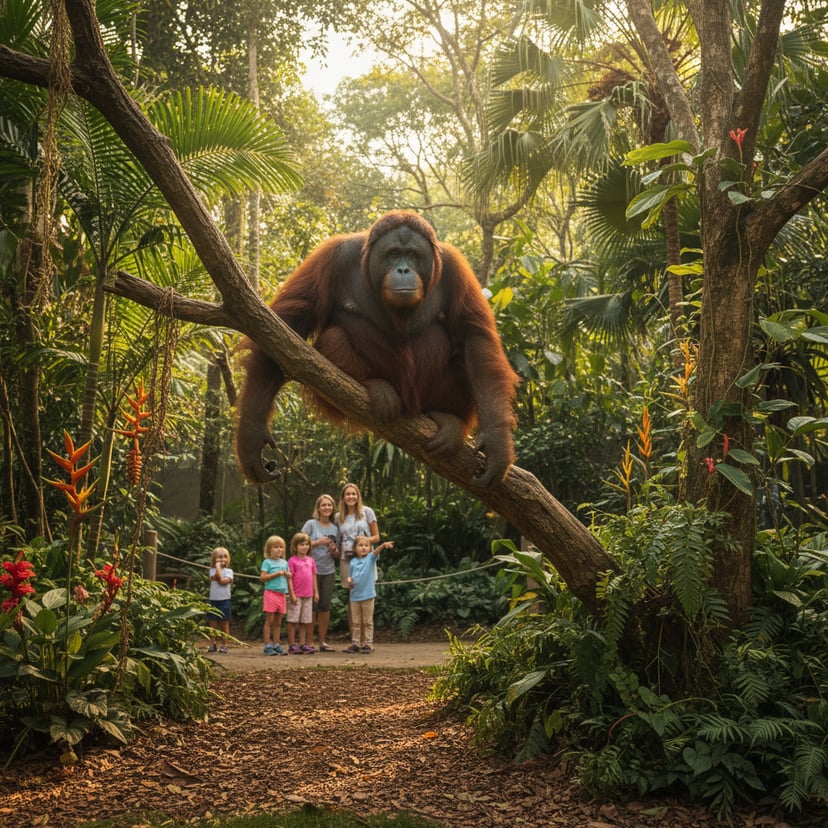
The Night Safari remains one of the world's unique wildlife experiences — the world's first nocturnal zoo lets you observe over 900 animals in naturalistic habitats after dark. And the complete attractions guide covers everything from Chinatown's shophouses to the futuristic Jewel Changi Airport with its indoor waterfall.
For official entry requirements, visa fees, and e-visa applications, check the Immigration & Checkpoints Authority (ICA) website. The Singapore Tourism Board also publishes seasonal event calendars, attraction deals, and neighbourhood walking trails.
Whether you are visiting for three days or ten, travelling as a family or a couple, on a tight budget or ready to splurge — Singapore delivers. Browse our packages below, and let us handle the planning while you focus on making memories.


What each package costs in total, twin sharing, before flights and the visa fee.
Skip the planning — reserve entry tickets and passes before you fly
City-specific flights, fares and itineraries from your home airport
Tell us roughly when and how many — our travel expert sends you a custom quote, usually within a few hours.
Slightly cooler temperatures around 24–30°C with occasional rain showers. December and January bring festive celebrations across Orchard Road and Marina Bay, making it a fantastic time for sightseeing and shopping.
The Great Singapore Sale runs from June through August, drawing bargain hunters from across the region. Expect warm, humid days perfect for indoor attractions like Gardens by the Bay and the ArtScience Museum.
One of the driest periods of the year with plenty of sunshine. Ideal for outdoor activities, hawker centre hopping, and exploring neighbourhoods like Tiong Bahru and Kampong Glam without the peak-season crowds.
Changi Airport (SIN) consistently ranks among the world's best airports and is served by close to 100 airlines connecting Singapore to over 160 cities. Terminal 4 handles budget carriers, while the Jewel Changi complex is a destination in itself. The airport is 20 minutes from the city centre via MRT, taxi, or airport shuttle.
Marina Bay Cruise Centre and HarbourFront's Singapore Cruise Centre welcome international cruise liners from Hong Kong, Sydney, Mumbai, and Southeast Asian ports. Regular ferry services also connect Singapore to Batam and Bintan in Indonesia, as well as Johor in Malaysia.
Two land crossings link Singapore to Malaysia — the Causeway at Woodlands and the Second Link at Tuas. Cross-border buses run frequently between Singapore and Kuala Lumpur, Malacca, and Johor Bahru, with journey times ranging from 30 minutes to 5 hours depending on the destination.
The KTM Shuttle Tebrau runs between JB Sentral in Johor Bahru and Woodlands Train Checkpoint in Singapore. For longer rail journeys, travellers can take the Eastern & Oriental Express or connect through KL Sentral via the KTM Intercity service.
Walk through the Cloud Forest dome, marvel at the Supertree Grove light show after dark, and stroll the serene Flower Dome. The 101-hectare park sits right behind Marina Bay Sands and admission to the outdoor gardens is free.
Singapore's hawker culture is UNESCO-recognised for good reason. Start at Maxwell Food Centre for Tian Tian chicken rice, head to Old Airport Road for carrot cake and satay, and finish at Lau Pa Sat for a late-night satay street spread.
Spend a full day at Universal Studios Singapore, relax on Palawan Beach, or take the cable car for panoramic harbour views. Adventure seekers can try the AJ Hackett Bungy Jump or zip across the island on the MegaZip.
The waterfront comes alive after sunset. Catch the Spectra light and water show at Marina Bay Sands, walk across the Helix Bridge, and grab a drink at one of the rooftop bars overlooking the skyline.
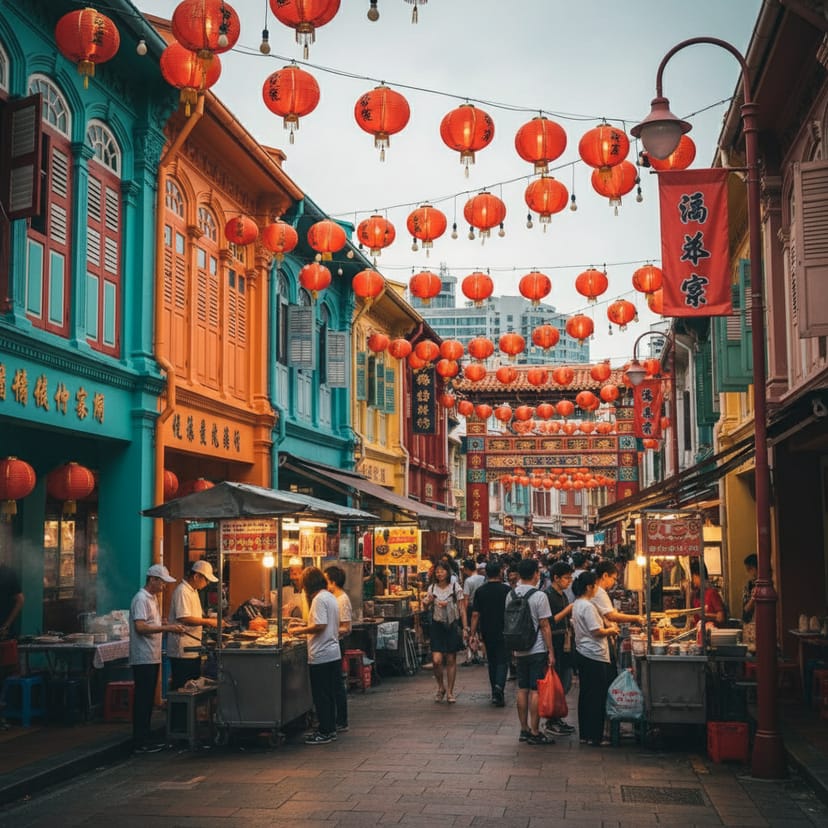
Explore centuries-old temples, colourful shophouses, and bustling market lanes. Visit the Buddha Tooth Relic Temple in Chinatown, then head to Little India's Tekka Centre for fresh garlands, spices, and an authentic banana leaf meal.
The world's first nocturnal wildlife park houses over 900 animals across seven geographic zones. Take the guided tram ride through darkened habitats, then walk the trails to spot leopards, pangolins, and fishing cats up close.
Escape the urban buzz with a 15-minute bumboat ride to this rustic island. Rent a bicycle, ride through the Chek Jawa wetlands, and catch a glimpse of what Singapore looked like 50 years ago — kampong houses, wild boars, and all.
These riverside stretches are the heart of Singapore's nightlife and dining scene. Pick from craft cocktail bars, live music venues, and waterfront restaurants serving everything from mod-Sin cuisine to wood-fired pizza.
Singapore's unofficial national dish — poached or roasted chicken served over fragrant rice cooked in chicken stock, with chilli sauce, ginger paste, and dark soy on the side. Tian Tian at Maxwell Food Centre and Wee Nam Kee in Novena are local favourites.
A rich, spicy coconut curry broth loaded with thick rice noodles, prawns, fish cake, and cockles. Katong Laksa near East Coast is the most famous version — the noodles are cut short so you eat it with a spoon. No fork needed.
Sweet, tangy, and just spicy enough — mud crabs wok-fried in a thick tomato-chilli sauce. Pair it with deep-fried mantou buns to soak up every drop. Long Beach Seafood and Jumbo Seafood at Clarke Quay are go-to spots for this messy, magnificent dish.
Flat rice noodles stir-fried over blazing heat with soy sauce, Chinese sausage, cockles, bean sprouts, and egg. The best versions have a distinct wok hei — that charred, smoky flavour you can only get from a well-seasoned pan and a skilled hawker.
Skewers of marinated chicken, beef, or mutton grilled over charcoal and served with chunky peanut sauce, rice cakes, and raw onion. The satay stalls along Lau Pa Sat's Boon Tat Street fire up every evening after 7pm.
Flaky, crispy Indian flatbread fried on a griddle and served with fish or mutton curry for dipping. It's a staple at 24-hour prata shops across the island — Mr and Mrs Mohgan's in Joo Chiat serves what many consider the best version.
Pork ribs slow-simmered in a peppery broth with garlic, star anise, and cinnamon. The Teochew style is lighter and more peppery, while the Hokkien version uses a darker herbal broth. Song Fa at Clarke Quay has been serving it since 1969.
The quintessential Singaporean breakfast — crispy charcoal-grilled bread spread with coconut jam (kaya) and cold butter, alongside soft-boiled eggs and thick, sweetened black coffee. Ya Kun Kaya Toast is an institution, but every neighbourhood has its own favourite kopitiam.
Singapore's most iconic shopping belt stretches over 2 kilometres and houses everything from luxury flagships at ION Orchard and Paragon to mid-range finds at Wisma Atria and 313@Somerset. The annual Great Singapore Sale (June–August) brings discounts of up to 70% across participating stores.
The largest street market in Singapore with over 800 stalls selling clothing, accessories, souvenirs, and snacks at bargain prices. Haggling is expected and part of the fun. Open daily until late, it's a must-visit for budget shoppers.
This 24-hour department store in Little India sells quite literally everything — electronics, jewellery, groceries, watches, luggage, and spices across multiple floors. Prices are competitive and the sheer variety is unlike anything else on the island.
Singapore's largest waterfront mall sits at HarbourFront and serves as the gateway to Sentosa Island. Over 300 stores, a rooftop sky park with wading pools, and direct MRT access make it a favourite for families and all-day shopping trips.
A narrow, colourful lane in the Kampong Glam neighbourhood filled with independent boutiques, vintage shops, and streetwear stores you won't find anywhere else. After shopping, grab a Turkish coffee at one of the cafés lining the street.
Pagoda Street and the surrounding lanes are packed with stalls selling traditional souvenirs — silk fans, jade accessories, Chinese tea sets, and handmade crafts. It's touristy, yes, but prices are reasonable and the atmosphere is hard to beat.
Public transport in Singapore is exceptional — clean, affordable, and covers every corner of the island. Pick up an EZ-Link card at any MRT station or convenience store for seamless bus and train travel. A single trip rarely costs more than S$2.
Singapore's tap water meets WHO guidelines and is perfectly safe to drink straight from the faucet. Save money and plastic by carrying a refillable bottle instead of buying water at every 7-Eleven.
Importing chewing gum into Singapore is banned — it's been that way since 1992. Therapeutic and dental gum can be purchased from pharmacies with a prescription, but regular gum will be confiscated at customs.
Rain can hit fast and hard any time of year. Afternoon thunderstorms are routine and usually pass within an hour. A compact umbrella or a lightweight rain jacket will save you from getting caught out.
Temperatures sit between 27–34°C year-round with humidity above 80%. Light, breathable fabrics are essential. That said, bring a light layer for air-conditioned malls, cinemas, and MRT trains — they can run ice-cold.
Most restaurants add a 10% service charge and 9% GST to the bill automatically. Tipping beyond that is uncommon and not expected, though rounding up a taxi fare or leaving a dollar or two for exceptional service is perfectly fine.
Grab is Southeast Asia's equivalent of Uber and works brilliantly in Singapore for ride-hailing, food delivery, and even payments. Fares are transparent and usually cheaper than street-hail taxis, especially during off-peak hours.
Singapore is famously strict about littering (S$300 fine), jaywalking, smoking in restricted areas, and eating or drinking on public transport. Follow the rules — enforcement is consistent, and fines are not negotiable.
Singapore is one of only three surviving city-states in the world, alongside Monaco and Vatican City.
The country is made up of 63 islands, though most people never venture beyond the main island.
Changi Airport has been named the world's best airport by Skytrax 13 times, most recently in 2025.
Nearly half of Singapore's land area is covered by greenery — parks, nature reserves, and garden spaces.
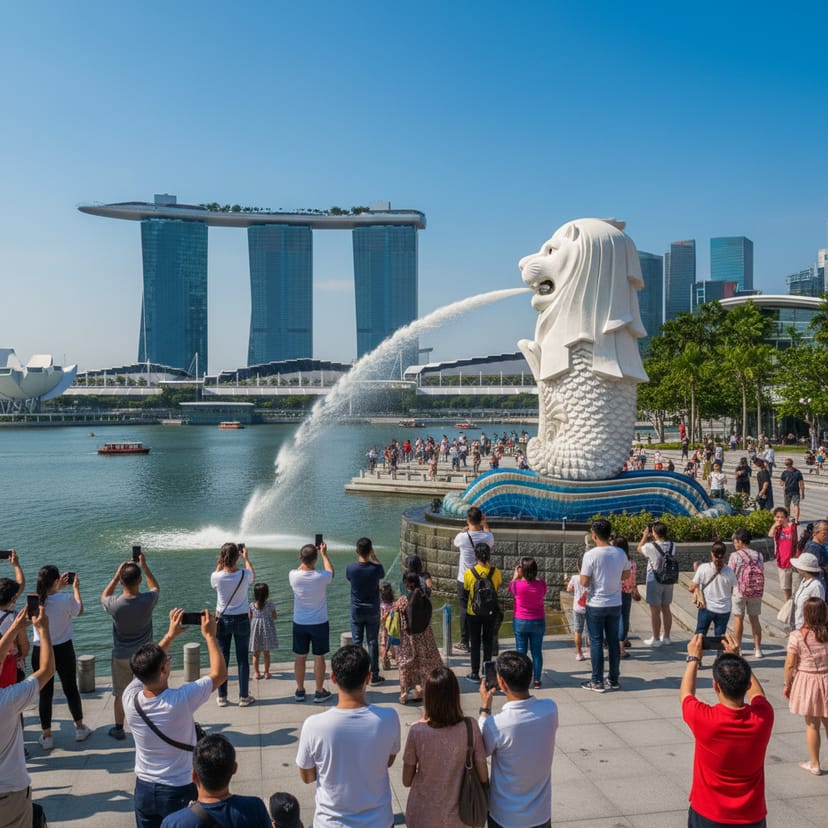
The Merlion, Singapore's national symbol, is a mythical creature with a lion's head and a fish's body.
Singapore's first zoo was established in 1973 and pioneered the "open concept" design using natural barriers instead of cages.
The nation has four official languages: English, Mandarin, Malay, and Tamil.
Singapore imports over 90% of its food supply, making food security a top national priority.
The MRT system moves over 3 million passengers daily across a 230-kilometre network.
Marina Bay Sands' rooftop infinity pool is 150 metres above ground and stretches longer than three Olympic swimming pools.
Singlish — a creole mixing English, Malay, Tamil, and Hokkien — is the unofficial fifth language, lah.
The Singapore Botanic Gardens is a UNESCO World Heritage Site and the only tropical garden on the list.
Singapore offers visa-free entry to passport holders from over 160 countries, including the United States, United Kingdom, Australia, Canada, and most EU nations. India is not among them. Visitors typically receive a 30 to 90-day Social Visit Pass upon arrival.
Indian citizens need a visa to visit Singapore. It is applied for only through an authorised visa agent and can't be obtained on arrival. You must also have a valid passport, confirmed return ticket, and accommodation details. The SG Arrival Card replaced the traditional paper disembarkation card in March 2020 and must be submitted online within 3 days before you arrive.
Nationals from certain countries — including Bangladesh, Myanmar, Pakistan, Afghanistan, and select African nations — must apply for a visa before travelling. Applications can be submitted through the Singapore embassy or consulate in your home country, or through a local contact or strategic partner in Singapore.
Hostels and budget hotels in Chinatown or Geylang start at S$50. Mid-range hotels around Bugis or Lavender average S$120–200. Marina Bay Sands and Raffles Hotel sit at the luxury end, from S$400 upward.
Hawker centres offer full meals for S$4–8, making them the best value in the city. Mid-range restaurants average S$20–40 per person. Fine dining at places like Odette or Burnt Ends starts around S$150 per head.
MRT and bus rides cost S$1–3 each. A day of getting around via public transport typically runs S$5–10. Grab rides within the city average S$8–15. Avoid taxis during peak hour surcharges if budget is tight.
Gardens by the Bay outdoor areas, Merlion Park, and Fort Canning are free. Universal Studios costs S$80, the Night Safari S$55, and most museums S$15–25. Consider the Singapore Tourist Pass for unlimited MRT/bus travel.
Prepaid tourist SIM cards from Singtel, StarHub, or M1 are available at Changi Airport and convenience stores. A 7-day plan with 100GB data costs around S$15. Free Wi-Fi is available at most malls, cafés, and MRT stations.
Staying in hostels, eating at hawker centres, using public transport, and visiting free attractions. Singapore can be surprisingly affordable if you know where to look.
A comfortable 3-star hotel, mix of hawker and restaurant meals, paid attractions, and occasional Grab rides. This covers most travellers who want comfort without splurging.
Browse our curated packages and find your perfect trip.