

Best Singapore Attractions: The Complete Local's Guide to Must-See Places
I've lost count of how many times I've walked across the Helix Bridge at night, watching the city lights dance on Marina Bay's still waters. Singapore does that to you — even after a dozen visits, you'll find yourself pausing mid-step, phone out, wondering how a city this small packs in so much spectacle. After years of exploring, I've narrowed down the best Singapore attractions — the ones that genuinely earn your time. But here's what took me years to figure out: the real Singapore isn't just the postcard shots. It's the uncle selling kaya toast at 6am in a kopitiam that hasn't changed since 1978. It's stumbling into a hidden speakeasy in Chinatown. What looks like a tiny island is actually a universe of experiences stacked vertically and horizontally.
This guide is everything I wish someone had handed me before my first trip. If you're visiting for the first time, pair it with our Singapore travel guide for first-time visitors for visa tips and logistics. Not just the must-sees (though we'll cover those), but the places that made me fall in love with this impossible city — the one that shouldn't exist but does, thriving, sweating, eating, and glowing 24 hours a day.
Best Singapore Attractions: Iconic Landmarks Worth Your Time
Let's get the obvious stuff out of the way, because honestly? The famous attractions are famous for a reason. Skip the cynicism. These best Singapore attractions are famous because they deliver.
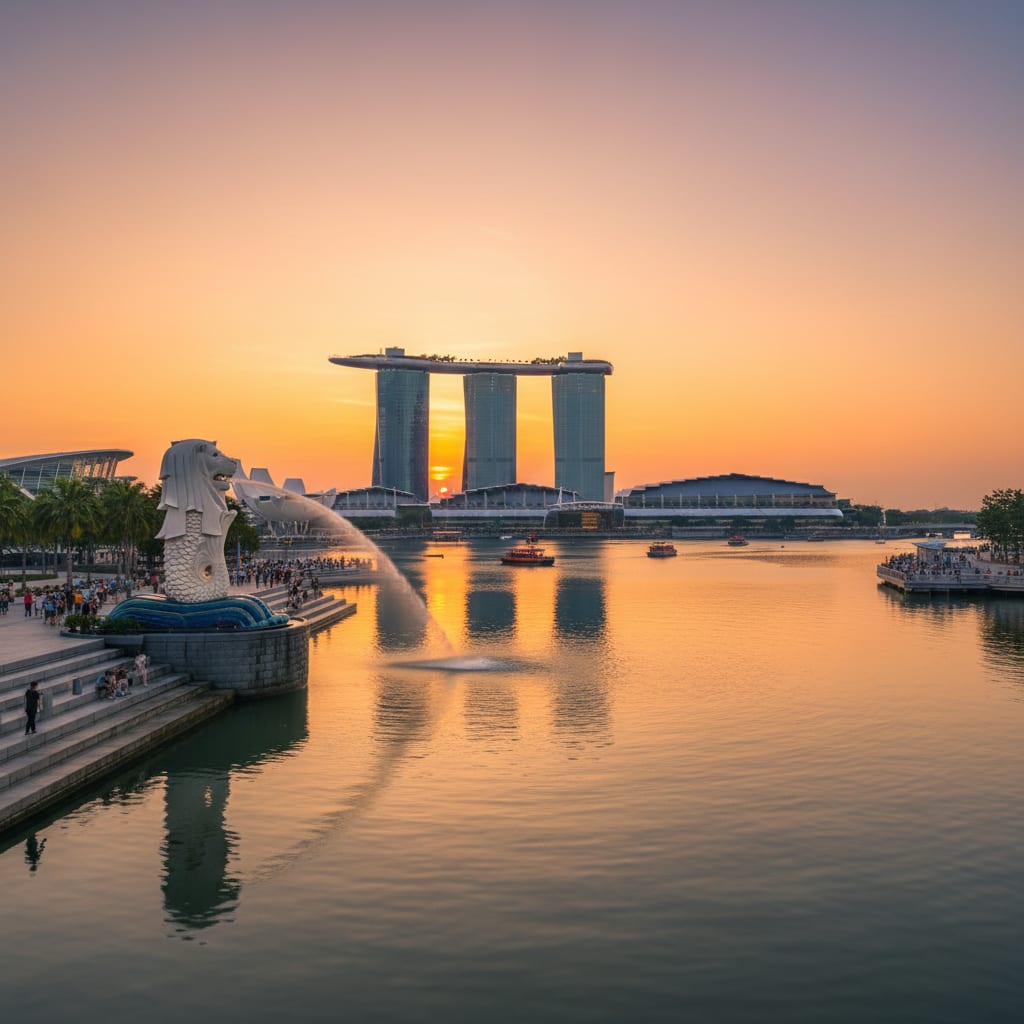
Marina Bay Sands and the Skypark
Yes, it's touristy. Yes, that rooftop infinity pool photo is on every travel influencer's feed. But standing on the SkyPark observation deck at sunset, watching the city transition from golden hour to neon nightscape, is genuinely worth the SGD 32 (~USD 24) admission. The trick is timing — go at 5:30pm to catch both daylight and the light show. The pool is hotel guests only, but the observation deck is open to all.
What most guides won't tell you: the basement of Marina Bay Sands connects to an underground sampan ride through a faux Venetian canal. It's absurd and wonderful and costs SGD 12 for a 15-minute loop. Peak Singaporean maximalism. For a deep dive into everything this waterfront offers, see our dedicated Marina Bay Singapore guide.
Gardens by the Bay
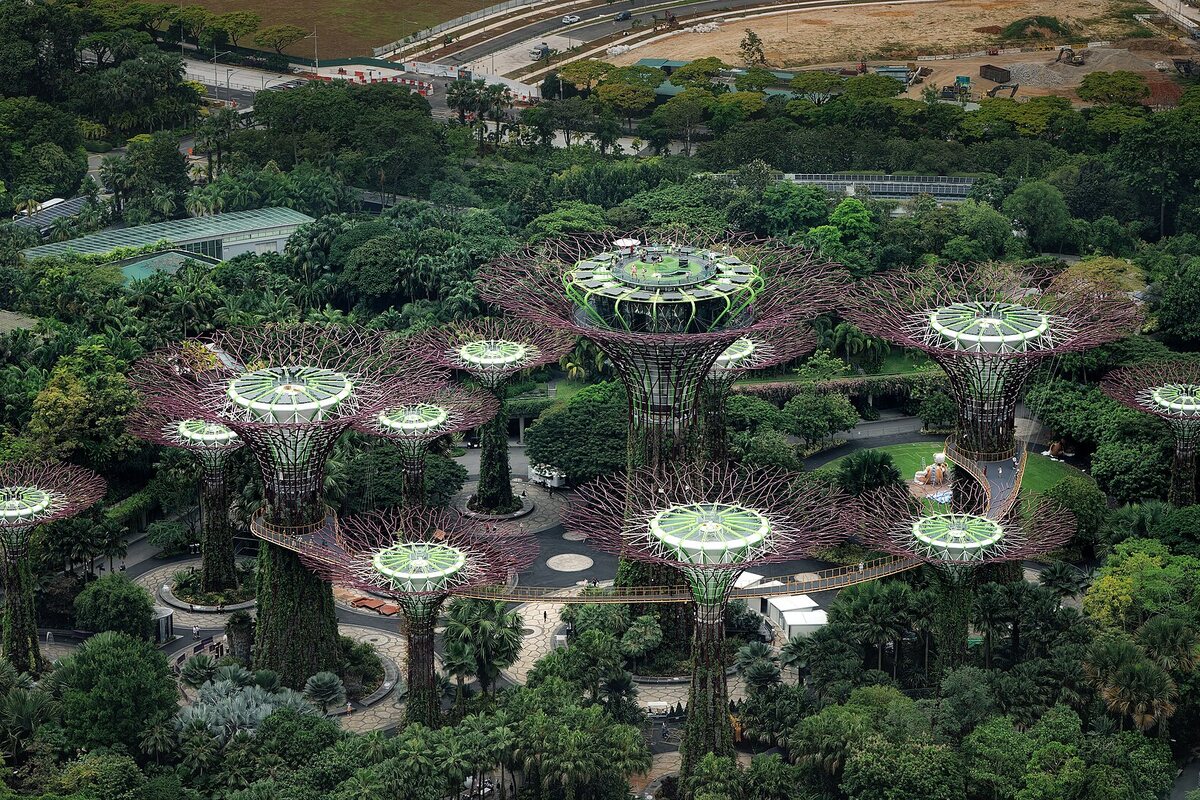
The Supertree Grove is free to walk through, and the evening light show at 7:45pm and 8:45pm costs nothing. The Gardens by the Bay complex covers 101 hectares. But splurge on the Cloud Forest conservatory (SGD 32 combined ticket with Flower Dome). Walking into that 35-meter indoor waterfall on a 34-degree day outside is the closest thing to teleportation I've experienced. The temperature drops 15 degrees, mist swirls around you, and suddenly you're in a vertical garden from a sci-fi film.
Pro tip: Go to Cloud Forest first thing at 9am opening. By 11am, tour groups flood in and you'll spend more time navigating crowds than admiring the world's largest indoor waterfall.
Merlion Park
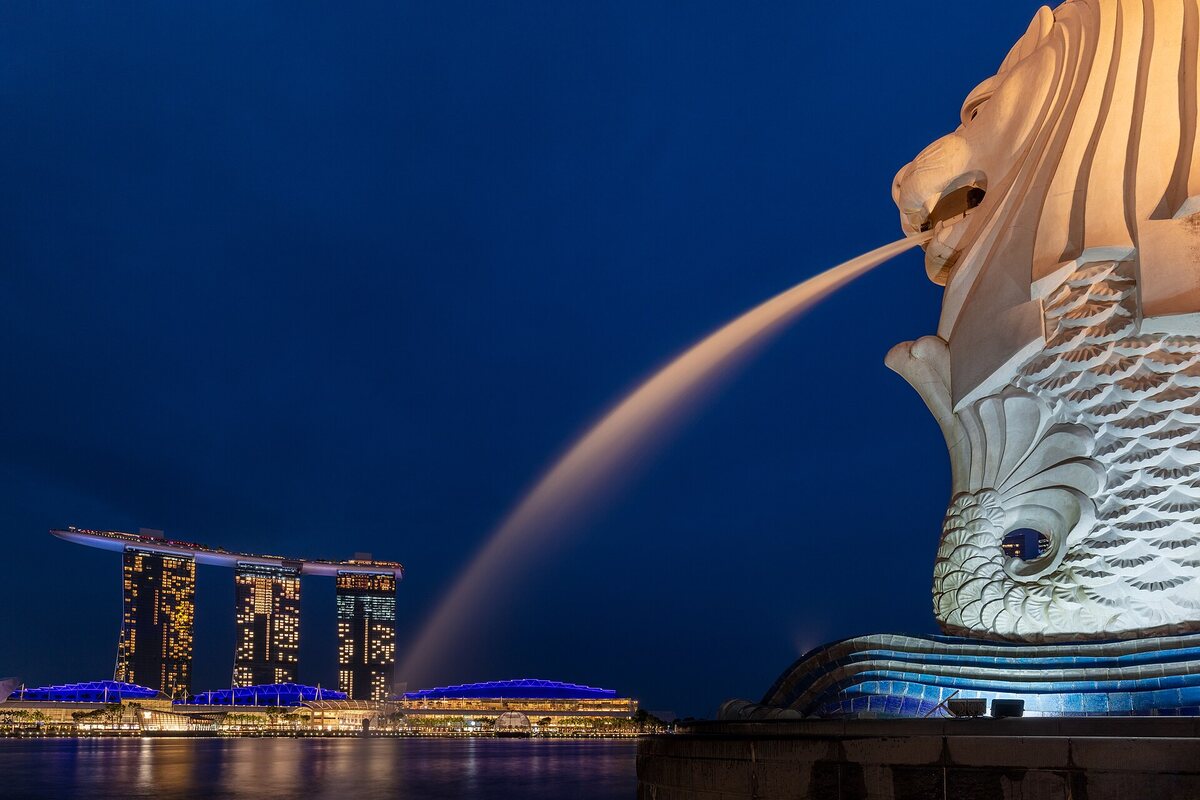
Look, I'm not going to pretend the Merlion statue is anything more than a photo op. It's a lion-fish hybrid spitting water. You've seen it. But here's why you should still go: the view from Merlion Park across to Marina Bay Sands is genuinely one of the best in Singapore, especially at night. Get your photo with the water-spitting beast, then walk along the waterfront promenade to The Fullerton Hotel for a gin and tonic at their rooftop bar.
Beyond the Postcards: Singapore's Best Neighborhoods
Beyond the big-ticket spots, the best Singapore attractions are scattered across the city's neighborhoods. Each one is a different city, a different era, a different vibe. You could spend your entire trip just wandering these streets.
Tiong Bahru: The Hipster Heritage District
This pre-war housing estate was Singapore's first public housing project in the 1930s, and the art deco architecture has been preserved beautifully. But forget the history lesson — Tiong Bahru is where Singaporeans actually hang out on weekends. Start at Tiong Bahru Bakery for croissants that rival Paris (I said it), then walk to Forty Hands for flat whites. Browse independent bookshop BooksActually before they close for good — they've been fighting rent increases for years.
The wet market on Seng Poh Road is the real attraction. Grab chwee kueh (steamed rice cakes with preserved radish) from the stall that's had a queue since the 1970s. You'll know it by the line.
Kampong Glam: Where Malay Heritage Meets Street Art
The golden dome of Sultan Mosque anchors this neighborhood, but the real magic happens in the side streets. Haji Lane is a narrow alley of independent boutiques, vintage shops, and street art murals that changes every few months. Come after 7pm when the bars open their sidewalk seating and the whole street turns into a block party.
Don't skip Arab Street for textiles — the fabric shops here have supplied Singaporean tailors for generations. Even if you're not buying, the sensory overload of colors and patterns is worth the walk.
Katong and Joo Chiat: Peranakan Paradise
This is where Singaporean identity gets interesting. The Peranakan culture — a unique blend of Chinese and Malay heritage — is best experienced through architecture and food. Koon Seng Road has the most photographed row of pastel shophouses, but keep walking to find dozens more streets with equally stunning facades.
For food, this is laksa ground zero. I've tried to rank the laksa stalls here and given up — 328 Katong Laksa and Janggut Laksa are both exceptional, both have fierce loyalists, and both will ruin you for laksa anywhere else. Get both. Compare. Join the debate.
Little India: Sensory Overload in the Best Way
Serangoon Road on a Sunday evening is like stepping into Chennai. The streets are packed, the flower garlands are piled high, the temples are lit with oil lamps, and the energy is electric. Start at Tekka Centre's wet market (arrive hungry), then walk through the five-foot ways — the covered walkways that line every shophouse — browsing gold jewelry, sari fabrics, and Bollywood music shops.
Sri Veeramakaliamman Temple on Serangoon Road allows visitors during prayer times. Remove your shoes, dress modestly, and observe quietly. The ceiling murals and intricate gopuram (entrance tower) are extraordinary.
The Food Attractions: Where to Eat Like a Local
Some of the best Singapore attractions aren't landmarks at all — they're hawker centers. Hawker centers — open-air food courts with dozens of independent stalls — are UNESCO-recognized cultural heritage. Here's where to eat:
Maxwell Food Centre
Home to Tian Tian Hainanese Chicken Rice, which has attracted everyone from Anthony Bourdain to queues of 100+ people at lunch. Is it the best chicken rice in Singapore? Probably not anymore — success breeds complacency. But it's still excellent, and the char kway teow at the neighboring stall is the real sleeper hit. The smoky wok hei (breath of the wok) on those flat rice noodles is perfect.
Old Airport Road Food Centre
This is my personal favorite. It's massive (over 150 stalls), it's not as tourist-heavy as Maxwell, and the variety is staggering. Get the rojak (fruit and vegetable salad with thick sweet sauce) from the stall near the entrance, then work your way to the legendary fried oyster omelette in the back corner. Bring cash — many stalls don't take cards.
Lau Pa Sat
The Victorian ironwork structure is beautiful, but the real reason to come is Satay Street. Every evening after 7pm, Boon Tat Street closes to traffic and fills with satay stalls grilling skewers over charcoal. Order 20 sticks minimum (10 chicken, 10 mutton), extra peanut sauce, and a Tiger beer. You're welcome. If Southeast Asian street food is your thing, don't miss our Penang street food guide — Malaysia's other great hawker destination.
Chinatown Complex
The second floor of this massive hawker center has over 260 stalls, including the world's cheapest Michelin-starred meal at Liao Fan Hong Kong Soya Sauce Chicken Rice. SGD 3.50 for a plate of soya chicken that earned a Michelin star. The queue can hit 90 minutes at peak times, so arrive at 10:30am before the lunch rush.
Singapore's Secret Spots and Local Favorites
Now for my personal favorite best Singapore attractions — the spots that separate tourists from travelers. These aren't hidden — locals go to all of them — but they rarely make the guidebooks.
Henderson Waves at Sunset
Singapore's highest pedestrian bridge looks like a wooden wave suspended between two hills. It connects Mount Faber Park to Telok Blangah Hill Park and offers views of the southern coast and Sentosa. Come at 6pm, watch the sunset, then walk to the Jewel Box at the top of Mount Faber for dinner with views. The cable car to Sentosa departs from here if you want to extend the evening.
Pulau Ubin: The Singapore That Time Forgot
A 15-minute bumboat ride from Changi Point Ferry Terminal (SGD 4 each way) takes you to an island that feels like 1960s Singapore. Rent a bicycle (SGD 10-15 for the day) and explore kampong houses, wild boar trails, and the Chek Jawa wetlands. Pack water, sunscreen, and mosquito repellent. There's one village with a few shops; otherwise, you're on your own. Exactly as it should be.
National Gallery Singapore After Dark
The permanent collection is free for Singaporeans and PRs, but everyone pays for special exhibitions. Here's my tip: come on Friday evenings for late-night opening until 9pm. The galleries empty out after 6pm, and you can wander the world's largest collection of Southeast Asian art in near-solitude. The building itself — the former Supreme Court and City Hall — is an architectural masterpiece worth the visit alone.
Haw Par Villa: Singapore's Strangest Attraction
A theme park depicting Chinese mythology through 1,000+ statues, including the famous Ten Courts of Hell with its graphic depictions of punishment in the afterlife. It's weird, it's free, it's completely unique, and it's been a Singapore institution since 1937. The new Hell's Museum (SGD 18) adds context and air conditioning. Come with an open mind.
Nature Escapes Within the City
The best Singapore attractions for nature lovers prove the "City in a Garden" tagline isn't marketing fluff. Nearly half the island is green space.
MacRitchie Reservoir and the TreeTop Walk
A 250-meter suspension bridge through the forest canopy, 25 meters above the ground. The hike to reach it is 4-5km through primary rainforest, so wear proper shoes and bring water. Go early (before 9am) to beat the heat and crowds. The monkeys are bold here — don't bring visible food unless you want to negotiate with long-tailed macaques.
Botanic Gardens: A UNESCO World Heritage Site
Singapore's only UNESCO site is a 160-year-old garden that somehow still feels undiscovered in spots. Skip the touristy Orchid Garden (unless you're really into orchids) and head straight to the Rainforest section. The walk around Swan Lake at sunset is peak romance. Free entry, open from 5am to midnight.
Southern Ridges Trail
A 10km walking trail that connects five parks, crossing forest canopy bridges and offering views of the port, city, and sea. Start at Kent Ridge Park, end at Mount Faber, and take the cable car down. The whole thing takes 3-4 hours at a leisurely pace. No entrance fee, no crowds, no nonsense — just a proper urban hike through unexpectedly wild terrain.
Sentosa Island: Worth It or Tourist Trap?
Honest answer: it depends what you want. Sentosa is Singapore's purpose-built resort island, home to Universal Studios, S.E.A. Aquarium, and several beaches. It's expensive, crowded on weekends, and very manufactured. But it's also genuinely fun if you know what you're signing up for. If you're traveling with kids, Sentosa becomes almost mandatory — our Singapore family tour packages guide covers the best attractions for children and how to pace your days without exhausting everyone. Check our Singapore tour packages for bundled deals on attractions and transfers.
Universal Studios Singapore is compact compared to the US parks, meaning you can cover everything in one day without that soul-destroying exhaustion. The Transformers ride and Battlestar Galactica dueling coasters are highlights. Buy tickets online for SGD 83 and arrive at 10am opening to maximize ride time.
S.E.A. Aquarium is one of the world's largest, and the Ocean Gallery's floor-to-ceiling viewing panel is genuinely mesmerizing. Skip the dolphin encounters (captive dolphins are not a vibe) and focus on the marine life.
The beaches are artificial but serviceable. Tanjong Beach has the best bar scene; Siloso Beach has water sports; Palawan Beach has a rope bridge to the "Southernmost Point of Continental Asia" if you're into geographic superlatives.
Practical Tips for Singapore Attractions
Getting Around
The MRT (metro) is fast, clean, air-conditioned, and reaches almost everything. The Singapore Tourism Board has excellent trip planning resources. Get an EZ-Link card at any station for SGD 12 (includes SGD 7 credit) and tap in/out. Single trips run SGD 1-3 depending on distance. Grab (the local ride-hailing app) fills the gaps. Forget about renting a car — parking and COE fees make driving absurdly expensive.
Best Time to Visit
Singapore is hot year-round (28-32 degrees Celsius), but February to April is slightly drier. December-January sees monsoon rains, usually in short afternoon bursts rather than all-day downpours. Honestly, weather is not a reason to avoid any particular month. Pack an umbrella regardless.
Budget Reality Check
Singapore is expensive, but you can do it smart. Hawker meals: SGD 4-8. Mid-range restaurant dinner: SGD 40-60. Cocktail at a rooftop bar: SGD 25-35. Museum entry: SGD 15-25 (many offer free entry on specific days). Budget hotel: SGD 120-180/night. Mid-range hotel: SGD 250-400/night. Plan for SGD 150-200/day for comfortable mid-range travel, or SGD 80-100/day if you're hawker-hopping and using public transport exclusively.
What to Pack
Light, breathable clothing (humidity is real), comfortable walking shoes, a compact umbrella, sunscreen, and a light layer for aggressive air conditioning indoors. Singapore is casual — you won't need formal attire unless dining at a high-end restaurant or visiting religious sites (in which case, cover shoulders and knees).
Money Matters
Credit cards are accepted almost everywhere. ATMs are plentiful. Exchange money at Mustafa Centre in Little India or at money changers in shopping malls for better rates than the airport. Tipping is not expected — service charge is usually included in restaurant bills.
Creating Your Singapore Itinerary
Here's how to structure five days around the best Singapore attractions:
Day 1: Marina Bay area. Merlion Park, walk to Gardens by the Bay, Cloud Forest conservatory, Supertree Grove at sunset, dinner at Satay Street.
For the complete breakdown of tickets, timings, and insider tips, see our Gardens by the Bay Singapore family guide.
Day 2: Neighborhoods. Morning in Tiong Bahru (breakfast, coffee, wet market), afternoon in Kampong Glam (Sultan Mosque, Haji Lane), evening in Chinatown (hawker dinner at Chinatown Complex).
Day 3: Cultural deep-dive. Little India morning (Tekka Centre, Sri Veeramakaliamman Temple), afternoon at National Gallery Singapore, sunset at Henderson Waves.
Day 4: Nature day. MacRitchie Reservoir and TreeTop Walk morning, Botanic Gardens afternoon, dinner at Old Airport Road hawker center.
Day 5: Sentosa or Pulau Ubin. Pick manufactured fun or authentic island life. End with drinks at a rooftop bar — Level 33 or CÉ LA VI at Marina Bay Sands if you're splurging.
Local Tip: Singapore rewards spontaneity. Leave gaps in your schedule for the coffee shop that catches your eye, the temple ceremony you stumble into, the uncle who wants to tell you about old Singapore. The best moments here aren't planned — they're discovered.
Traveling as a couple? Singapore is exceptionally popular for honeymoons and anniversary trips. Our Singapore honeymoon packages guide covers the most romantic experiences, best hotels for couples, and what to look for when booking honeymoon packages from India.
Final Thoughts
Singapore gets dismissed as sterile by people who never leave Orchard Road. It gets idealized by people who only see the Instagram version. The truth is somewhere in between — a city that's meticulously planned but genuinely surprising, expensive but egalitarian at the hawker stall, modern but deeply traditional in ways that reveal themselves slowly.
I keep coming back because I keep discovering. After all these visits, I still find new streets, new stalls, new views that remind me why this tiny island punches so far above its weight. That's the real attraction: Singapore never quite lets you finish exploring it.
For evening activities, don't miss our comprehensive Singapore night safari guide covering Night Safari, River Wonders, and the best free light shows in the city.
Working through this list independently takes planning and a fair number of separate bookings. Our five-day highlights package covers the safari, Sentosa and the gardens in one itinerary if you would rather not coordinate it yourself.
How to Plan Your Singapore Attractions Itinerary
A step-by-step guide to planning the perfect Singapore sightseeing trip
Choose your travel dates
February to April is driest, but Singapore works year-round. Book 2-3 months ahead for better hotel rates. Avoid Chinese New Year and school holidays unless you want peak prices.
Get an EZ-Link transport card
Buy an EZ-Link card at any MRT station for SGD 12 (includes SGD 7 credit). This covers all MRT and bus rides across the island.
Book iconic attractions in advance
Pre-book tickets for Gardens by the Bay Cloud Forest, Marina Bay Sands SkyPark, Universal Studios Sentosa, and S.E.A. Aquarium online to skip queues and sometimes save 10-15%.
Plan by neighborhood clusters
Group nearby attractions together: Marina Bay area (Day 1), Tiong Bahru + Kampong Glam + Chinatown (Day 2), Little India + National Gallery (Day 3), MacRitchie + Botanic Gardens (Day 4), Sentosa or Pulau Ubin (Day 5).
Schedule hawker center meals
Eat at a different hawker center each day: Maxwell Food Centre, Old Airport Road, Lau Pa Sat Satay Street, and Chinatown Complex. Arrive before noon to avoid peak lunch queues.
Explore hidden gems between main attractions
Visit Henderson Waves at sunset, explore Haw Par Villa's Ten Courts of Hell, browse Haji Lane street art, and take the bumboat to Pulau Ubin for a taste of old Singapore.
Leave time for spontaneous discoveries
Don't over-schedule. Some of Singapore's best moments come from wandering side streets, chatting with hawker stall owners, and stumbling into neighborhood temples and coffee shops.