

Langkawi Island Guide: Complete Travel Tips for Malaysia's Duty-Free Paradise
I remember stepping off the ferry at Kuah Jetty, slightly sunburned from three days in Penang's hawker stalls, and immediately noticing the prices at the first convenience store. A six-pack of Tiger beer for RM 12. In Penang, that same pack cost me RM 55. That's when Langkawi's magic hit me — and the cheap beer was just the beginning. This langkawi island guide covers everything you need for an unforgettable trip to Malaysia's most beautiful island.
This guide is the result of four trips over six years, including one memorable visit where I got stranded on Pulau Beras Basah because I forgot to watch the tide. Langkawi isn't just Malaysia's best island for duty-free shopping. It's a UNESCO Global Geopark with 550-million-year-old rock formations, mangrove forests teeming with monitor lizards and eagles, beaches that rival Thailand's best, and a cable car ride that genuinely made my palms sweat. If you're planning a trip to this corner of the Andaman Sea, here's everything I wish someone had told me before my first visit.
Why Langkawi Deserves a Spot on Your Malaysia Itinerary
Langkawi flies under the radar compared to Bali or Phuket, and honestly, that's part of its charm. The island earned duty-free status in 1987 to boost tourism, and while that means cheaper alcohol and chocolate, it also attracted serious investment in infrastructure without the overcrowding you'll find elsewhere in Southeast Asia.
The UNESCO Global Geopark designation in 2007 protected the island's ancient geological features. We're talking about rocks older than the dinosaurs — Cambrian-era formations that make geologists lose their minds. You don't need a geology degree to appreciate the limestone karsts rising from emerald mangroves or the sea stacks dotting the coastline. The natural beauty alone makes any langkawi island guide worth reading.
What makes Langkawi work as a destination is variety. You can spend the morning ziplining above the rainforest canopy, the afternoon floating in crystal-clear water at a deserted island, and the evening eating fresh grilled stingray at a night market while sipping duty-free wine back at your hotel. The island is 478 square kilometers — large enough to explore for days, small enough that nothing feels far away.
Langkawi Island Guide to Top Attractions
Langkawi Cable Car and Sky Bridge
The SkyCab is the one attraction everyone does, and for good reason. The cable car ascends 708 meters to the peak of Gunung Mat Cincang, Malaysia's second-oldest geological formation. On a clear day, you can see Thailand's Tarutao islands to the north and Penang's hills to the south. The steeper sections hit a 42-degree incline — my knuckles were white on the handrail.
At the top station, the SkyBridge awaits. This curved pedestrian bridge spans 125 meters between two peaks, suspended by a single pylon. It sways slightly in the wind, which is either thrilling or terrifying depending on your disposition. I loved it. My travel companion refused to cross.
Pro tip: book tickets online at the official Panorama Langkawi website to skip the often-lengthy queues. The SkyCab complex also includes the SkyDome, 3D art museum, and SkyRex dinosaur experience if you're traveling with kids. Budget 3-4 hours for everything. Go early morning or late afternoon to avoid both crowds and midday haze.
Kilim Karst Geoforest Park
If the cable car is Langkawi's showpiece, Kilim is its soul. This mangrove ecosystem at the island's northeast corner showcases what the UNESCO geopark designation protects. Boat tours navigate through narrow limestone channels, past caves where swiftlets nest (their nests harvested for bird's nest soup), and into lagoons surrounded by ancient rock formations.
Wildlife steals the show here. Brahminy kites — the eagles on Langkawi's coat of arms — circle overhead, diving for fish that boat operators toss into the water. Monitor lizards the size of small dogs sun themselves on mudflats. If you're lucky, you'll spot mudskippers, archer fish, and the occasional snake lounging in mangrove roots.
Half-day tours run RM 150-250 depending on whether you include a floating fish farm lunch. I'd recommend the longer option. Eating fresh prawns grilled over charcoal while floating in the middle of the mangroves is a distinctly Langkawi experience.
Tanjung Rhu Beach
This is the beach that should be famous. Tanjung Rhu sits at Langkawi's northern tip, a crescent of powdery white sand backed by casuarina trees (the "rhu" in the name). Crystal-clear water and impossibly calm conditions define this stretch. At low tide, you can wade out to sandbars where the sea barely reaches your knees for hundreds of meters.
Unlike Pantai Cenang, there are no jet skis buzzing around, no aggressive beach hawkers, no thumping music from beach bars. Just sand, sea, and the occasional boutique resort guest. The Four Seasons and Tanjung Rhu Resort provide the only real development here. If you're not staying at either, you can still access the public beach — look for the access road past Tanjung Rhu Resort.
Underwater World Langkawi
Malaysia's largest aquarium sits at the southern end of Pantai Cenang. It's not going to blow you away if you've done Singapore's S.E.A. Aquarium or similar mega-facilities, but it's well-maintained and genuinely educational. A 15-meter underwater tunnel gives you a shark's-eye view of the marine life, and the penguin enclosure is inexplicably popular with local visitors.
Worth it on a rainy day or if you're traveling with children. The attached 3D art museum offers decent Instagram opportunities. Combined tickets run around RM 60-80.
Eagle Square (Dataran Lang)
A 12-meter eagle statue at Kuah's waterfront is Langkawi's most recognizable landmark. The name Langkawi allegedly derives from "helang" (eagle) and "kawi" (reddish-brown) — referring to the Brahminy kites you'll see everywhere. The square itself takes about 15 minutes to explore, but the surrounding waterfront promenade has decent restaurants and is pleasant for an evening stroll after the day-trippers leave.
Langkawi Craft Complex
This government-run complex showcases traditional Malaysian crafts — batik painting, wood carving, basket weaving. It's genuinely interesting rather than a tourist trap, and you can watch artisans at work. A batik workshop offers hands-on sessions where you create your own piece (around RM 30-50). Good for a couple of hours, especially combined with the nearby Telaga Tujuh (Seven Wells) waterfall.
Complete Langkawi Island Guide to Beaches
Pantai Cenang: The Tourist Hub
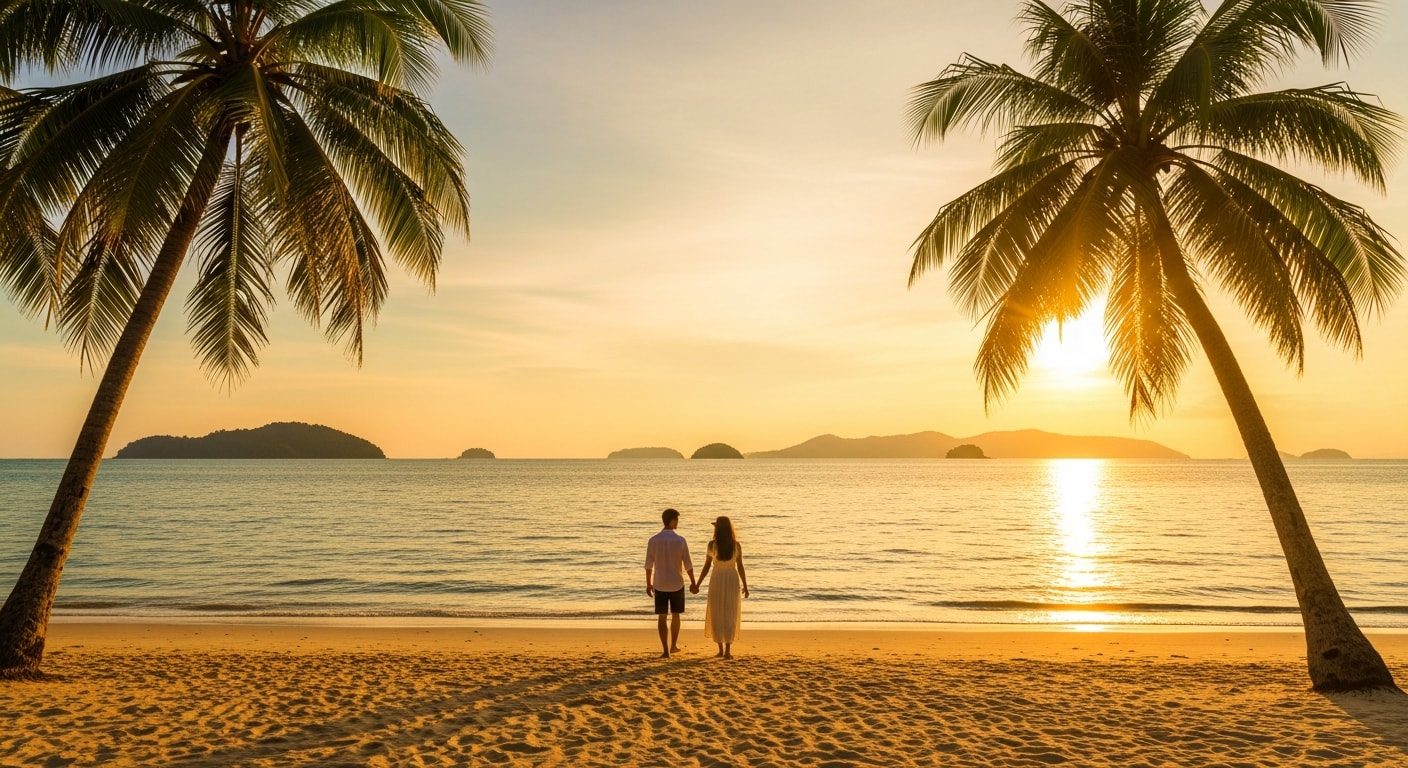
This is where most visitors base themselves, and for good reason. The two-kilometer beach has the island's best concentration of hotels, restaurants, bars, and water sports operators. Sand quality is decent (not Langkawi's whitest, but fine), and the sunset views across the Andaman Sea are reliably spectacular.
The beach road behind Pantai Cenang is where the action happens after dark. Restaurants range from basic Malay rice stalls to upscale seafood joints. Bars stay open late by Malaysian standards. You'll find duty-free shops, massage parlors, convenience stores, and everything else a tourist strip requires.
Downsides: jet skis can be annoying, the beach gets crowded on weekends, and budget hotels closest to the beach tend toward mediocre. Stay a block back for better value.
Tanjung Rhu: Quiet Luxury
Already mentioned above, but worth emphasizing: if you want a postcard-perfect beach without crowds, this is it. The trade-off is limited dining options outside your resort and a 30-40 minute drive from Pantai Cenang's amenities. Couples or anyone seeking peace over nightlife will prefer Tanjung Rhu.
Pantai Kok: Scenic and Underrated
Nestled at the base of Mat Cincang mountain, Pantai Kok offers dramatic scenery without the development of Cenang. The beach itself is smaller and less swim-friendly due to rocks and seaweed, but the views are incredible. Oriental Village (where you catch the cable car) sits at one end, and fancy resorts like The Danna line the bay.
Good for: lunch with a view, combining with a cable car visit, or staying somewhere scenic but quieter than Cenang.
Datai Bay: Exclusive and Expensive
Two of Malaysia's finest resorts — The Datai and The Andaman — share this bay in the island's northwest. Pristine beach, rainforest pressing right to the sand, and you'll likely have the place largely to yourself because both resorts keep it that way. Non-guests can visit for lunch at either resort but prepare for premium prices. This is honeymoon territory.
Must-Do Langkawi Activities for Every Traveler
Island Hopping Tour
This is the quintessential Langkawi experience. Standard four-island tours (RM 35-50 per person) hit Pulau Dayang Bunting (Pregnant Maiden Island), Pulau Singa Besar (eagle feeding), Pulau Beras Basah (beach time), and the Pulau Kentut wetlands.
Dayang Bunting features a freshwater lake surrounded by limestone cliffs — according to legend, a celestial princess bathed here and blessed the waters with fertility. Local women still visit hoping the lake will help them conceive. Swimming is refreshing after the boat ride, though the lake has leeches (I didn't encounter any, but others have).
Beras Basah is the highlight for beach lovers. This sandbar island has crystal-clear water perfect for swimming and snorkeling. Watch the tides — boats leave at set times, and if you wander too far, you might miss yours (speaking from experience).
Book through your hotel or any of the tour operators along Pantai Cenang. Morning departures mean calmer seas and better light for photos.
Jet Skiing and Parasailing
Water sports operators line Pantai Cenang and Pantai Tengah. Jet ski rentals run RM 100-150 for 30 minutes. Parasailing costs around RM 80-100 per flight. Banana boat rides are RM 30-40. Quality varies — check equipment before committing and negotiate if booking multiple activities.
Mangrove Kayaking
For a more intimate mangrove experience than the motorboat tours, several operators offer kayaking through the Kilim channels. You'll get closer to the wildlife, access narrower passages the big boats can't reach, and work off some of those duty-free chocolate calories. Half-day tours run RM 150-200 including equipment and guide.
Sunset Sailing
Several companies operate catamaran sunset cruises around Langkawi's southern islands. You'll sail past limestone karsts as the sun drops into the Andaman Sea, usually with a barbecue dinner and open bar (often featuring that cheap duty-free alcohol). Prices range from RM 200-400 depending on the boat and inclusions. Tropical Charters and Crystal Yacht are reputable operators.
Diving at Pulau Payar Marine Park
Langkawi isn't primarily a diving destination — the visibility doesn't match the Perhentian Islands or Sipadan. Pulau Payar, about 30 kilometers south, offers decent snorkeling and introductory diving. The marine park platform allows non-divers to snorkel directly from a floating pontoon surrounded by fish. Day trips run RM 250-350 including lunch and equipment. Serious divers should continue to Malaysia's east coast islands for better underwater experiences.
Langkawi Duty-Free Shopping: What's Actually Worth Buying
Yes, the duty-free status is real, and yes, it makes a difference. But not everything is a bargain. Here's what actually saves you money according to this langkawi island guide:
Alcohol: The biggest savings. A bottle of decent whisky costs RM 40-80 versus RM 150+ on the mainland. Beer is roughly one-third the normal Malaysian price. Stock up before leaving the island — you're allowed to bring out limited quantities duty-free (1 liter spirits, 1 liter wine, and a few beers per person).
Chocolate: Langkawi is famous for its chocolate shops, particularly along Pantai Cenang. Prices are 20-40% cheaper than elsewhere in Malaysia. Cadbury, Ferrero, Lindt — all the international brands are available. Local Langkawi chocolate makes decent souvenirs.
Perfume: Genuine savings on designer fragrances. Chanel, Dior, and similar brands cost significantly less than mainland duty-paid prices. Coco Perfumes and Zon Duty Free are reliable shops.
Cigarettes: If you smoke, Langkawi is your destination. Prices are a fraction of Singapore or Australia rates. Even compared to mainland Malaysia, savings are substantial.
What's NOT worth buying: Electronics (prices similar to or higher than KL), clothing (no significant savings), and random souvenirs (same price everywhere). Focus your duty-free shopping on consumables.
Langkawi Food Scene: Where and What to Eat
Langkawi's food scene doesn't match Penang's legendary hawker culture, but you'll eat well. Fresh seafood is the star — the island sits in rich fishing waters, and restaurants serve the catch daily.
Seafood Restaurants
Wonderland Food Store in Kuah is a local institution — a no-frills open-air spot where you pick your seafood from tanks and they cook it to order. Expect RM 60-100 for two people eating generously. Orkid Ria Seafood Restaurant near Pantai Cenang is the tourist-friendly equivalent with slightly higher prices but an ocean-view setting.
For upscale seafood, The Cliff at The Danna resort combines ocean views with refined preparations. Expect to pay resort prices (RM 200+ per person), but the setting and quality justify the splurge.
Night Markets
Langkawi's night markets rotate through different locations each night. Kuah (Wednesday and Saturday) is the largest. You'll find grilled seafood, satay, nasi lemak, roti canai, and sweet treats for RM 3-15 per item. The atmosphere is authentically local — families eating dinner, vendors shouting, smoke rising from charcoal grills. Thursday nights at Padang Matsirat near the airport are also popular.
Malay and Indian Food
Traditional Malay food is everywhere. Look for nasi campur (rice with various side dishes), mee goreng (fried noodles), and Langkawi's famous grilled fish with sambal. Restoran Wan Thai at Pantai Cenang does solid Thai-Malay fusion.
Indian food is readily available, particularly in Kuah's commercial area. Restaurants serve mamak-style roti canai and nasi kandar alongside South Indian vegetarian options. This matters if you're traveling from India and craving familiar flavors.
Langkawi Island Guide: Accommodation by Budget
Budget (Under RM 150/night)
Hostels and guesthouses cluster along Pantai Cenang's back road. Soluna Guesthouse offers clean dorms and private rooms a short walk from the beach. Sweet Inn Langkawi provides no-frills rooms with air conditioning. Don't expect luxury, but you'll have a base for exploring and spend your savings on activities and duty-free shopping instead.
Mid-Range (RM 150-400/night)
This bracket offers the best value. Casa del Mar is a Mediterranean-style boutique hotel directly on Pantai Cenang with a pool and excellent restaurant. Ombak Villa Langkawi provides Malay-style chalets with more character than chain hotels. Holiday Villa Beach Resort and Spa delivers reliable three-star comfort with beachfront access.
Luxury (RM 400-1500/night)
The Westin Langkawi Resort and Spa occupies its own private cove with 220 meters of beach. St. Regis Langkawi provides butler service and overwater villas for those who want Maldives vibes without the Maldives prices. Ritz-Carlton Langkawi opened in 2017 with a rainforest setting and private beach.
Ultra-Luxury (RM 1500+/night)
The Datai Langkawi consistently ranks among Asia's finest resorts. Set within virgin rainforest meeting a pristine beach, it's where serious honeymooners and executives seeking privacy retreat. Four Seasons Resort Langkawi at Tanjung Rhu offers similar exclusivity with Moorish-inspired architecture and arguably Langkawi's best beach. These are special-occasion destinations.
Getting to Langkawi from KL and India
From Kuala Lumpur
Flying: Direct flights take 1 hour. AirAsia, Malaysia Airlines, and Firefly operate multiple daily departures from both KLIA and Subang airports. Book 2-3 weeks ahead for prices around RM 80-150 one way. Same-day bookings often exceed RM 300.
Ferry: The budget option. Take a bus from KL to Kuala Perlis (5-6 hours, RM 35-50) or Kuala Kedah (4-5 hours, RM 30-45), then board a ferry to Langkawi (1.5 hours, RM 23-30). Total travel time is 7-8 hours. Only worth it if you're on a strict budget or combining with Penang en route.
From India
No direct flights connect India to Langkawi. You'll transit through Kuala Lumpur (most convenient), Singapore, or occasionally Bangkok. Check available Malaysia tour packages that include flights and transfers.
From Delhi or Mumbai, expect 5-7 hours flying time to KL, then the 1-hour connection to Langkawi. Malaysian Airlines, IndiGo, and AirAsia operate the India-KL routes. Book a domestic add-on when purchasing your international ticket for the best combined fare.
Best Time to Visit According to This Langkawi Island Guide
Langkawi has two distinct seasons, and timing matters more than many travelers realize.
Dry Season (December to April): This is peak season for good reason. Skies are clear, seas are calm, and all activities operate normally. January through March sees the most tourists and highest prices. Book accommodations 4-6 weeks ahead for peak dates.
Shoulder Season (May to October): Brief afternoon showers are common but rarely ruin entire days. Prices drop 20-30%, crowds thin, and the landscape is lush and green. I've visited in September twice and had excellent weather. This is the sweet spot for value.
Monsoon Season (November to February): Here's where it gets tricky. While December-February overlaps with "dry season" in some guides, November through early February brings the northeast monsoon. Some years it's barely noticeable. Other years, island-hopping tours are canceled for days, seas are rough, and rain falls heavily. November is the riskiest month. If visiting in this period, have backup plans and flexible accommodations.
Your Perfect 3-Day Langkawi Itinerary
Day 1: Arrive and Explore Pantai Cenang
Arrive at Langkawi International Airport and transfer to your Pantai Cenang hotel (20 minutes by taxi, RM 30). Spend the afternoon getting oriented — walk the beach, browse the duty-free shops, and pick up essentials. Book your island-hopping tour for tomorrow through your hotel or a beachfront operator.
For sunset, grab a beach mat and a duty-free beer. Western-facing beaches deliver reliable golden-hour shows. Dinner at Orkid Ria Seafood or Wonderland Food Store sets the tone for the trip.
Day 2: Island Hopping and Night Market
Join the morning island-hopping tour (departs 9-10 AM). Swim in Dayang Bunting's freshwater lake, watch eagles feed, and spend an hour or two on Beras Basah's pristine sandbar. Tours return by 2-3 PM.
Rest during the hot afternoon, then head to whichever night market is running (check locally — they rotate). Wednesday and Saturday nights at Kuah are the largest. Load up on grilled seafood, satay, and local sweets for under RM 30.
Day 3: Cable Car, Sky Bridge, and Departure Shopping
Get to Oriental Village by 9:30 AM before the tour bus crowds arrive. Ride the SkyCab to the top, walk the Sky Bridge, and enjoy the views. The full experience takes 3-4 hours including queues.
Afternoon: serious duty-free shopping. Hit Cenang Mall or Langkawi Fair Shopping Mall for alcohol, chocolate, and perfume. Most shops offer delivery to the airport if you're buying large quantities.
Final dinner: treat yourself to sunset at The Cliff or a more casual seafood barbecue on the beach before your flight out the next morning.
Practical Information for Your Trip
Getting Around: Rent a car (RM 60-100/day) or motorbike (RM 35-50/day) for flexibility. Taxis exist but are unmetered — agree on fares beforehand. Grab works but availability is limited outside Pantai Cenang and Kuah. The island is too spread out for walking between attractions.
Currency: Malaysian Ringgit (RM). ATMs are plentiful in Pantai Cenang and Kuah. Credit cards accepted at hotels and larger restaurants; bring cash for night markets and small shops.
Language: Bahasa Malaysia is the official language, but English is widely spoken in tourist areas. You won't have communication issues at hotels, restaurants, or tour operators.
What to Pack: Sunscreen (seriously — the equatorial sun is brutal), reef-safe if you're snorkeling. Modest clothing for visiting local villages or mosques. Light rain jacket for monsoon season. Mosquito repellent for mangrove tours.
Visa: Most nationalities receive visa-free entry to Malaysia, and Indians get up to 30 days visa-free until 31 December 2026 (no eVisa needed). Check current requirements before booking.
Langkawi surprised me on my first visit and keeps rewarding me on each return. It's managed to develop tourism infrastructure without losing its character — no small feat in Southeast Asia. The combination of natural beauty, adventure activities, duty-free indulgences, and genuine Malay hospitality creates something special. Whether you're after a romantic escape, a family adventure, or simply a few days on beaches that don't cost Maldives money, this langkawi island guide should set you up for an excellent trip. Check our other Malaysia destinations while planning your itinerary, and don't forget to bring an empty suitcase for the chocolate.
Want this island as part of a couple's trip? Browse our Malaysia honeymoon package (KL & Langkawi, 6N/7D) with a beach resort, the SkyBridge and a sunset dinner cruise.
How to Plan a 3-Day Langkawi Trip
Step-by-step guide to planning the perfect Langkawi island getaway in Malaysia
Book flights to Langkawi
Fly direct from KL (1 hour) or major cities. AirAsia and Malaysia Airlines operate frequent flights. Book 2-3 weeks ahead for best prices.
Choose your accommodation area
Stay in Pantai Cenang for nightlife and convenience, Tanjung Rhu for quiet beaches, or Datai Bay for luxury resorts.
Book the island hopping tour
Reserve the 4-island tour (RM 35-50) which includes Pulau Dayang Bunting, Pulau Beras Basah, and eagle feeding. Morning departures are best.
Get cable car tickets online
Buy SkyCab tickets online to skip queues. Add the SkyBridge for panoramic views. Budget 3-4 hours for the full experience.
Plan a mangrove tour
Book a Kilim Geoforest Park tour for mangrove exploration, cave visits, and wildlife spotting. Half-day tours run RM 150-250.
Stock up on duty-free items
Buy alcohol, chocolate, and perfume from Cenang Mall or Langkawi Fair Shopping Mall. Prices are 30-50% cheaper than mainland Malaysia.