

Singapore Travel Guide: Honest Tips From 12 Visits (What I Wish I Knew First)
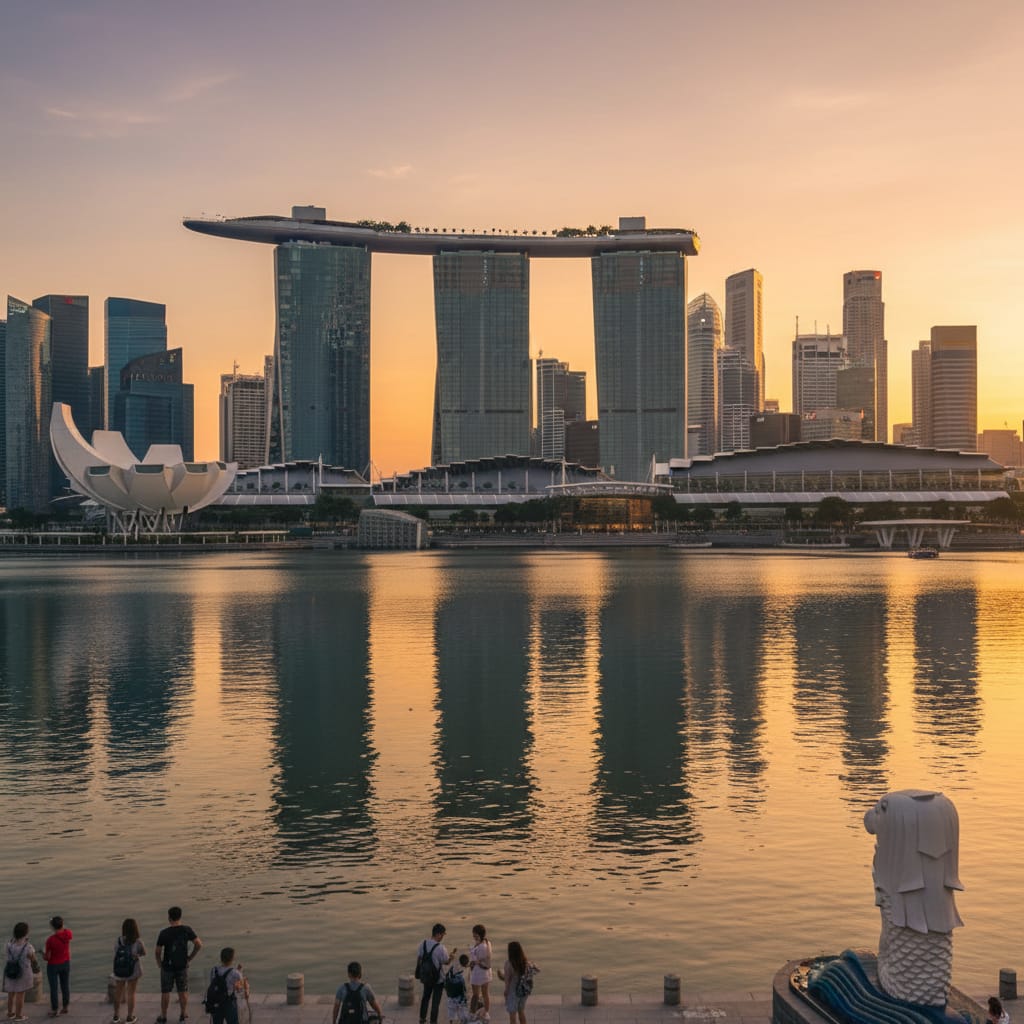
I landed at Changi Airport at 2 AM on my first Singapore trip, bleary-eyed and convinced I'd made a mistake booking a layover that turned into a four-day stay. By the time I left, I'd eaten my body weight in laksa, gotten lost in a colonial-era shophouse turned speakeasy, and watched the sun rise over Marina Bay while a security guard politely reminded me that the Merlion Park technically closed at midnight. That was seven years and twelve visits ago. Singapore keeps pulling me back.
This city-state punches so far above its weight it's almost absurd. Smaller than New York City, yet somehow containing world-class museums, Michelin-starred hawker stalls, rainforest reserves, and architecture that makes you stop mid-stride to stare. It's expensive, yes—but it's also one of the easiest places in Asia to navigate, and there are tricks to doing it without emptying your wallet. Here's everything I've learned.
Understanding Singapore's Neighborhoods
Singapore's compact size is deceptive. Each neighborhood has its own rhythm, and the MRT (metro) makes hopping between them almost too easy. The mistake most first-timers make? Staying exclusively in the Marina Bay tourist zone and missing the actual soul of the city.
Marina Bay & Downtown Core
Yes, it's the postcard view. Marina Bay Sands, the Supertree Grove at Gardens by the Bay, the Merlion—they're all here and they're all genuinely impressive. The light show at Gardens by the Bay (free, nightly at 7:45 PM and 8:45 PM) is worth seeing once. But this area is essentially Singapore's business district with tourist attractions attached. Hotels here run SGD 400-800/night (USD 300-600), and you'll find yourself eating at overpriced food courts unless you venture out.
Chinatown
This is where I always stay. The heritage shophouses have been converted into boutique hotels and hostels, the hawker centres are walkable, and you're a 10-minute MRT ride from anywhere. The Maxwell Food Centre is right here—more on that later. Budget hotels run SGD 80-150/night (USD 60-110), and the whole area comes alive after dark. Smith Street turns into a pedestrian night market, and the bars along Club Street offer rooftop views at half the Marina Bay prices.
Kampong Glam & Arab Street
The Sultan Mosque anchors this historically Malay-Muslim quarter, but it's evolved into Singapore's hipster zone. Haji Lane is a narrow alley packed with indie boutiques, quirky cafes, and street art. The Middle Eastern restaurants along Arab Street serve legitimately excellent hummus and shawarma—Zam Zam has been making murtabak (stuffed flatbread) since 1908. Come hungry.
Little India
The most sensory-overload neighborhood in a city that usually feels meticulously controlled. Tekka Centre is the hawker centre here, serving banana leaf rice, roti prata, and fish head curry that'll rearrange your understanding of what Indian food can be. Mustafa Centre, a 24-hour department store spanning multiple buildings, sells everything from gold jewelry to luggage to midnight snacks. I've lost hours in there.
Tiong Bahru
Singapore's oldest public housing estate has become its trendiest neighborhood. Art deco architecture from the 1930s, independent bookshops, third-wave coffee roasters—it's the Singapore that young Singaporeans actually hang out in. The Tiong Bahru Market is smaller and less chaotic than the big hawker centres, which makes it perfect for first-timers nervous about ordering.
The Hawker Centre Survival Guide
Let me be direct: if you don't eat at hawker centres, you haven't eaten in Singapore. These open-air food courts are where Singaporean cuisine lives—dozens of stalls under one roof, each specializing in one or two dishes perfected over decades. Michelin has awarded stars to hawker stalls here. A meal costs SGD 4-8 (USD 3-6). There's no reason to eat anywhere else for lunch and dinner.
How to Order
First, find a seat. In busy hawker centres, this means the tissue packet system—Singaporeans reserve seats by placing a packet of tissues on the table. It's an unwritten rule everyone respects. Once you have a table, note its number (usually on a stand), then walk around and order from different stalls. Give them your table number and they'll bring food to you, or you'll pick it up when they call your number.
What to Eat
Hainanese Chicken Rice — Singapore's national dish. Poached chicken, fragrant rice cooked in chicken fat, chili sauce, and ginger paste. Tian Tian at Maxwell Food Centre is famous, but the queues are brutal. Ah Tai next door is just as good with no wait.
Laksa — Spicy coconut curry soup with noodles, prawns, and fish cake. The Katong version (cut noodles, eaten with a spoon) is the local style. 328 Katong Laksa on East Coast Road is the benchmark.
Char Kway Teow — Flat rice noodles stir-fried with egg, Chinese sausage, cockles, and bean sprouts in a smoky wok. It should taste slightly charred. Hill Street Char Kway Teow at Bedok South has been at this for 60 years.
Bak Kut Teh — Peppery pork rib soup, usually a breakfast dish. Song Fa on New Bridge Road is the most famous, but locals argue endlessly about the "best" version. The pepper-forward Teochew style is what you'll find most places.
Satay — Grilled meat skewers with peanut sauce. Lau Pa Sat (a beautiful Victorian-era hawker centre downtown) has an entire street of satay stalls that fire up after 7 PM. Order ten sticks minimum—they're small and you'll want more.
Best Hawker Centres by Neighborhood
Maxwell Food Centre (Chinatown) — Tourist-friendly but still excellent. Chicken rice, char kway teow, and popiah (fresh spring rolls) all have standout stalls here.
Old Airport Road Food Centre (Geylang) — Where Singaporean food writers eat. Less polished, more local, with legendary stalls for wonton mee and rojak.
Tiong Bahru Market (Tiong Bahru) — Smaller, calmer, excellent chwee kueh (steamed rice cakes with preserved radish) at the stall that's been there since the market opened.
Newton Food Centre (Newton) — The one everyone knows from Crazy Rich Asians. Pricier than other hawker centres and you'll encounter touts, but the seafood stalls are genuinely good if you set prices before ordering.
Getting Around: Transport That Actually Works
Singapore's public transport is so efficient it's almost boring to write about. The MRT runs from roughly 5:30 AM to midnight, trains arrive every 3-5 minutes, stations are air-conditioned and spotlessly clean. Buy an EZ-Link card (SGD 10, with SGD 5 stored value) at any MRT station and tap on and off. Single trips run SGD 1-2.50 depending on distance.
The Grab App
Southeast Asia's answer to Uber. Install Grab before you arrive—it handles taxis, private cars, food delivery, and payments. During non-peak hours, a Grab across the city costs SGD 15-25 (USD 11-18). After midnight when MRT closes, it's your only real option besides regular taxis.
Walking
Singapore is walkable in theory but punishing in practice. The equatorial sun and humidity will humble you fast. Plan walks for early morning or after sunset. The covered walkways (they're everywhere in the downtown areas) help, but I still wouldn't schedule more than 20 minutes of outdoor walking between air-conditioned stops during the day.
Things Actually Worth Doing
Skip the tourist trap river cruises and the Sentosa Island cable cars. Here's where your time is better spent.
Gardens by the Bay
The Supertree Grove is free to walk through and genuinely awe-inspiring, especially during the evening light show. The Flower Dome and Cloud Forest conservatories cost SGD 32 (USD 24) combined and are worth it if you have any interest in plants—the Cloud Forest's indoor waterfall is the tallest in the world. Go early on a weekday to avoid crowds.
Marina Bay Sands Observation Deck vs. 1-Altitude
Everyone goes to the MBS SkyPark observation deck (SGD 26). The smarter move is 1-Altitude, a rooftop bar on the 63rd floor of One Raffles Place. No cover during happy hour (6-9 PM), drinks cost SGD 20-25, and the view is actually better because you can see Marina Bay Sands from there. Dress code is smart casual—no shorts or sandals.
The National Gallery Singapore
Southeast Asia's largest collection of Southeast Asian art, housed in two beautifully restored colonial buildings (the former Supreme Court and City Hall). The permanent collection alone takes 2-3 hours. Admission is SGD 20 for tourists, but Fridays from 6-9 PM are free. The rooftop restaurant, Aura, has strong cocktails and city views.
MacRitchie Reservoir
A genuine rainforest in the middle of the city. The TreeTop Walk is an aerial suspension bridge through the canopy—arrive before 9 AM or you'll queue. The full loop hike is 11 km and takes 4-5 hours, but you can do shorter sections. Bring water and mosquito repellent. This is actual jungle.
Pulau Ubin
An island off Singapore's northeast coast that feels like stepping back 50 years. No cars, minimal development, wild boars roaming around. Take a bumboat from Changi Point Ferry Terminal (SGD 4 each way, boats leave when full—usually 12 passengers). Rent a bike on the island (SGD 10-15/day) and explore the abandoned quarries and coastal trails. Pack food—options on the island are limited.
Money-Saving Strategies
Singapore's reputation for being expensive is earned but manageable. Here's how to cut costs without sacrificing experience.
Eat at hawker centres for every meal — I mentioned this, but it bears repeating. A full day of excellent food costs SGD 20-30 if you're eating at hawkers. Restaurant meals easily hit SGD 50-100 per person.
Stay in Chinatown or Little India — Hotels here cost 30-50% less than Marina Bay, and you're closer to better food anyway. The Wink Hostel and Adler Hostel both offer private rooms in the SGD 80-120 range.
Use the Tourist Pass — If you're taking public transport heavily, the Singapore Tourist Pass (SGD 22/day) offers unlimited MRT and bus travel. Math works out if you're taking more than 8-10 trips per day.
Free attractions add up — Gardens by the Bay outdoor areas, all public parks, the Esplanade rooftop, temple visits, neighborhood walking—Singapore has plenty of genuinely free experiences.
Drink at 7-Eleven — Alcohol in Singapore is expensive everywhere due to high taxes. A beer at a bar costs SGD 12-18. The same beer at 7-Eleven costs SGD 5-7. Many locals do their drinking at coffeeshops (kopitiam) attached to hawker centres, where beer is cheaper and the atmosphere is better anyway.
Practical Information You'll Actually Need
Visa: Most passport holders get 30-90 days visa-free. US, UK, EU, Australia, and most Asian passports need no advance visa. Check the ICA website for your specific nationality.
Best time to visit: Singapore is hot and humid year-round (28-32C/82-90F). The slightly "cooler" months are December to February, but you'll barely notice the difference. Avoid the haze season (typically September-October) when forest fires in Indonesia blow smoke over.
Power plugs: Type G (British three-pin). Voltage is 230V. Bring an adapter.
Language: English is an official language and spoken everywhere. Signage, menus, announcements—all in English. You'll encounter Singlish (Singaporean English) which has its own vocabulary and rhythm, but it's perfectly understandable with a bit of listening.
Safety: Singapore is extraordinarily safe. Walking alone at night, leaving bags unattended briefly, taking late-night public transport—all fine. The crime rate is among the lowest in the world.
Laws to know: No gum (you can't buy it, but you won't be arrested for chewing it). No eating or drinking on MRT. No smoking except in designated areas. Jaywalking is technically illegal but lightly enforced. Drug laws are extremely strict—don't test them.
Sample 4-Day Itinerary
Day 1: Arrive, check into Chinatown hotel. Evening walk around the neighborhood, dinner at Maxwell Food Centre (chicken rice, char kway teow). After dark, walk to Marina Bay for the Supertree Grove light show.
Day 2: Morning at Gardens by the Bay (Cloud Forest, Flower Dome). Lunch at Lau Pa Sat. Afternoon at National Gallery Singapore. Sunset drinks at 1-Altitude. Dinner in Kampong Glam (Zam Zam or one of the Arab Street restaurants).
Day 3: Early morning at MacRitchie Reservoir (TreeTop Walk). Lunch at Tiong Bahru Market. Afternoon exploring Tiong Bahru neighborhood, coffee at one of the independent roasters. Evening in Little India—temple visits, dinner at Tekka Centre, wandering Mustafa Centre until you get overwhelmed.
Day 4: Day trip to Pulau Ubin. Bring breakfast from a hawker centre. Bike around the island, swim at one of the beaches if you're feeling adventurous. Return to Singapore in the afternoon. Final laksa at 328 Katong. Evening flight or collapse into hotel.
What I'd Tell a Friend
Singapore rewards the curious but doesn't punish the lazy. You can have an excellent trip just eating your way through hawker centres and watching the skyline from various rooftop bars. You can also dig deeper—into the heritage neighborhoods, the hiking trails, the speakeasy bars hidden behind fake shop fronts (28 HongKong Street, no signage, ring the doorbell).
The city feels sterile on first impression. Planned, clean, controlled. Give it three days and you'll start noticing the cracks where personality seeps through—the uncles playing chess in void decks, the aunties doing tai chi at dawn in East Coast Park, the absolute devotion people have to their opinions about the best chicken rice stall. Singapore is not trying to be charming. It's too busy being excellent at everything else. That's its own kind of charm.
Pack light, bring comfortable walking shoes for the mornings, and prepare to sweat more than you thought possible. Your stomach will thank you. Your bank account will be fine if you follow the rules. And you'll probably, like me, start planning your next visit before you've even left.
Quick Reference
- Getting there: Changi Airport (SIN) — connected by MRT to city center (35 min, SGD 2.50)
- Currency: Singapore Dollar (SGD). 1 USD = approximately 1.35 SGD (2026)
- Budget per day: SGD 100-150 (backpacker), SGD 250-400 (mid-range), SGD 500+ (luxury)
- Best for: Food lovers, architecture enthusiasts, first-time Asia travelers, anyone who appreciates efficiency
- Skip if: You hate humidity, you're on an extreme budget, you want "authentic chaos"
- Minimum time needed: 3 full days for the essentials, 5+ days to really explore